Cleveland Museum of Art
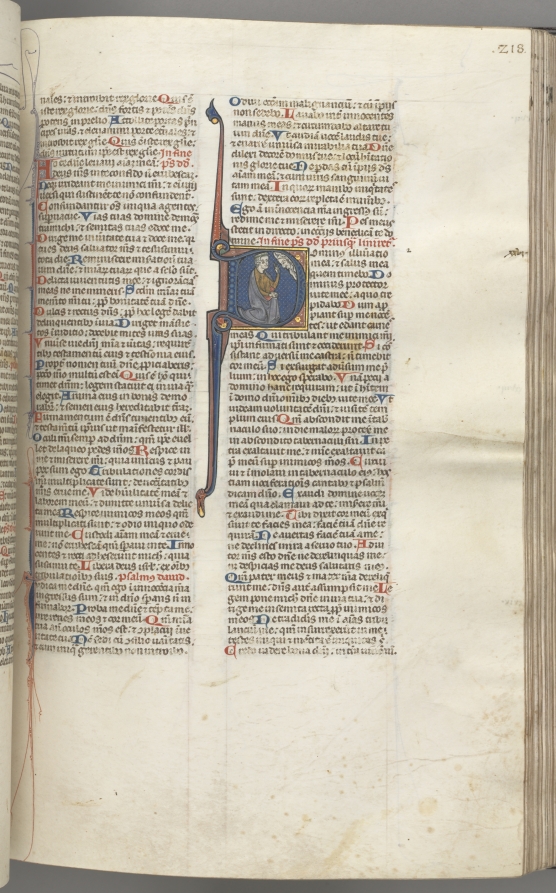
Fol. 218r, Psalm 26, historiated initial D, David kneeling pointing to his eyes, the bust of God above
- Date
- c. 1275–1300
- Medium
- ink, tempera and gold on vellum
- Culture
- Southern France, Toulouse(?), 13th century
- Department
- Medieval Art
- Institution
- Cleveland Museum of Art
- Object ID
- 166380
From the Cleveland Museum of Art record
Biblical manuscripts were highly prized and important possessions of churches, monasteries, cathedral schools, and universities throughout medieval Europe. The biblical texts were known as the vulgate, the translations made by Saint Jerome in the fourth century from Hebrew and Greek into Latin, which became the definitive and official Latin version of the Roman Church. In the 13th century, the bible was, for the first time, produced as a single volume with an officially sanctioned sequence to its books and chapters as illustrated by this example. The very extensive decoration of this bible is arranged hierarchically to indicate the relative importance of the various texts so that full or almost full-page initials mark the openings of the first prologue, Genesis, and the first Gospel; historiated initials mark the beginning of each book and illuminated initials mark the Prologues.
The authoritative record is held by Cleveland Museum of Art. LinkedCulture surfaces this object and its connections; it does not alter institutional metadata.
Get printable QR codesHide QR codes
Open QR codes for this object page and the museum record. They stay collapsed until needed.
Provenance & credit
As published by the source institution. Coverage varies — not every institution's open-data feed includes ownership history.
- Credit line
- John L. Severance Fund
Related across collections
Semantically similar works from Cleveland Museum of Art and other institutions.
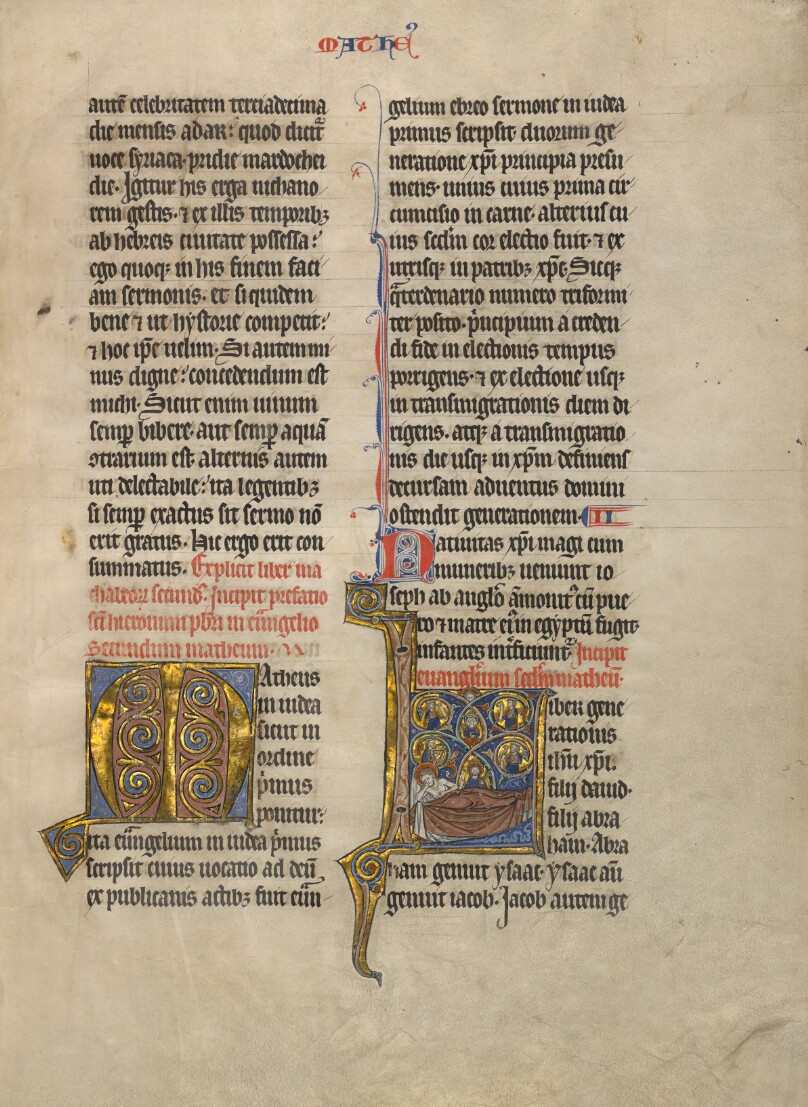
Concluding Volume of a Bible
Getty Museum
#71ce9bd5-2805-404d-9194-97451fca972e
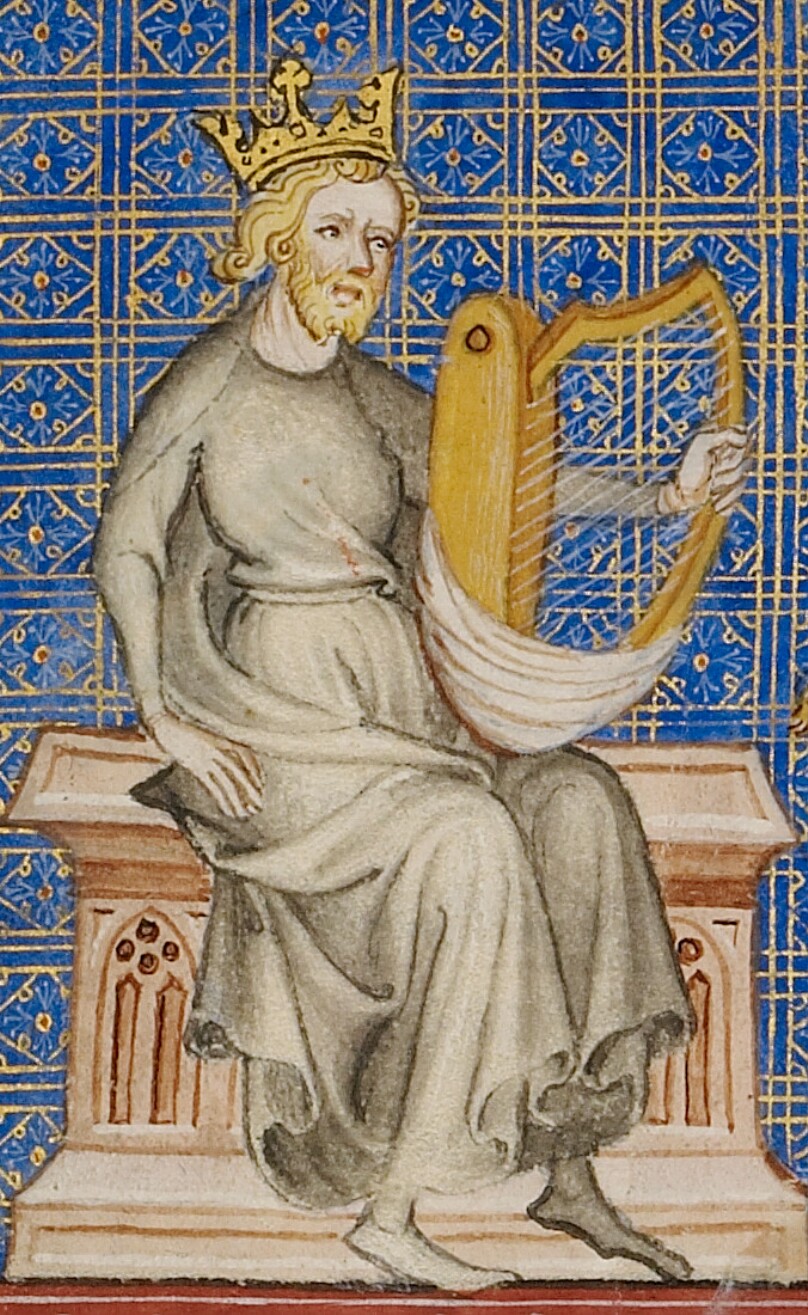
Bible Historiale, 2 vols.
Getty Museum
#248f3f08-b933-484b-a77f-7abd96835f7f
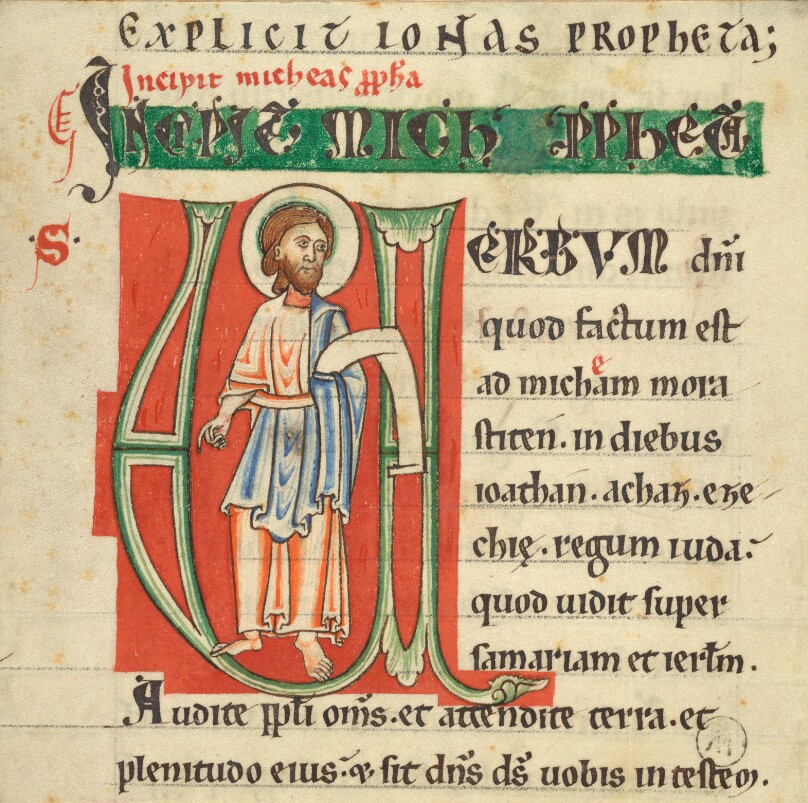
Historiated Initial from a Bible
Getty Museum
#9aad7cf3-7b66-4bef-a2db-a81dd9d8e403
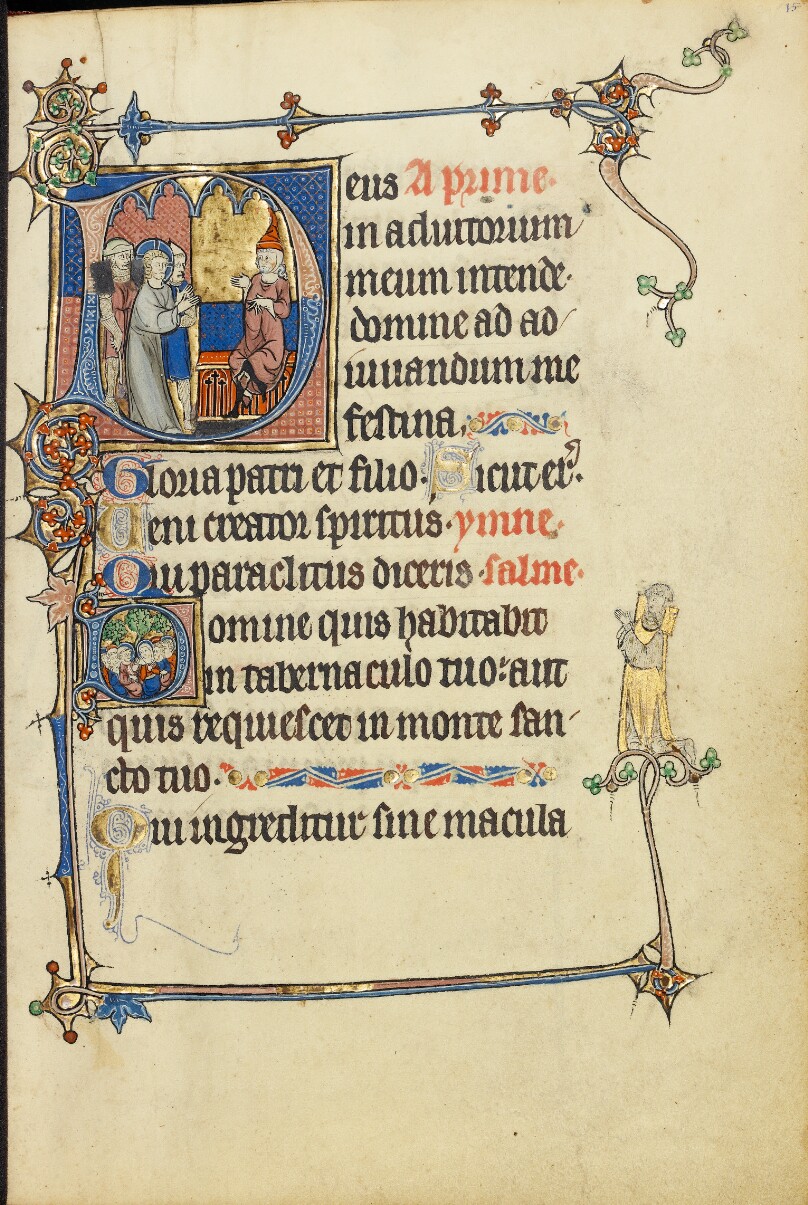
Initial D: Christ before Caiaphas; Initial D: The Virgin Mary with Apostles
Getty Museum
#3701ce9a-e1d2-410f-ac65-ee150132c6d7
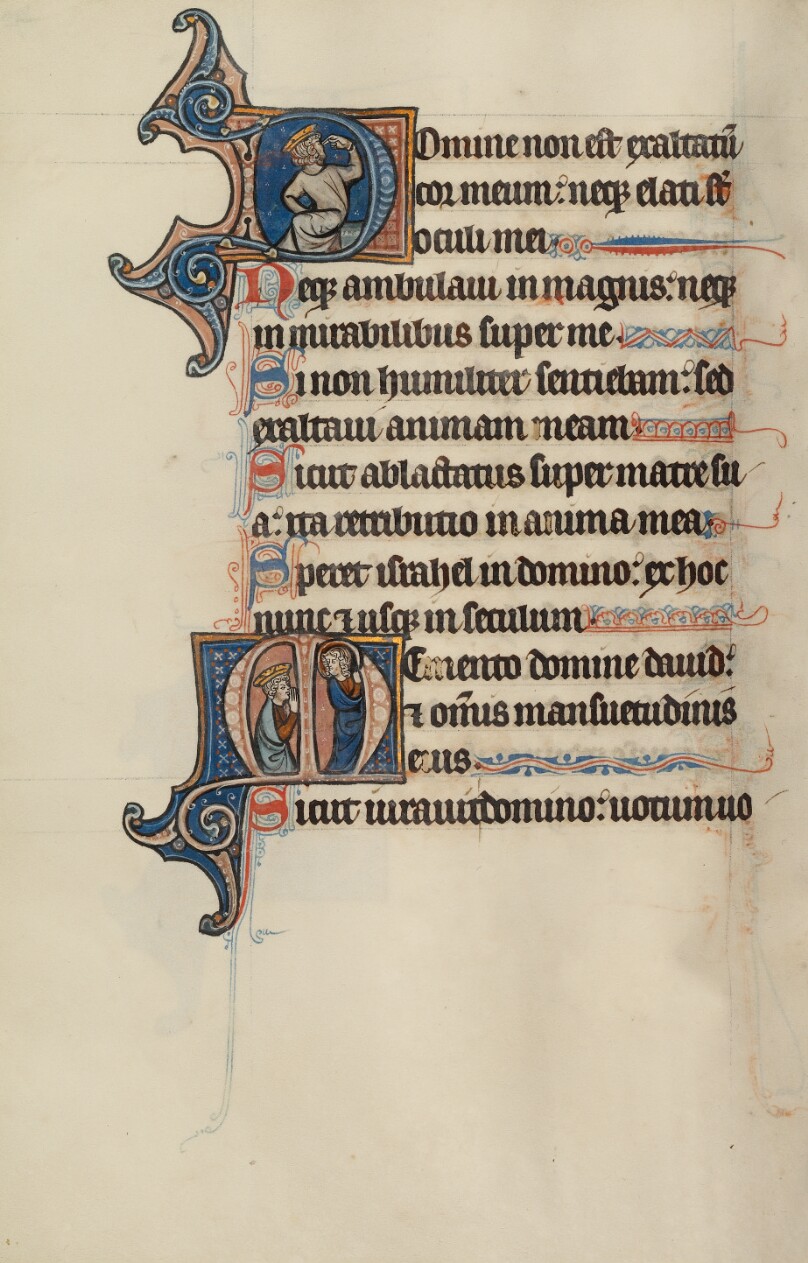
Initial D: A Seated King Pointing to His Eyes; Initial M: David Kneeling Before Christ
Getty Museum
#20f828eb-e53f-4f71-a3bf-3c73ce385395
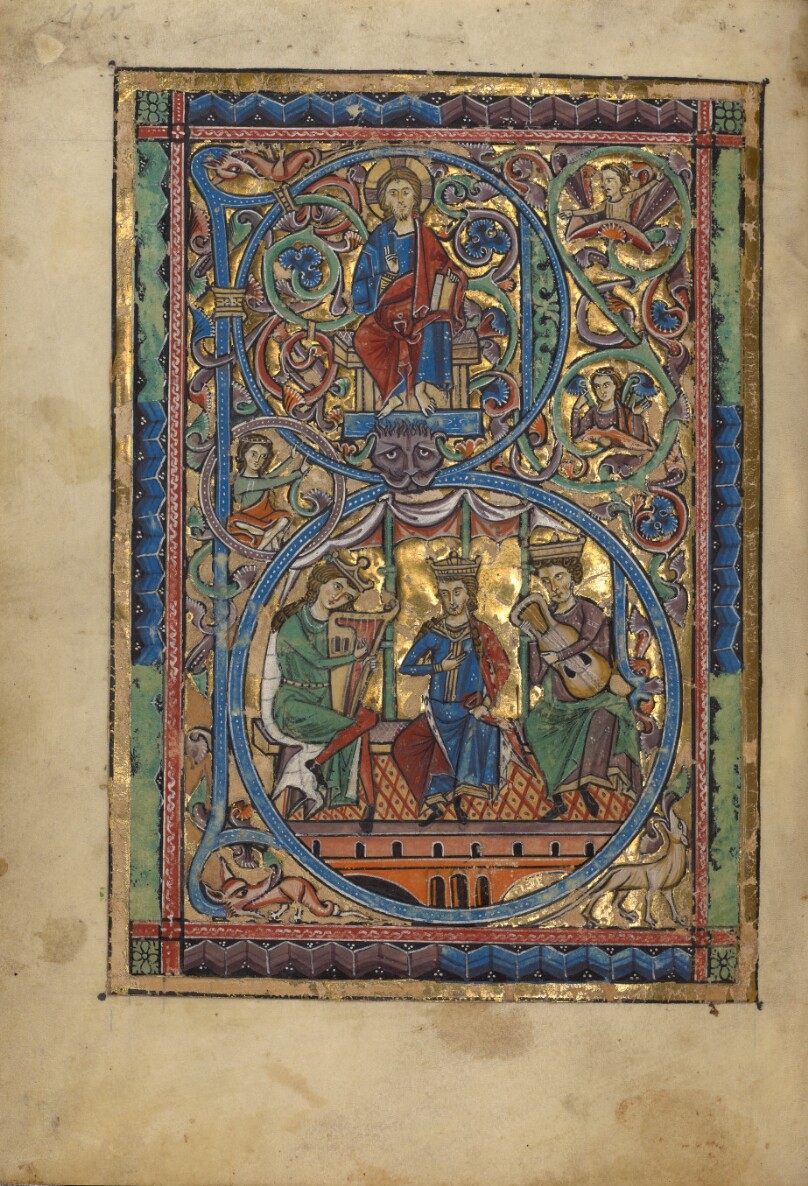
Initial B: Christ in Majesty and David with Musicians
Getty Museum
#3c661c6b-79e3-4880-9ce2-feeb102c32b4
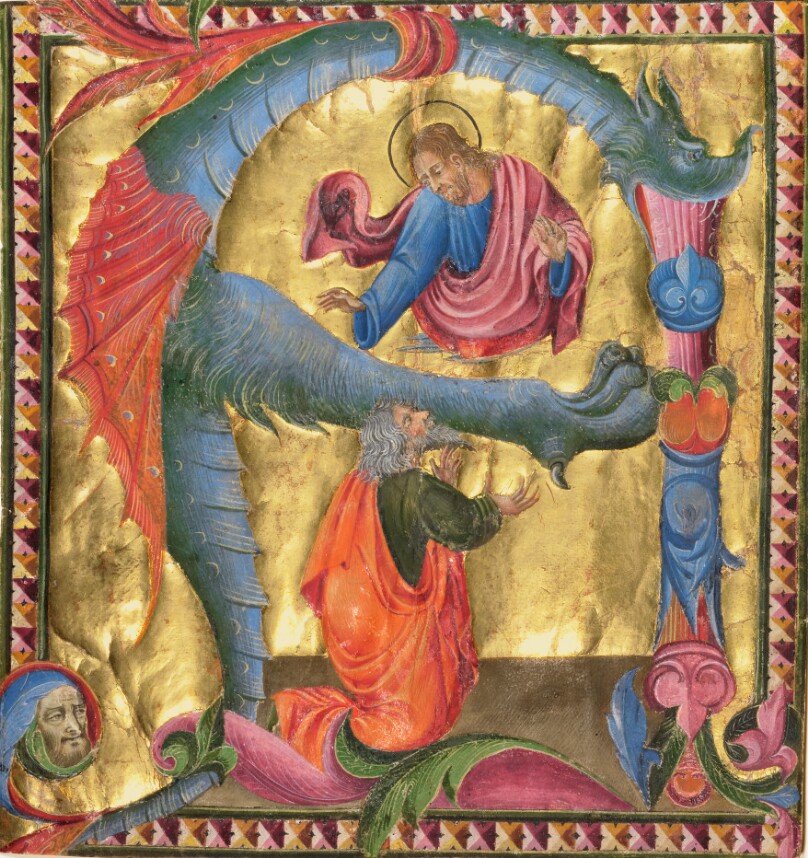
Initial A: Christ Appearing to David
Getty Museum
#15e58b67-1558-4cbb-a711-add6c1130c76
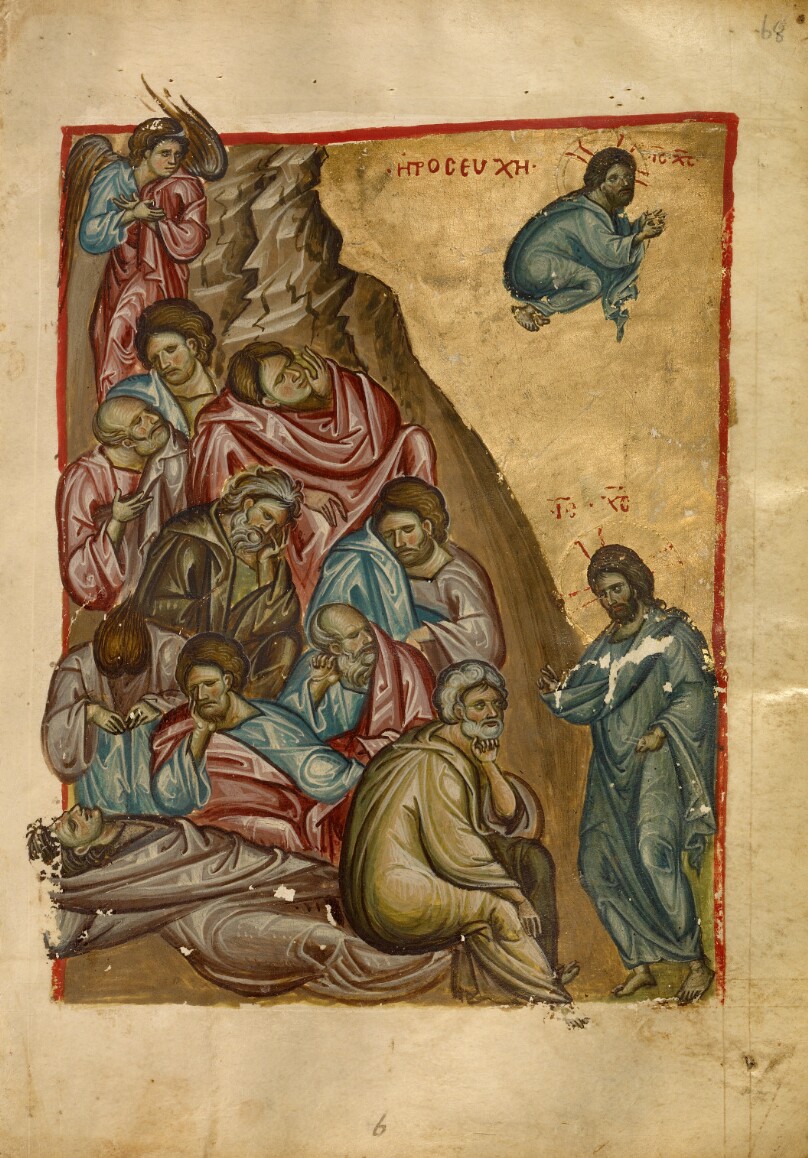
Gospel Book
Getty Museum
#8c6116d5-09f6-4416-8d15-1804c9337c65
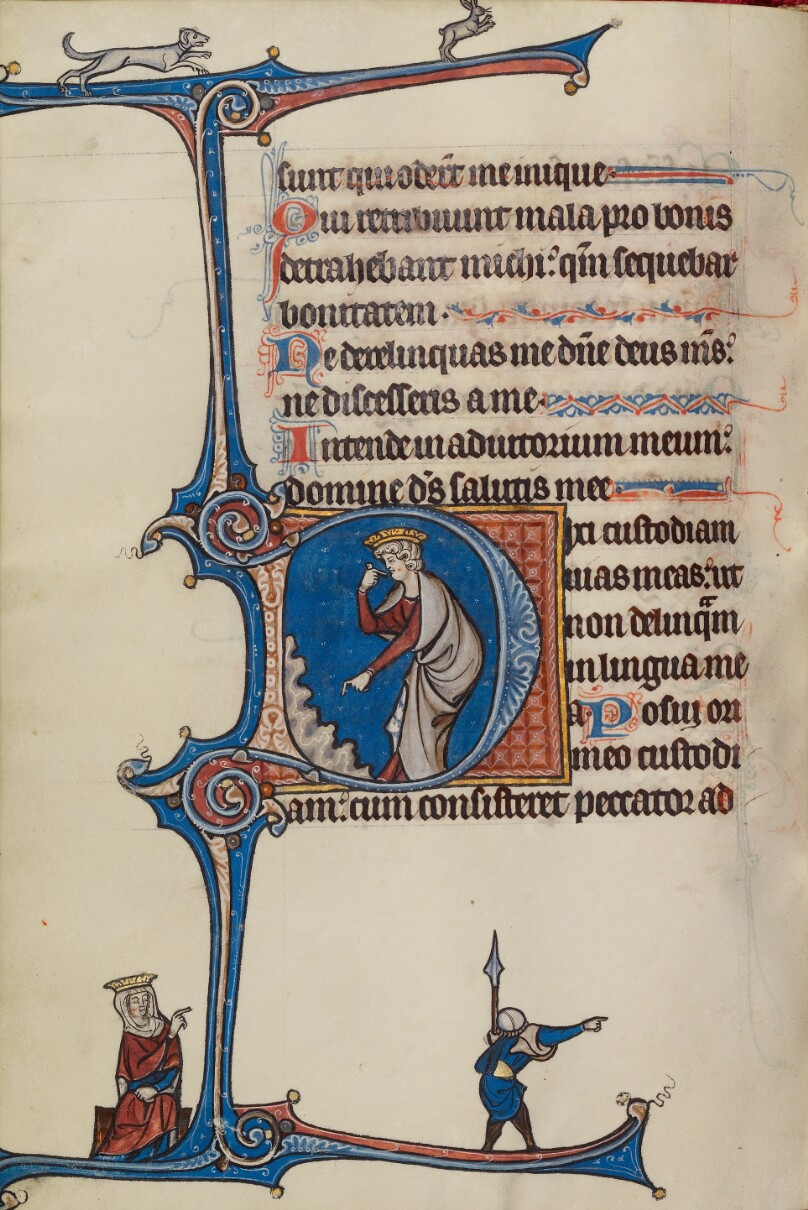
Initial D: David Pointing to His Mouth
Getty Museum
#57adada6-e62d-47cd-9956-9b0625b9e902
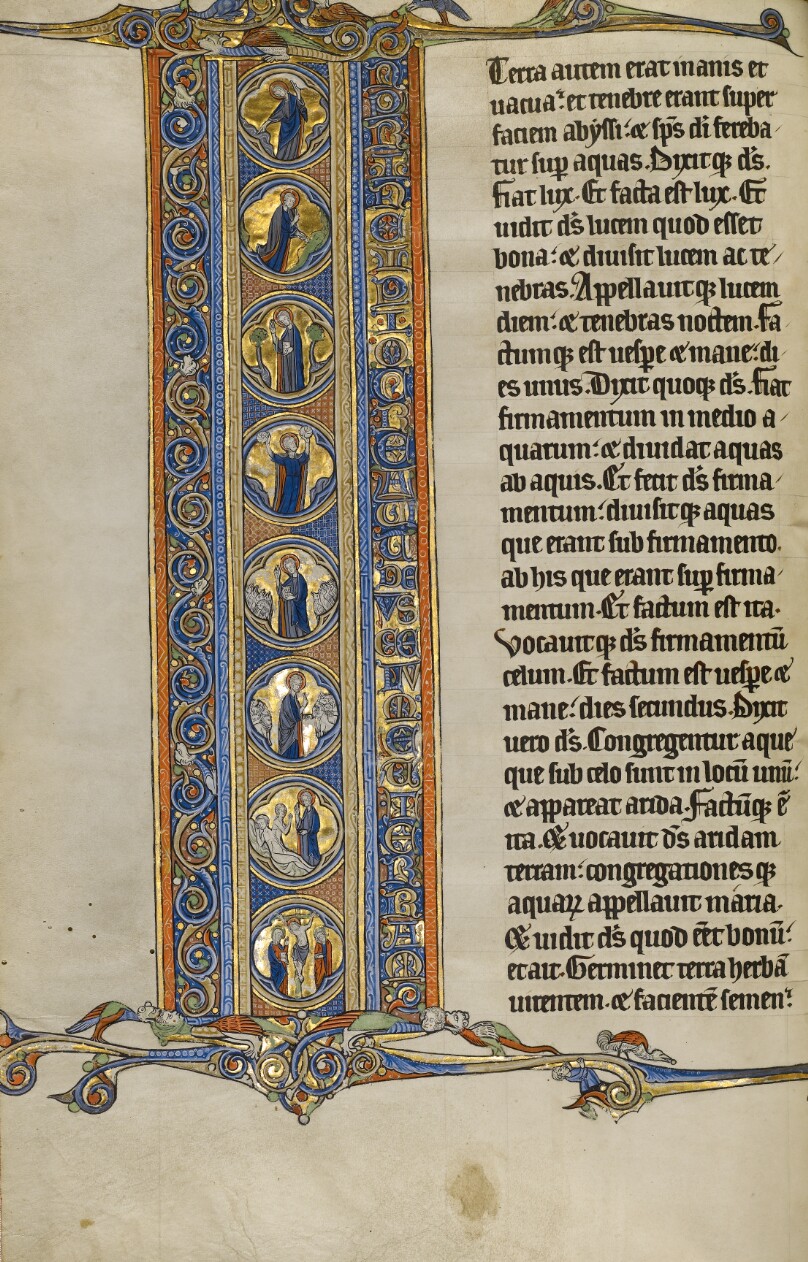
Marquette Bible, vol. 1
Getty Museum
#5d58c3f9-b222-43d0-a6bf-fe099644bfed
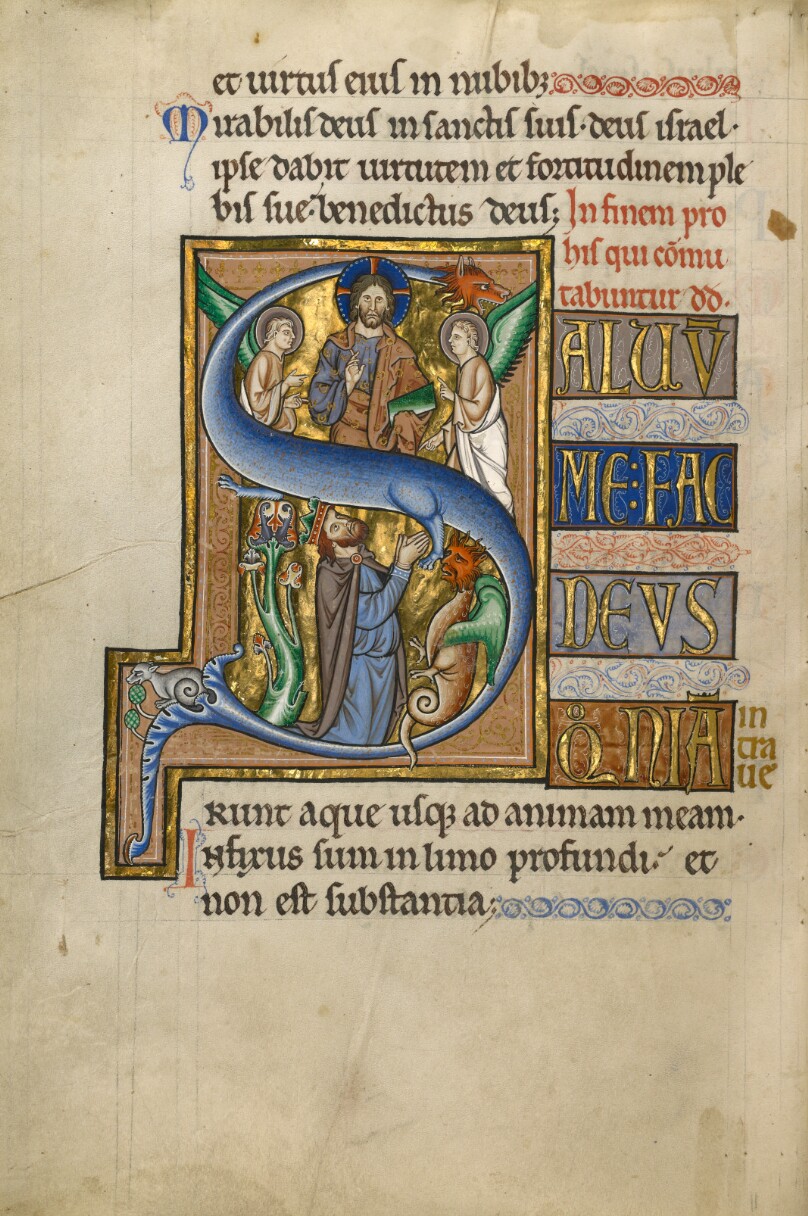
Initial S: David in Prayer
Getty Museum
#3c7b9996-809d-48cb-b17b-f5e971eb5984
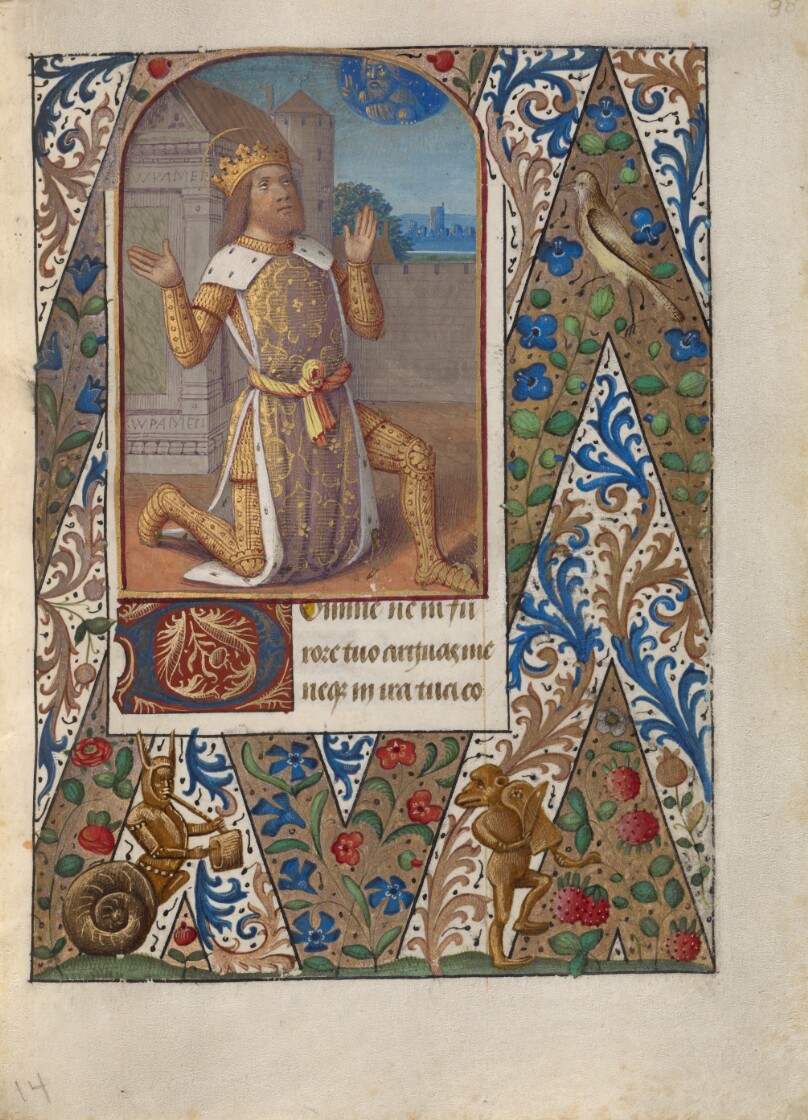
King David in Prayer
Getty Museum
#2123e110-52e5-4ad2-9a61-2461f552c699