Cleveland Museum of Art
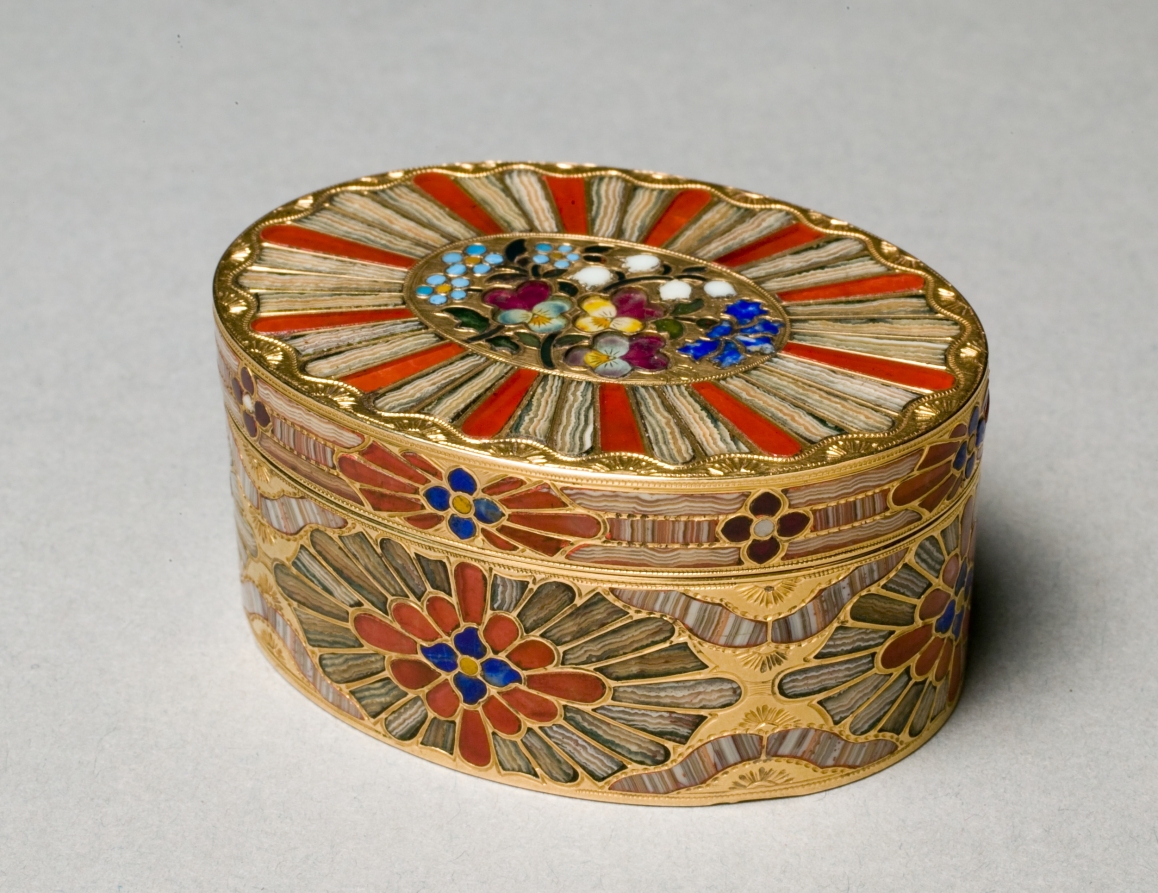
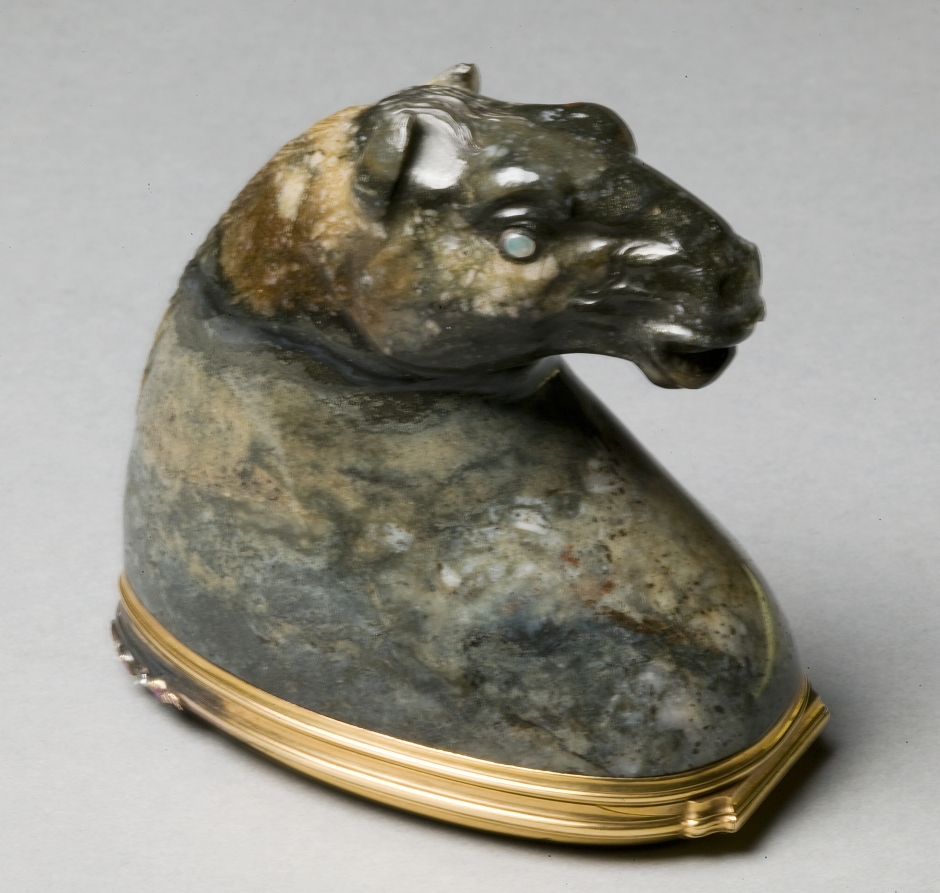
Snuff Box
Johann Christian Neuber
- Date
- c. 1780–90
- Medium
- gold, multi-colored hardstone
- Culture
- Germany, Dresden
- Department
- Decorative Art and Design
- Institution
- Cleveland Museum of Art
Snuff was a scented form of tobacco powder, traditionally sniffed for maximum effect. The practice of inhaling a pinch of snuff was common in England during the 1600s and became widespread in other countries in the 1700s. The demand for decorated snuffboxes, considered valuable gifts, increased as the practice spread. Some were small enough to fit in a waistcoat pocket and gave 18th-century craftsmen an opportunity to execute rich and elaborate designs on a small scale. One of the most talented German goldsmiths, Johann Christian Neuber, was particularly adept at cutting and insetting rare hardstones sourced from the rich mines of northern Germany. He created a kaleidoscope of color on every surface of this little box in radiant patterns. Neuber's work was so renowned that he was made court jeweler to the elector of Saxony, Frederick Augustus the Third (1750-1827) in 1775. Because of his use of rare hardstones cut in tiny intricate patterns, Johann Christian Neuber's works, including small ones such as this snuffbox, are highly prized by museums and collectors alike.
The authoritative record is held by Cleveland Museum of Art. LinkedCulture surfaces this object and its connections; it does not alter institutional metadata.
Related across collections
Semantically similar works from Cleveland Museum of Art and other institutions.
Snuff Box
Cleveland Museum of Art
Snuff Box
Cleveland Museum of Art
Snuff Box
Cleveland Museum of Art
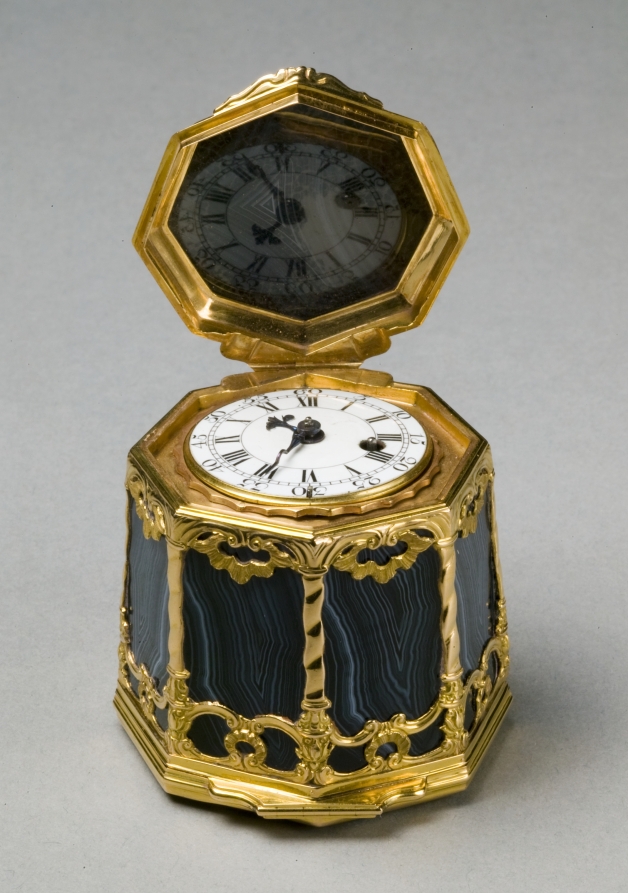
Snuff Box with Clock
Cleveland Museum of Art
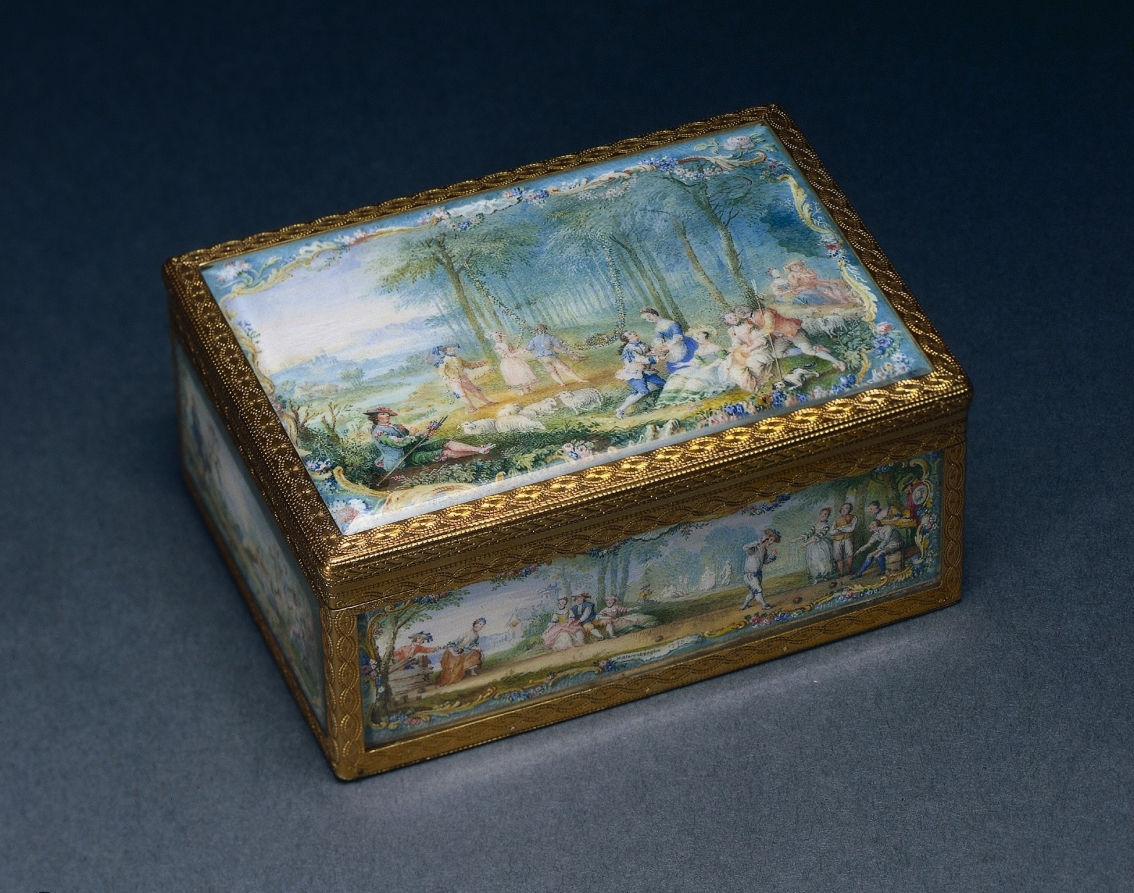
Snuff Box (Tabatière)
Cleveland Museum of Art
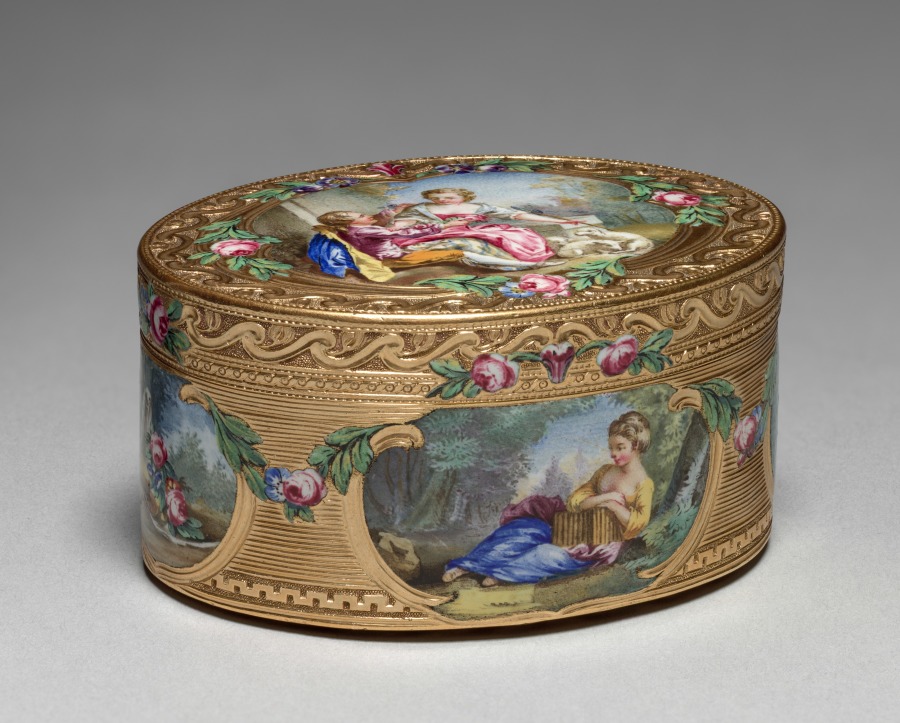
Snuff Box (Tabatière)
Cleveland Museum of Art
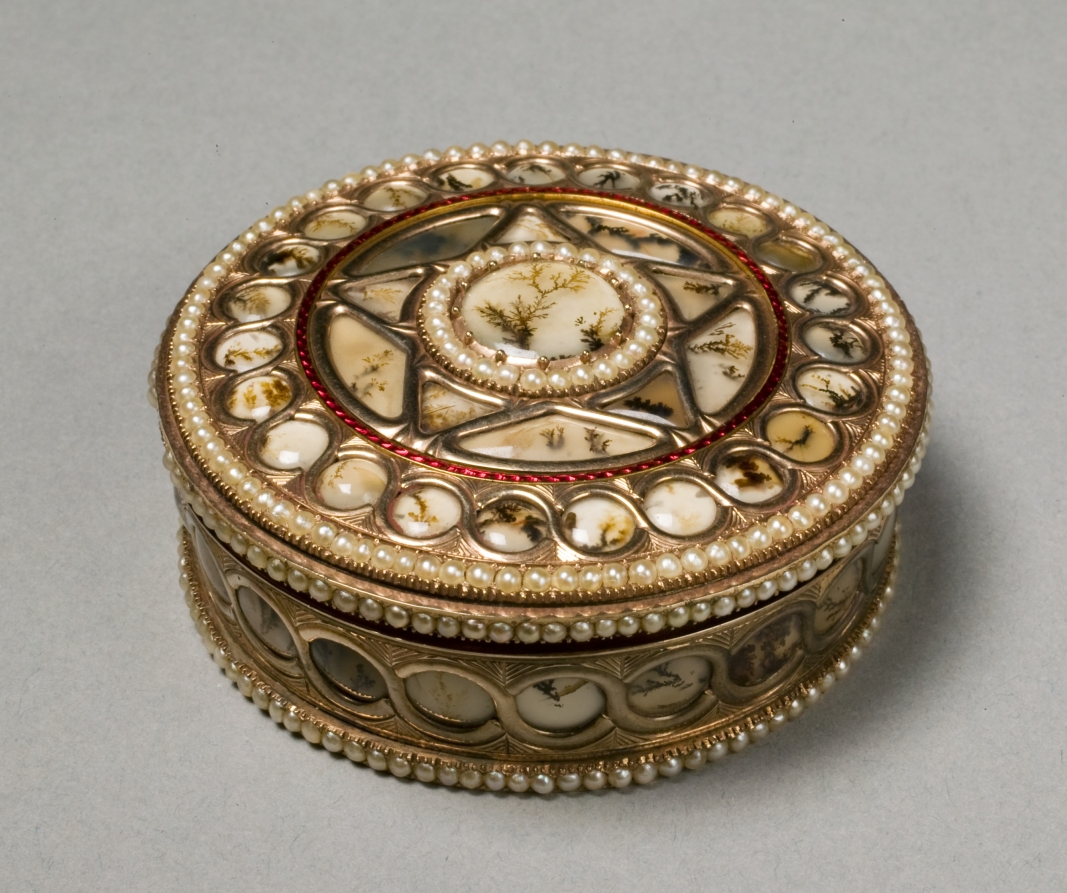
Snuff Box
Cleveland Museum of Art
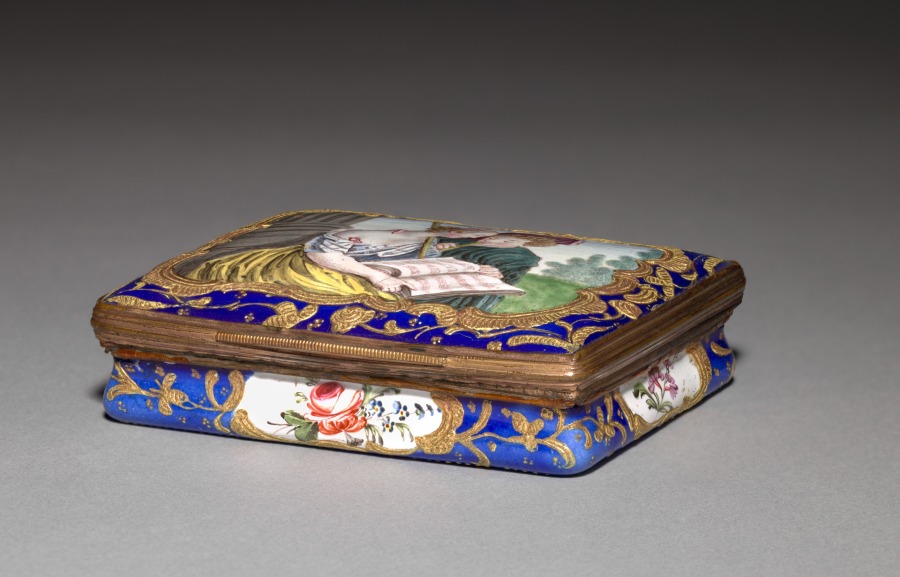
Snuff Box
Cleveland Museum of Art
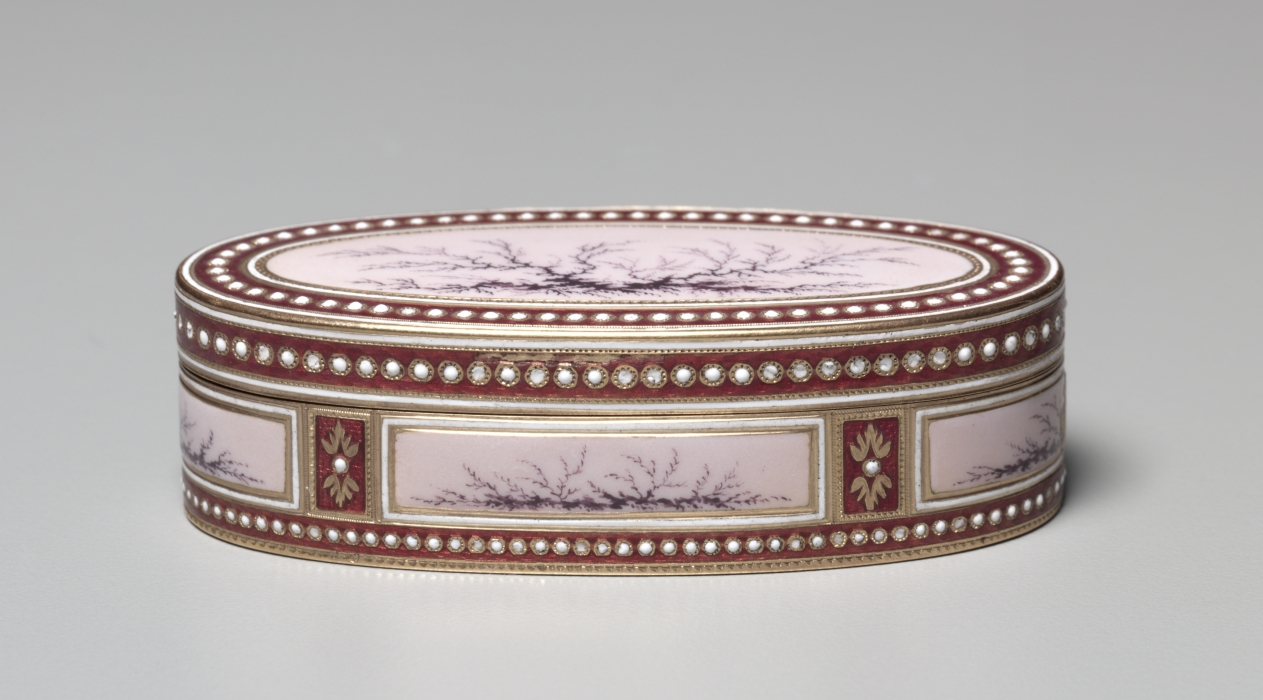
Snuff Box (Tabatière)
Cleveland Museum of Art
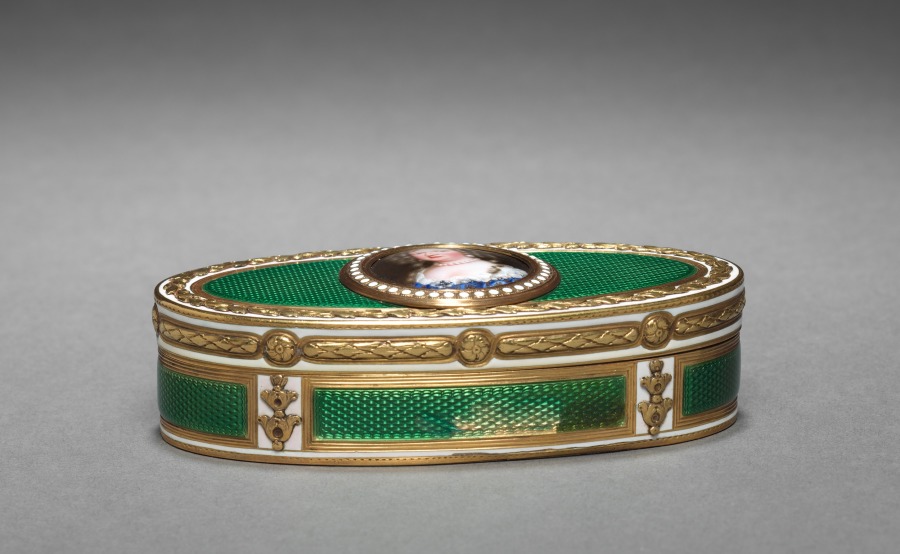
Snuff Box (Tabatière) with Portrait of Marie-Thérèse of Austria
Cleveland Museum of Art
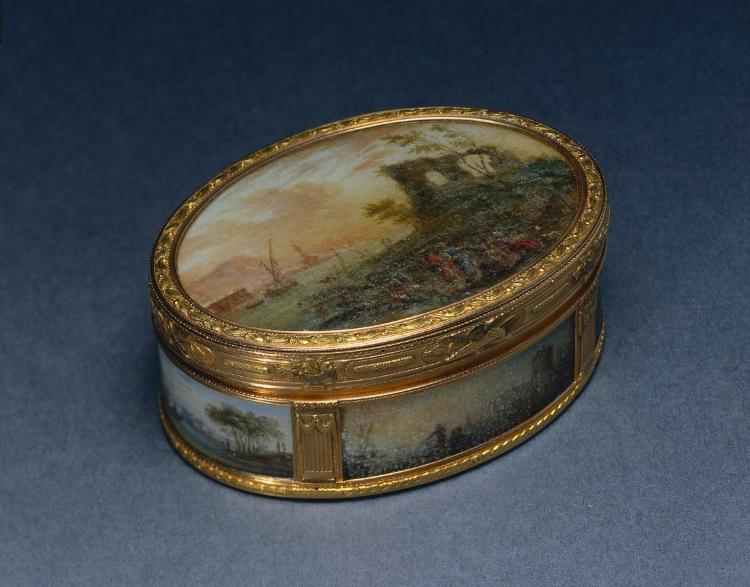
Snuff Box (Tabatière)
Cleveland Museum of Art
Snuff Box
Cleveland Museum of Art