
Cleveland Museum of Art
Club (Knobkerrie)
- Date
- late 1800s or early 1900s
- Medium
- Wood
- Culture
- Southern Africa, South Africa, Northern Ngun-style or Zulu-style maker
- Department
- African Art
- Institution
- Cleveland Museum of Art
Relatively short sticks historically used for hunting and fighting are customarily called knobkerries. A combination of Afrikaans and Shona words, the name refers to the characteristic spherical knob of wood (knop) or head atop a cylindrical shaft ( kirri ). The knobs on these were carved into a tight whorl and a compressed sphere with a central rib. Even though their basic shapes were derived from real weapons, many of these precious objects were rarely if ever used as such. Highly personal, they instead functioned as ceremonial display items or regalia, symbolizing the masculinity and prowess of their owner. The term knobkerrie refers to a characteristic spherical knob of wood or head atop a cylindrical shaft.
The authoritative record is held by Cleveland Museum of Art. LinkedCulture surfaces this object and its connections; it does not alter institutional metadata.
Related across collections
Semantically similar works from Cleveland Museum of Art and other institutions.

Club (Knobkerrie)
Cleveland Museum of Art
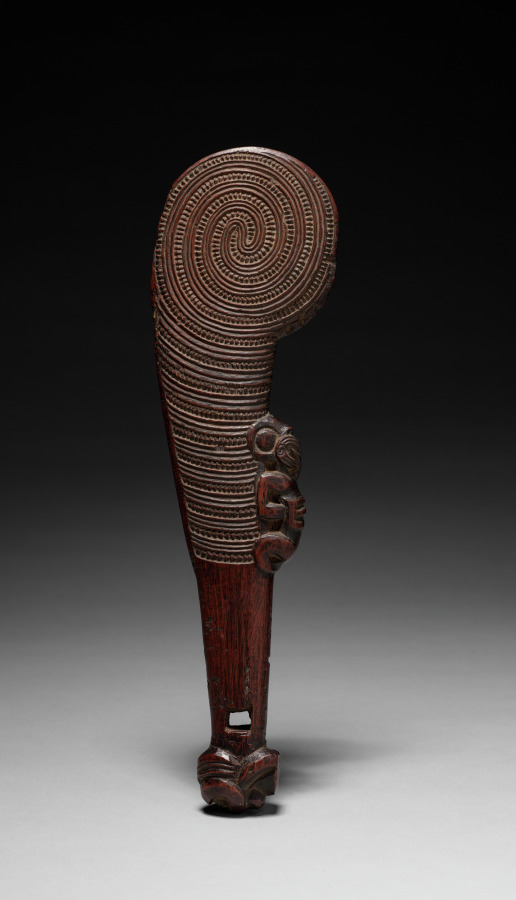
Short Club (Wahaika)
Cleveland Museum of Art
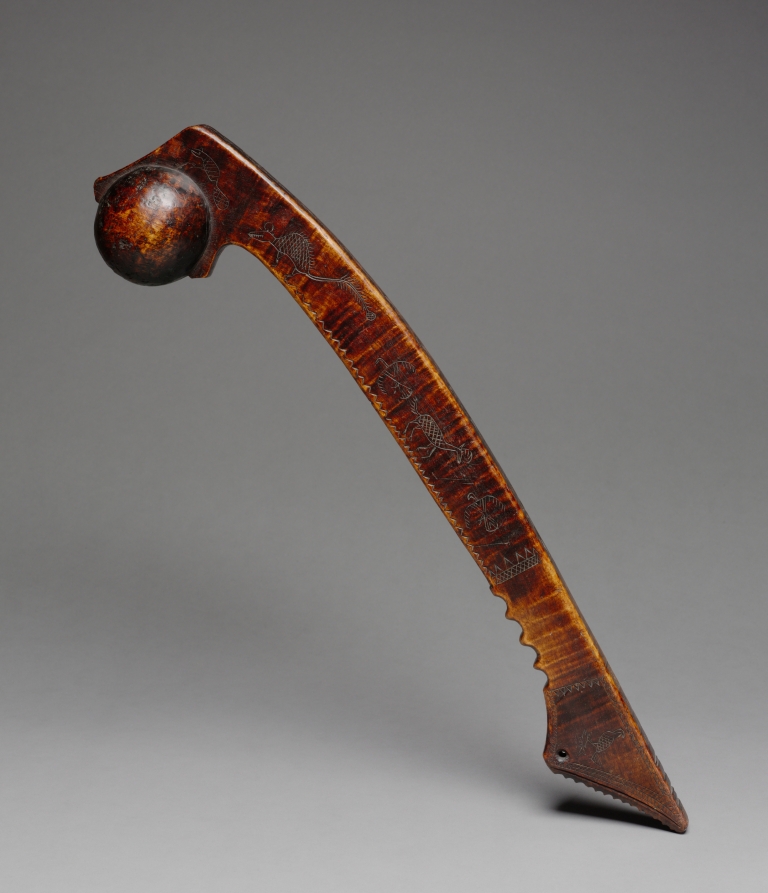
Ball-Headed War Club
Cleveland Museum of Art

Crocodile Head Club (moungalaulau)
Minneapolis Institute of Art
Club
Cleveland Museum of Art
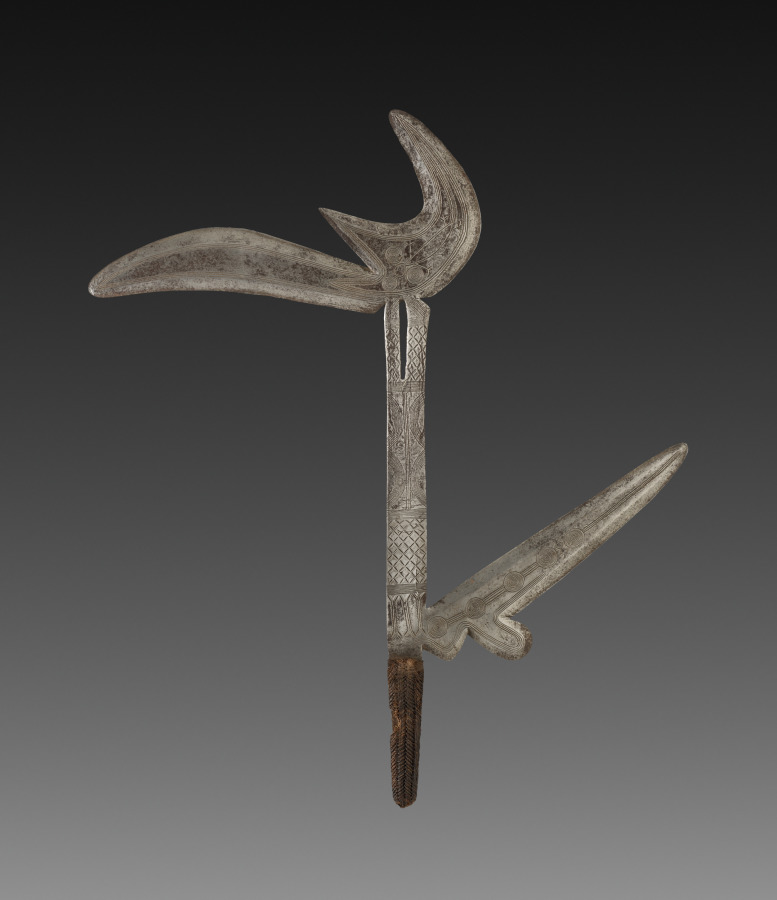
Throwing Knife / Prestige Scepter (pingha)
Cleveland Museum of Art
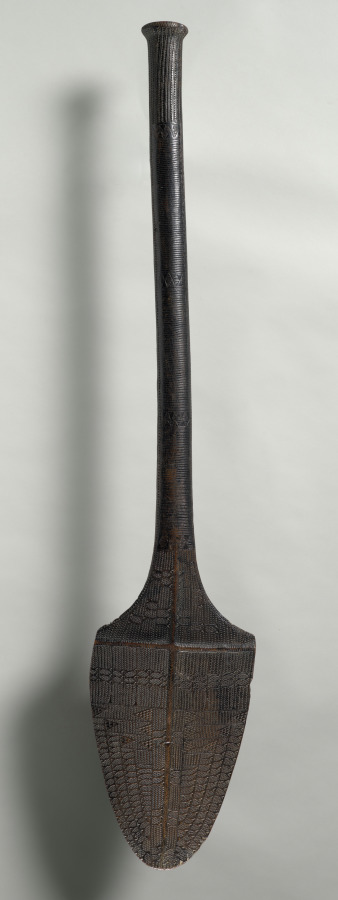
Club
Cleveland Museum of Art
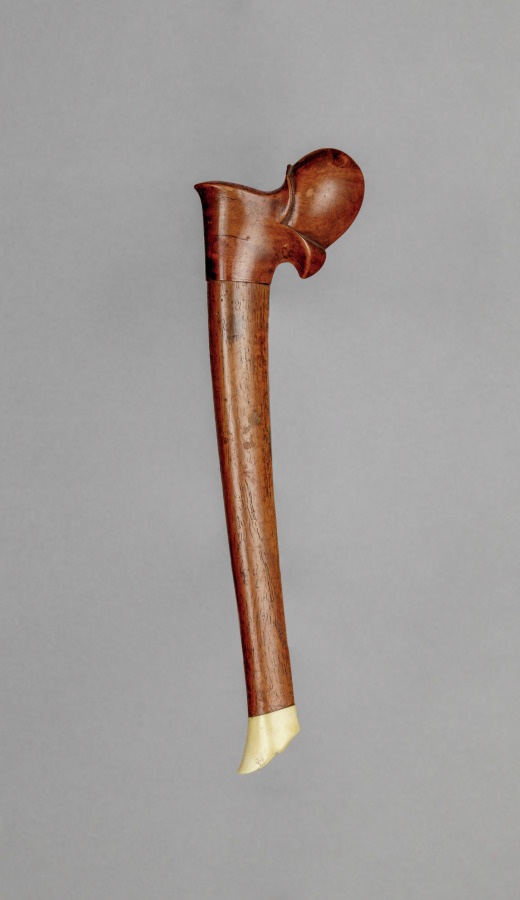
Wood Scabbard for a Knife (Kris)
Cleveland Museum of Art

Mere Pounamu
Minneapolis Institute of Art
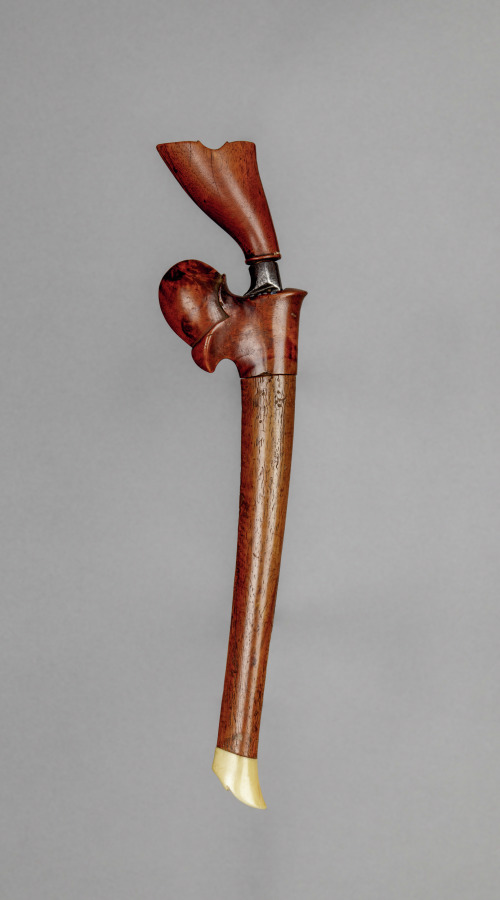
Knife (Kris) and Wood Scabbard
Cleveland Museum of Art
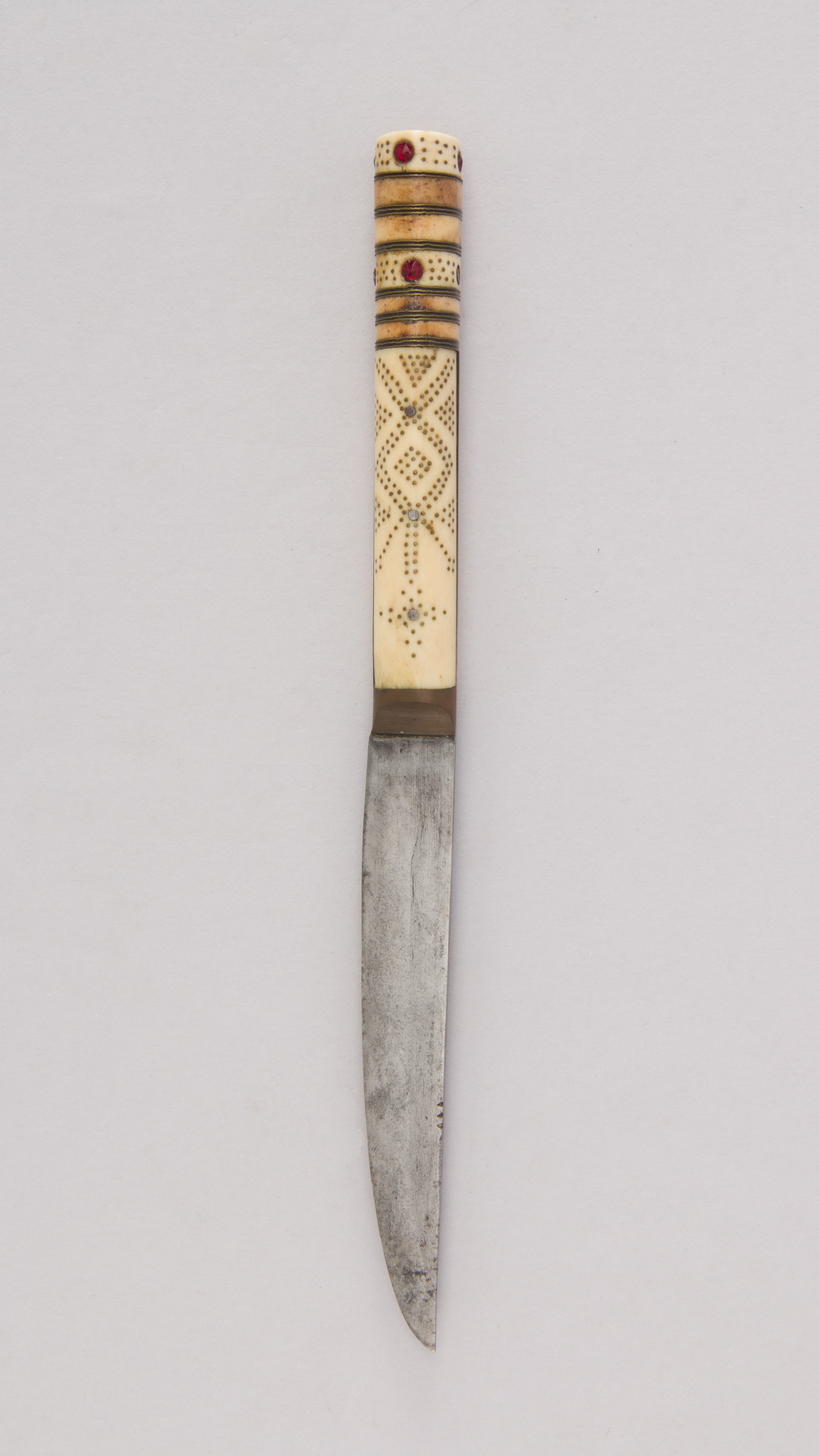
Knife
The Metropolitan Museum of Art

Dance Club (gugu)
Minneapolis Institute of Art