Cleveland Museum of Art
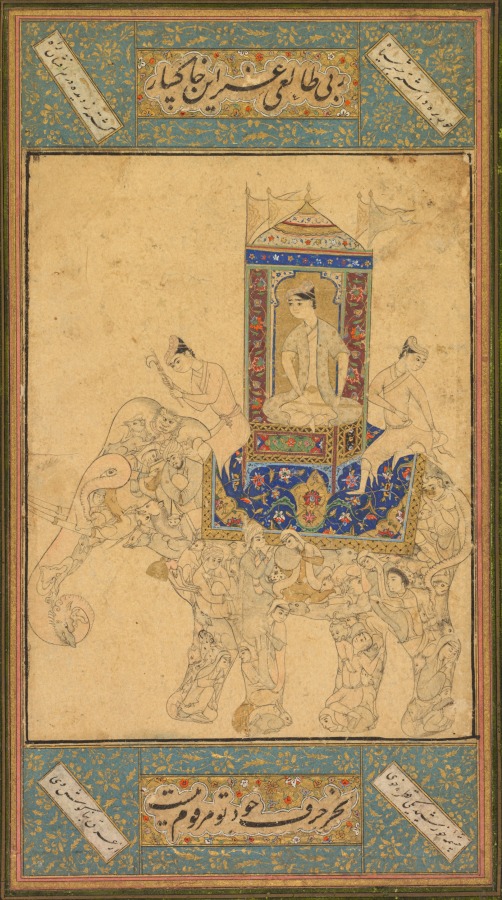
A prince riding a composite elephant
- Date
- c. 1590
- Medium
- Gum tempera, ink, and gold on paper
- Culture
- India, Golconda, Deccan, 16th century
- Department
- Indian and Southeast Asian Art
- Institution
- Cleveland Museum of Art
A prince sits cross-legged in a covered howdah seat secured to the back of a royal elephant with golden rings on its tusks. The elephant is being driven by attendants, one of whom holds a goad. Artists in the southern Indian region known as the Deccan expanded upon Persian practices of embedding creatures in landscape scenes—like a visual double-entendre—and created inventive images of composite creatures made up of figures that invite extended close looking. This painting would have been mounted in an album that was brought out for entertainment in elite intimate gatherings. Two lions share one head at the top of the elephant’s head.
The authoritative record is held by Cleveland Museum of Art. LinkedCulture surfaces this object and its connections; it does not alter institutional metadata.
Related across collections
Semantically similar works from Cleveland Museum of Art and other institutions.
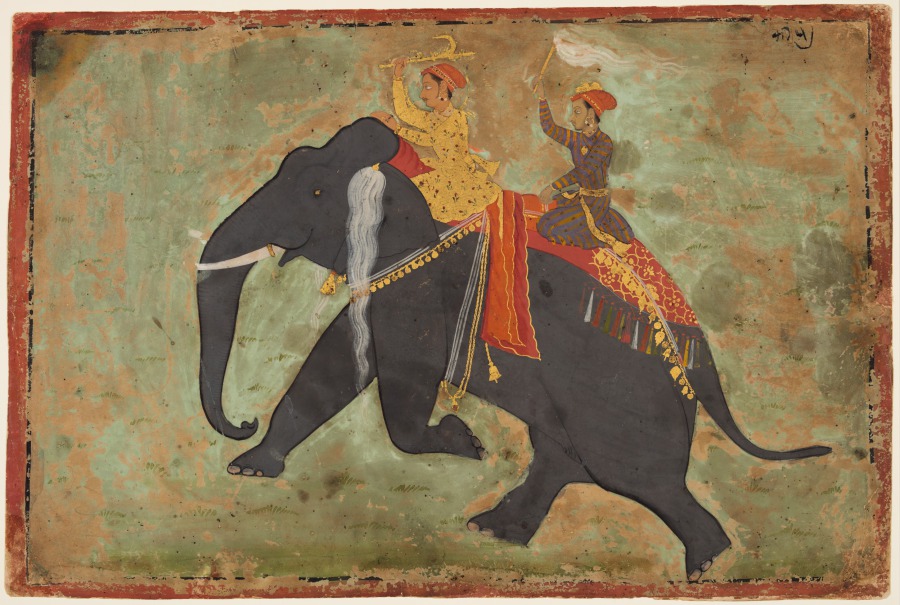
Prince Amar Singh (1672–1710) Drives His Own Elephant
Cleveland Museum of Art
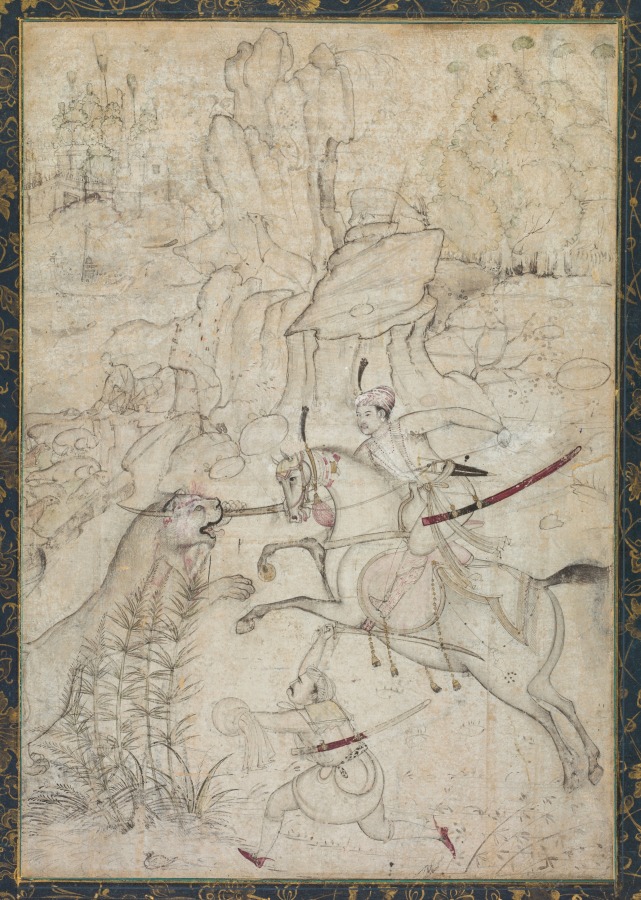
A Mounted Prince Hunting Lion in a Rocky Landscape
Cleveland Museum of Art
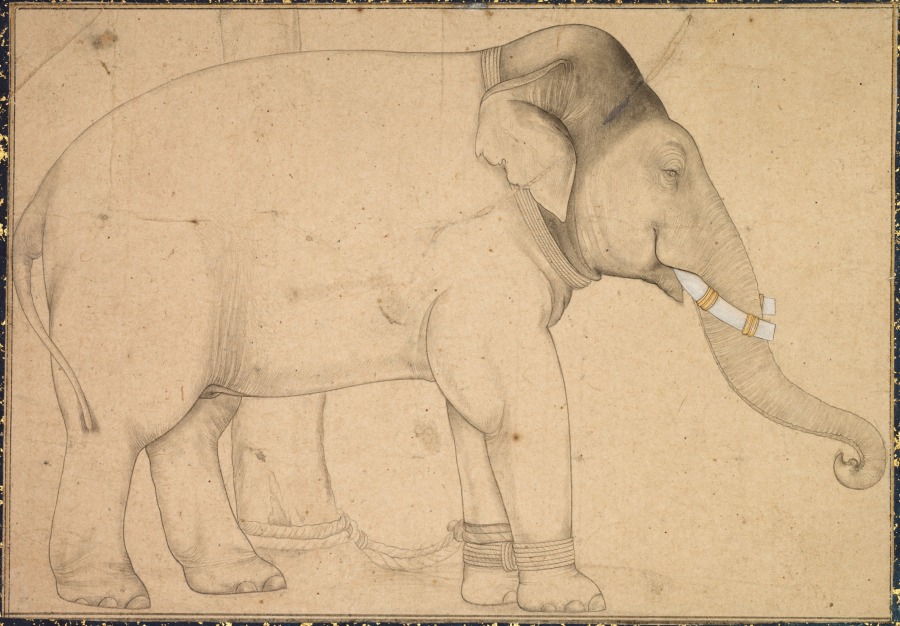
Drawing of an Elephant
Cleveland Museum of Art
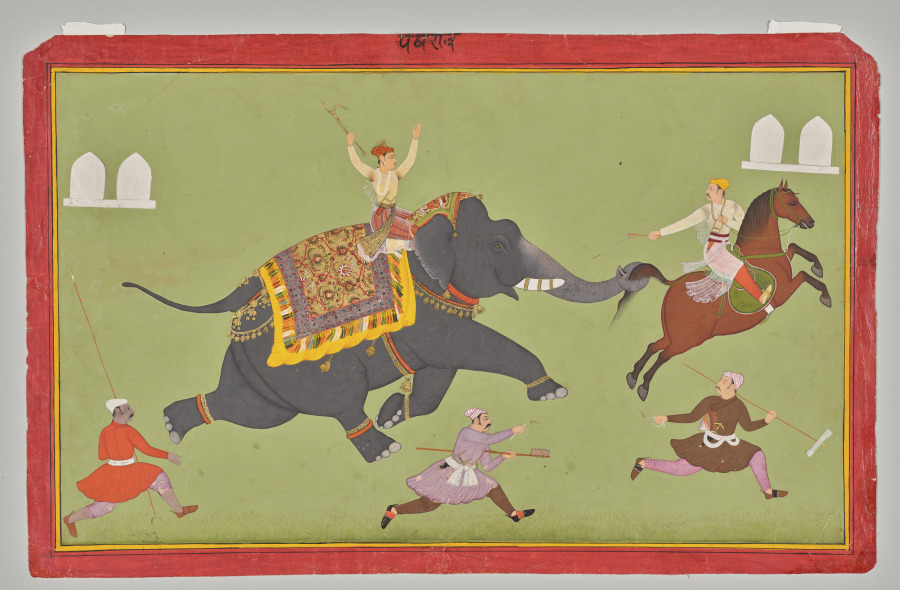
The Elephant of Maharana Jai Singh of Mewar (r. 1680–98) Catches a Horse by the Tail
Cleveland Museum of Art
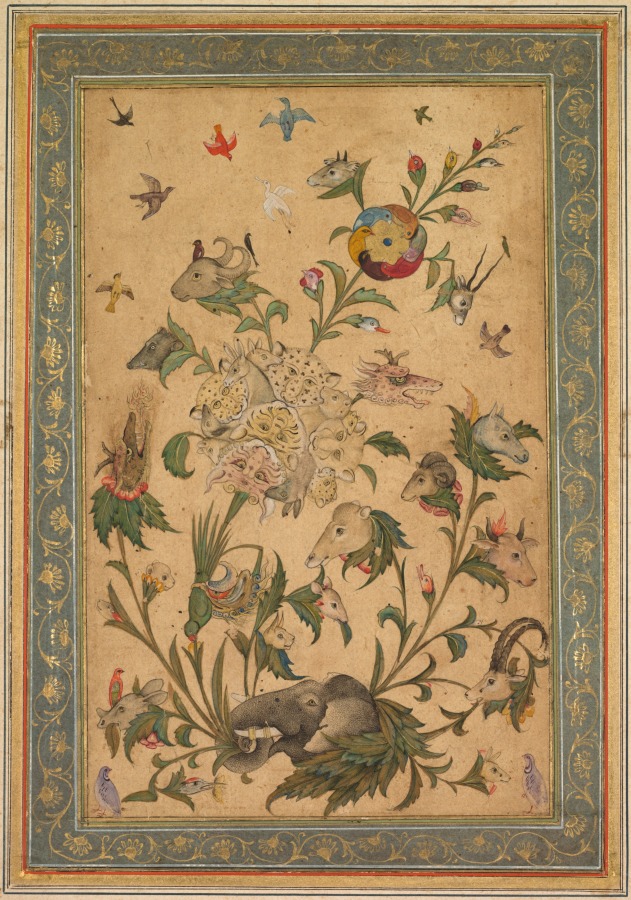
A floral fantasy of animals and birds (Waq-waq)
Cleveland Museum of Art
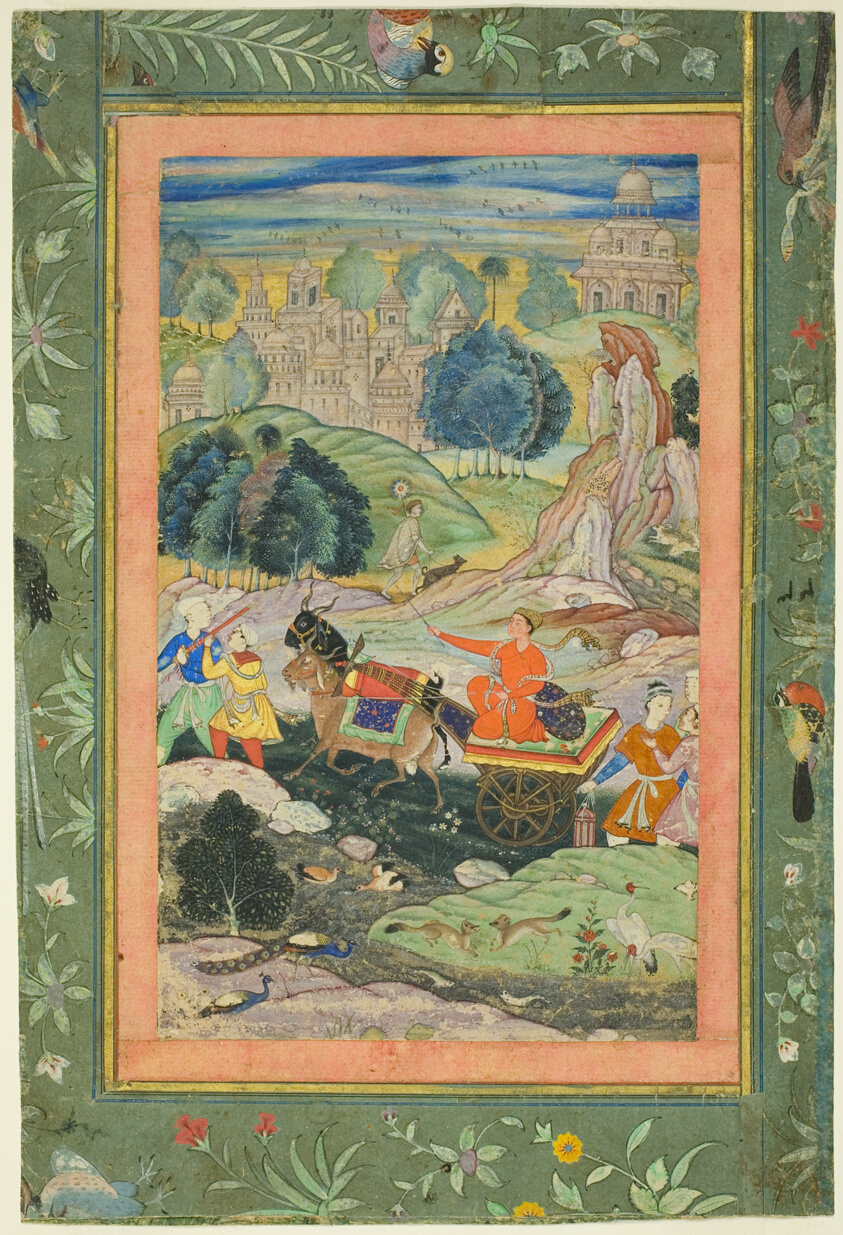
Prince Riding in Chariot Drawn by Goats
Art Institute of Chicago
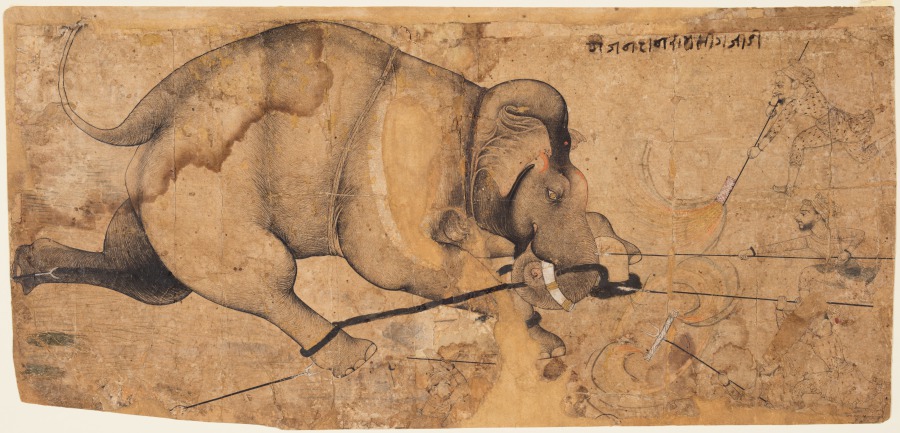
Rao Ram Singh I’s Elephant Gone Amok
Cleveland Museum of Art
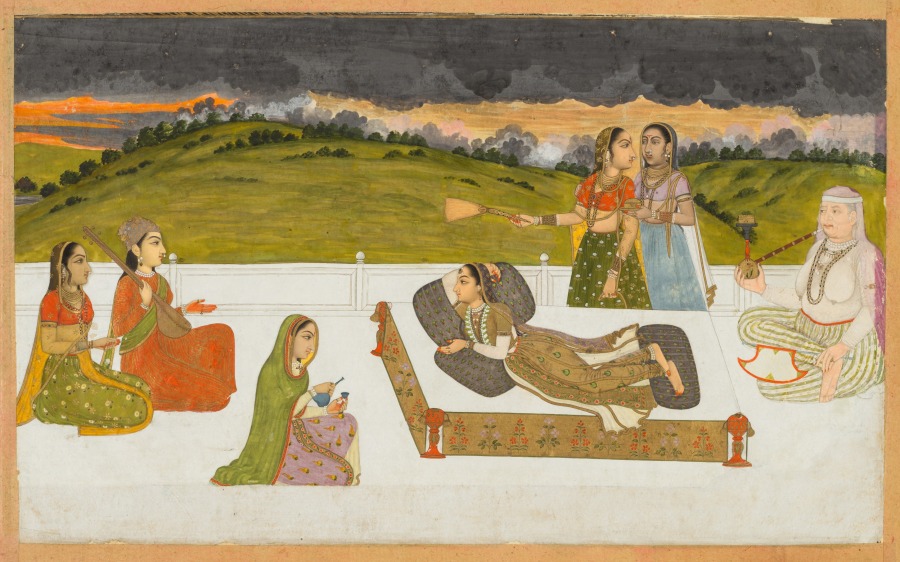
A princess reclining on a terrace with attendants
Cleveland Museum of Art
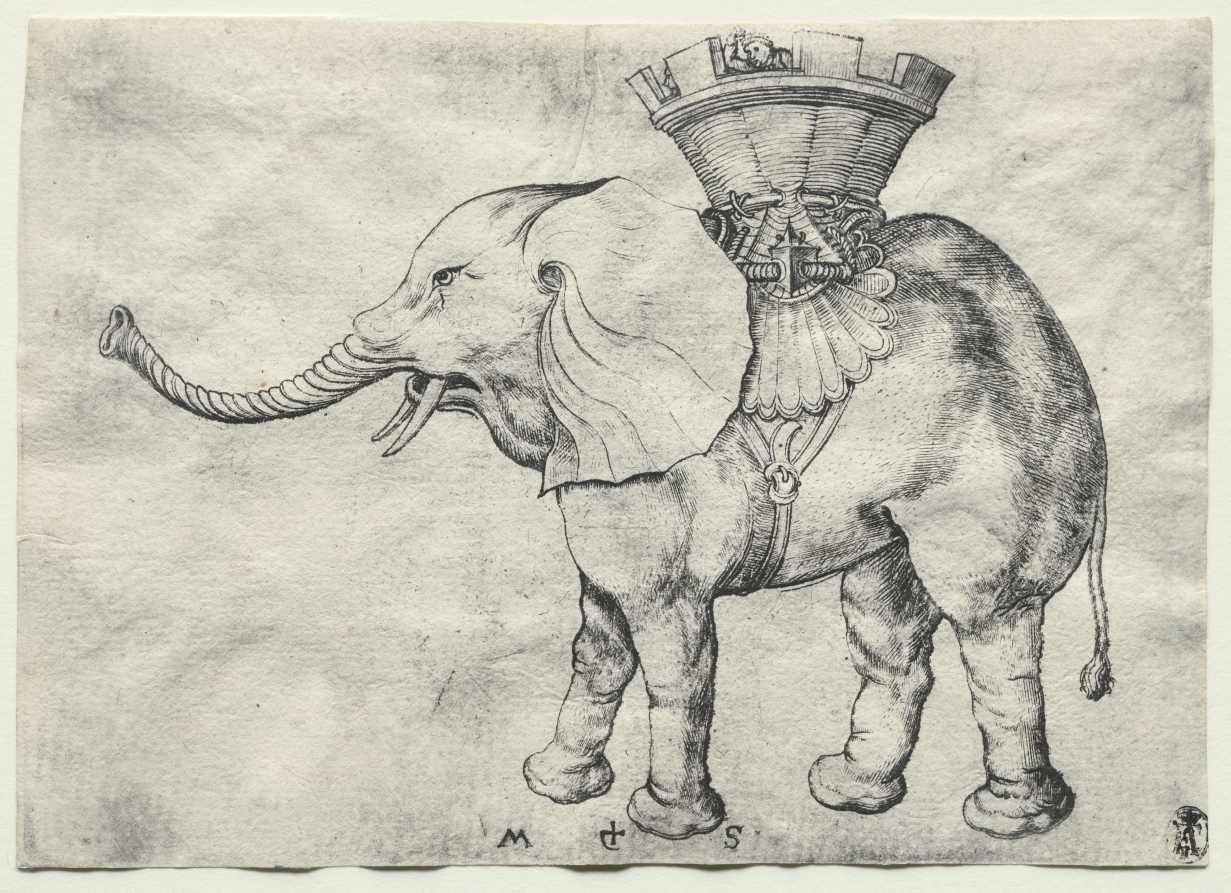
An Elephant with Howdah
Cleveland Museum of Art
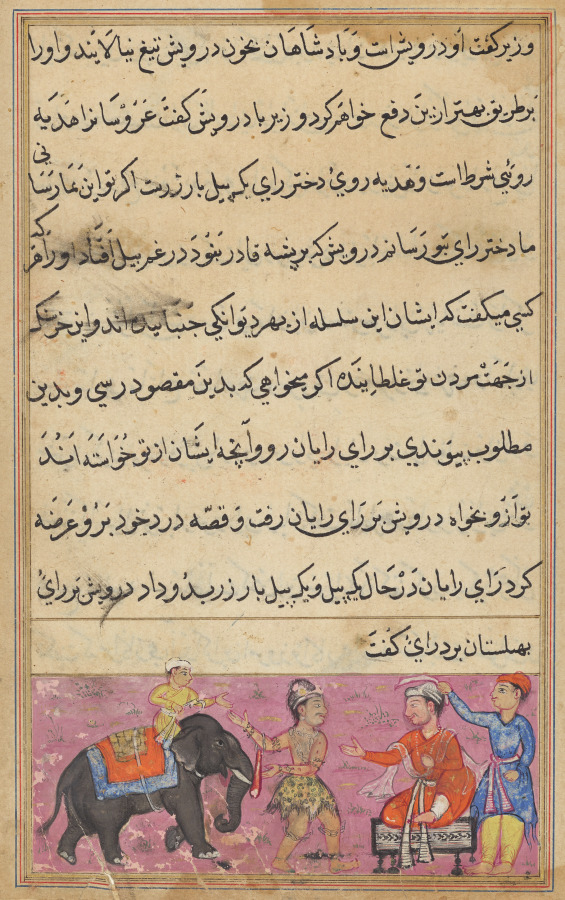
The dervish brings in as dowry an elephant laden with gold, from a Tuti-nama (Tales of a Parrot): Seventh Night
Cleveland Museum of Art
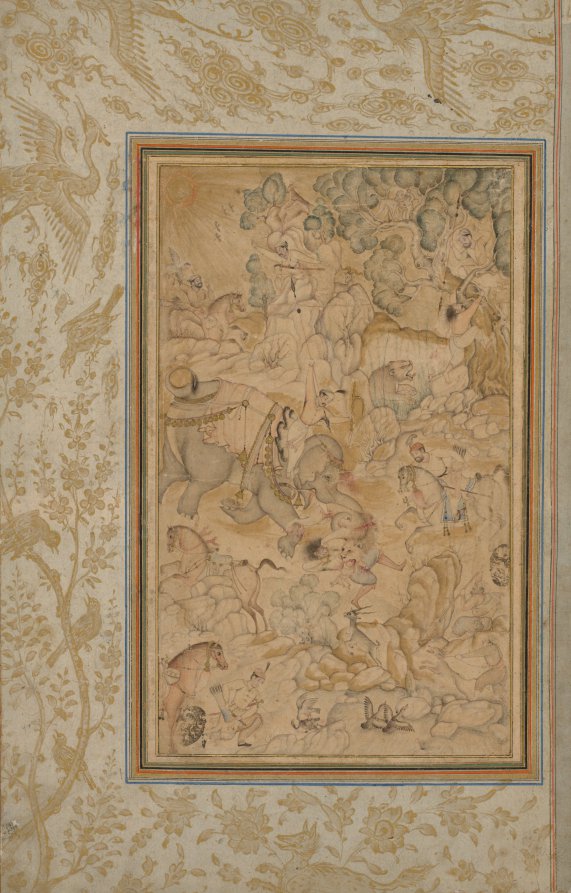
Princes hunting in a rocky landscape
Cleveland Museum of Art
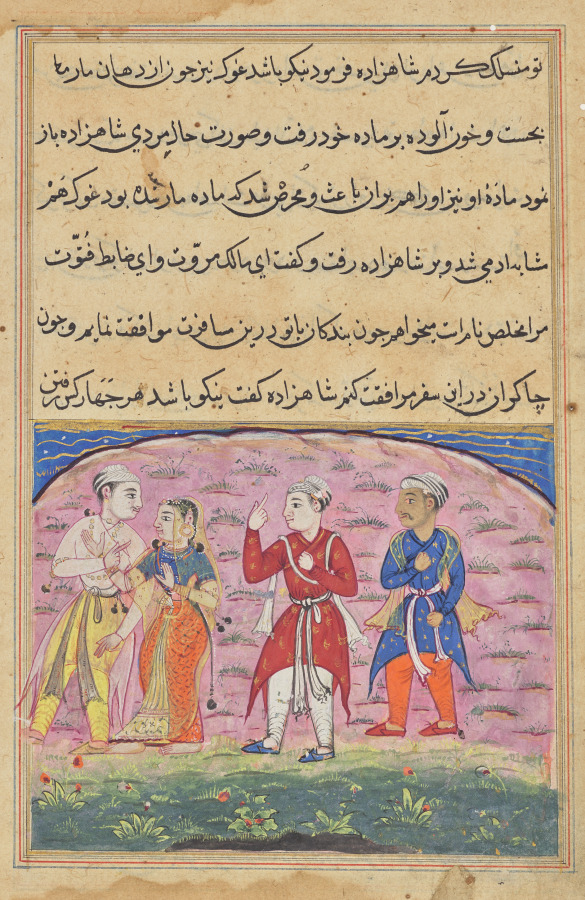
The prince and Nikfal are joined by Khalis and the Mukhlis who are the grateful snake and frog in human form, from a Tuti-nama (Tales of a Parrot): Eighteenth Night
Cleveland Museum of Art