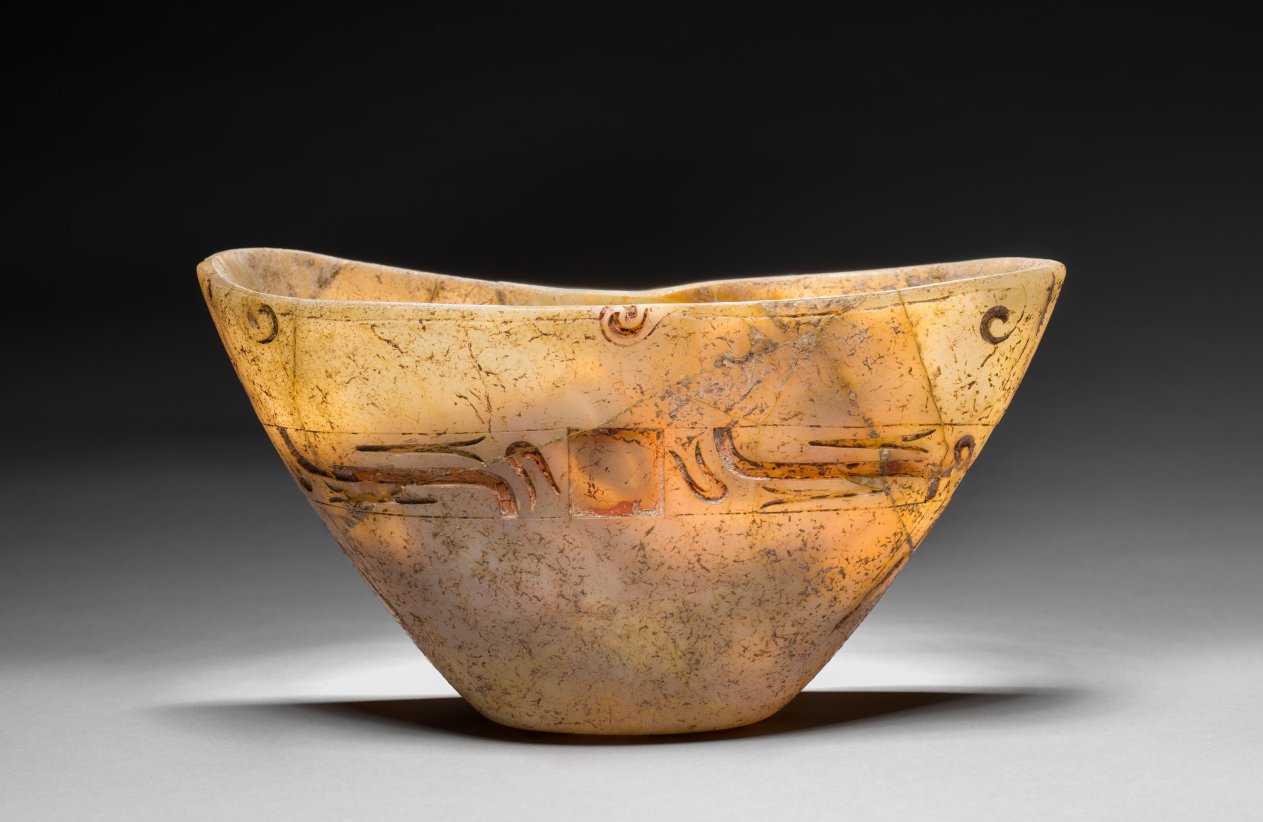
Cleveland Museum of Art
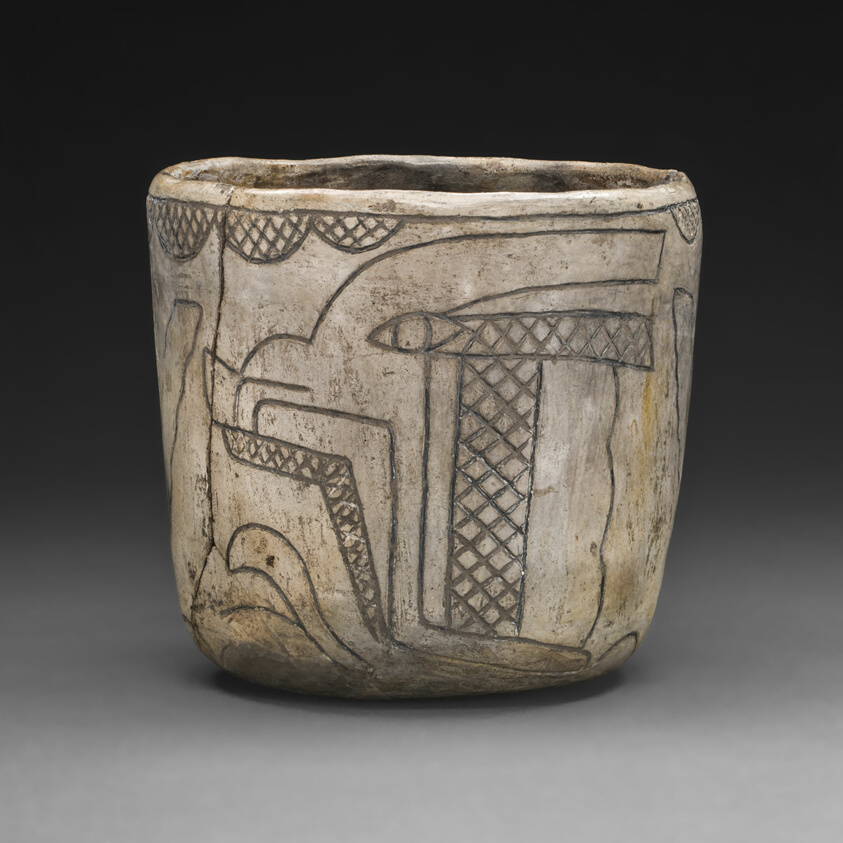
Carved Bowl
- Date
- 1200–300 BCE
- Medium
- stone (travertine)
- Culture
- Mesoamerica, reportedly the Tepecoacuilco River Valley, Guerrero, Olmec style (1200-300 BC), Formative Period
- Department
- Art of the Americas
- Institution
- Cleveland Museum of Art
Containers made of translucent white travertine, known among the later Aztecs as tecali , are rare in Olmec artistic production. The shape of this elegant example, its rim pinched inward at the center, may refer to a squash. The meaning of the deeply carved abstract motifs, which retain traces of red pigment, is unknown. The bowl is said to have been found in a burial cache that included an Olmec figurine, a hematite mirror, and jade ornaments in Guerrero, Mexico. Travertine is a type of limestone deposit commonly found in caves and hot springs.
The authoritative record is held by Cleveland Museum of Art. LinkedCulture surfaces this object and its connections; it does not alter institutional metadata.
Related across collections
Semantically similar works from Cleveland Museum of Art and other institutions.
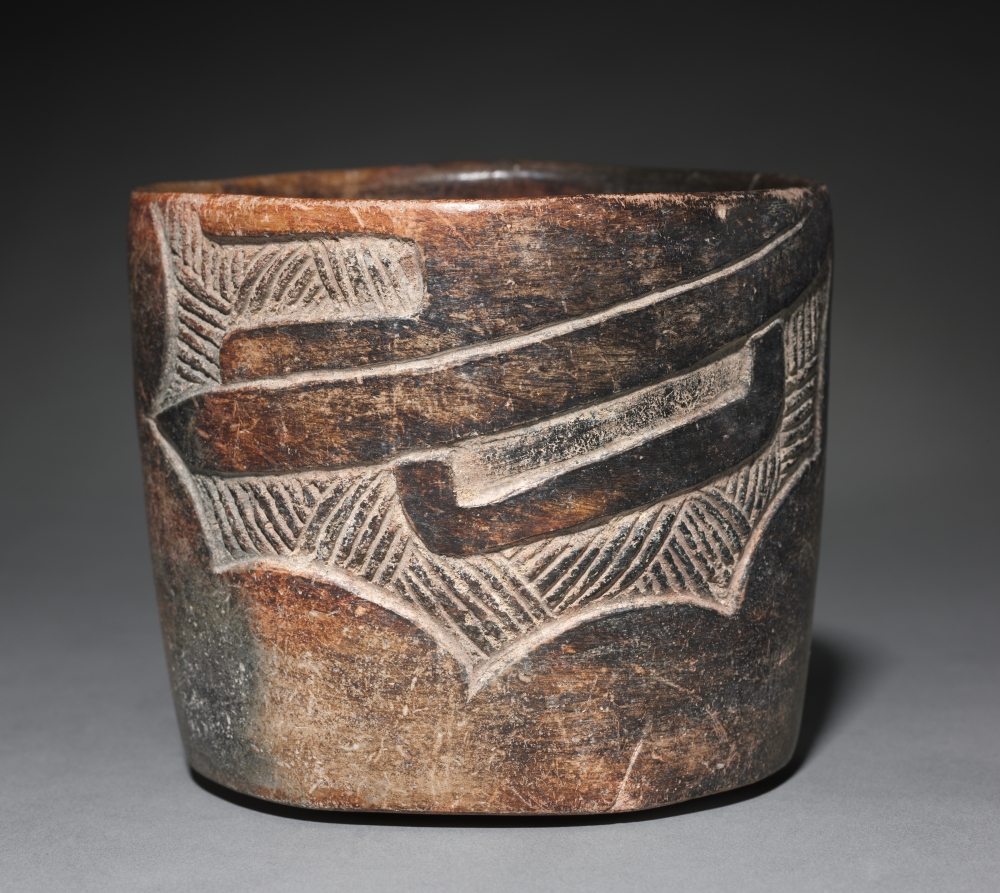
Carved Bowl
Cleveland Museum of Art
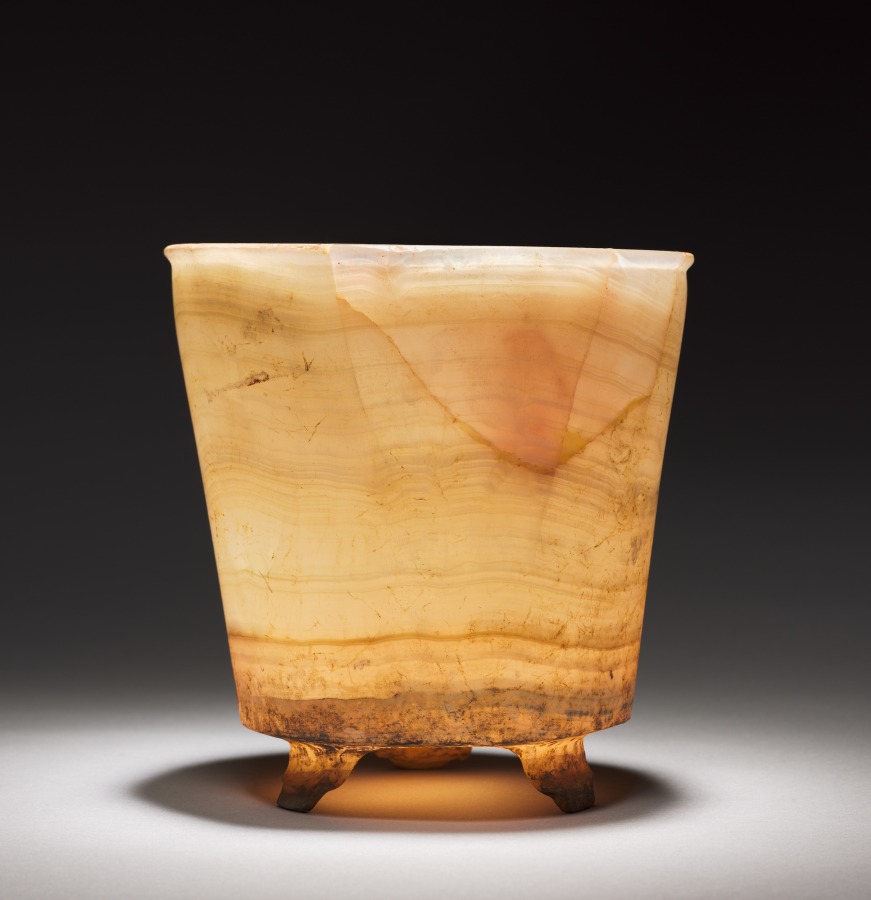
Offering Group
Cleveland Museum of Art
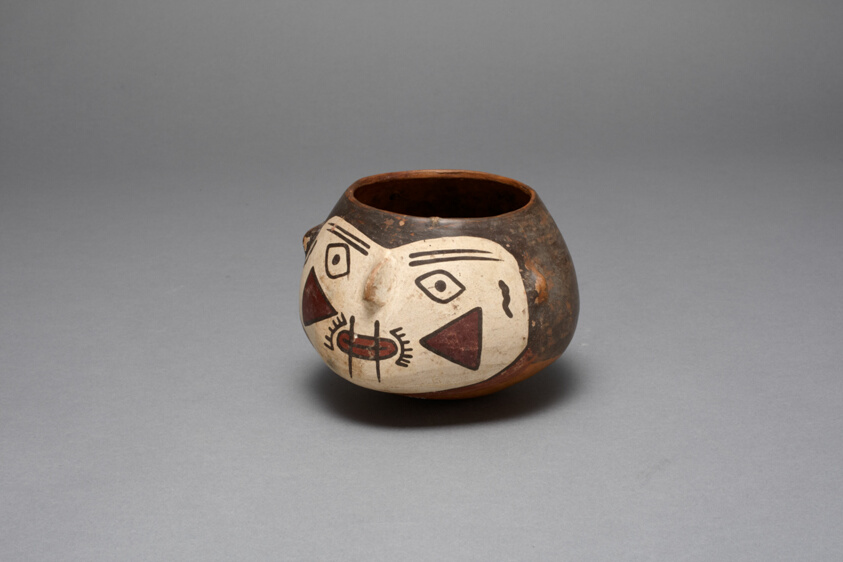
Bowl Depicting a Decapitated Trophy Head
Art Institute of Chicago
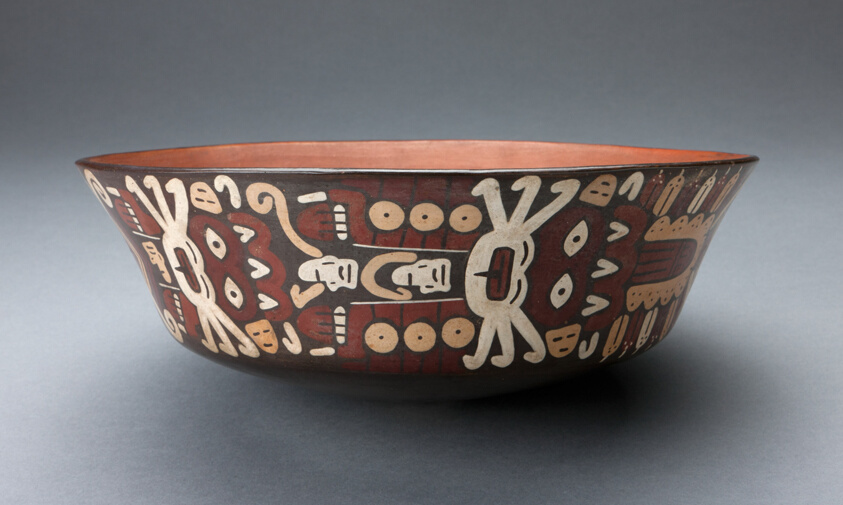
Bowl Depicting Costumed Ritual Peformers in Horizontal Row
Art Institute of Chicago
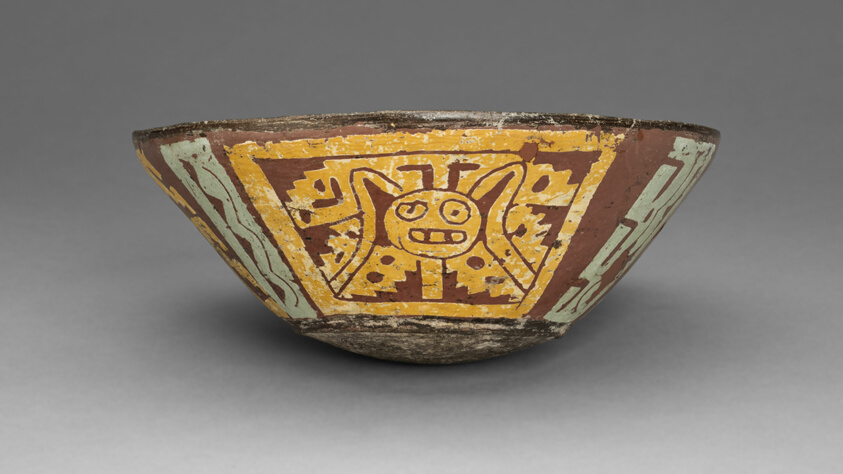
Bowl with Abstract and Geometric Designs
Art Institute of Chicago
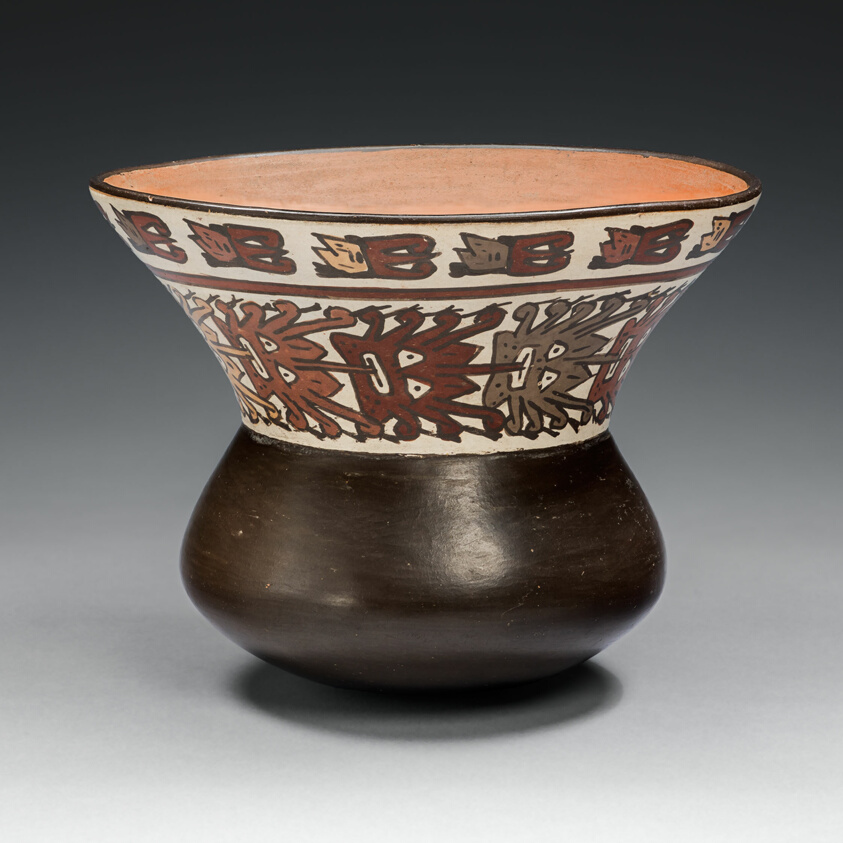
Wide-Necked Bowl with Rows of Abstract Masks and Trophy Heads
Art Institute of Chicago
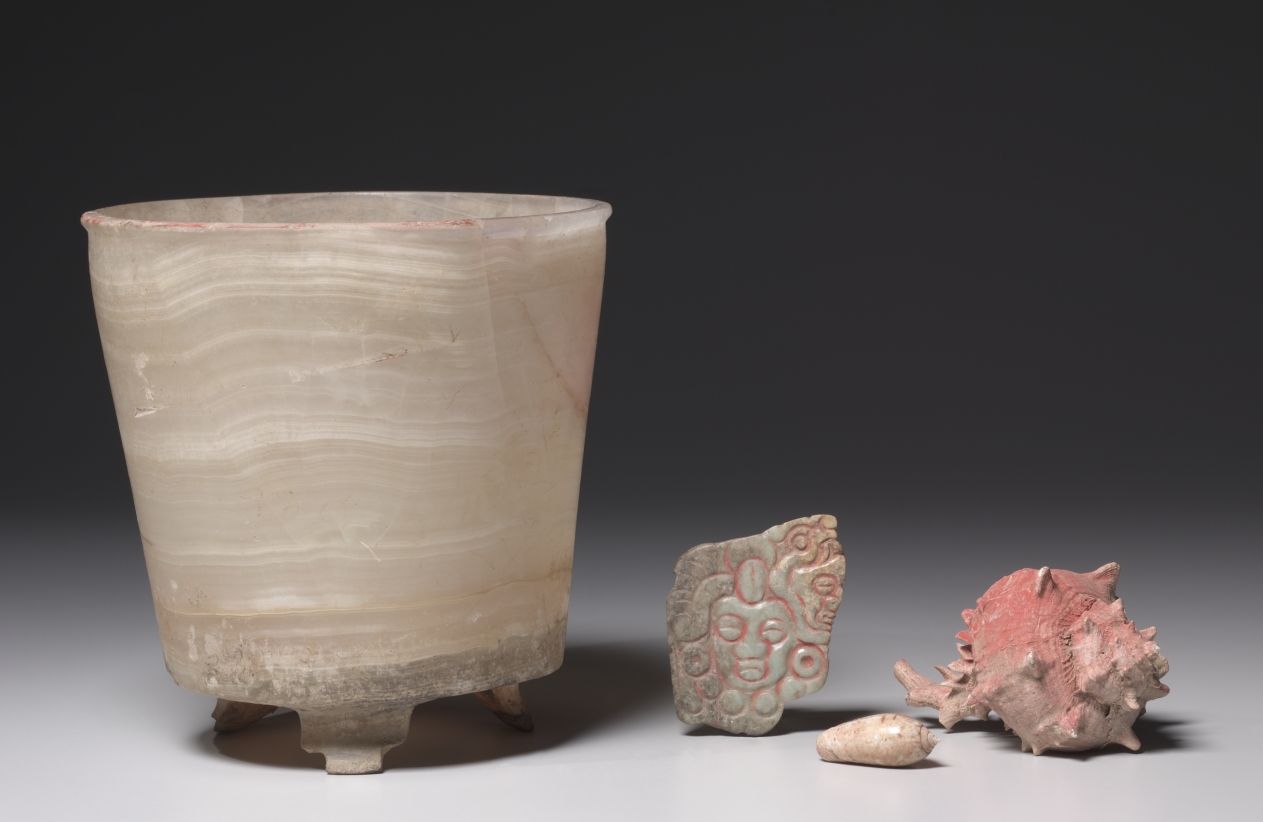
Offering Group: Vessel
Cleveland Museum of Art
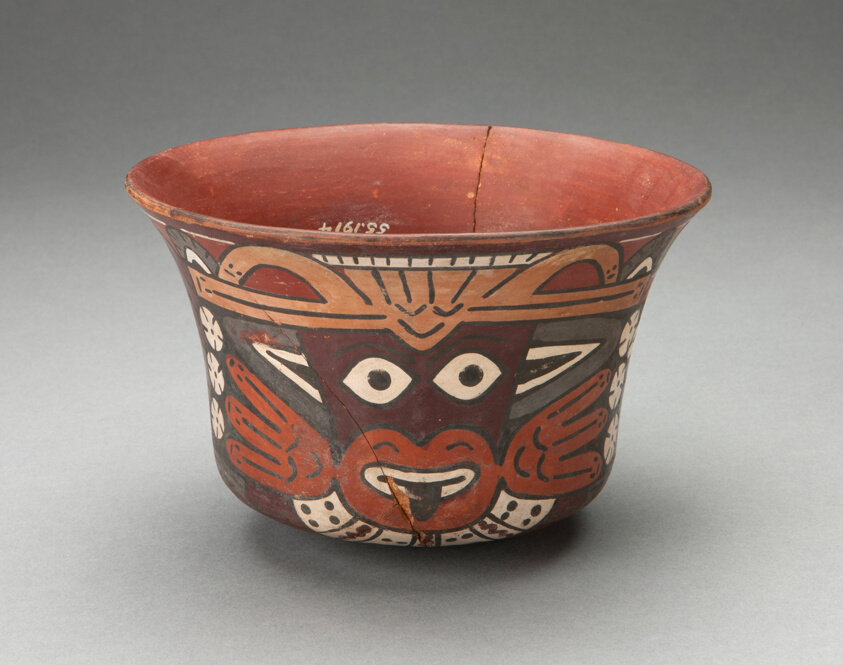
Bowl Depicting Costumed Ritual Performer
Art Institute of Chicago
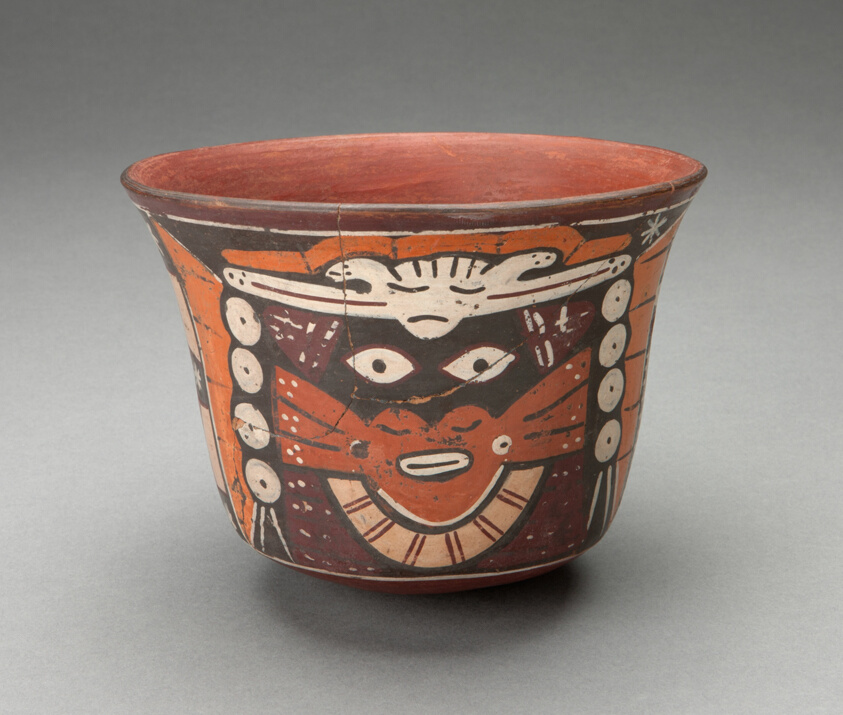
Bowl Depicting Costumed Ritual Performer
Art Institute of Chicago
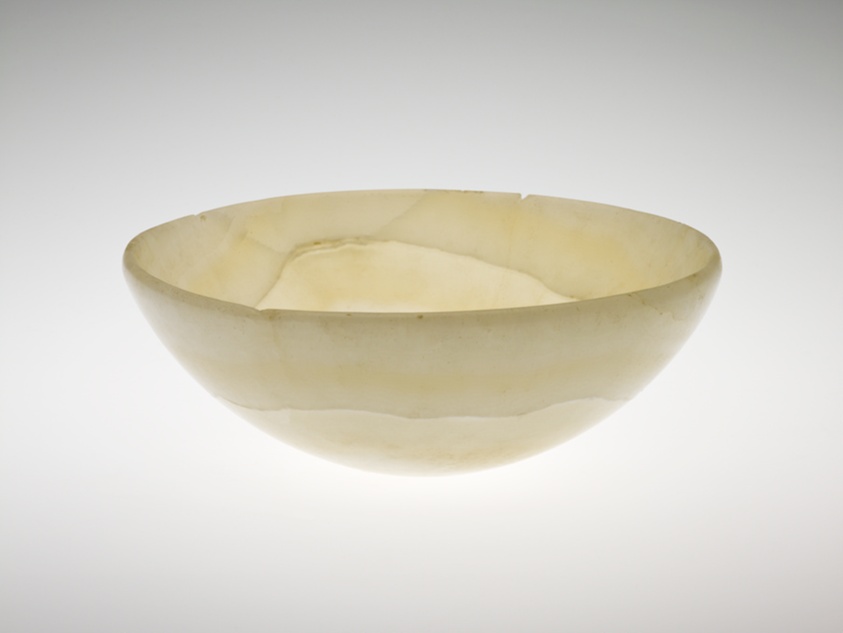
Bowl
Art Institute of Chicago
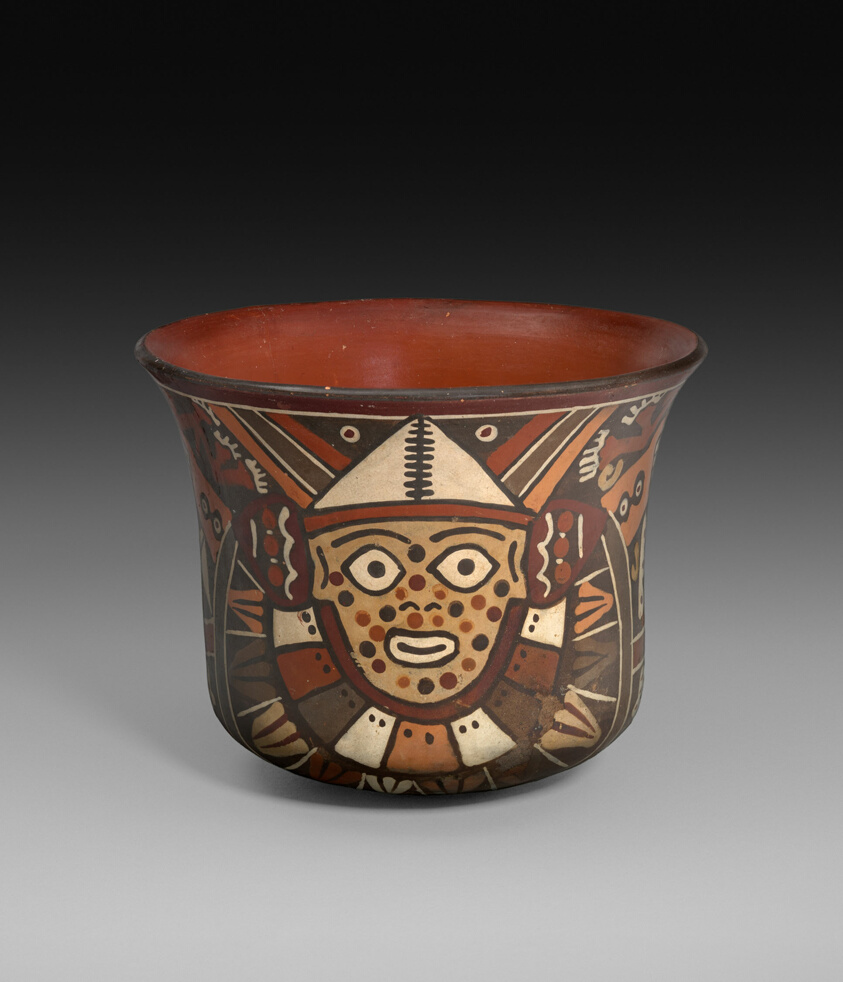
Bowl Depicting a Harvest-Festival Figure
Art Institute of Chicago
Cup with Profile Head of the Maize God
Art Institute of Chicago