Cleveland Museum of Art
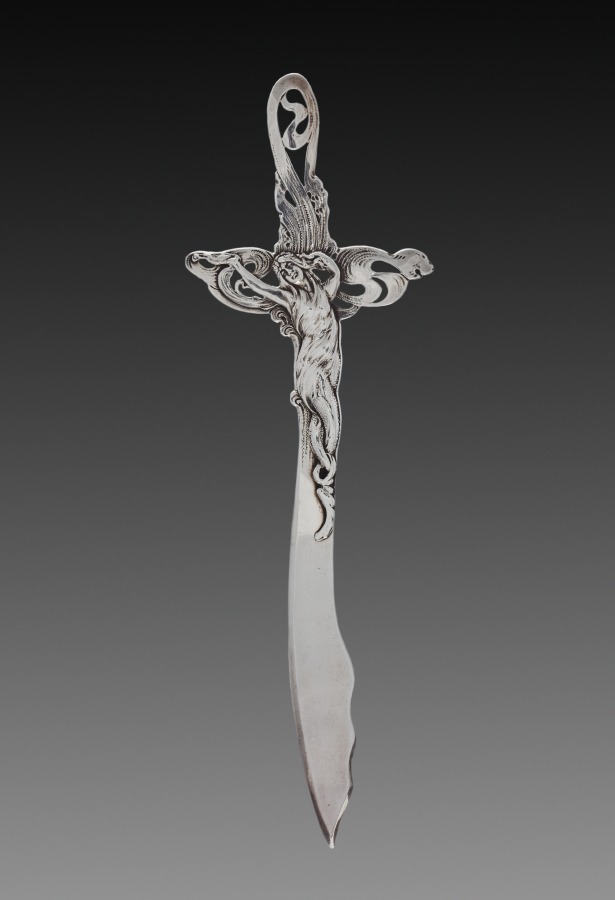
Paper Knife
George W. Shiebler & Co.
- Date
- c. 1900
- Medium
- silver
- Culture
- America, late 19th-early 20th century
- Department
- Decorative Art and Design
- Institution
- Cleveland Museum of Art
During the 1890s a new style emerged that reflected naturalistic and symbolic motifs found in Japanese and other Asian design. This movement rejected the historicism that had dominated architecture and design during the previous decades and took hold across Europe and America too. In France the style was known as "Art Nouveau," after the name of the gallery belonging to its chief proponent Siegfried Bing, the Maison de L'Art Nouveau (House of the New Art). This paper knife by the American silver company George W. Shiebler & Co. typifies Art Nouveau style with its flowing lines enveloping a young woman, revered as the ideal natural beauty. The composition resolves into a pointed dagger, suggesting a tragic end to life itself. Art Nouveau reached its apex at the 1900 world's fair in Paris, which was intended to herald the new century with a new style of art. However, critics and consumers alike soon rejected Art Nouveau as too sentimental in favor of newer motifs and styles as the moment passed. By 1905 it was all but forgotten. This expressive Art Nouveau paper knife, or letter opener, was sold by the Cleveland jeweler Cowell and Hubbard around 1900.
The authoritative record is held by Cleveland Museum of Art. LinkedCulture surfaces this object and its connections; it does not alter institutional metadata.
Related across collections
Semantically similar works from Cleveland Museum of Art and other institutions.
Paper Knife
Cleveland Museum of Art
Paper Knife from a Sewing Box (Nécessaire)
Cleveland Museum of Art
Paper Knife
Cleveland Museum of Art
Paper Knife
Cleveland Museum of Art
Designs for a Hand Mirror
Cleveland Museum of Art
Paper Knife from a Writing Set
Cleveland Museum of Art
Dessert Knife
Cleveland Museum of Art
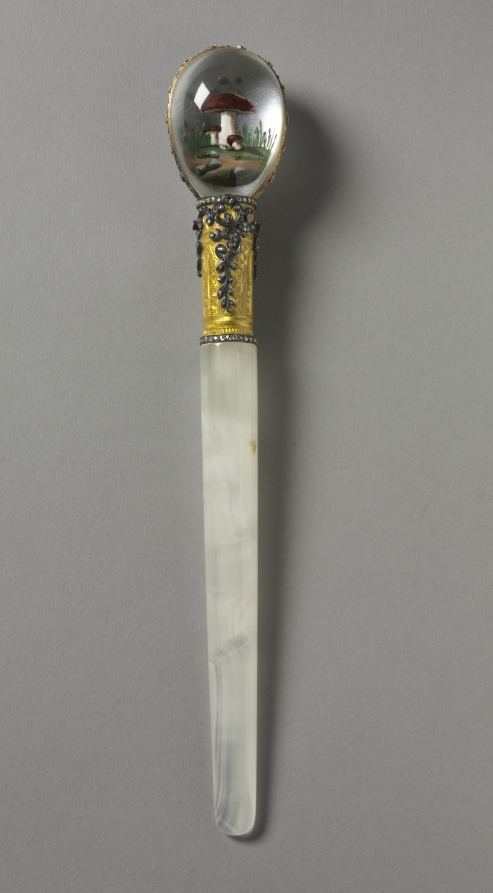
Paper Knife
Cleveland Museum of Art
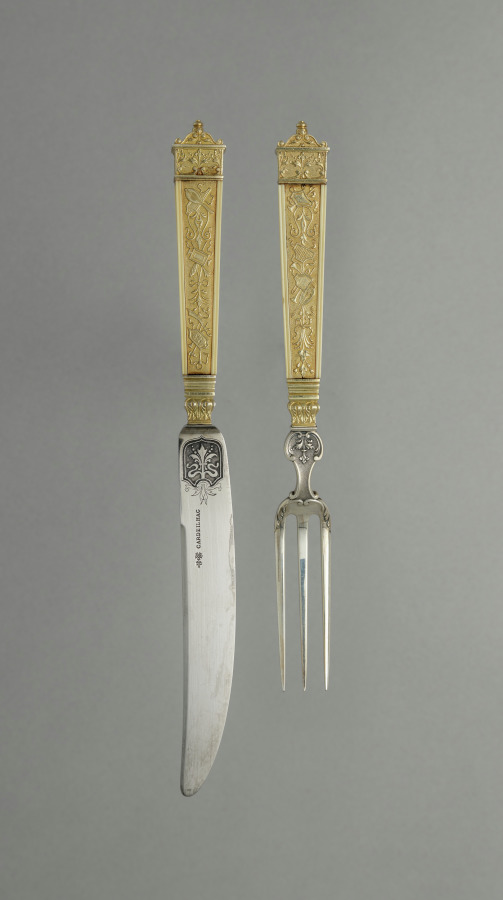
Dessert Knife and Fork
Cleveland Museum of Art
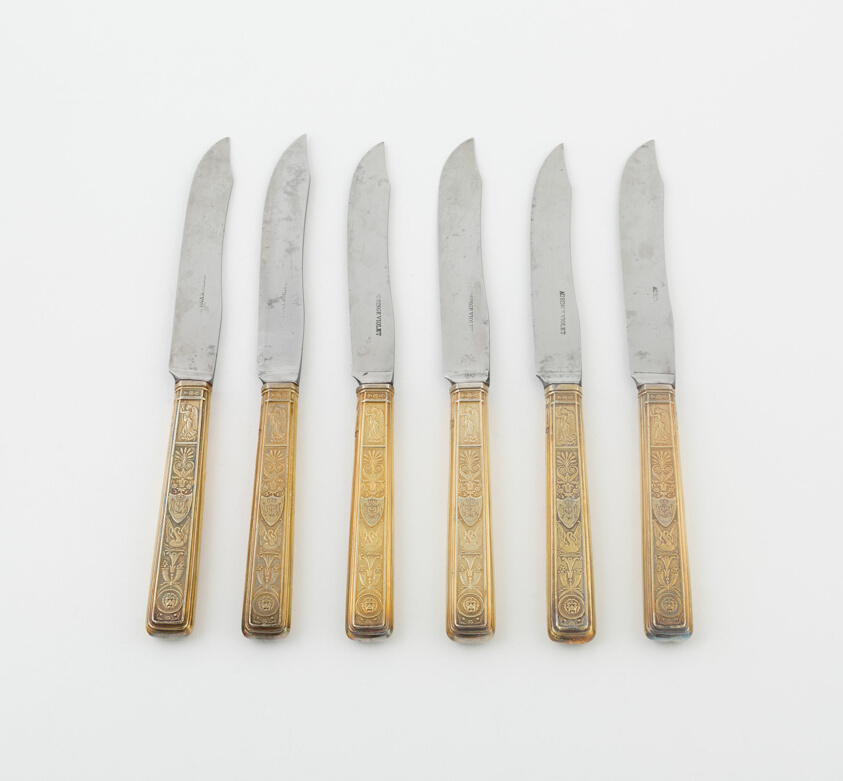
Dessert Knives (2)
Art Institute of Chicago
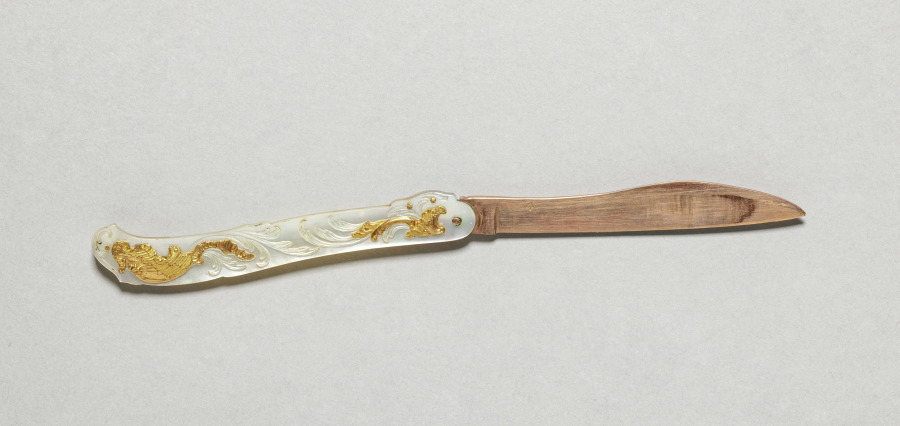
Pen Knife from a Sewing Box (Nécessaire)
Cleveland Museum of Art

Cake Knife and Server
Minneapolis Institute of Art