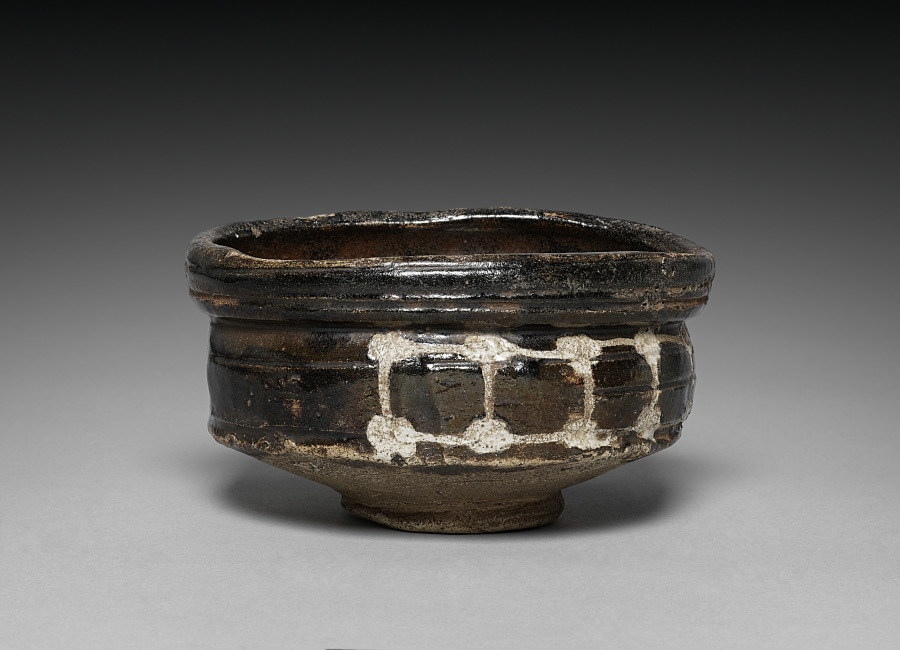
Cleveland Museum of Art
Clog-shaped Teabowl
- Date
- early 1600s
- Medium
- Glazed stoneware (Mino ware, Oribe type)
- Culture
- Japan, Momoyama period (1573–1615)
- Department
- Japanese Art
- Institution
- Cleveland Museum of Art
Tea gatherings are fundamental to Japanese culture. Teabowls like this one are the most important objects used in tea practice. Its oblong shape and bold abstract designs are the signature style of the time period in which it was produced. That style is called Oribe, named for the tea master who championed the aesthetic. Oribe is a government position. It means the person in charge of textiles.
The authoritative record is held by Cleveland Museum of Art. LinkedCulture surfaces this object and its connections; it does not alter institutional metadata.
Related across collections
Semantically similar works from Cleveland Museum of Art and other institutions.
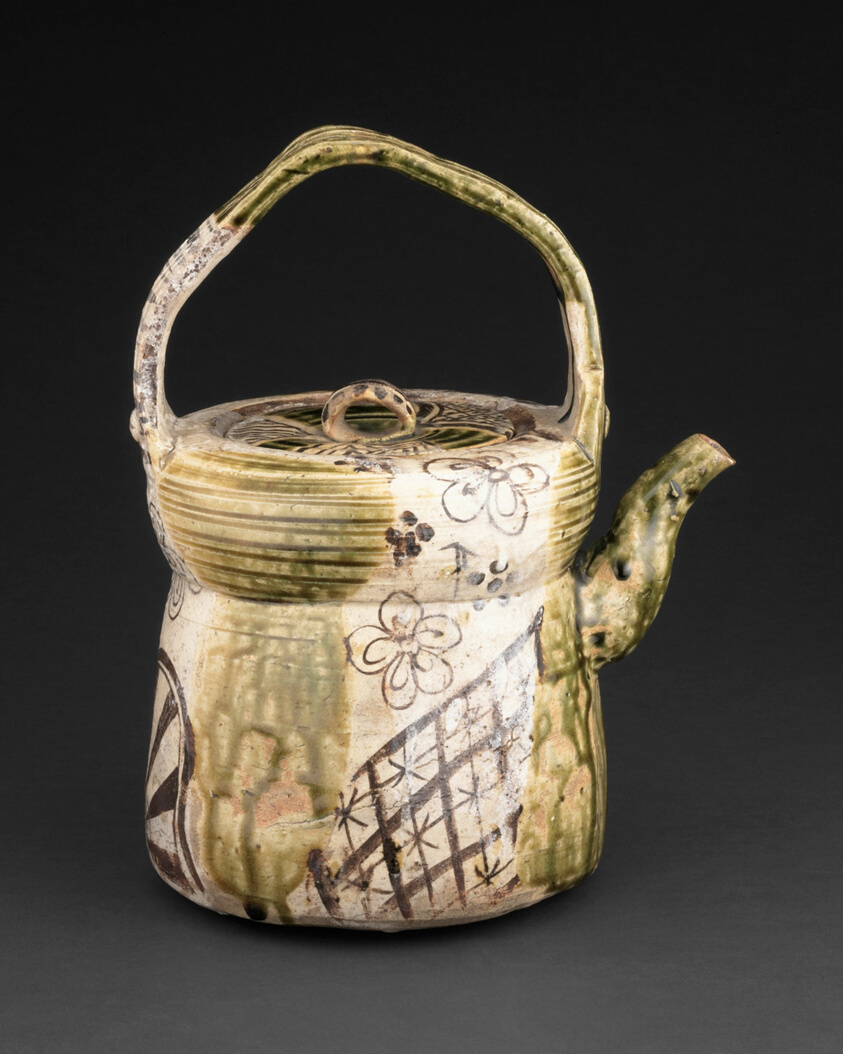
Oribe-Type Ewer
Art Institute of Chicago
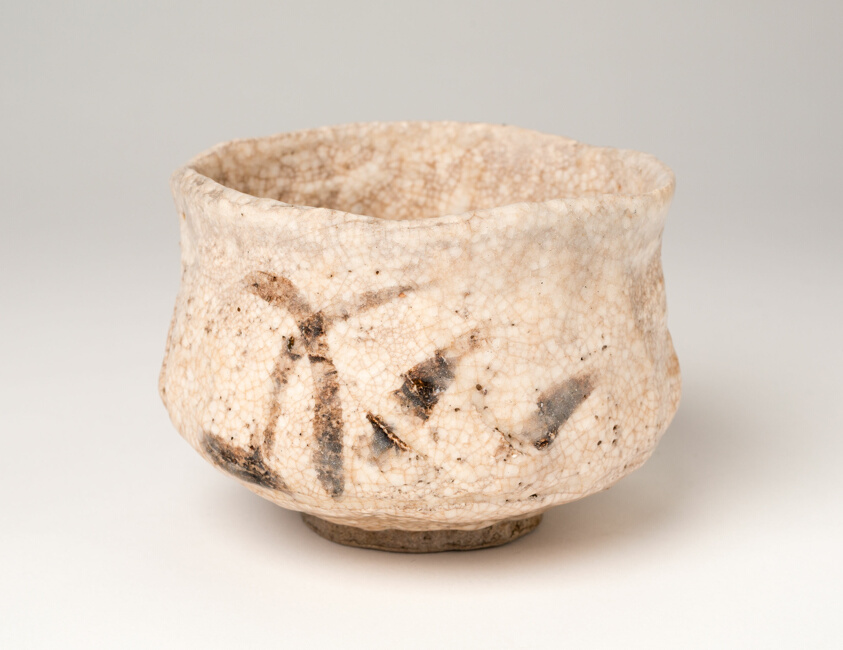
Tea Bowl
Art Institute of Chicago
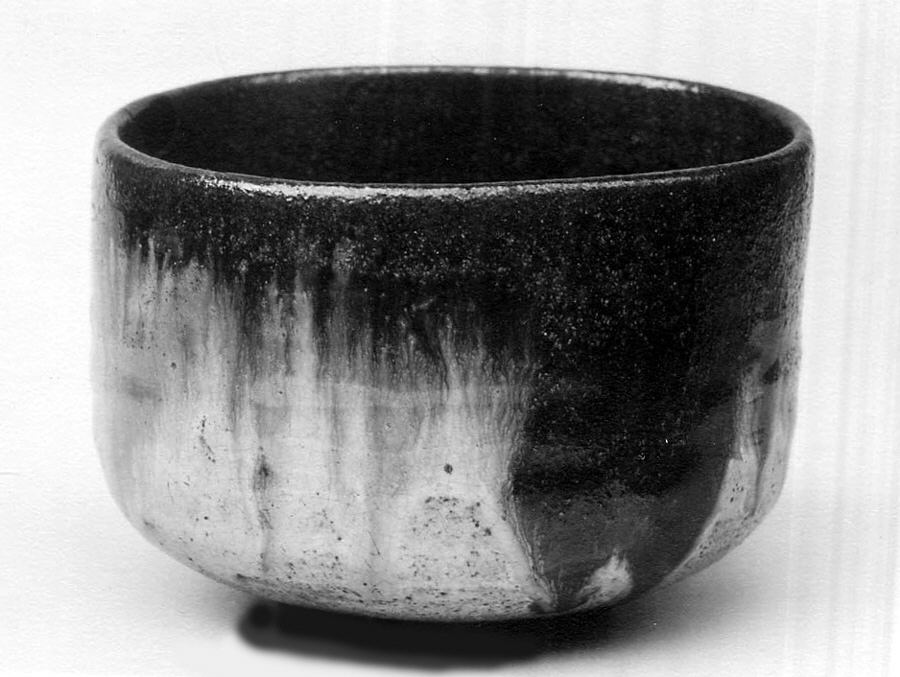
Teabowl
The Metropolitan Museum of Art
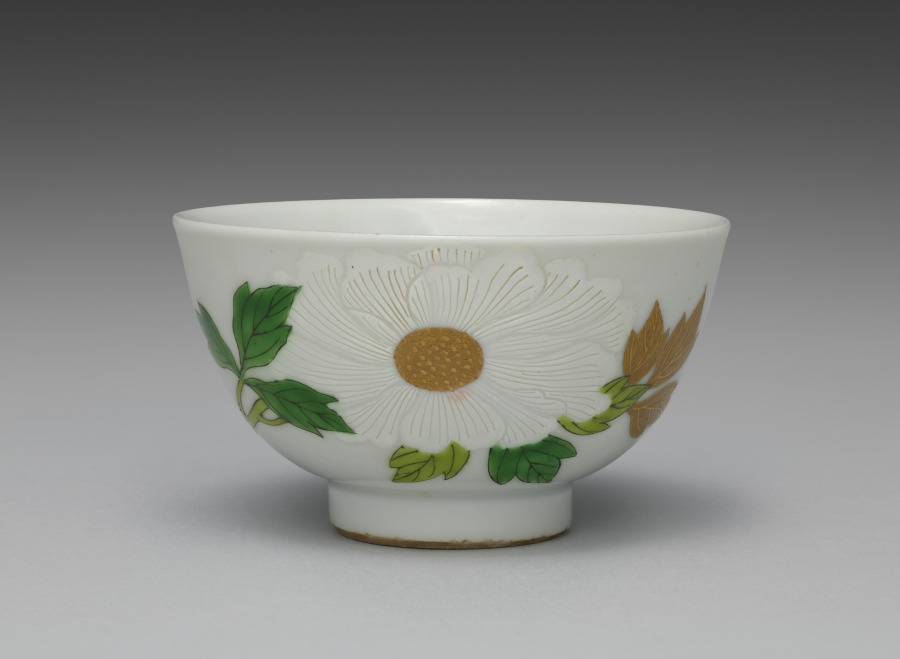
Teabowl from Teabowls with Peony and Crabapple
Cleveland Museum of Art
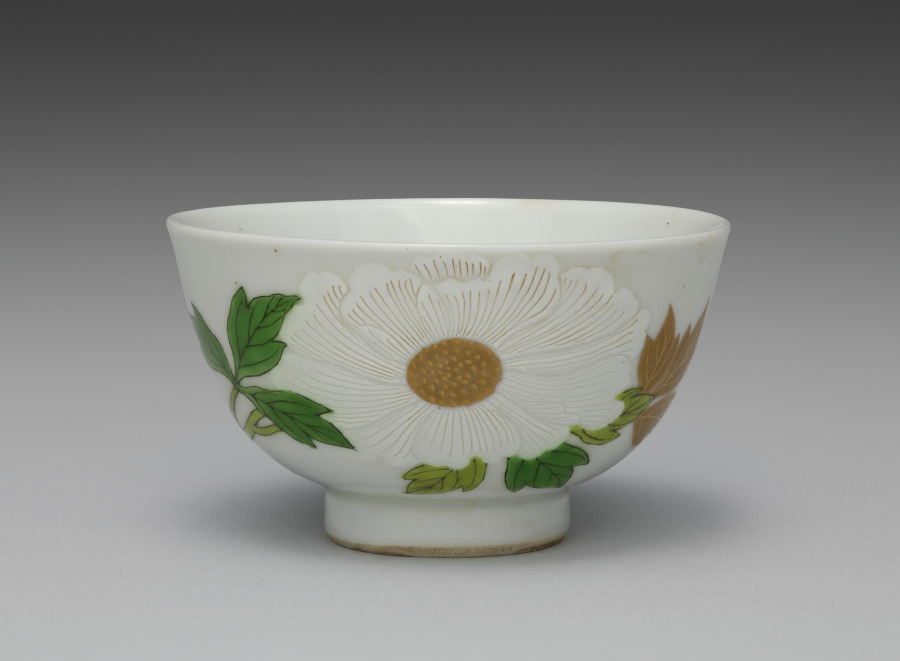
Teabowl from Teabowls with Peony and Crabapple
Cleveland Museum of Art
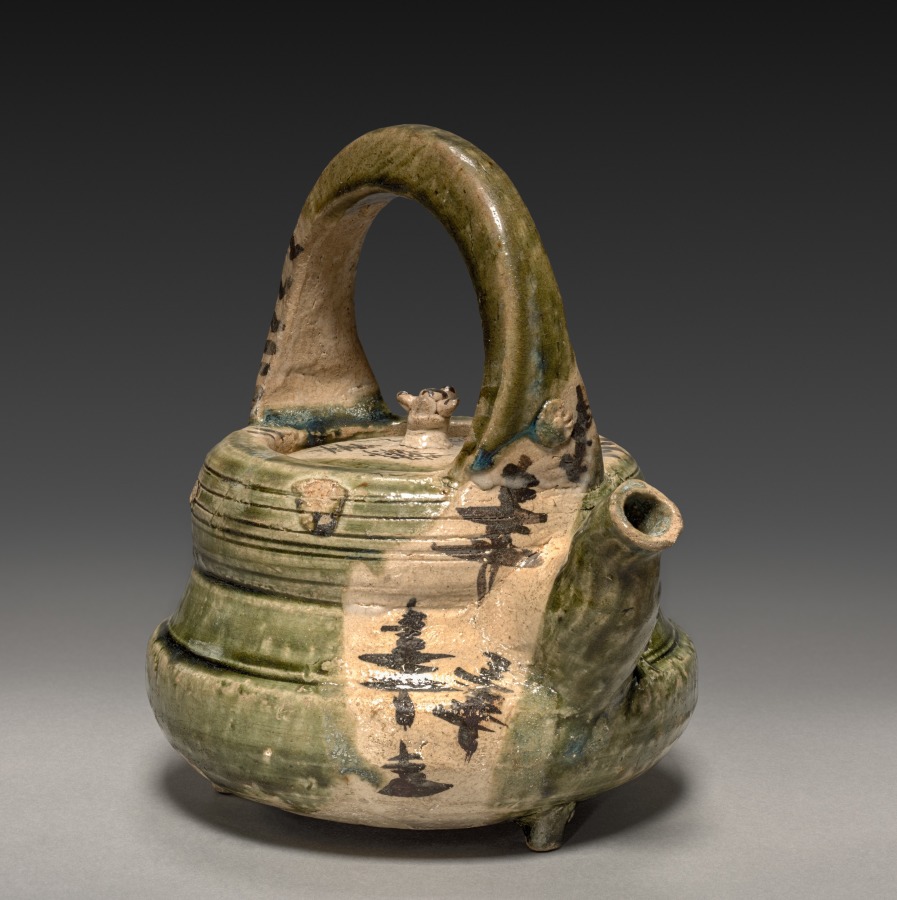
Ewer (Suichū)
Cleveland Museum of Art
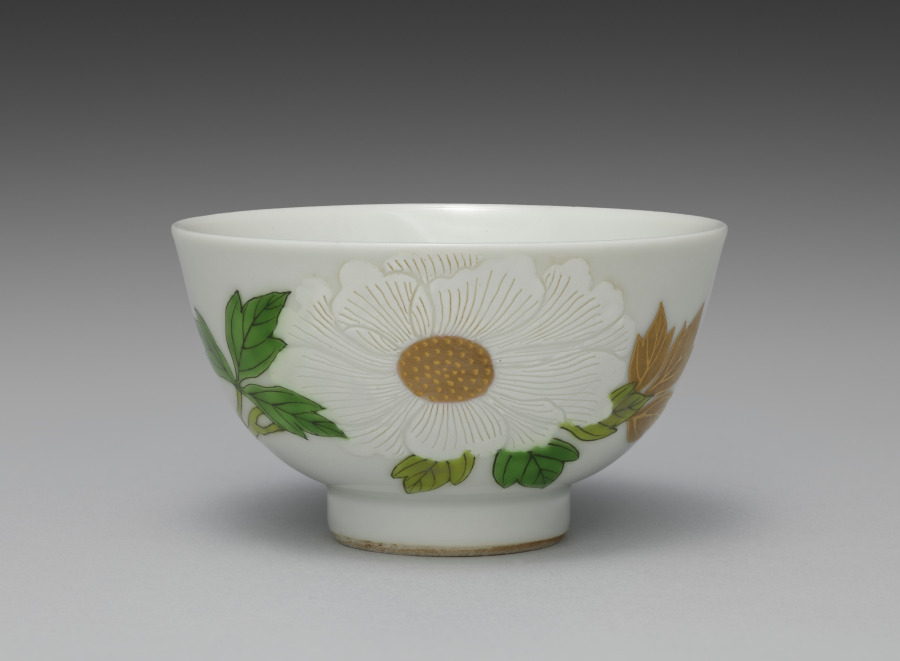
Teabowl from Teabowls with Peony and Crabapple
Cleveland Museum of Art
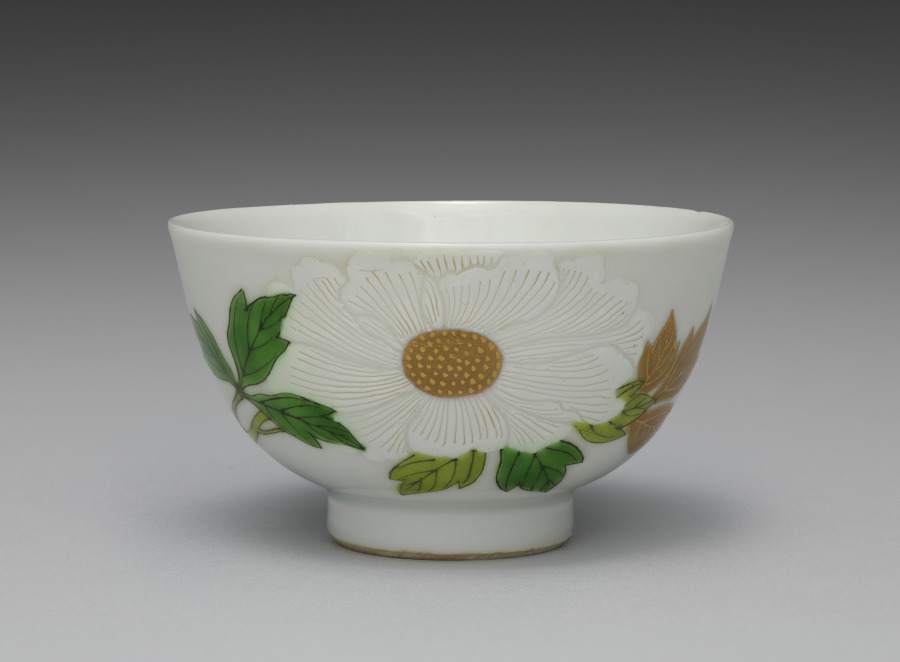
Teabowl from Teabowls with Peony and Crabapple
Cleveland Museum of Art

Clog-shaped tea bowl
Minneapolis Institute of Art
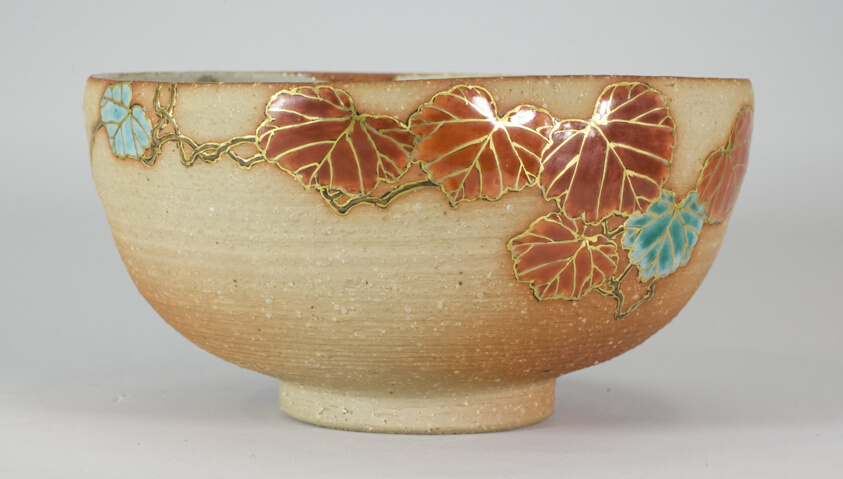
Bowl
Art Institute of Chicago

Tea Ceremony
Minneapolis Institute of Art

Tea Bowl
Cleveland Museum of Art