Cleveland Museum of Art
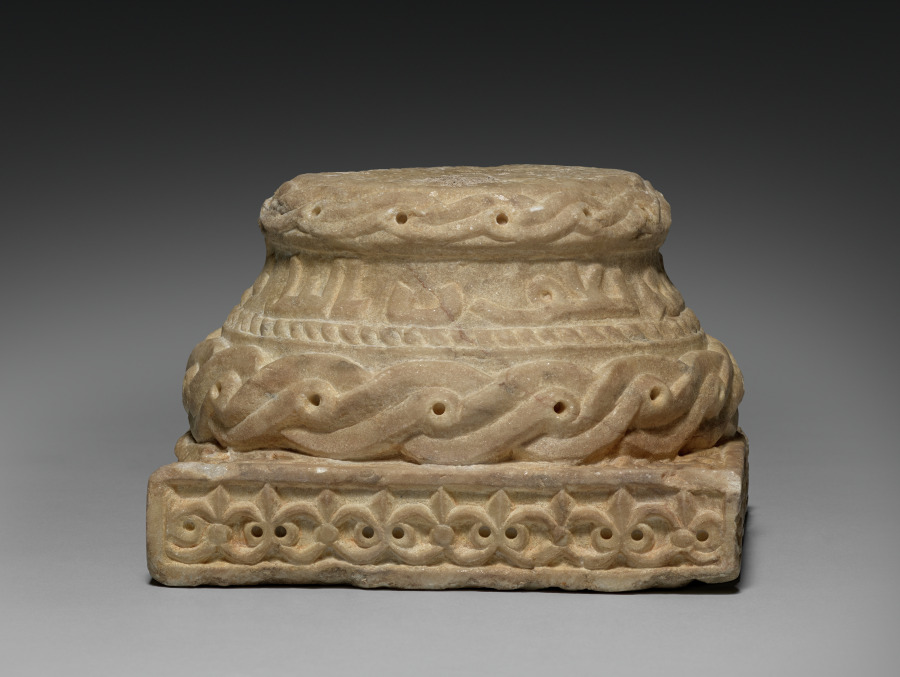
Column Base
- Date
- c. 960–76
- Medium
- Marble
- Culture
- Spain, Cordoba, Spanish Umayyad period (756–1031)
- Department
- Islamic Art
- Institution
- Cleveland Museum of Art
This base comes from the palatial city of Madinat al-Zahra near Cordoba (Spain) which was begun by caliph Abd al-Rahman III (r. 912–61) around 936. Large parts of the Iberian Peninsula were then under Islamic rule and experienced a cultural flowering. The city, destroyed already in 1010, was the most magnificent palace complex in Europe at the time. In the mid-1800s the ruins of Madinat al-Zahra were rediscovered and the source of great fascination as people imagined a palace like that in the stories of 1001 Nights.
The authoritative record is held by Cleveland Museum of Art. LinkedCulture surfaces this object and its connections; it does not alter institutional metadata.
Related across collections
Semantically similar works from Cleveland Museum of Art and other institutions.
Column Capital
Cleveland Museum of Art

Deep basin
Minneapolis Institute of Art
Picturesque Sketches in Spain: The Mosque, Cordova
Cleveland Museum of Art
The Mosque, Córdoba
Cleveland Museum of Art
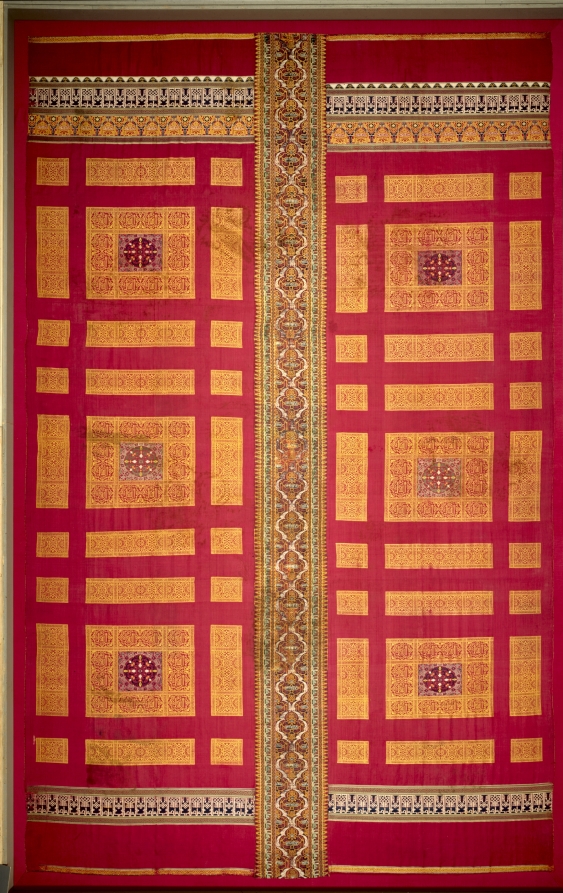
Alhambra Palace Silk Curtain
Cleveland Museum of Art
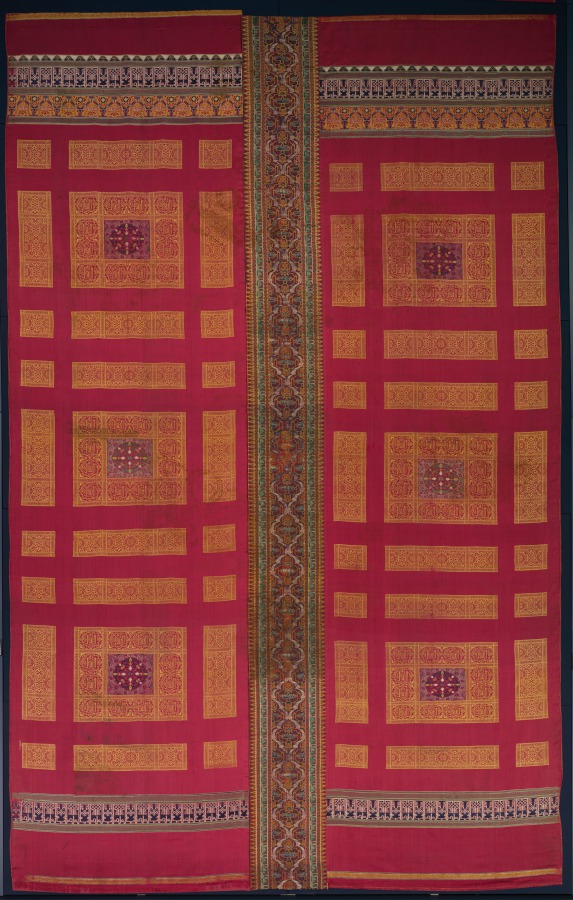
Alhambra Palace Silk Curtain
Cleveland Museum of Art

Page from the Andalusian Pink Qur'an
Minneapolis Institute of Art
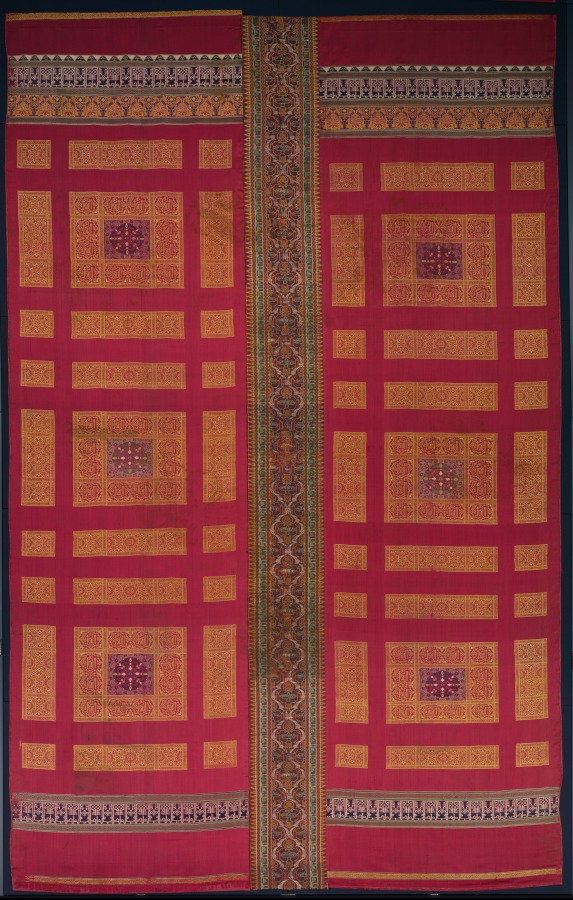
Silk curtain from the Alhambra palace
Cleveland Museum of Art
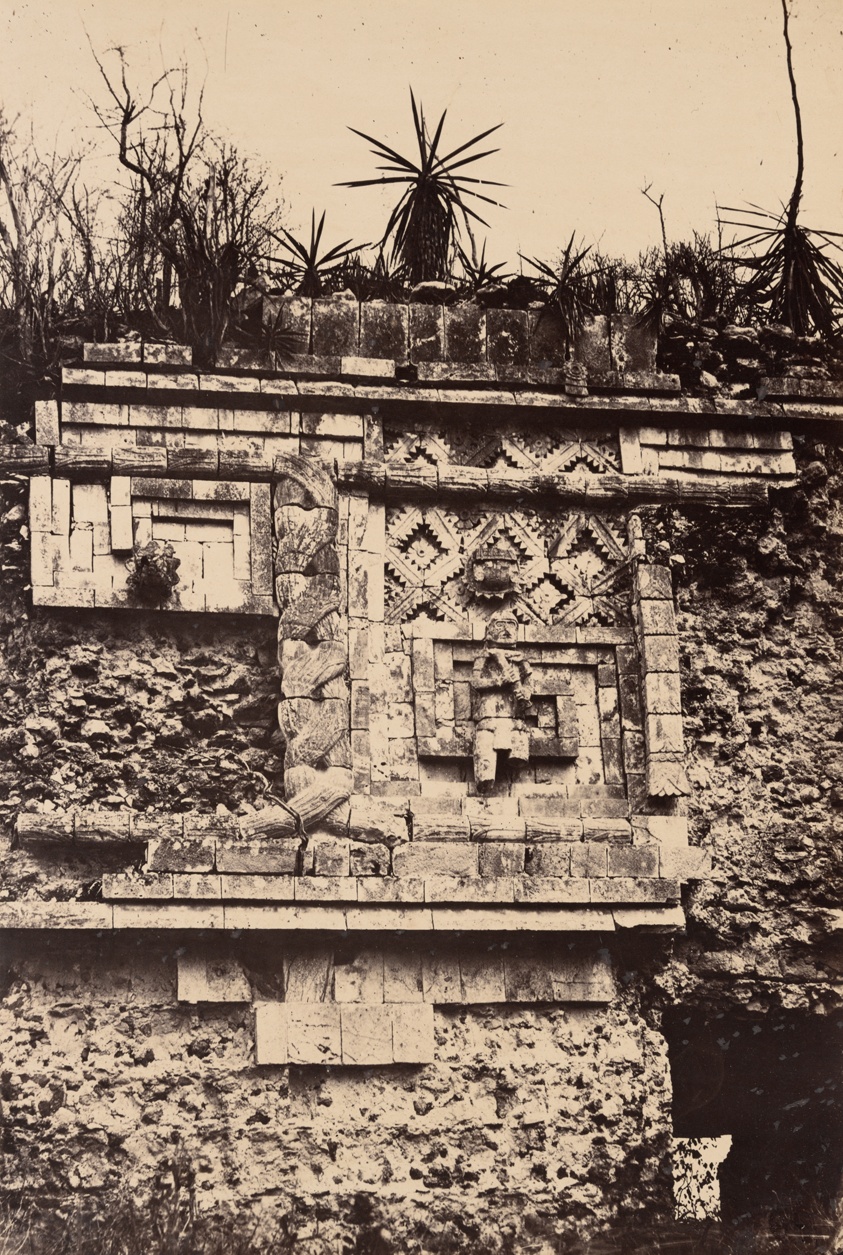
Uxmal, Indian Bas Relief, Nun's Palace (Uxmal, Bas Relief de l'Indien, Palais des Nonnes), plate 44 from the album "Cités et Ruines Américaines, Gide Paris" (1863)
Art Institute of Chicago

Remains of the Hall of Columns, Medinet Habou, Thebes
Getty Museum
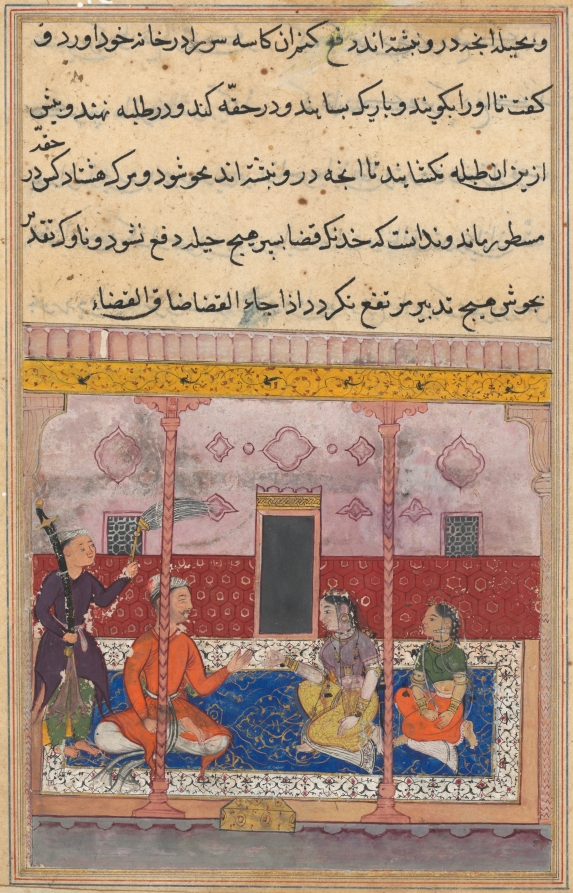
The merchant has the hateful skull ground and put into a box, from a Tuti-nama (Tales of a Parrot): Twenty-third Night
Cleveland Museum of Art
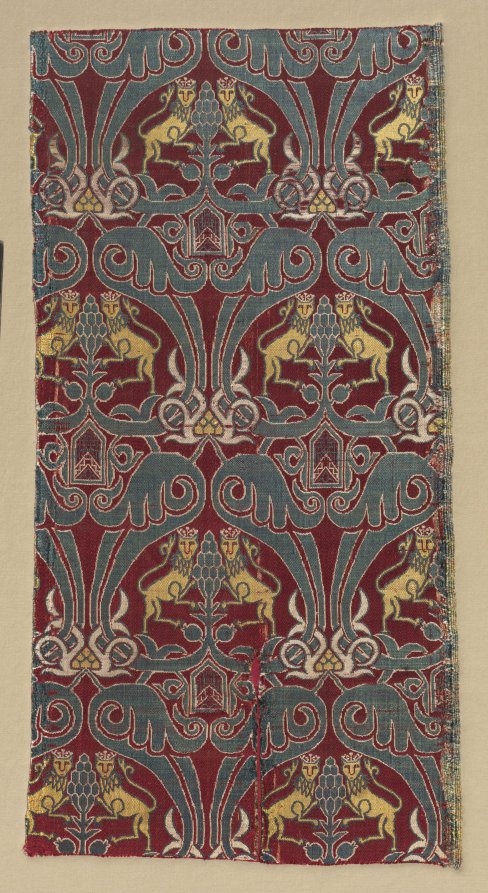
Fragment with crowned lions, palmettes, and escutcheons
Cleveland Museum of Art