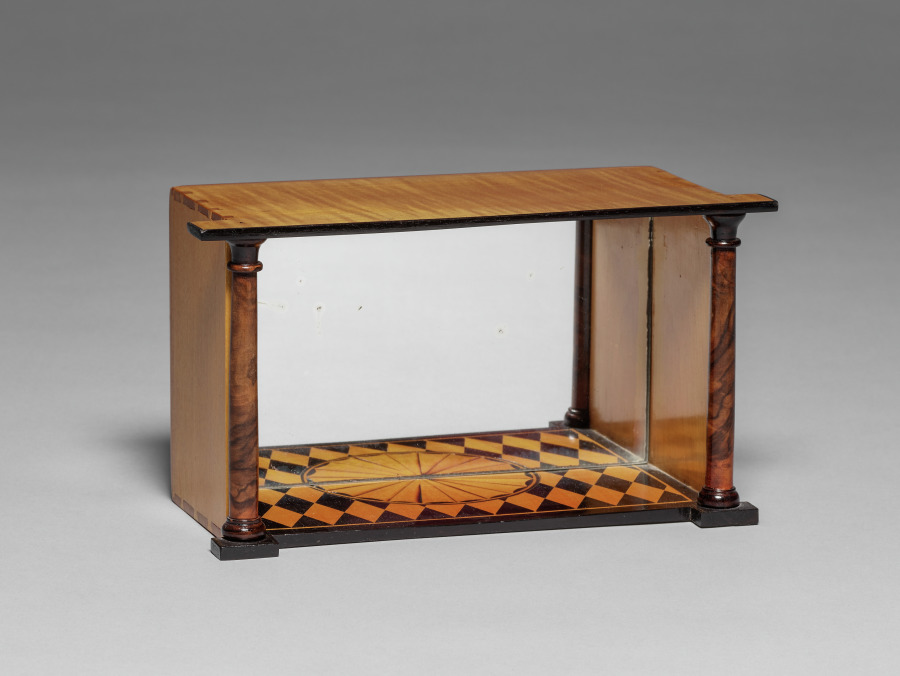
Cleveland Museum of Art
Mirrored Partition for a Globe Work Table (Globustisch)
- Date
- c. 1810–15
- Medium
- Burl walnut veneer, mahogany, ebony, satinwood, gilt wood, painted wood; mirrored glass
- Culture
- Austria, Vienna
- Department
- Decorative Art and Design
- Institution
- Cleveland Museum of Art
Work tables resembling globes were the usual form for a lady's sewing or writing table around 1800 in Austria. Combining moving parts, secret compartments, and highly finished decoration, these tables were also a way for the cabinetmaker to show off his skill. The tripod supports and temple-like architectural quality of both the exterior and interior decoration reflect the fashionable taste for neoclassical style, or Biedermeier as it was called in Austria, where Vienna was the center of such elaborate furniture production. The top half of the globe rotates upward to reveal hidden compartments for sewing tools, threads, and unfinished fabric pieces.
The authoritative record is held by Cleveland Museum of Art. LinkedCulture surfaces this object and its connections; it does not alter institutional metadata.
Related across collections
Semantically similar works from Cleveland Museum of Art and other institutions.
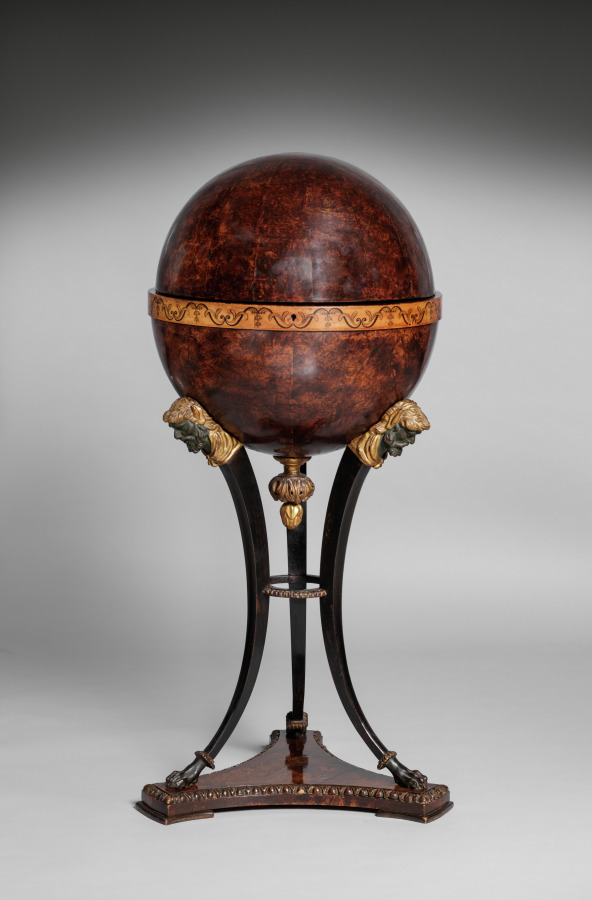
Globe Work Table (Globustisch)
Cleveland Museum of Art
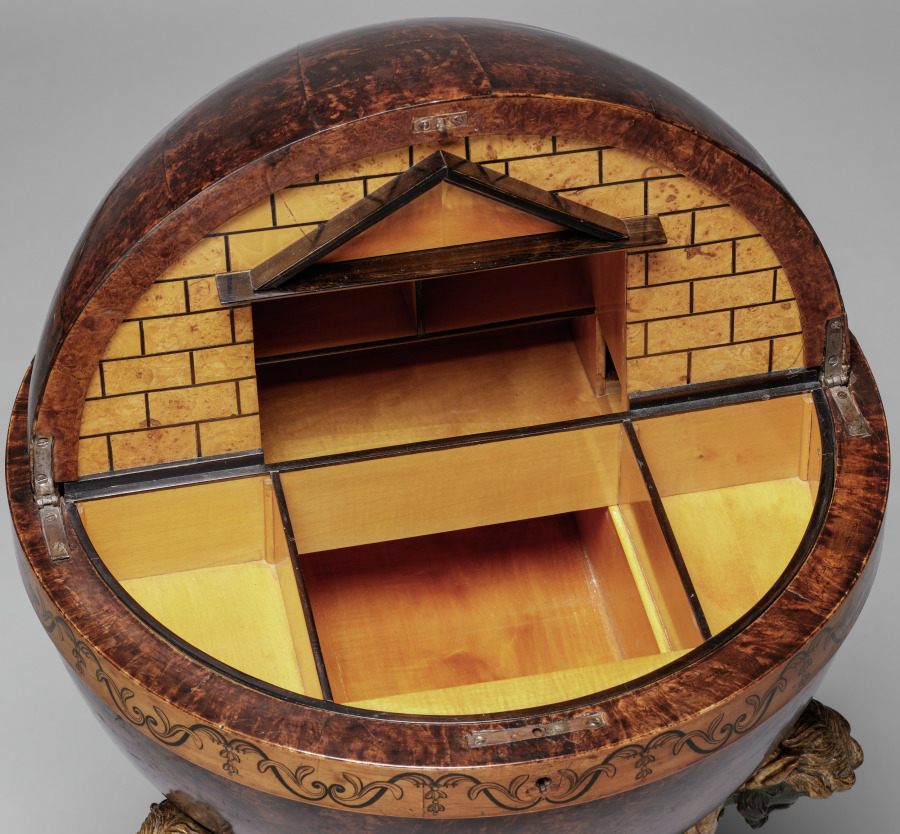
Globe Sewing Table (Globustisch)
Cleveland Museum of Art
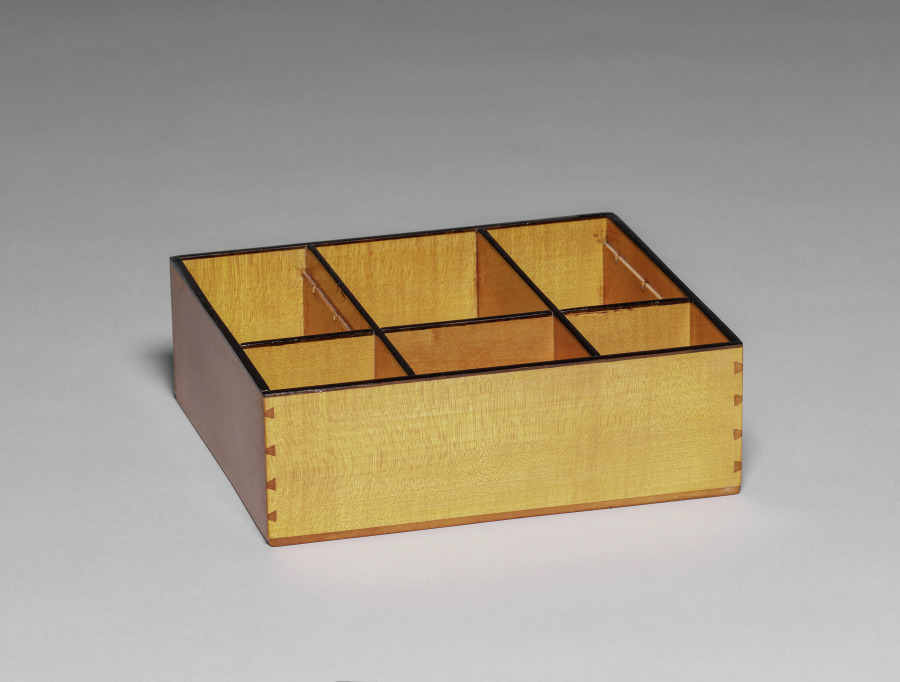
Divided Tray for a Globe Work Table (Globustisch)
Cleveland Museum of Art
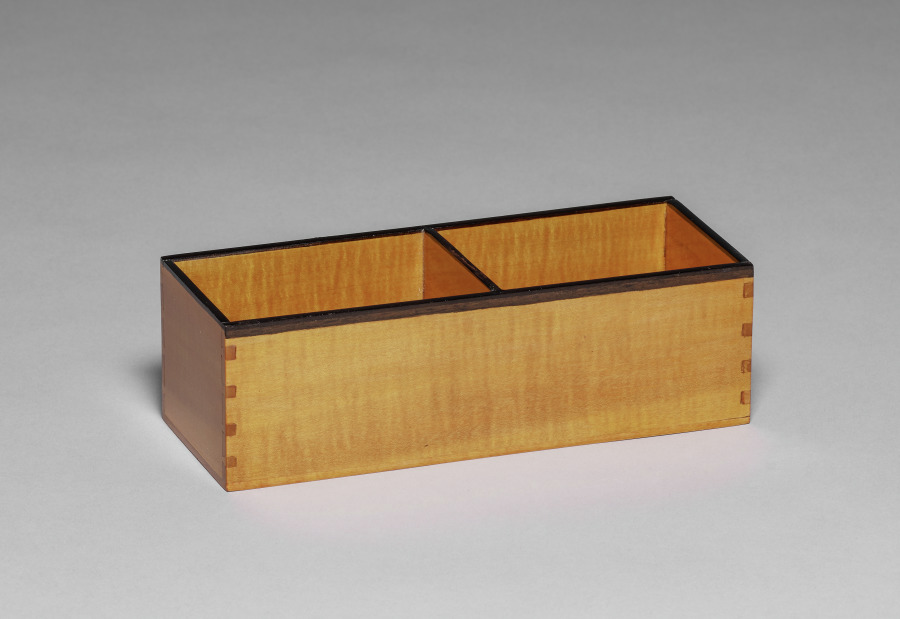
Divided Tray for a Globe Work Table (Globustisch)
Cleveland Museum of Art
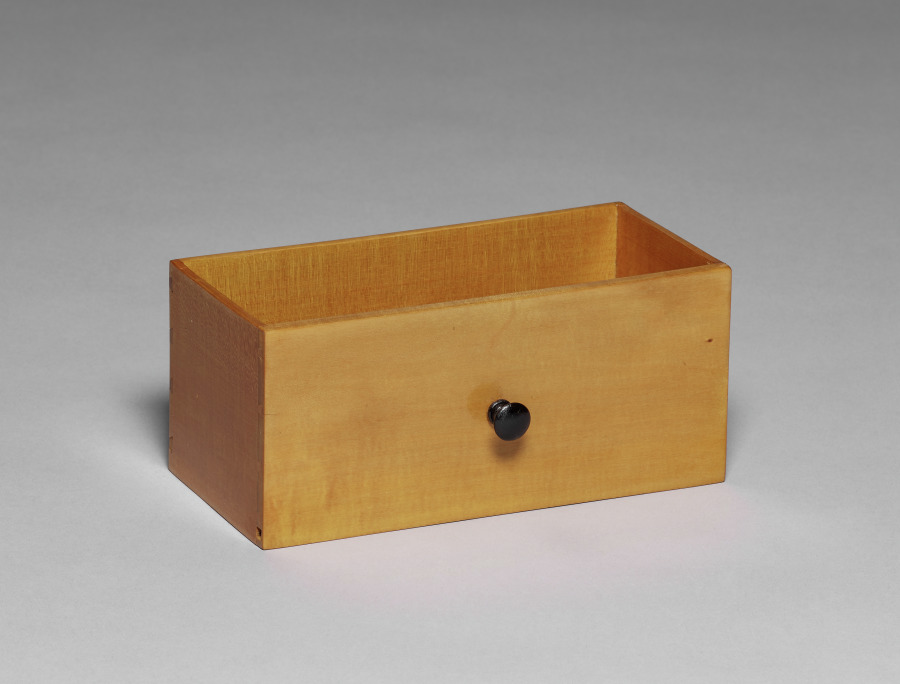
Drawer for a Globe Work Table (Globustisch)
Cleveland Museum of Art
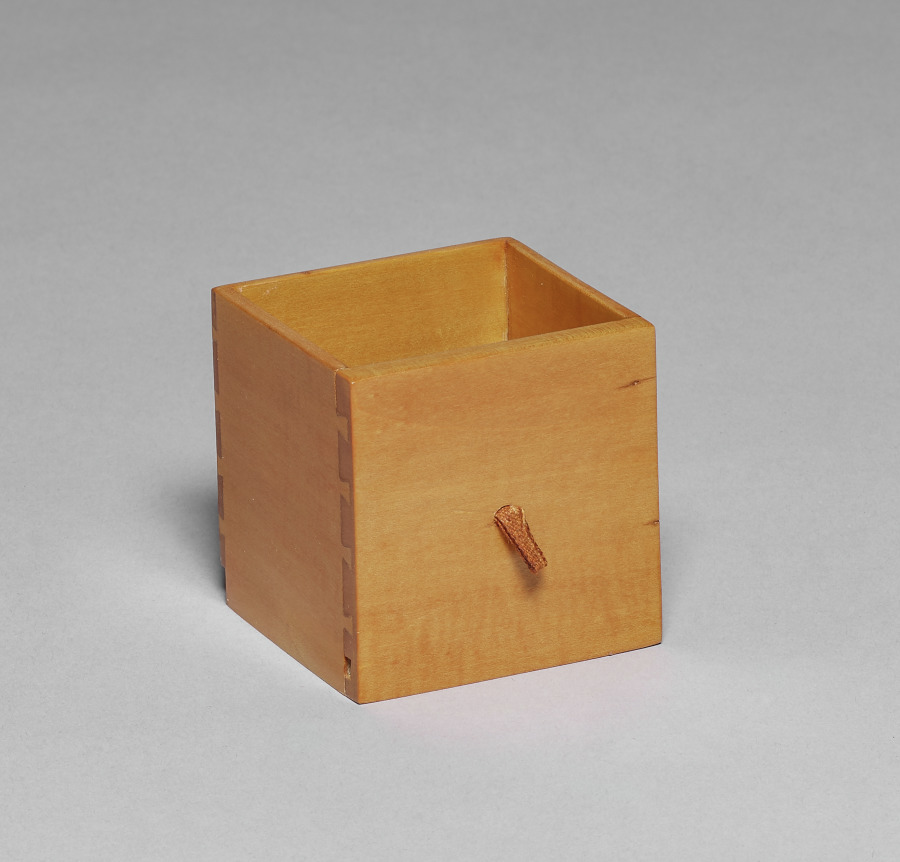
Concealed Drawer for a Globe Work Table (Globustisch)
Cleveland Museum of Art
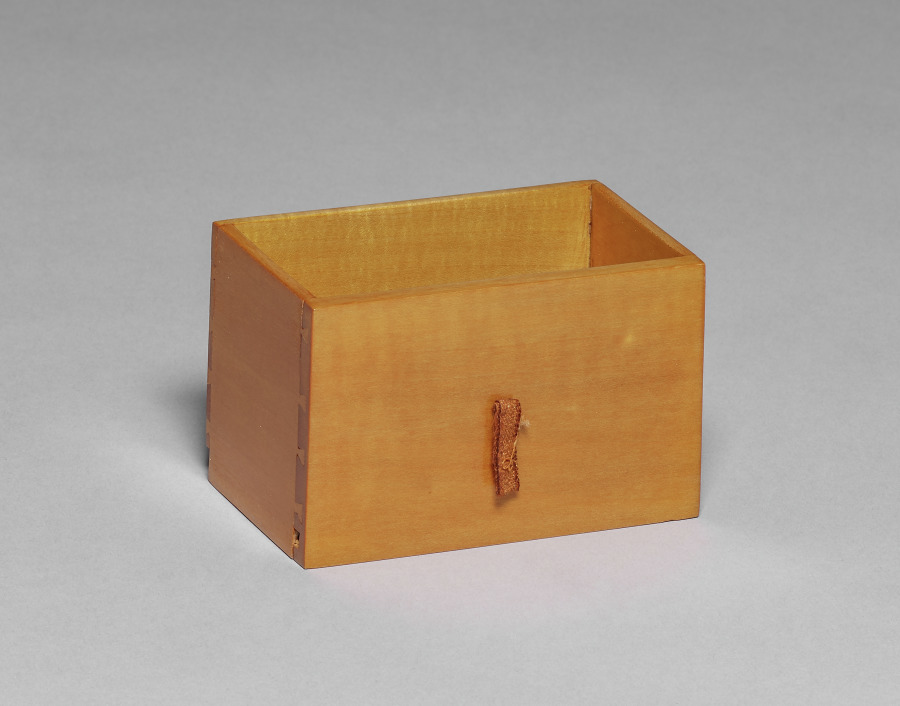
Concealed Drawer for a Globe Work Table (Globustisch)
Cleveland Museum of Art
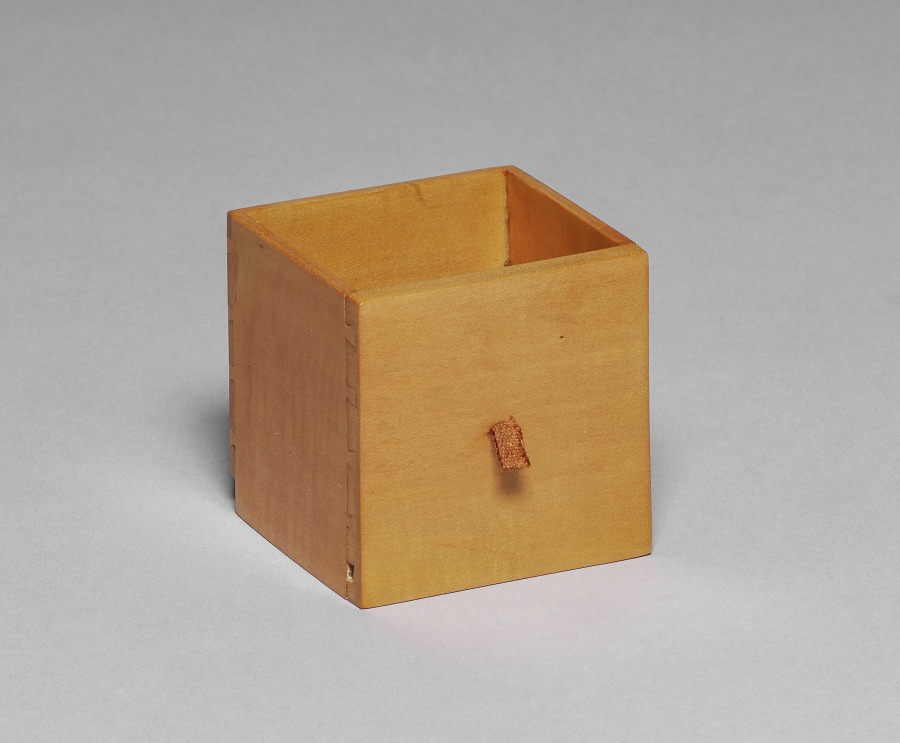
Concealed Drawer for a Globe Work Table (Globustisch)
Cleveland Museum of Art
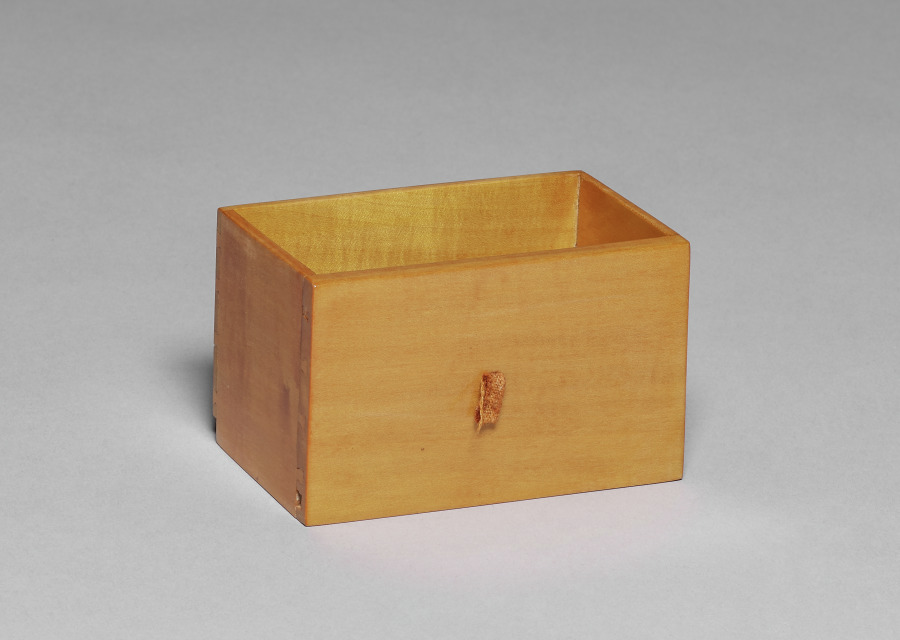
Concealed Drawer for a Globe Sewing Table (Globustisch)
Cleveland Museum of Art

Biedermeier secretary
Minneapolis Institute of Art
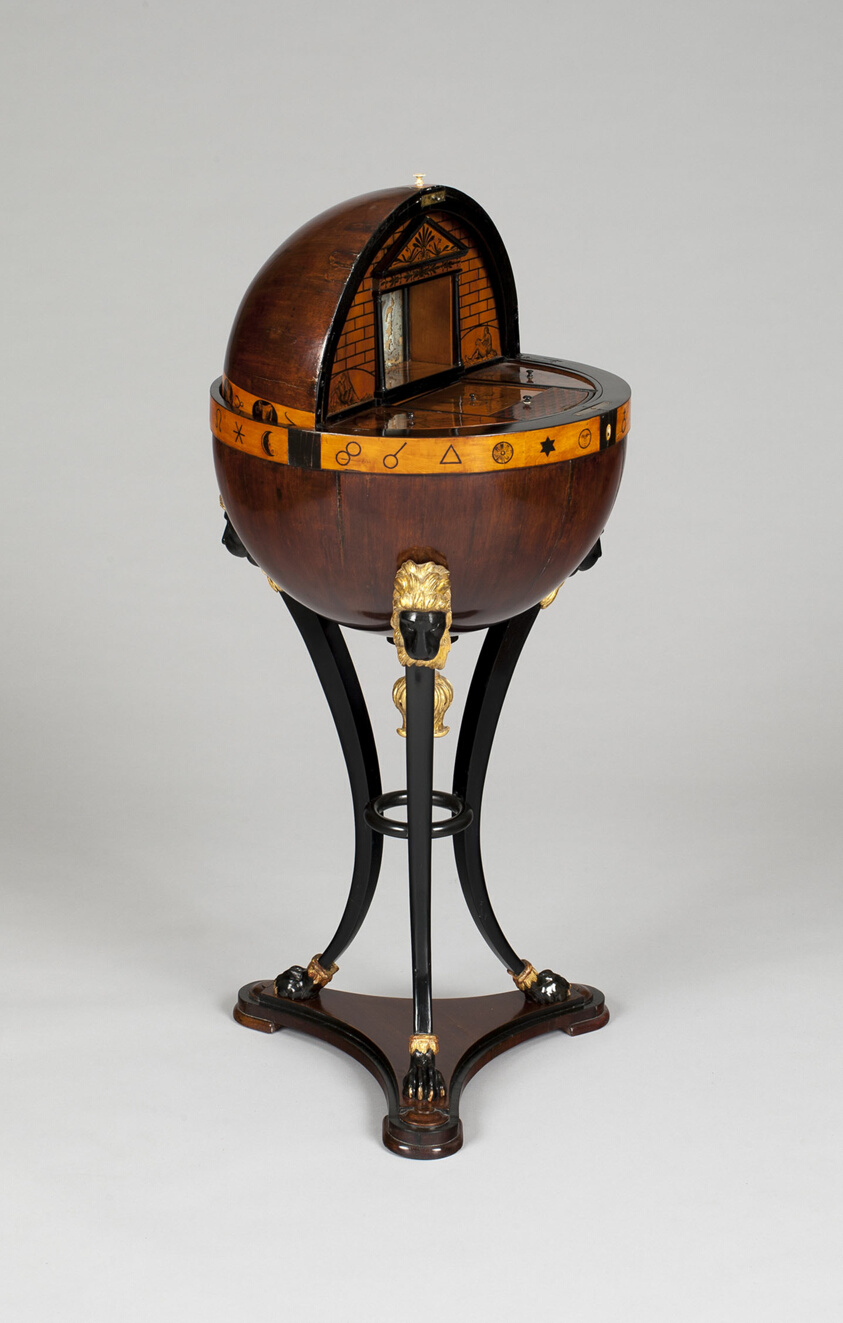
Globe-Shaped Work Table
Art Institute of Chicago
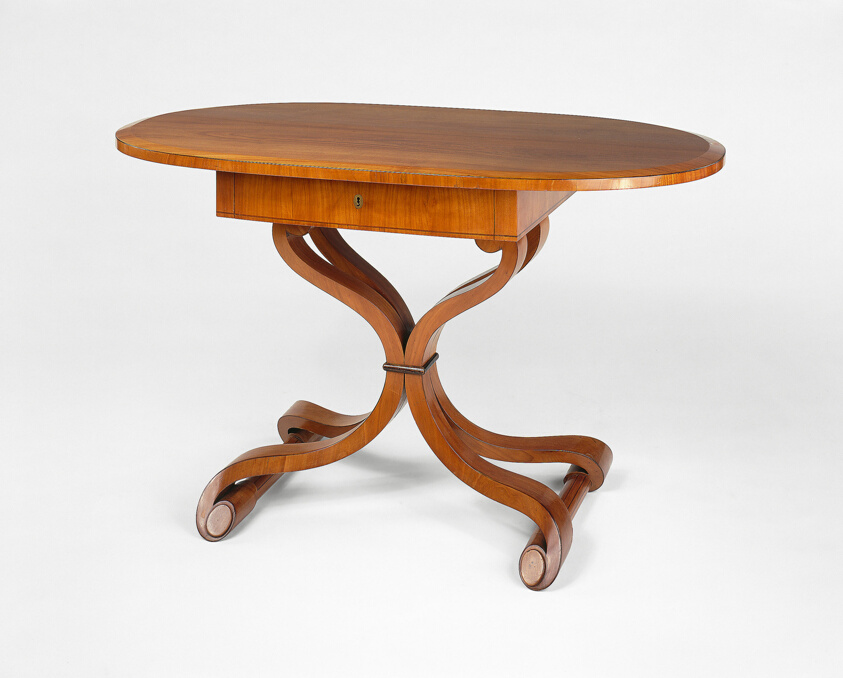
Center Table
Art Institute of Chicago