Cleveland Museum of Art
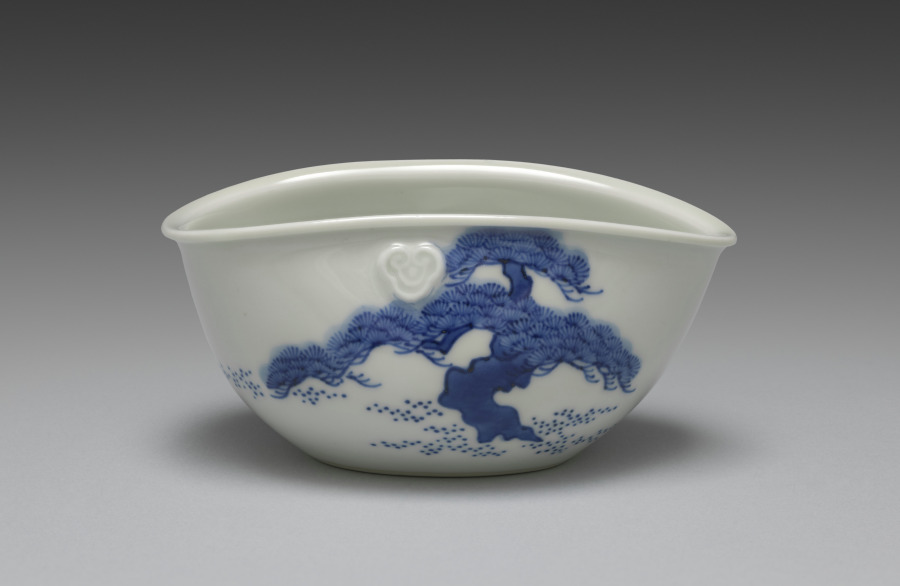
Water Cooler with Pines
Seifū Yohei III
- Date
- 1893–1914
- Medium
- Porcelain with underglaze blue and molded designs
- Culture
- Japan, Meiji period (1868–1912)
- Department
- Japanese Art
- Institution
- Cleveland Museum of Art
Hot water coolers, or yuzamashi , are essential components of sencha tea sets. Yuzamashi are used to cool boiled water to the ideal temperature for the type of tea to be brewed. The kidney-like shape of this one permits it to be cradled in one hand, following curvature of the palm, with the tips of the thumb and index finger each pressed against a nyoi staff-head-shaped applied form, perfectly placed to ensure a stable hold. Someone pinching the cooler in this way would have enough protection from the heat to maintain a steady grip but also sufficient contact along the base of thumb to assess the water temperature. On each of the cooler’s two longer sides, a pine tree in grass or sand is painted under the glaze in cobalt blue. The tree on one side has two main roots and two large branches, while that on the other has a single, thick, curved line from root to tip with racks of needles spreading across the width of the sky. A blue oval is traced along the footring, and the center of the base contains an ovoid “Seifu” seal. Evergreen, pines have associations with eternal youth and longevity.
The authoritative record is held by Cleveland Museum of Art. LinkedCulture surfaces this object and its connections; it does not alter institutional metadata.
Related across collections
Semantically similar works from Cleveland Museum of Art and other institutions.
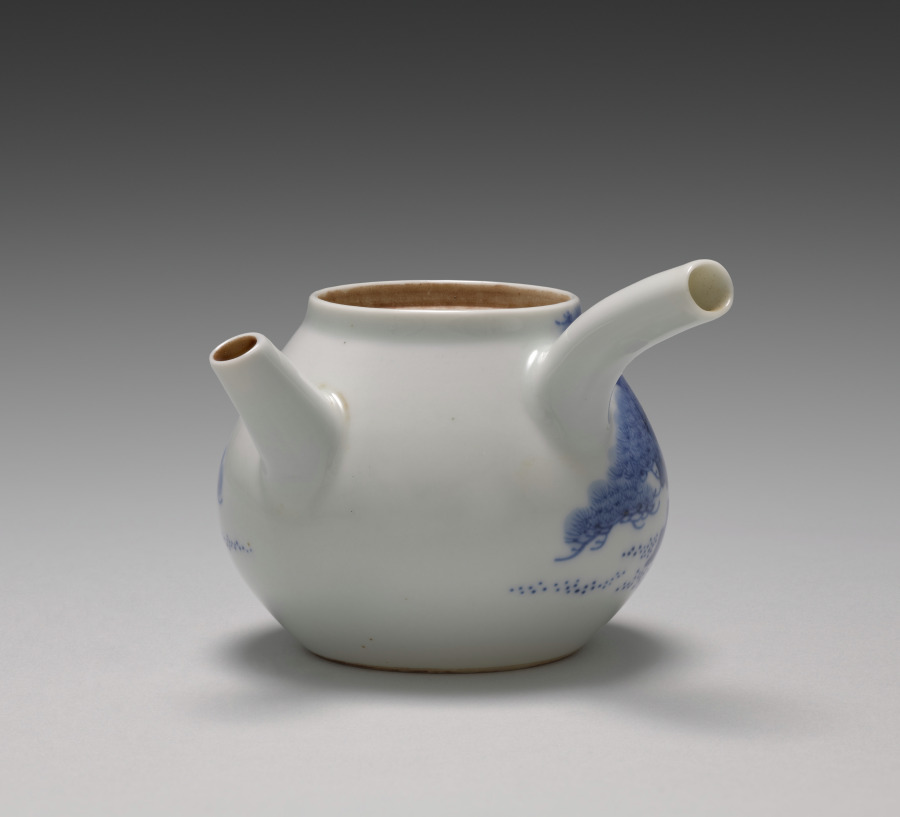
Teapot with Pines
Cleveland Museum of Art
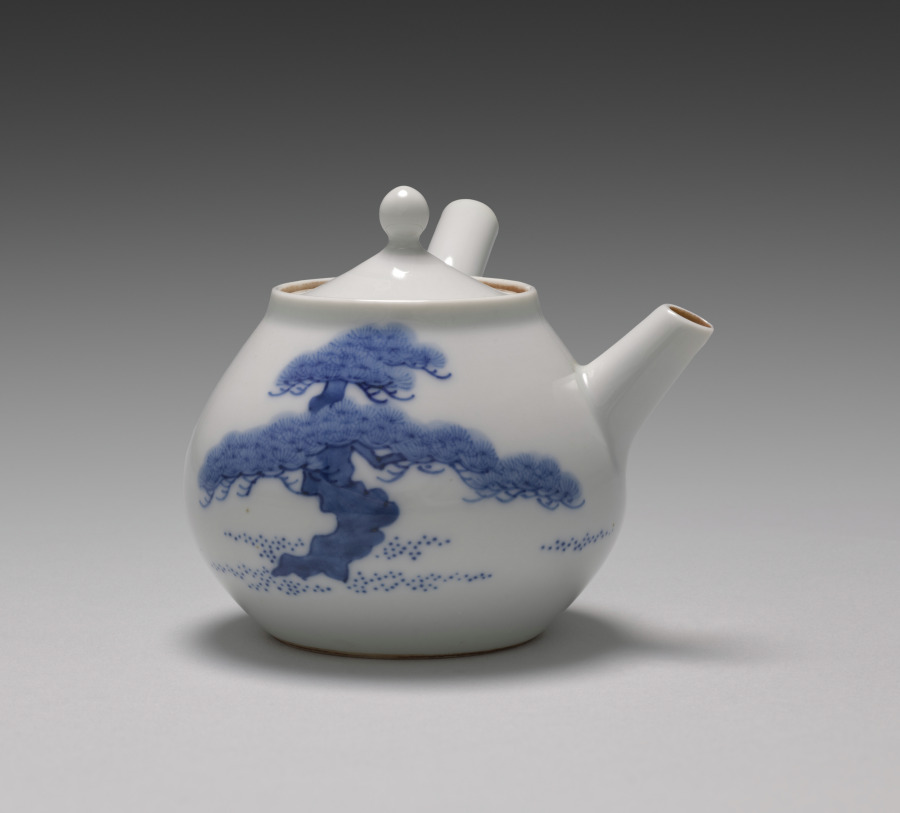
Teapot with Pines
Cleveland Museum of Art
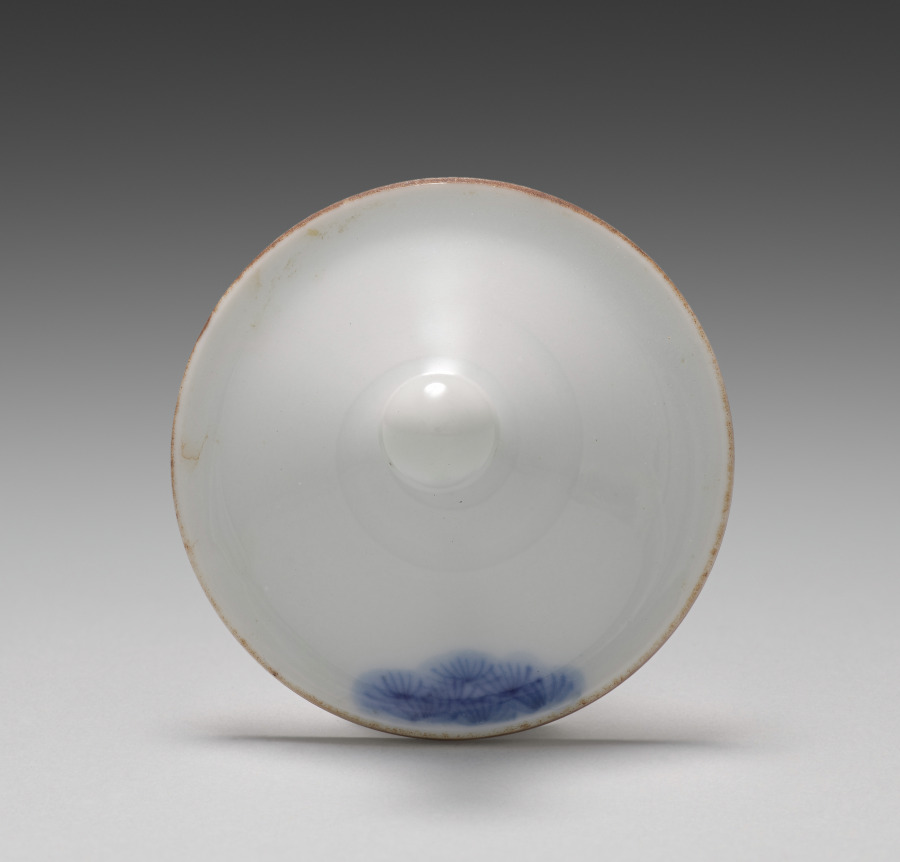
Lid for a Teapot with Pines
Cleveland Museum of Art
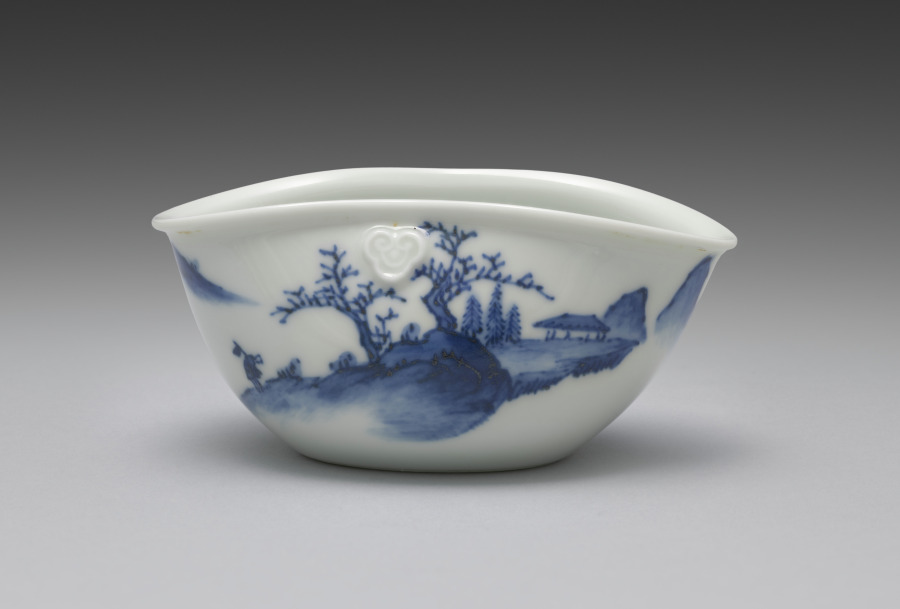
Water Cooler from Tea Set with Chinese Landscape
Cleveland Museum of Art
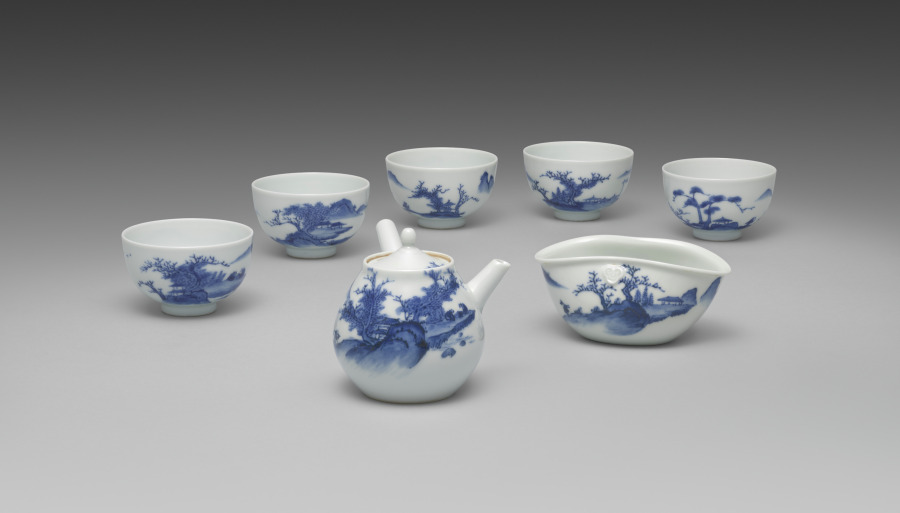
Tea Set with Chinese Landscapes
Cleveland Museum of Art
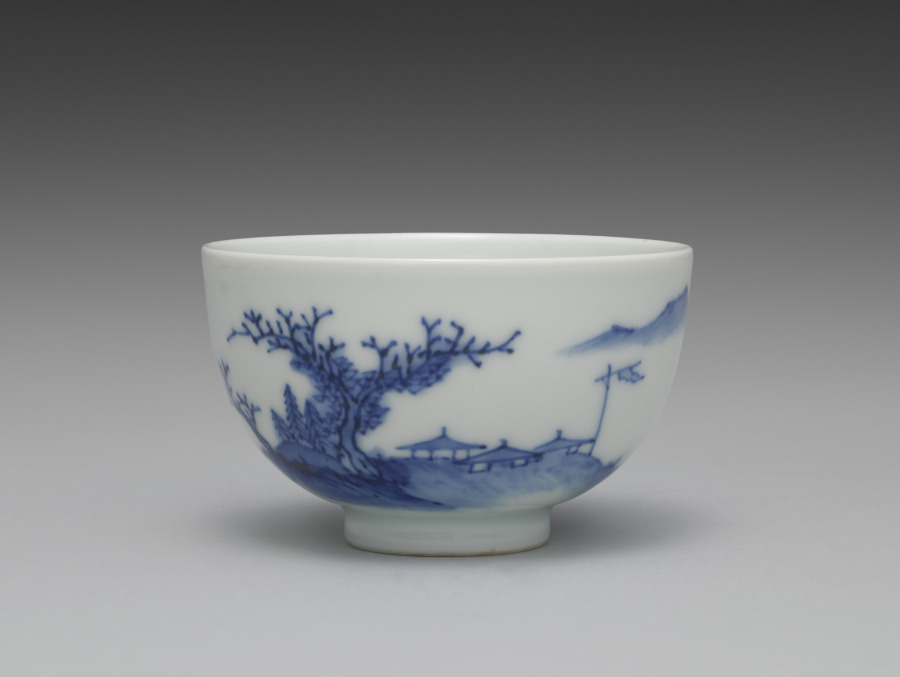
Teacup from Tea Set with Chinese Landscape
Cleveland Museum of Art
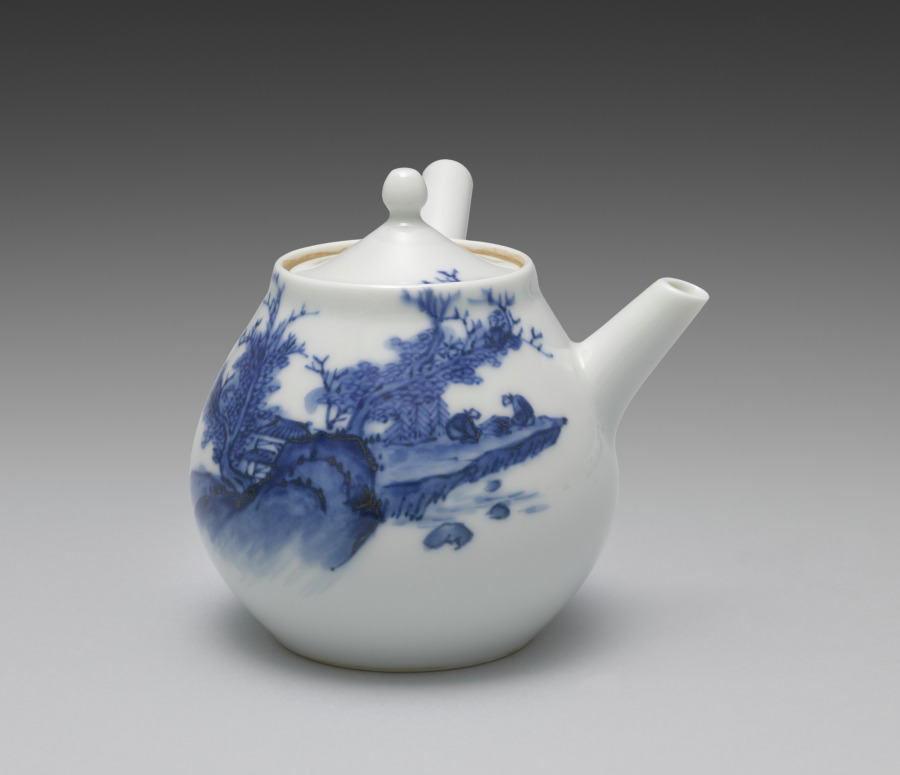
Teapot from Tea Set with Chinese Landscape
Cleveland Museum of Art
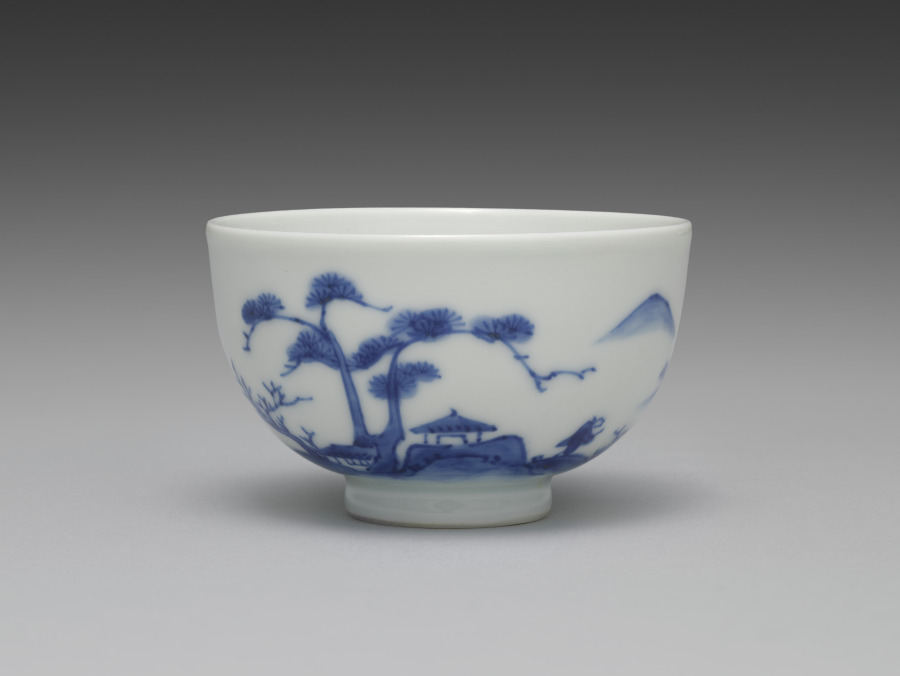
Teacup from Tea Set with Chinese Landscape
Cleveland Museum of Art
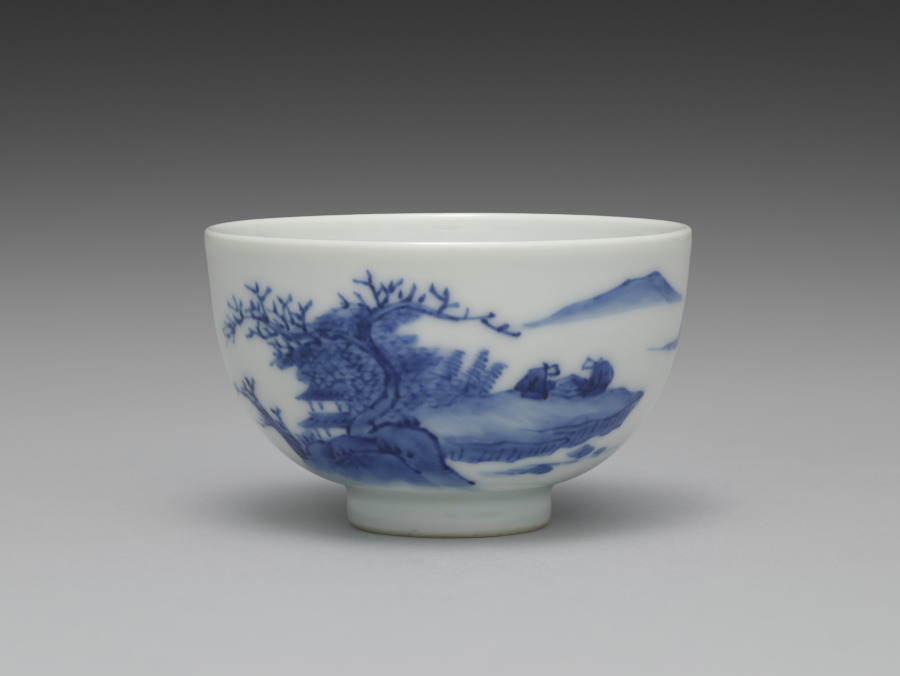
Teacup from Tea Set with Chinese Landscape
Cleveland Museum of Art
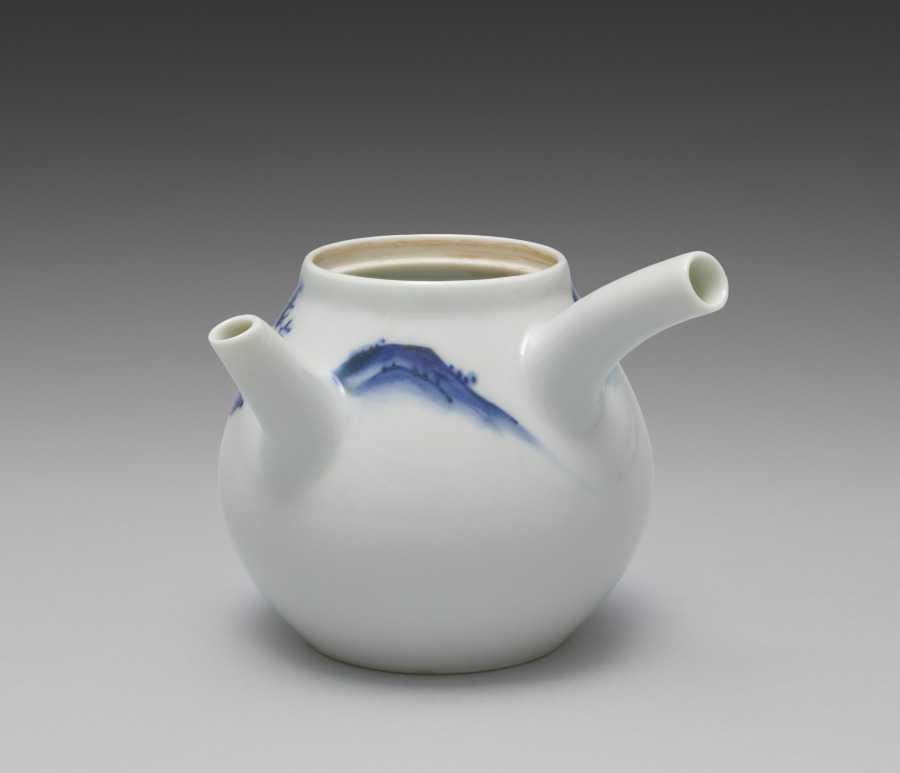
Teapot from Tea Set with Chinese Landscape
Cleveland Museum of Art
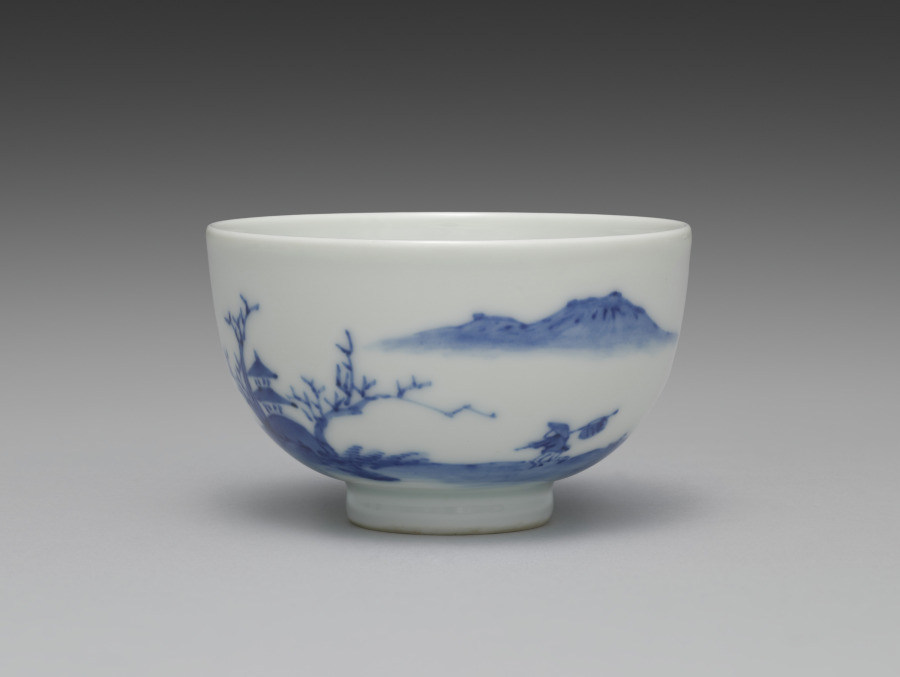
Teacup from Tea Set with Chinese Landscape
Cleveland Museum of Art
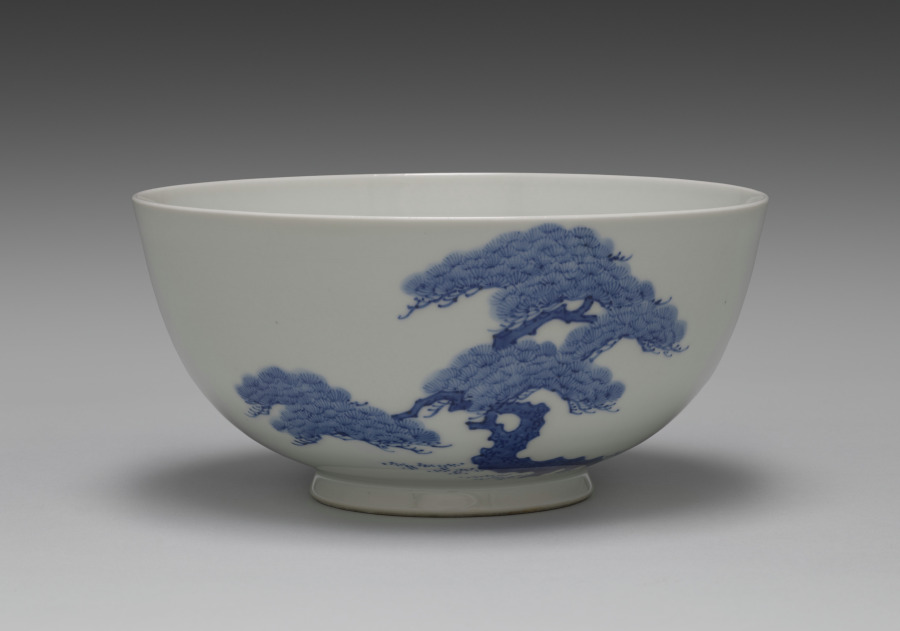
Bowl with Pines
Cleveland Museum of Art