Cleveland Museum of Art
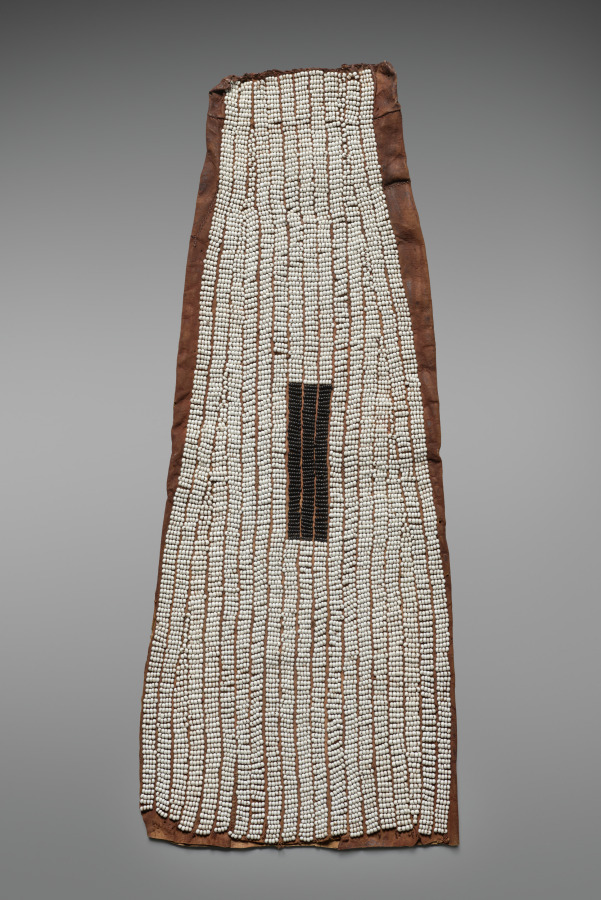
Royal ceremonial headdress (umnqwazi)
- Date
- 1800s
- Medium
- Glass beads, sinew, and hide
- Culture
- Africa, Southern Africa, South Africa, Southeast Cape Region, Unknown female Xhosa-style maker(s)
- Department
- African Art
- Institution
- Cleveland Museum of Art
Elite Xhosa women once wore beaded garments like this on festive occasions. Made almost completely from imported Venetian or Bohemian glass beads, they were overt status symbols. Imported beads functioned as money for the Xhosa between circa 1770 and 1829. These garments’ female maker carefully selected beads of the highest quality, uniform in color, shape, and size. Made in the same shape as the pendant, a swallowtail-shaped apron (CMA 2010.206) worn under the skirt completed the ensemble. The beads to make an ensemble like this cost several cattle in the early 1800s, an amount most couldn't afford.
The authoritative record is held by Cleveland Museum of Art. LinkedCulture surfaces this object and its connections; it does not alter institutional metadata.
Related across collections
Semantically similar works from Cleveland Museum of Art and other institutions.
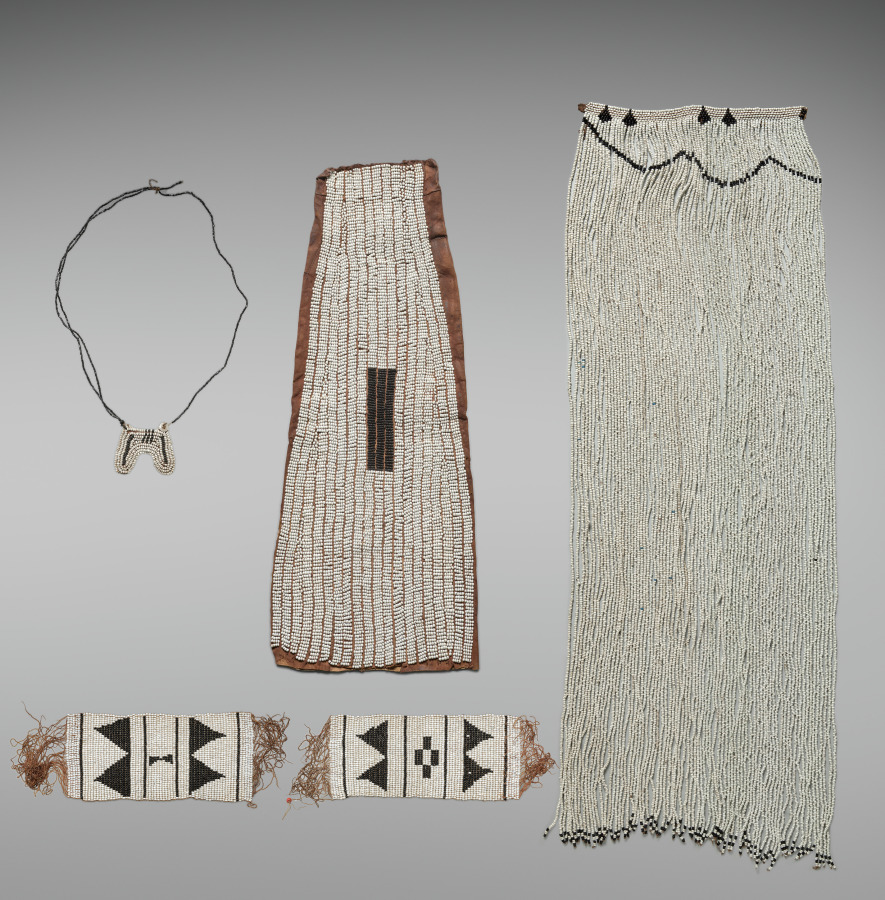
Ceremonial beadwork for a Xhosa royal woman: headdress (umnqwazi), pendant, breast cover (incebetha), pair of anklets (izitsaba)
Cleveland Museum of Art
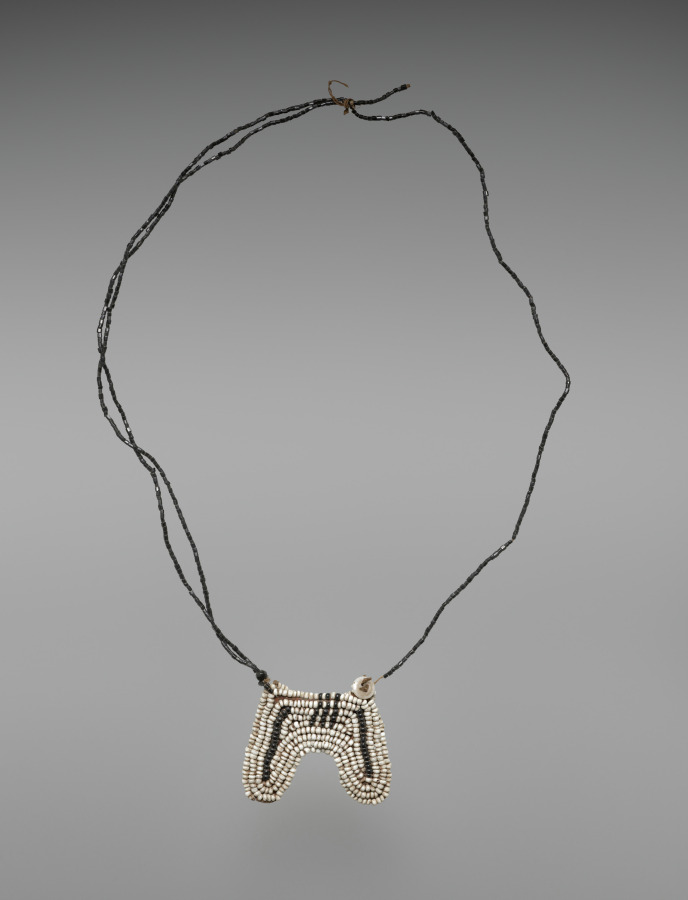
Royal ceremonial beadwork: pendant
Cleveland Museum of Art
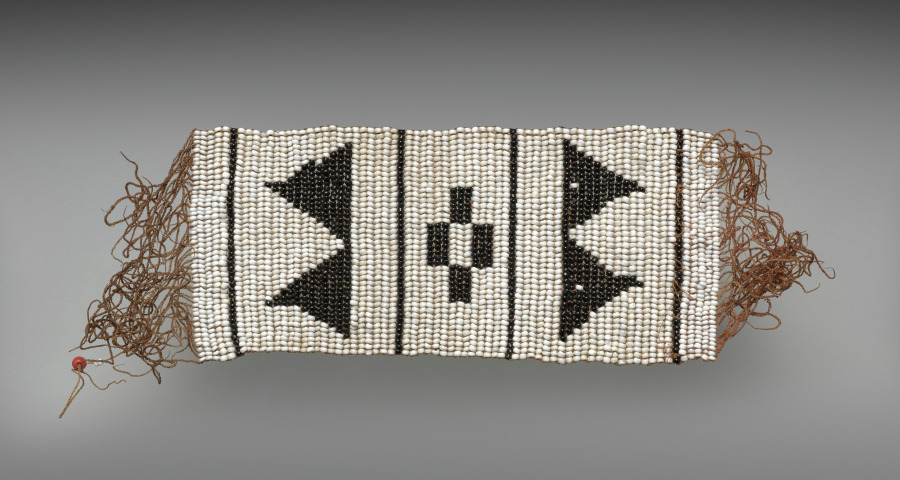
Royal ceremonial beadwork: anklet (izitsaba)
Cleveland Museum of Art
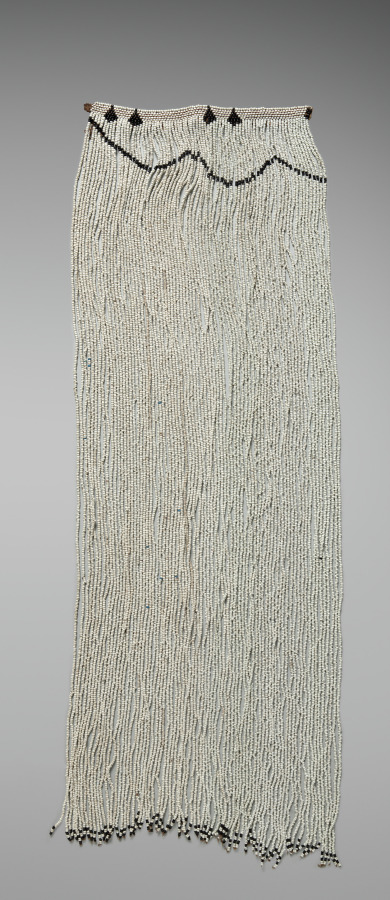
Royal ceremonial beadwork: breast cover (incebetha)
Cleveland Museum of Art
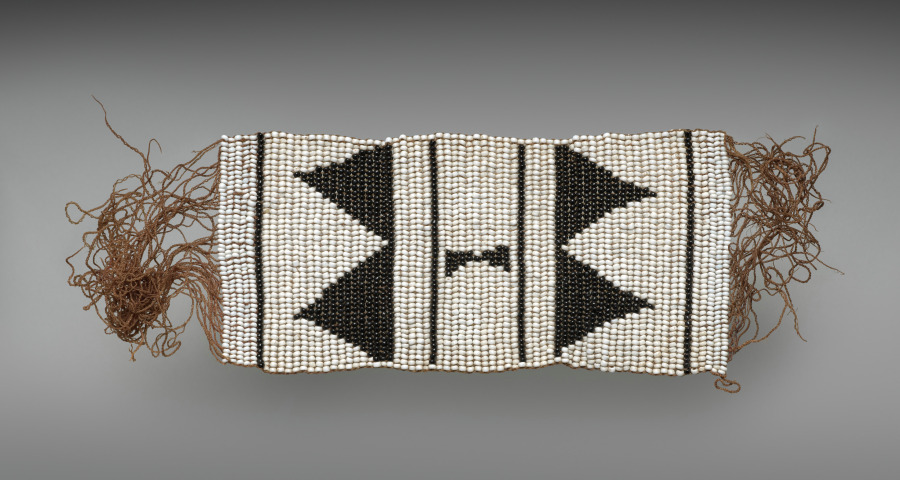
Royal ceremonial beadwork: anklet (izitsaba)
Cleveland Museum of Art

Under apron (iinkciya)
Cleveland Museum of Art
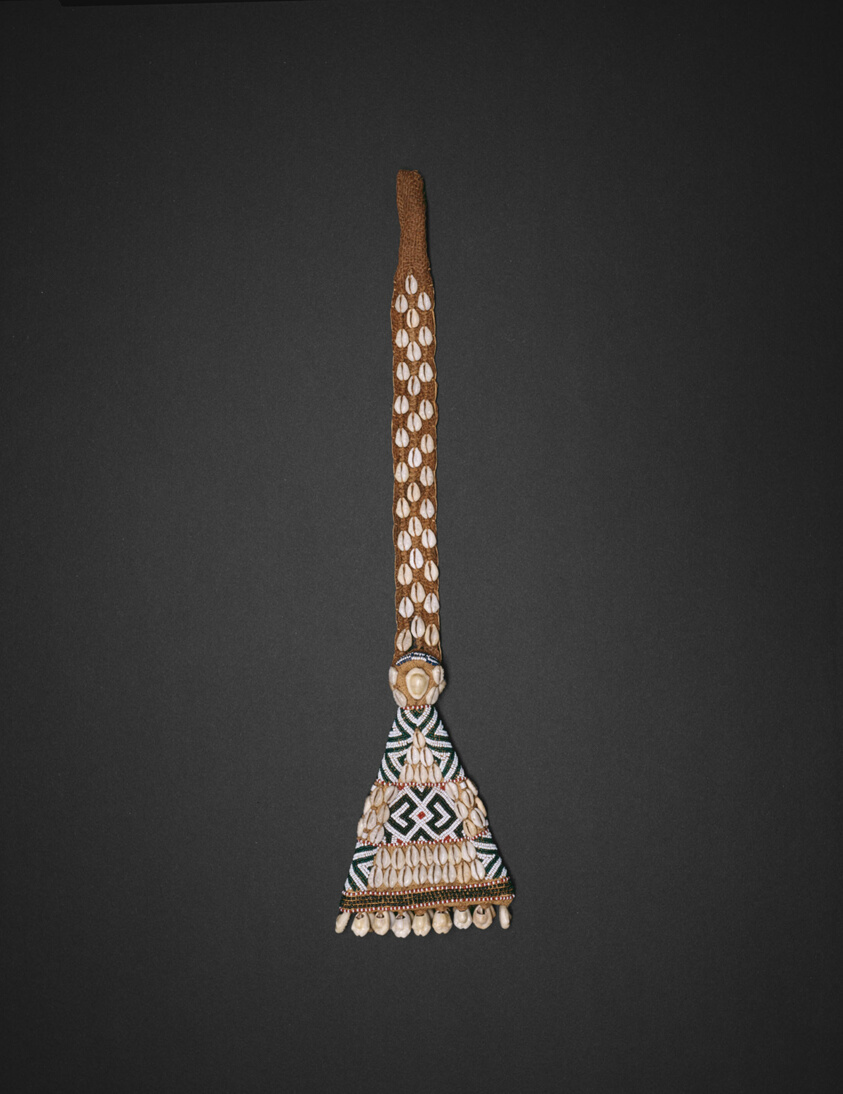
Pendant
Art Institute of Chicago

Headdress (beniqa)
Cleveland Museum of Art
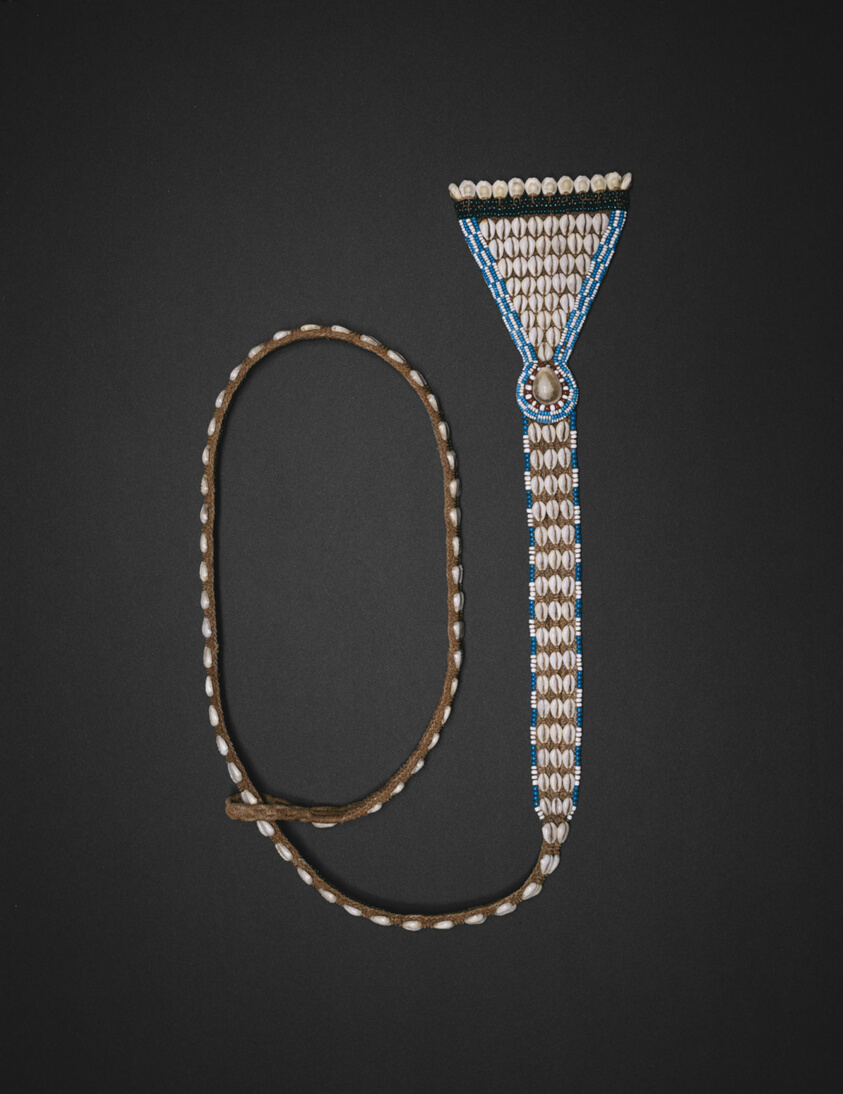
Pendant Belt (Nkody Mupaap)
Art Institute of Chicago
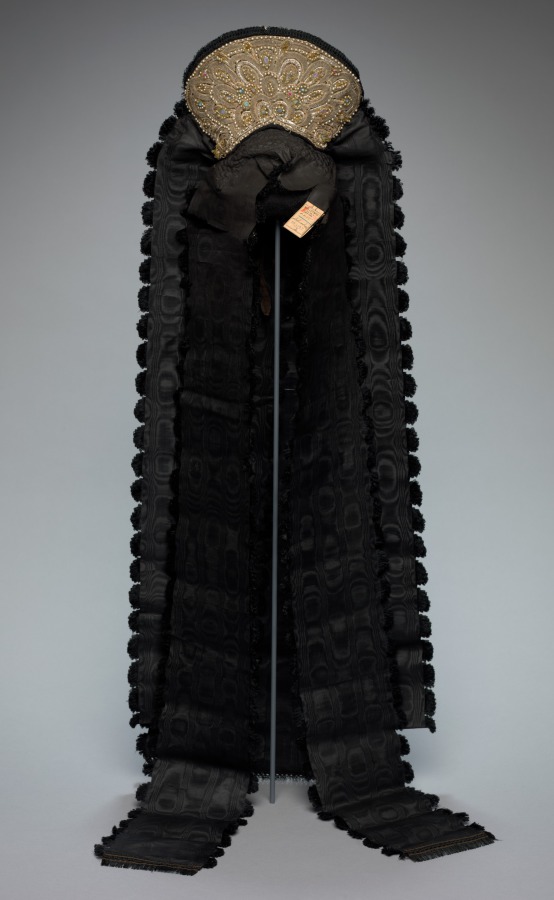
Headdress
Cleveland Museum of Art
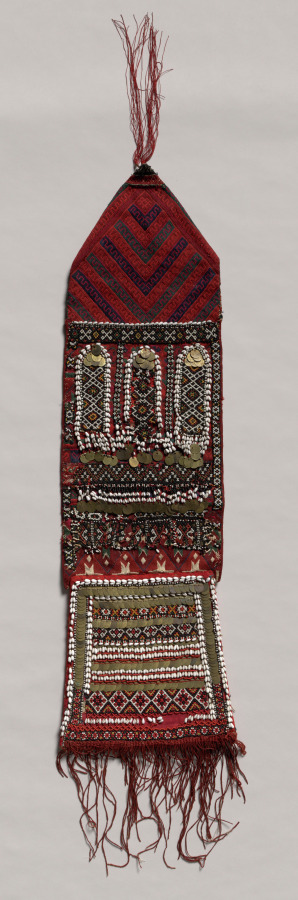
Headdress
Cleveland Museum of Art
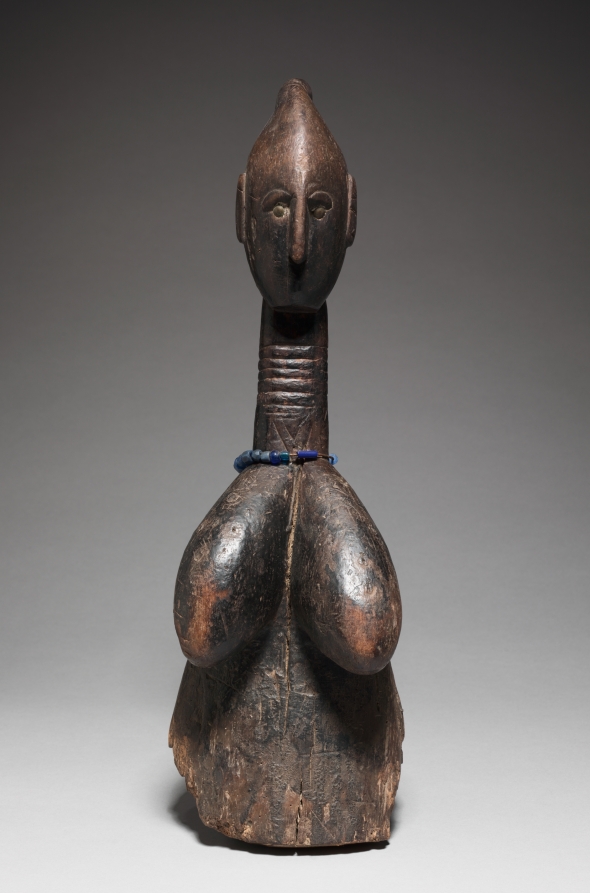
Headdress (Zigiren-Wɔndɛ)
Cleveland Museum of Art