Cleveland Museum of Art
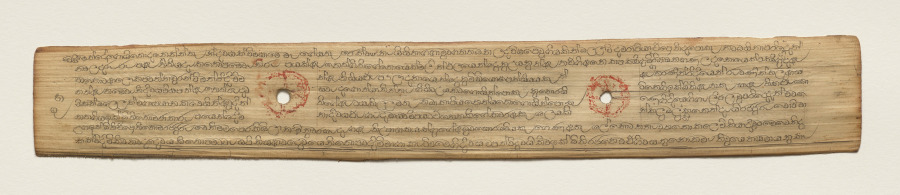
Leaf from a Buddhist Manuscript (recto)
- Date
- c. 1700
- Medium
- fiber paper
- Culture
- Sri Lanka, Singhalese, Late 17th century
- Department
- Indian and Southeast Asian Art
- Institution
- Cleveland Museum of Art
Palm leaf material is still used for manuscripts in Sri Lanka. The palm leaves are prepared first by boiling them, drying them in the sun, and then rubbing them with oils. Scribes then use a metal stylus to incise the text. Then charcoal powder is wiped across the pages, filling in only the inscribed lines.
The authoritative record is held by Cleveland Museum of Art. LinkedCulture surfaces this object and its connections; it does not alter institutional metadata.
Related across collections
Semantically similar works from Cleveland Museum of Art and other institutions.

Text, Folio 29 (recto), from a Manuscript of the Perfection of Wisdom in Eight Thousand Lines (Ashtasahasrika Prajnaparamita-sutra)
Cleveland Museum of Art
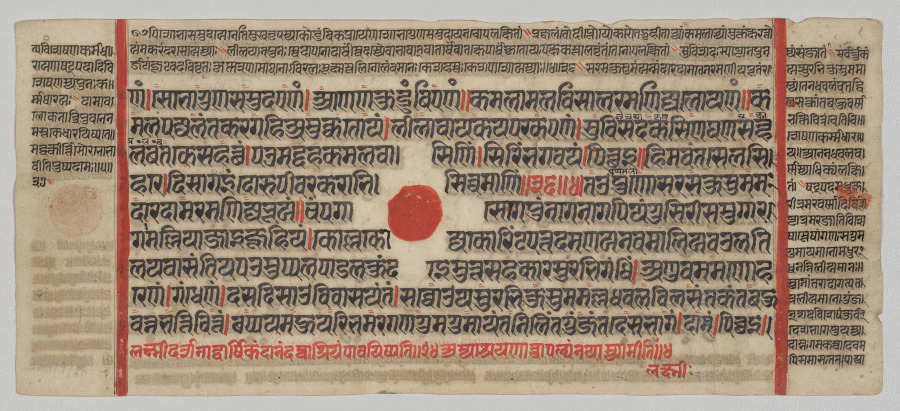
Text, Folio 16 (recto), from a Kalpa-sutra
Cleveland Museum of Art
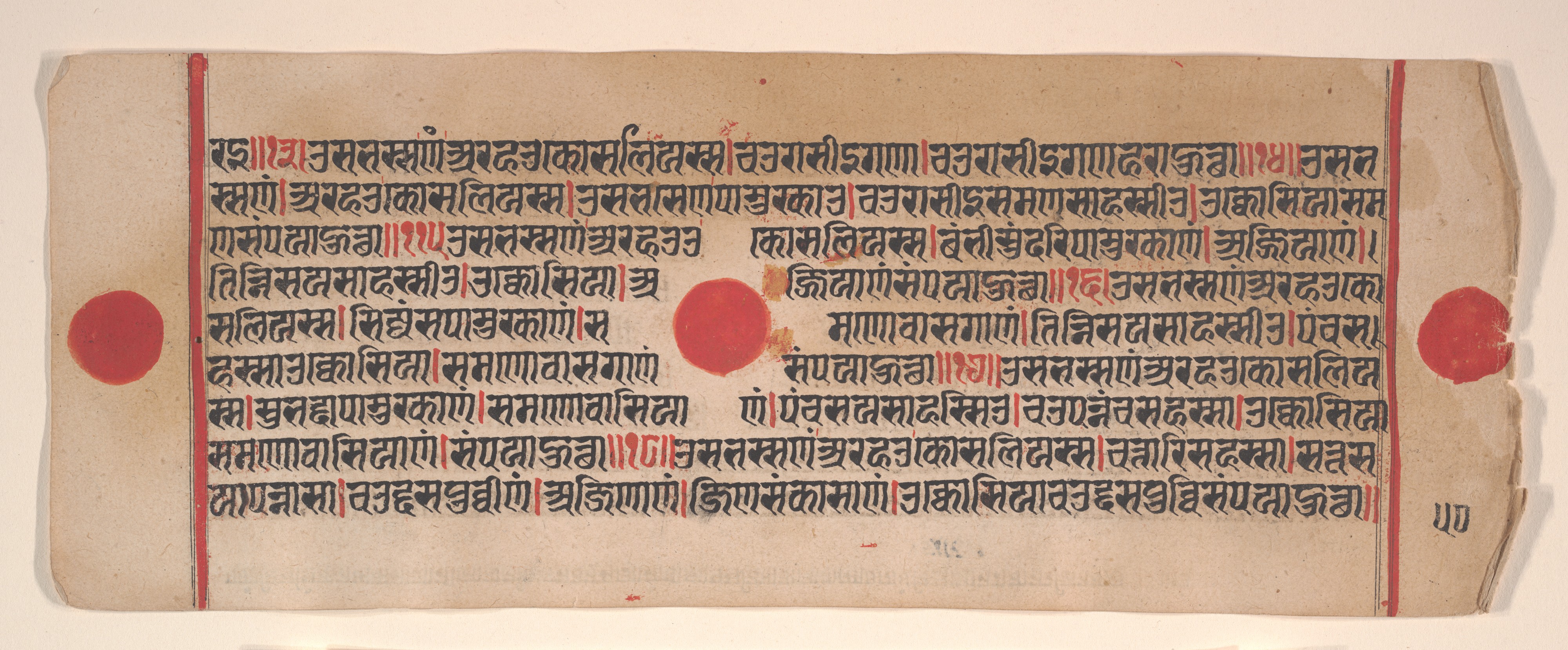
Leaf from a Kalpa Sutra (Jain Book of Rituals)
The Metropolitan Museum of Art
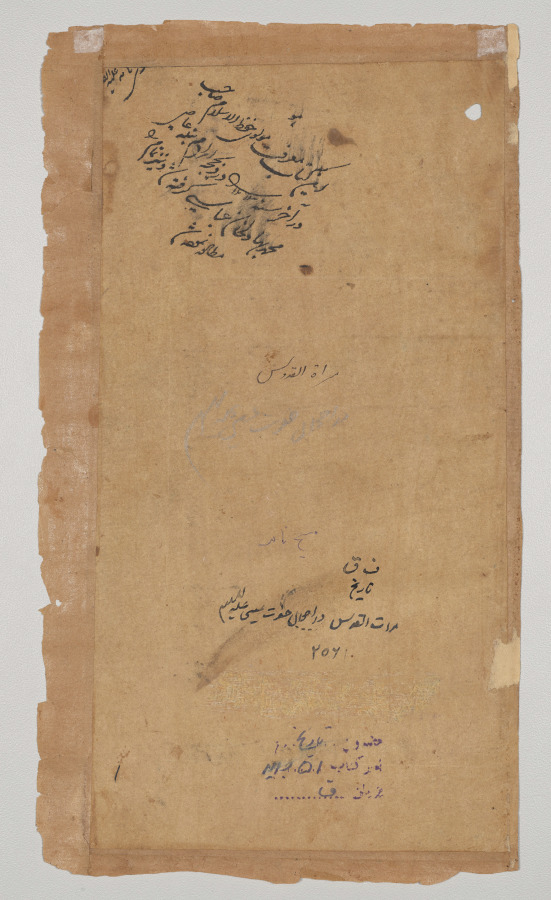
Text, Folio 1 (recto), from a Mirror of Holiness (Mir’at al-quds) of Father Jerome Xavier
Cleveland Museum of Art

Text, Folio 19 (verso), from a Manuscript of the Perfection of Wisdom in Eight Thousand Lines (Ashtasahasrika Prajnaparamita-sutra)
Cleveland Museum of Art
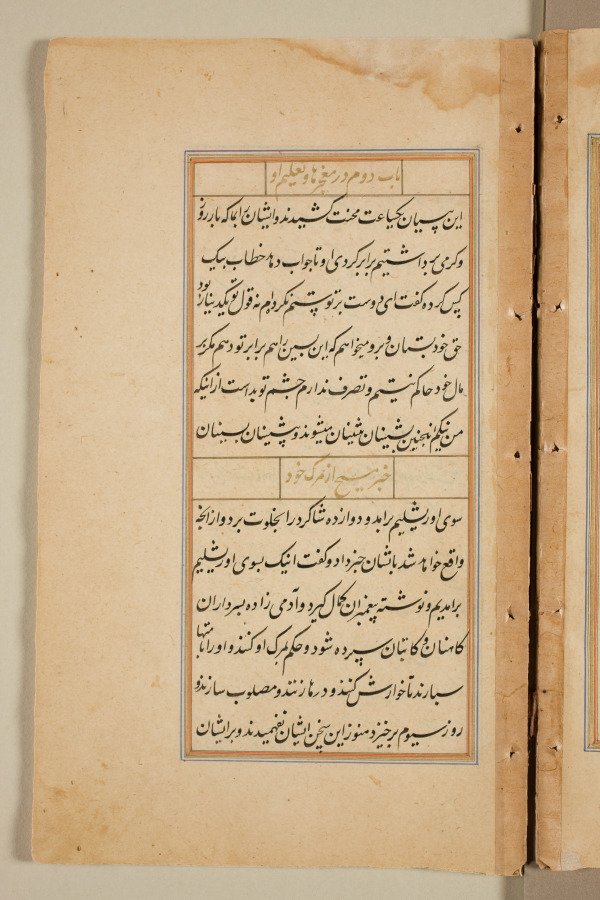
Text page from a Mirror of Holiness (Mir’at al-quds) of Father Jerome Xavier
Cleveland Museum of Art
Printed Lotus Sutra (Hokke-kyō), Vol. 5
Harvard Art Museums
Printed Lotus Sutra (Hokke-kyō), Vol. 2, Kasuga Edition
Harvard Art Museums

Initial I: Jeremiah
Getty Museum
Printed Lotus Sutra (Hokke-kyō), Vol. 9
Harvard Art Museums

Decorated Text Page
Getty Museum
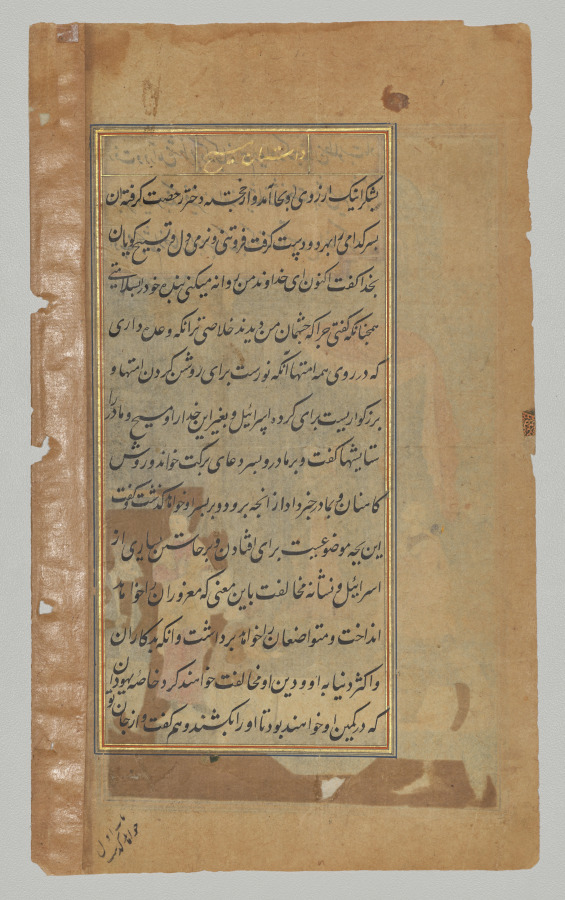
Text page from a Mirror of Holiness (Mir’at al-quds) of Father Jerome Xavier
Cleveland Museum of Art