Cleveland Museum of Art
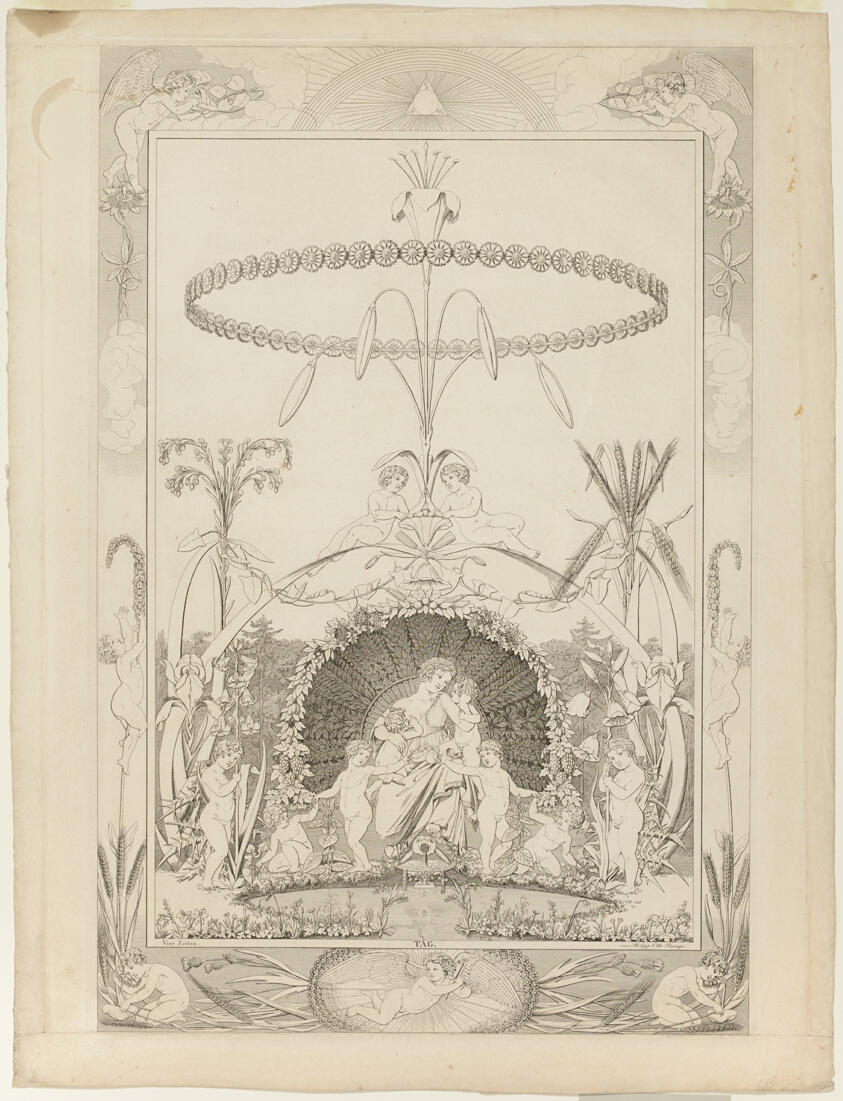
Day
Philipp Otto Runge
- Date
- 1803–5
- Medium
- etching on heavy wove paper
- Culture
- Germany
- Department
- Prints
- Institution
- Cleveland Museum of Art
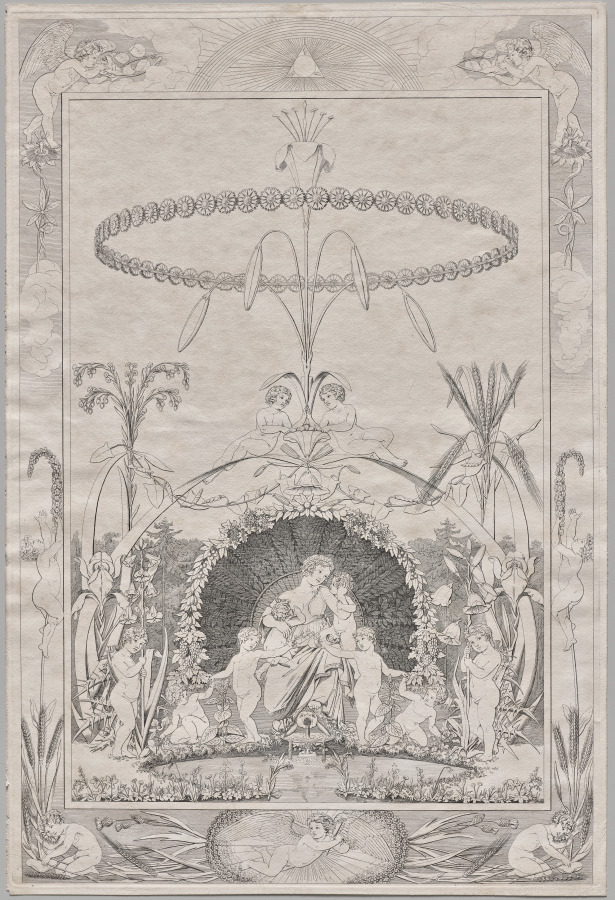
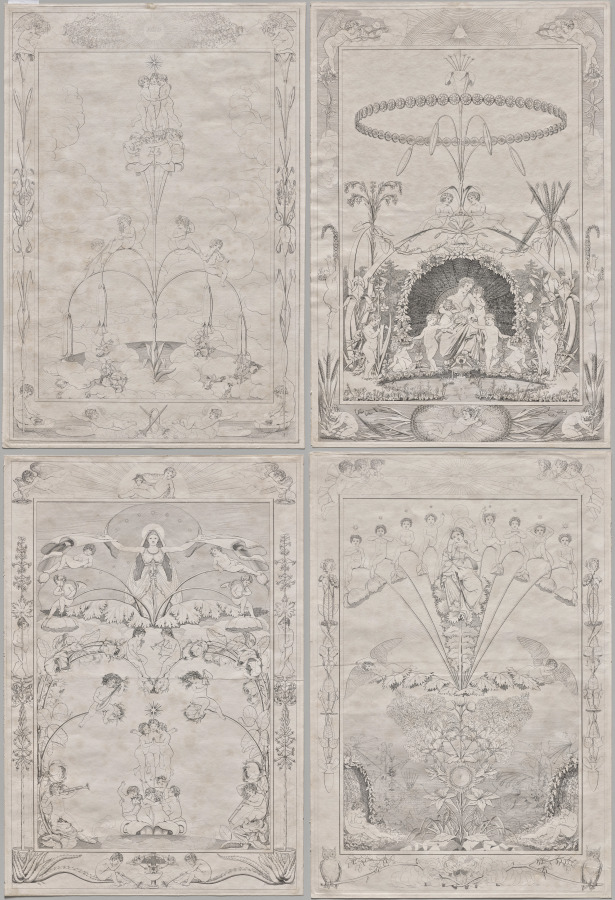
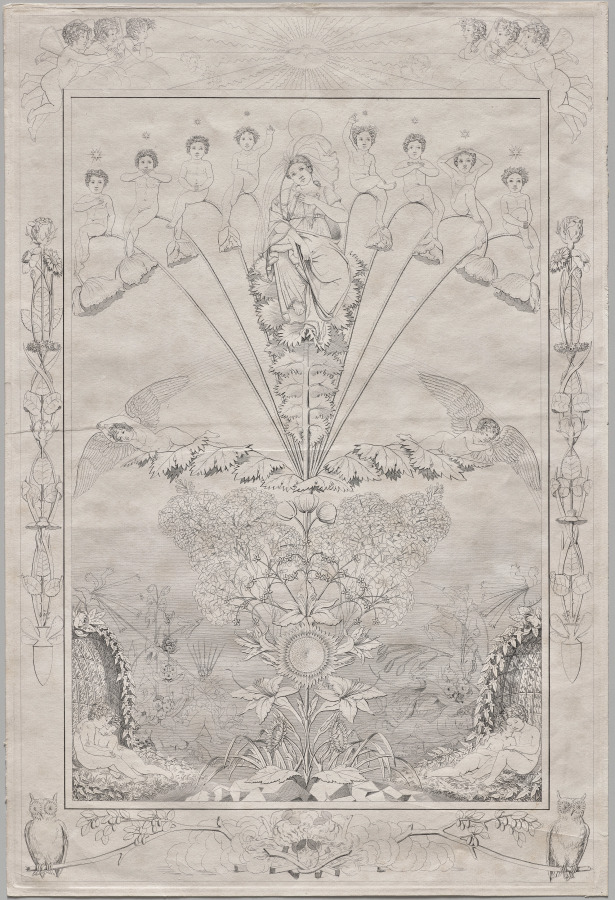
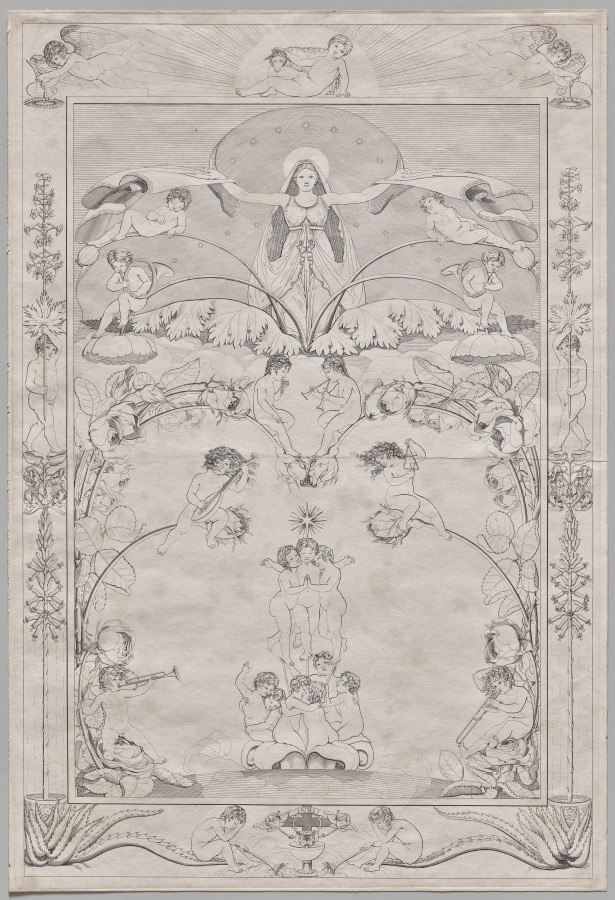
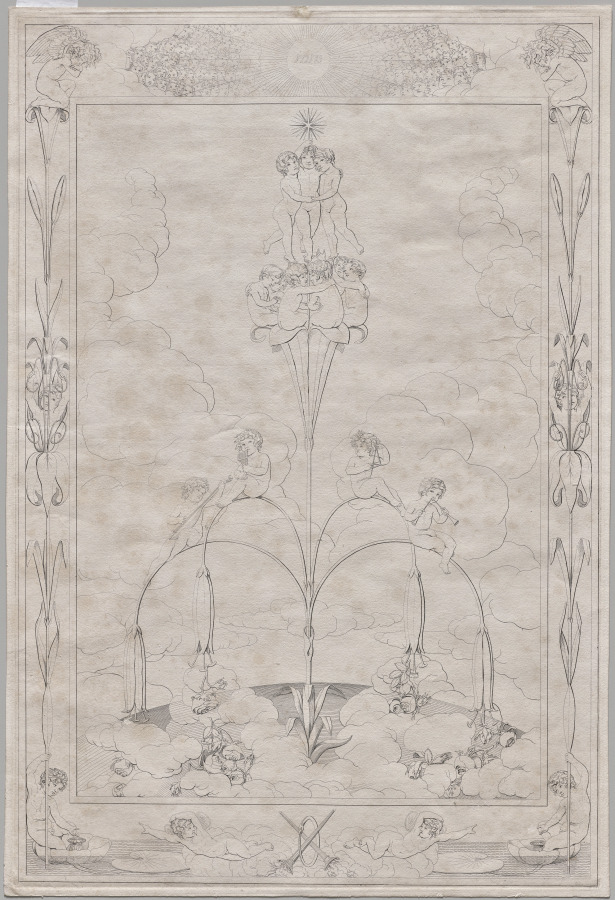
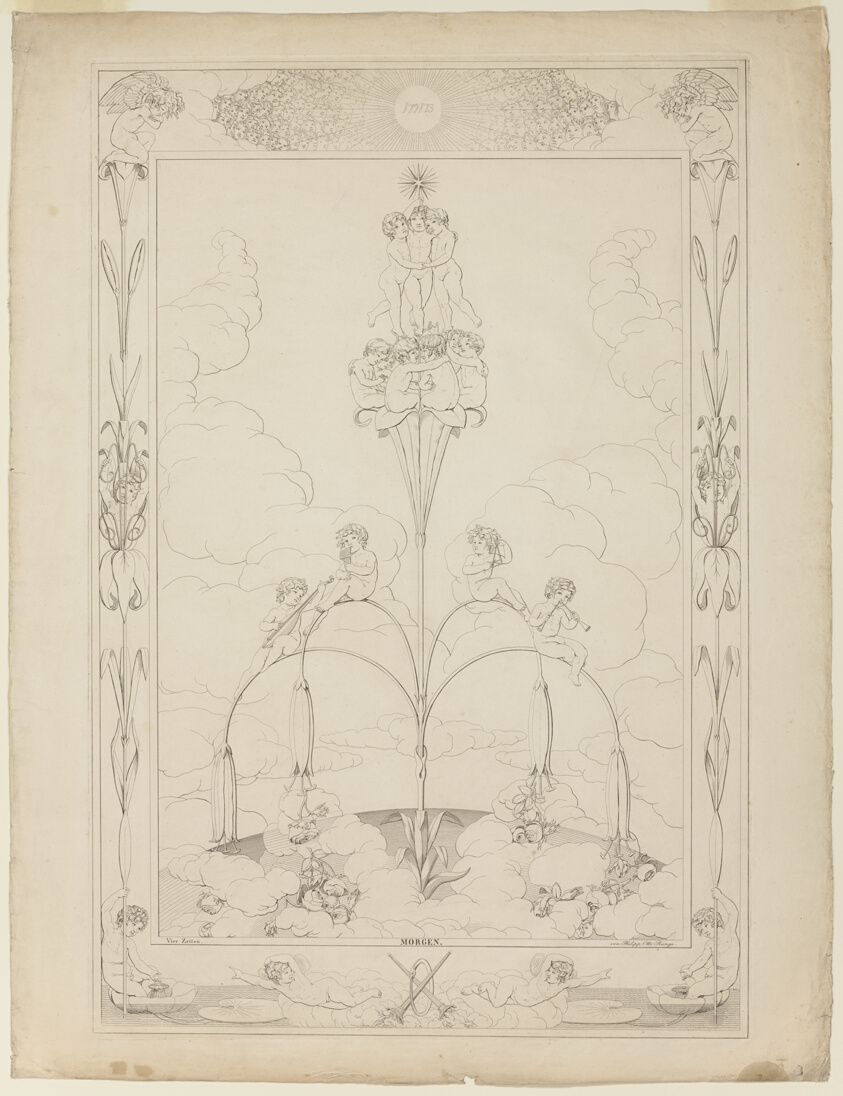
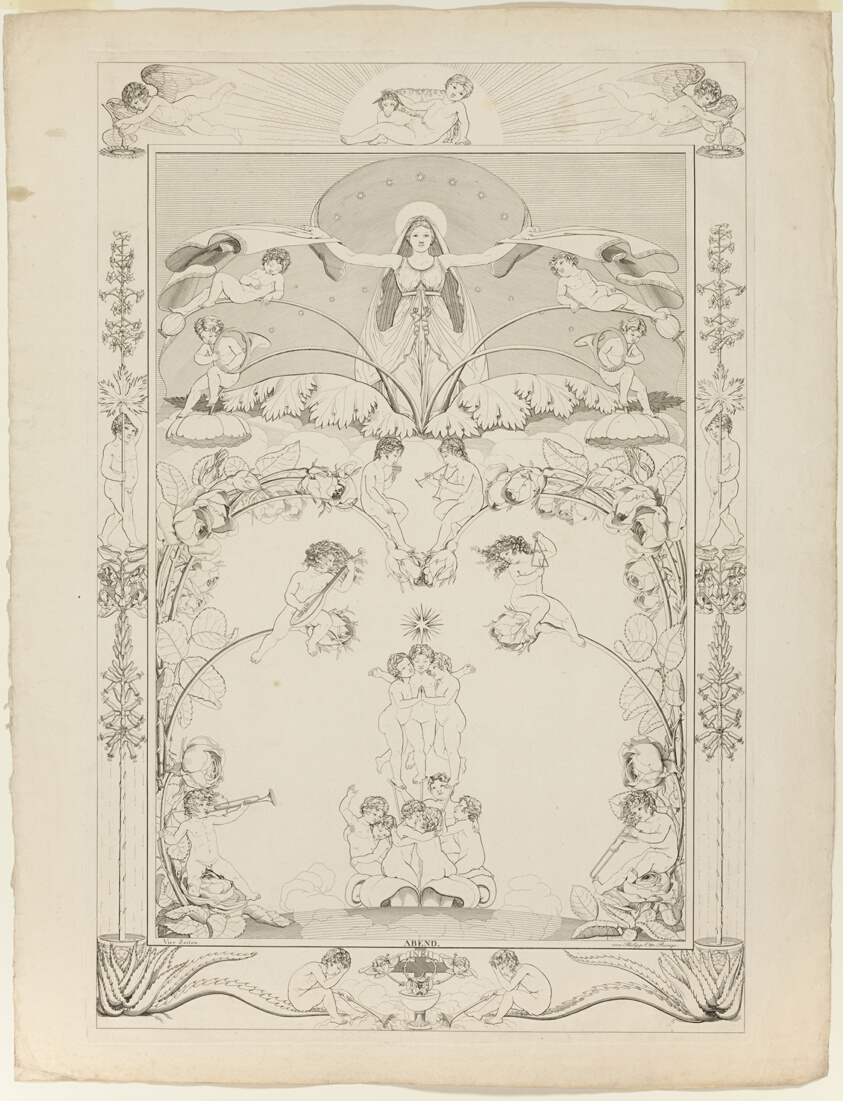
Phillip Otto Runge’s large-scale, four-part print series, Tageszeiten (Times of Day) , is a landmark of German Romantic printmaking, capturing the “new art” promoted by Runge and his contemporary, Caspar David Friedrich, one rooted in a more personal and spiritual response to nature. Runge presents allegories of nature as a means to understand God and the sublime on earth. His four-part series represents not only the four times of day but also the seasons and the stages of human life, while contrasting eternal time with human time through various literary and religious references. Viewing the series from Morning to Night , seedlings emerge from the earth, bloom, decay, and die. Young spirits or children are born, mature, and grow old, eventually entering a sleep reminiscent of death. A female figure appearing in two scenes, possibly Mother Nature, inspires abundance and then embraces its decline, suggesting nature’s continuity despite human mortality. In each plate, Runge contrasts eternal time with human time, or spirituality with physicality, by contrasting the iconography in the borders with that in the centers. After receiving a set of Times of Day as a gift from the artist, the German author Johann Wolfgang von Goethe (1749–1832) apparently exclaimed, “it’s enough to drive you crazy—beautiful, and mad at the same time!”
The authoritative record is held by Cleveland Museum of Art. LinkedCulture surfaces this object and its connections; it does not alter institutional metadata.
Related across collections
Semantically similar works from Cleveland Museum of Art and other institutions.
Times of Day
Cleveland Museum of Art
Night
Cleveland Museum of Art
Evening
Cleveland Museum of Art
Morning
Cleveland Museum of Art
Day
Art Institute of Chicago
Morning
Art Institute of Chicago
Evening
Art Institute of Chicago
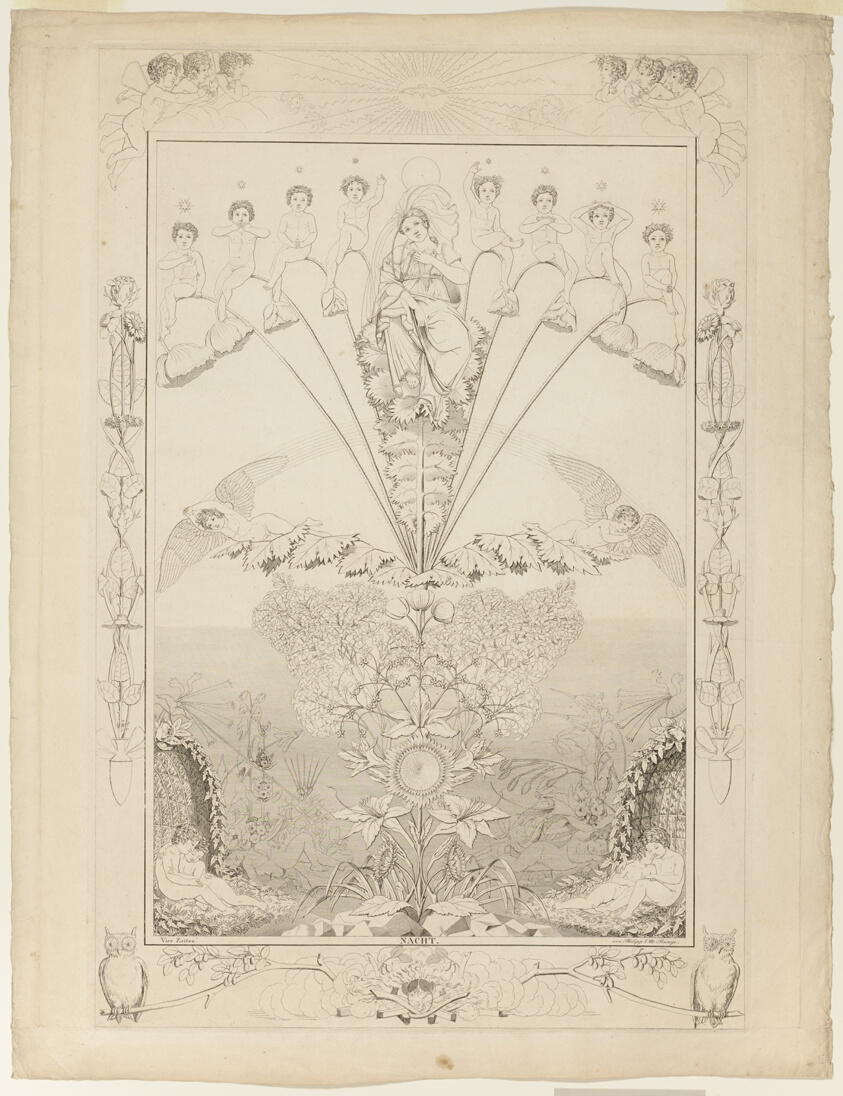
Night
Art Institute of Chicago
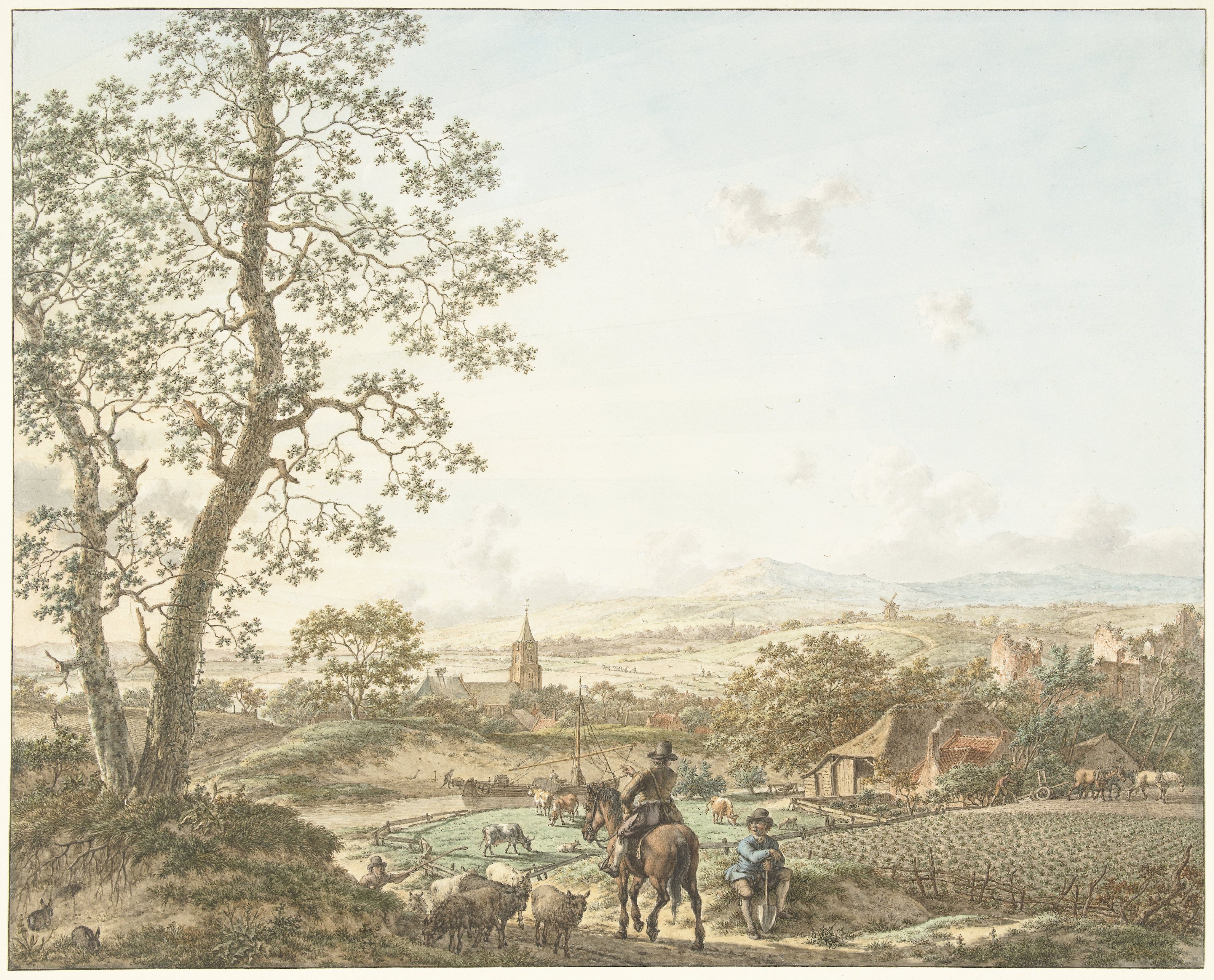
Lente, morgen en aarde Zomer, middag en lucht Herfst, avond en water Winter, nacht en vuur
Rijksmuseum
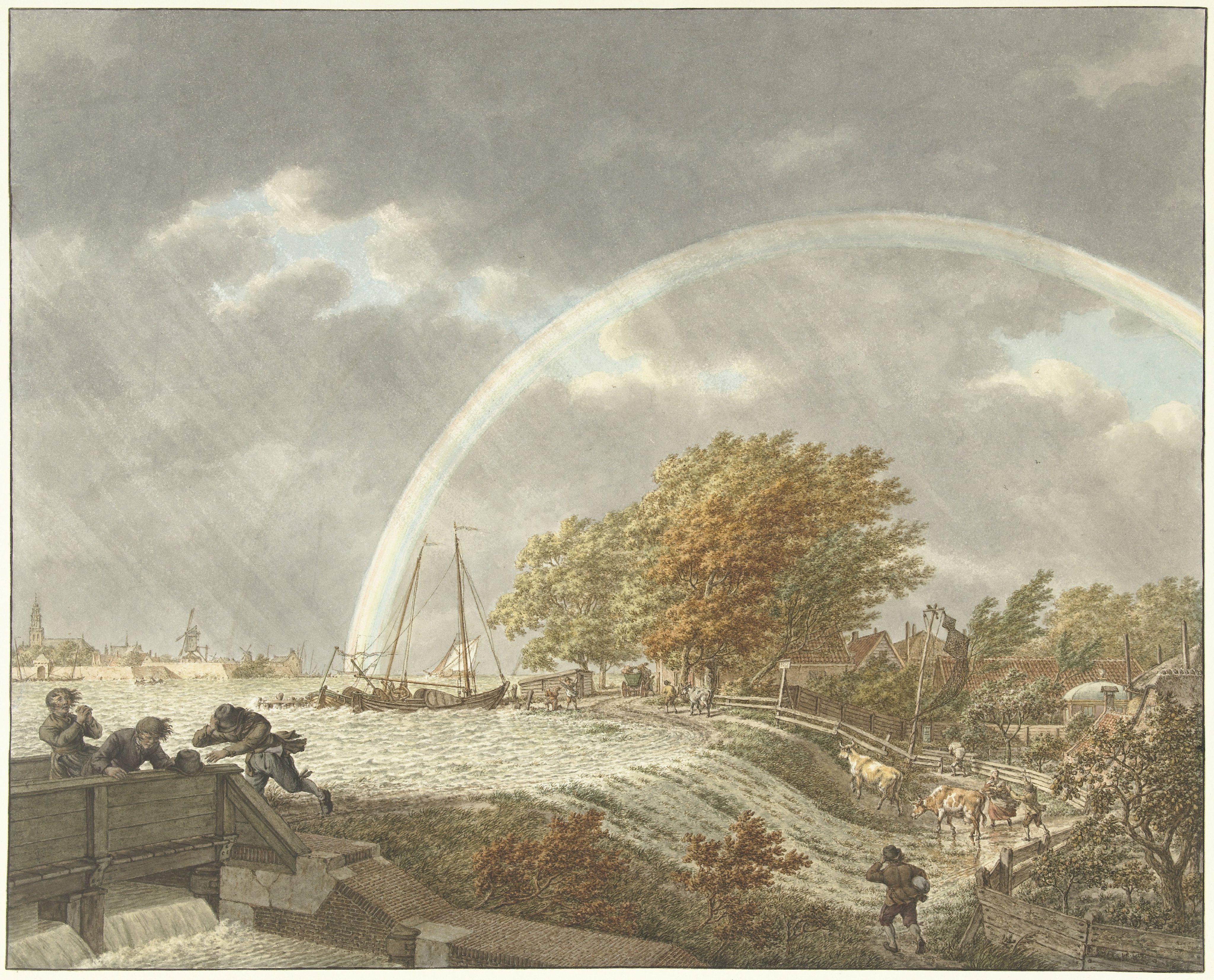
Lente, morgen en aarde Zomer, middag en lucht Herfst, avond en water Winter, nacht en vuur
Rijksmuseum
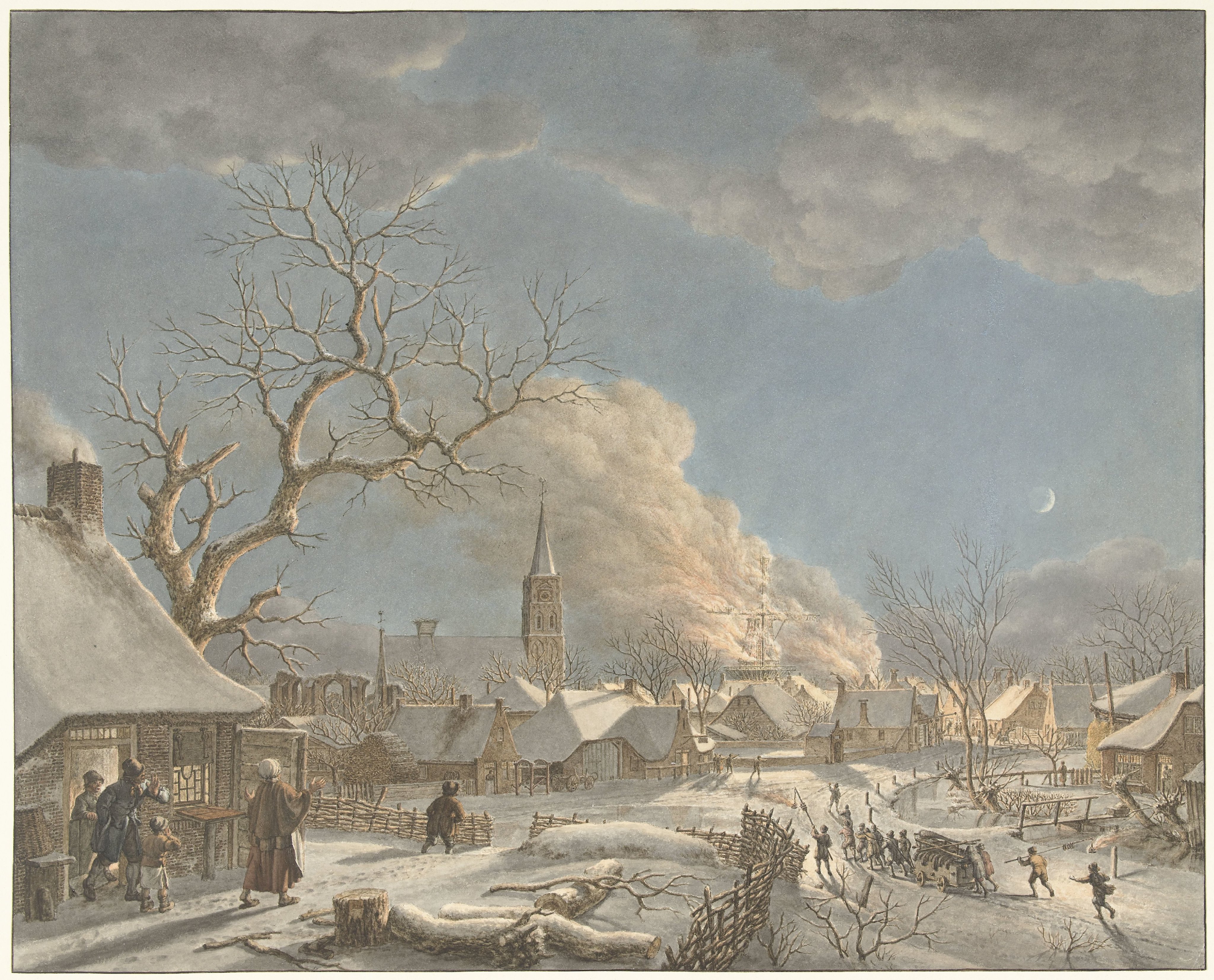
Lente, morgen en aarde Zomer, middag en lucht Herfst, avond en water Winter, nacht en vuur
Rijksmuseum
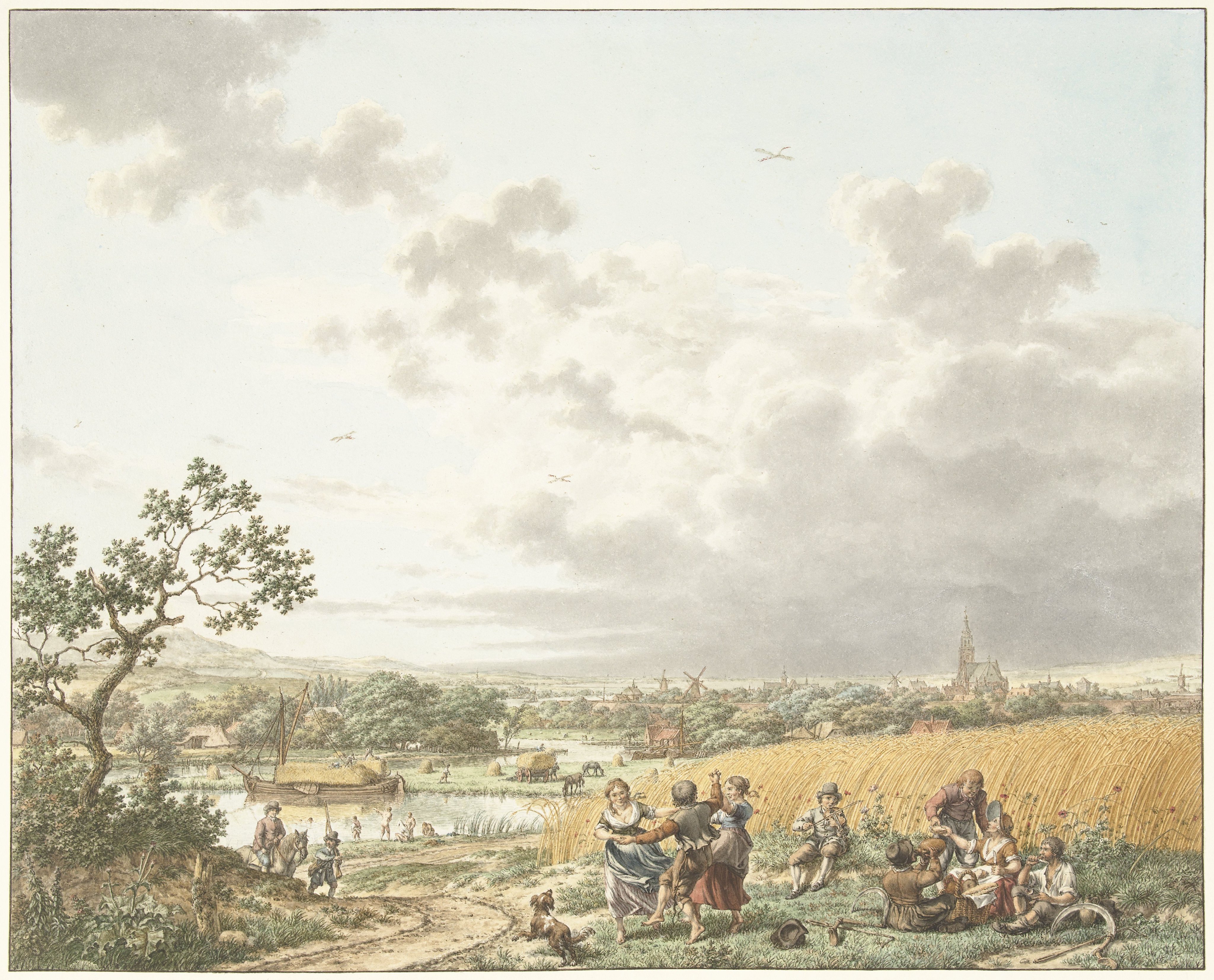
Lente, morgen en aarde Zomer, middag en lucht Herfst, avond en water Winter, nacht en vuur
Rijksmuseum