Cleveland Museum of Art
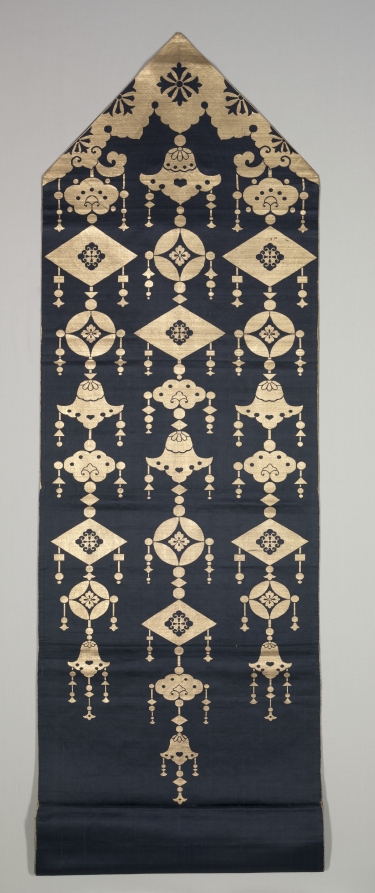
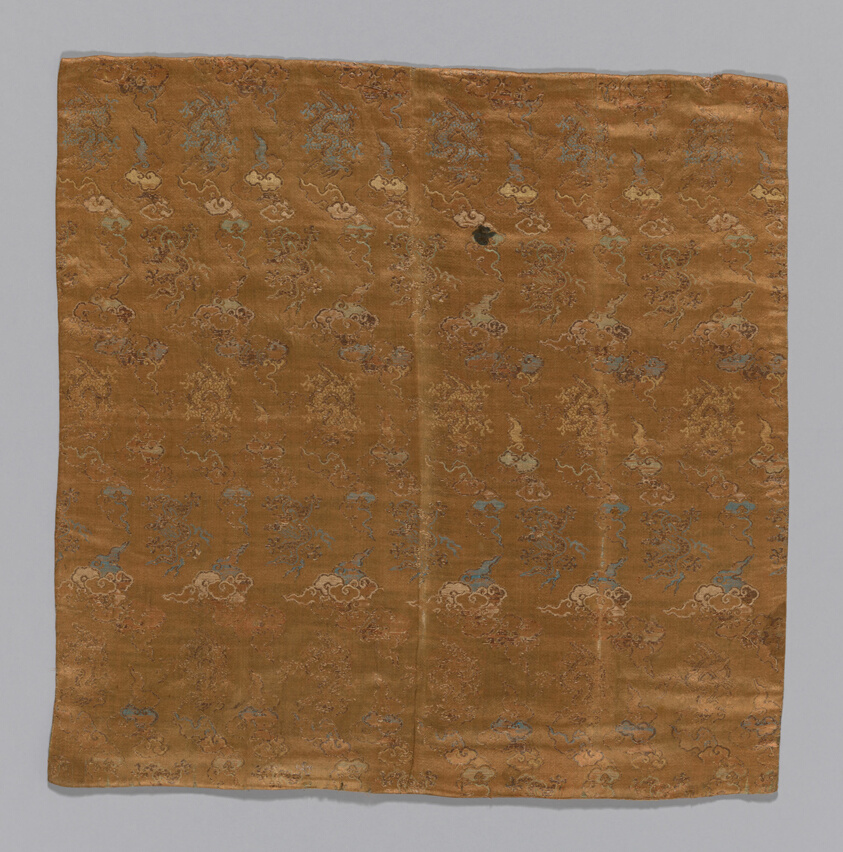
Sumibōshi
- Date
- 1800–1850
- Medium
- silksatin weave; metal thread weft
- Culture
- Japan, Edo period (1615–1868)
- Department
- Textiles
- Institution
- Cleveland Museum of Art
Sumibōshi literally means "hat with corners" in Japanese, and refers to the square shape made when this textile hat is tied on the head. Actors playing the roles of religious figures in Nō theater often wear this kind of cap. It derives from Buddhist vestments. The design on this hat is meant to resemble metal hanging ornaments adorning the interiors of Japanese Buddhist temples.
The authoritative record is held by Cleveland Museum of Art. LinkedCulture surfaces this object and its connections; it does not alter institutional metadata.
Related across collections
Semantically similar works from Cleveland Museum of Art and other institutions.

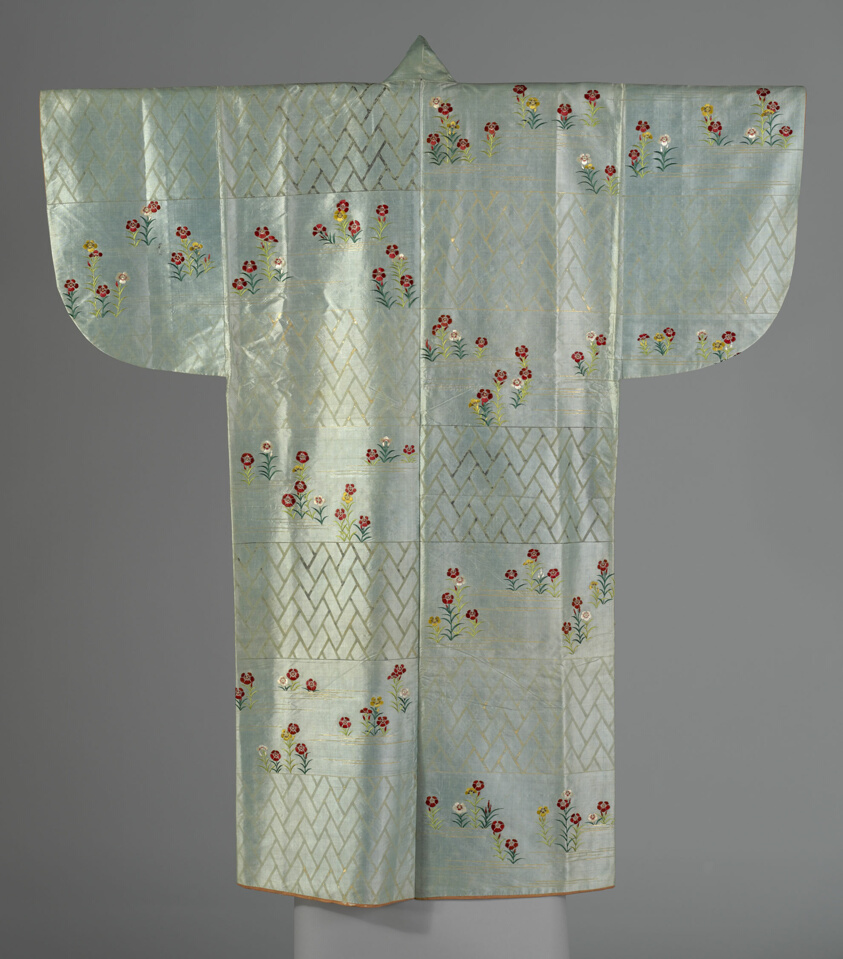
Nuihaku (Noh Costume)
Art Institute of Chicago
Nuihaku (Noh Costume)
Art Institute of Chicago
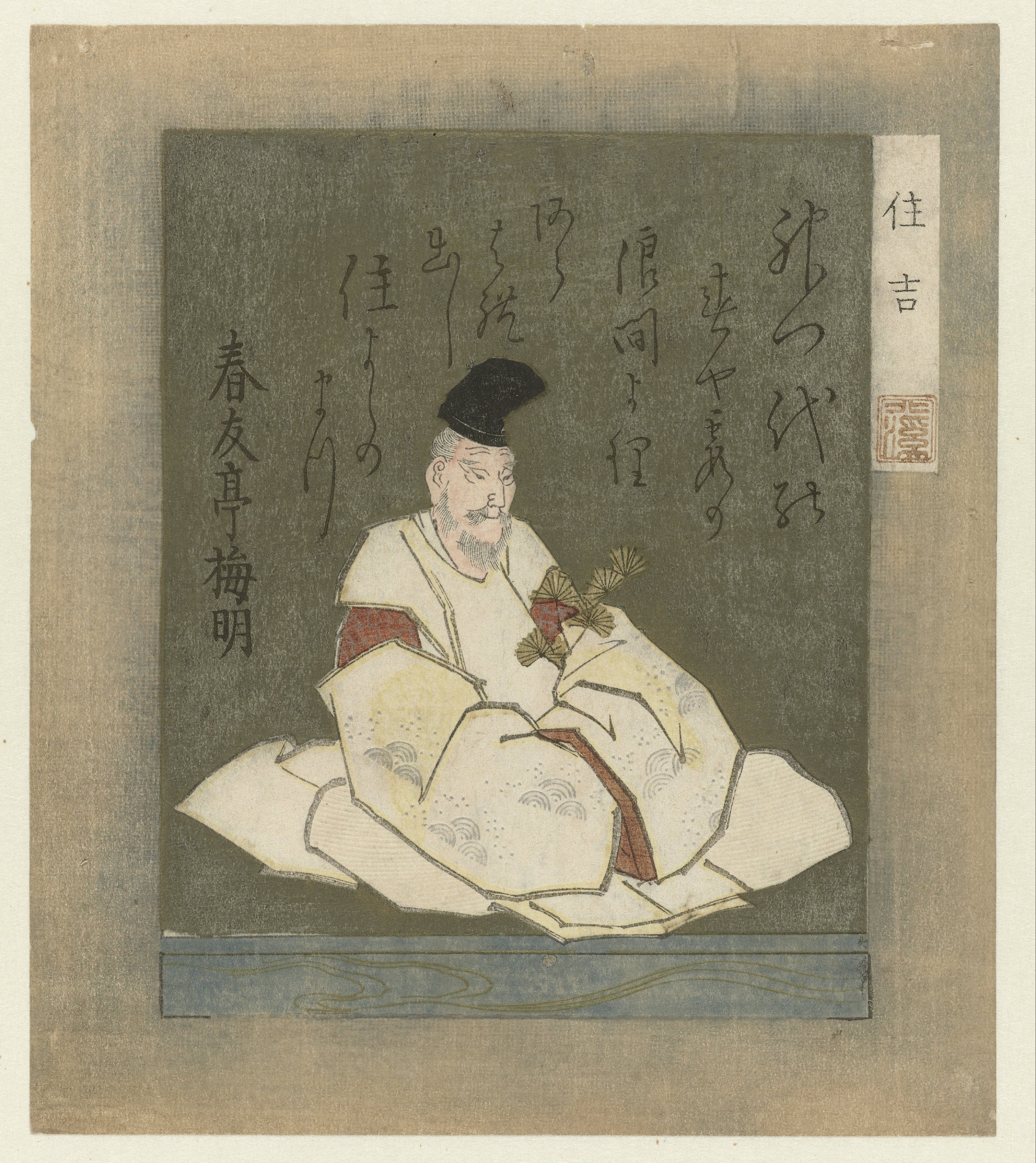
De dichter Sumiyoshi Myôjin
Rijksmuseum
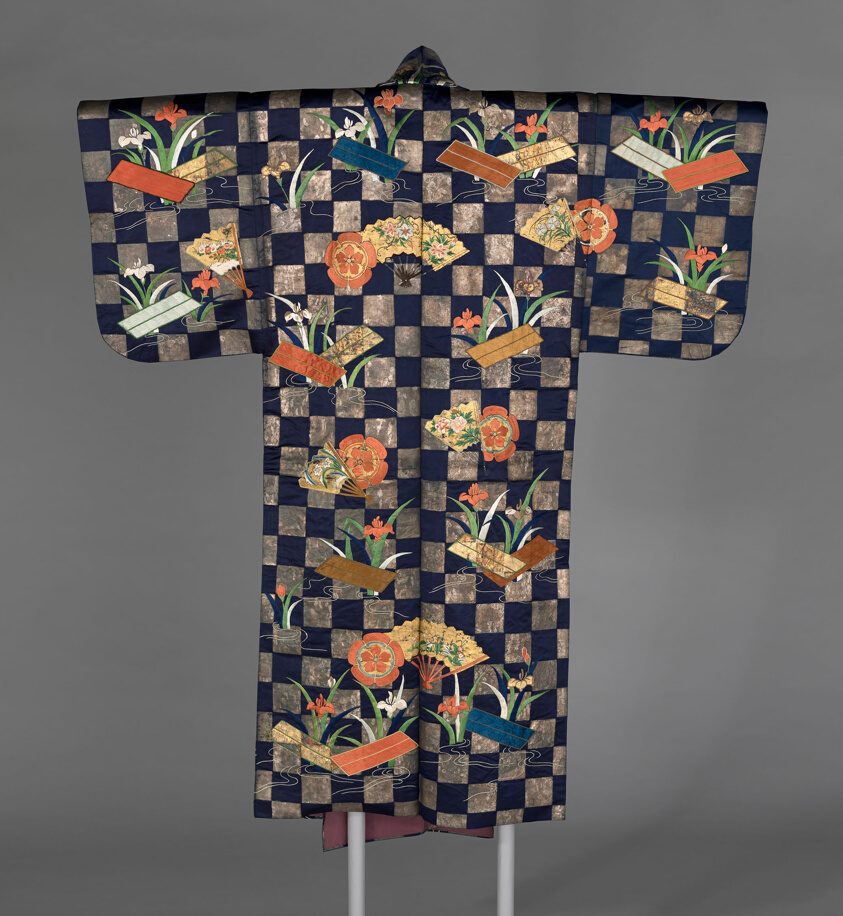
Nuihaku (Noh Costume)
Art Institute of Chicago

Bowler hat
Minneapolis Institute of Art

Case for bowler hat
Minneapolis Institute of Art
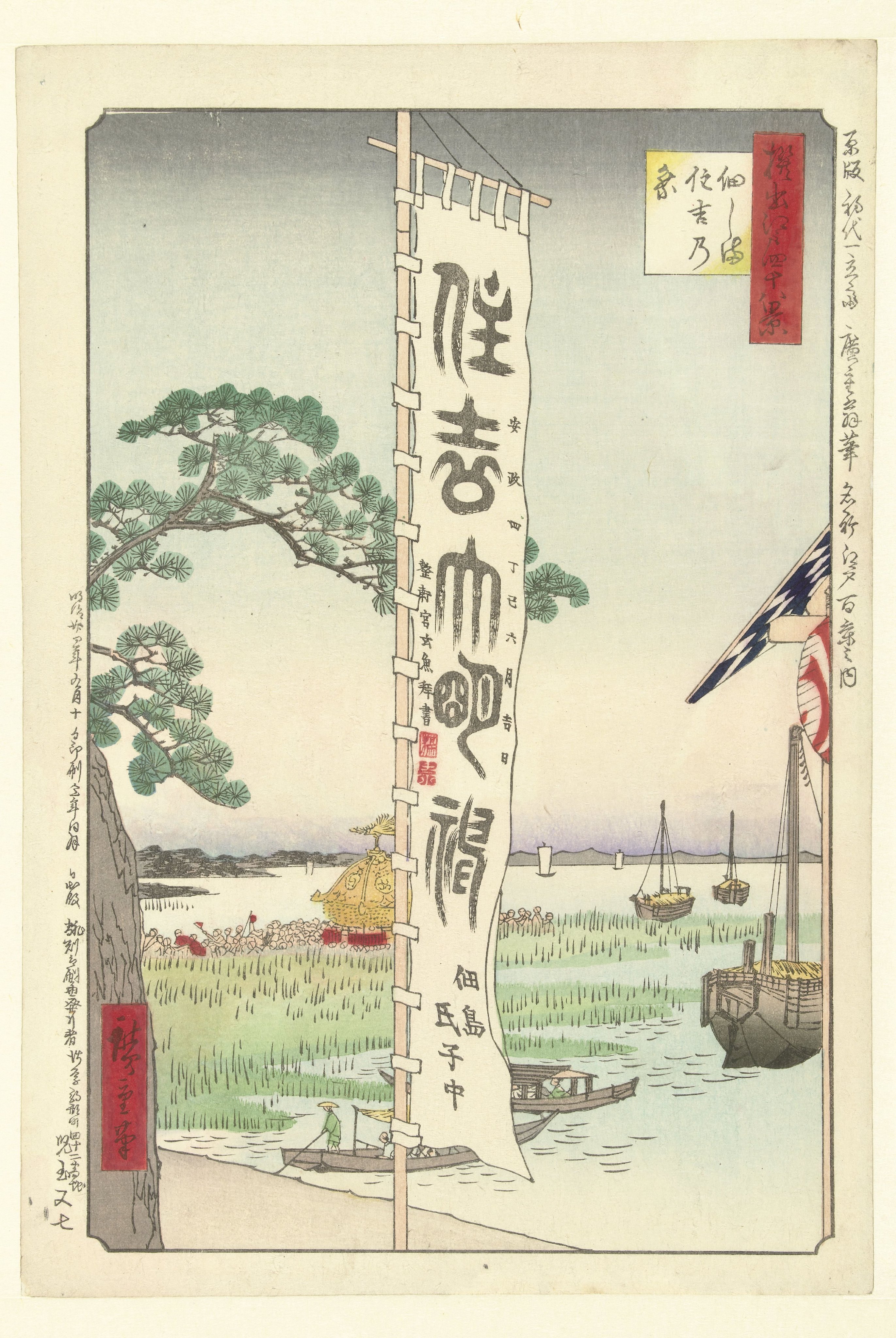
Sumiyoshi festival te Tsukudajima
Rijksmuseum
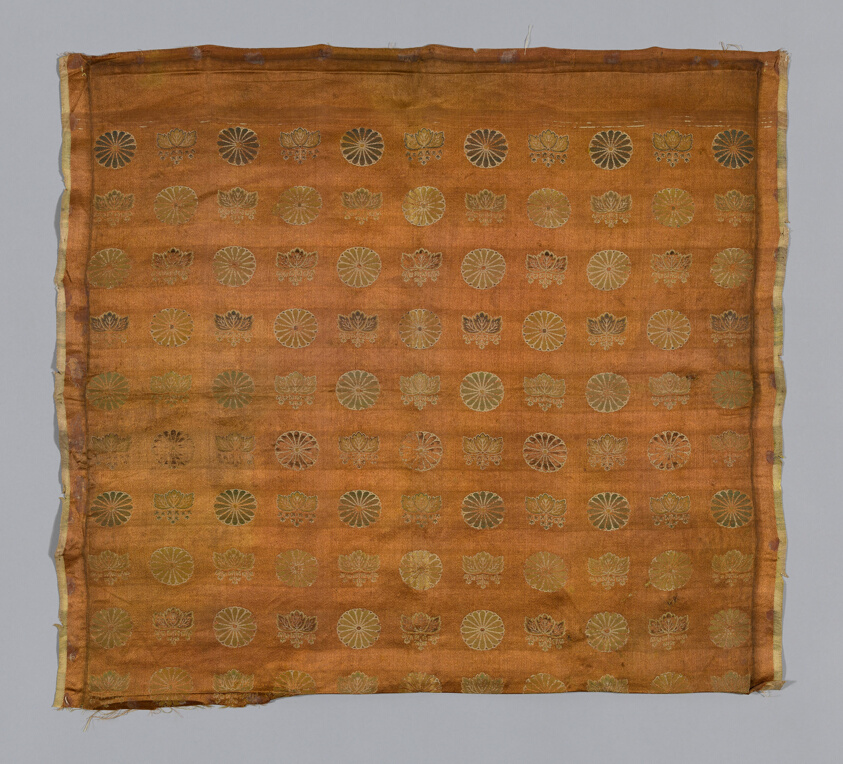
Uchishiki (Altar Cloth)
Art Institute of Chicago
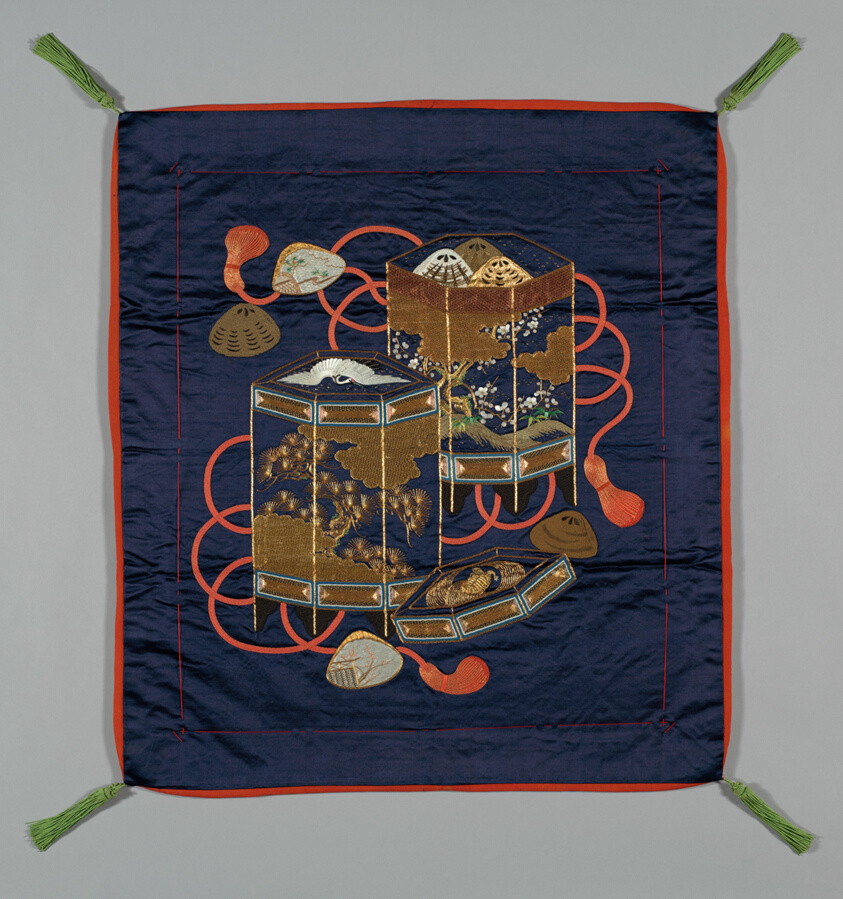
Fukusa (Gift Cover)
Art Institute of Chicago
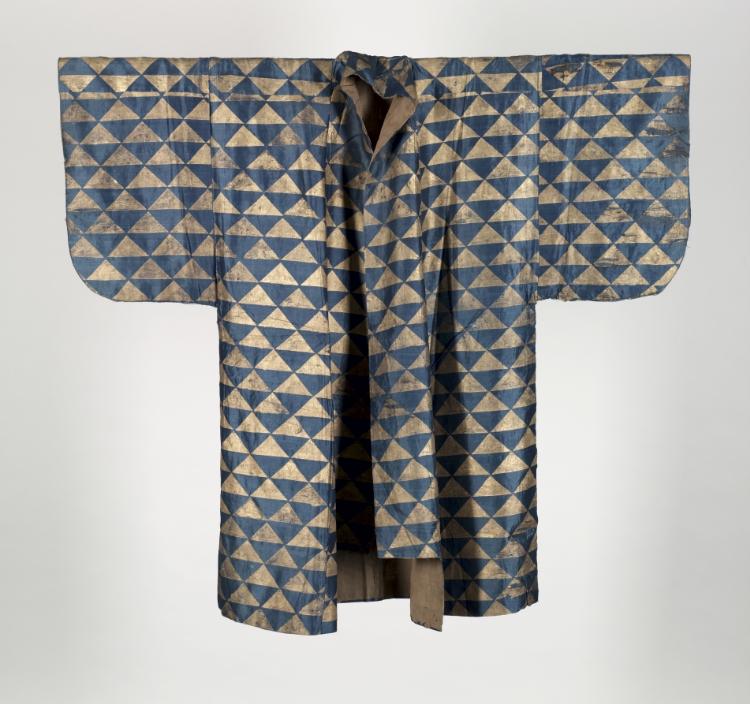
Noh Costume (Surihaku) with Fish-Scale Pattern
Cleveland Museum of Art

Noh costume (nuihaku)
Minneapolis Institute of Art
Uchishiki (Altar Cloth)
Art Institute of Chicago