Cleveland Museum of Art
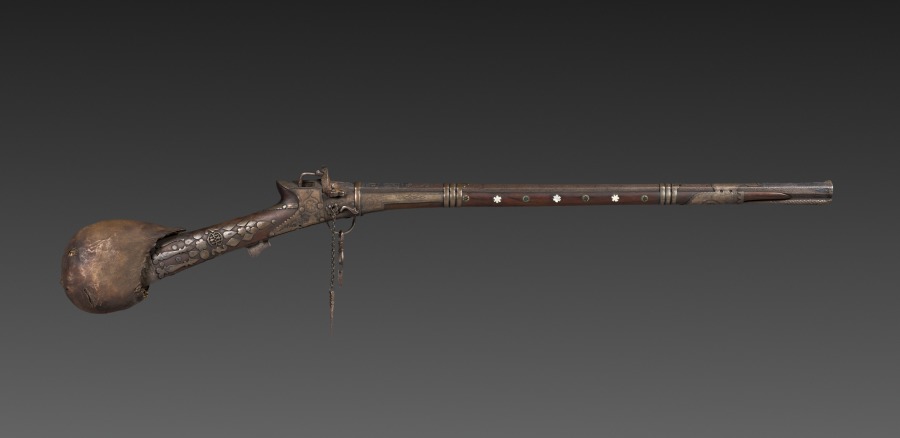
Matchlock Musket
- Date
- c. 1750
- Medium
- Wood, steel, brass, mother-of-pearl inlay, and leather
- Culture
- Turkey, Ottoman period (1299–1922)
- Department
- Islamic Art
- Institution
- Cleveland Museum of Art
Collectively, the Safavid, Mughal, and Ottoman empires are known as the Gunpowder Empires. Particularly from the 1500–1700s, they were among the strongest economic, cultural, and militaristic powers. Each trained and equipped their armies with the latest gunpowder firearms, particularly cannons and muskets. While used in battle, muskets were also used for leisure activities, particularly hunting. The decoration on this musket suggests it was a courtly item, fitted with a leather pad to protect the shooter from the force of the explosion after firing. A matchlock musket was loaded from the muzzle end with a scouring stick kept in a sleeve on the underside of the barrel.
The authoritative record is held by Cleveland Museum of Art. LinkedCulture surfaces this object and its connections; it does not alter institutional metadata.
Related across collections
Semantically similar works from Cleveland Museum of Art and other institutions.
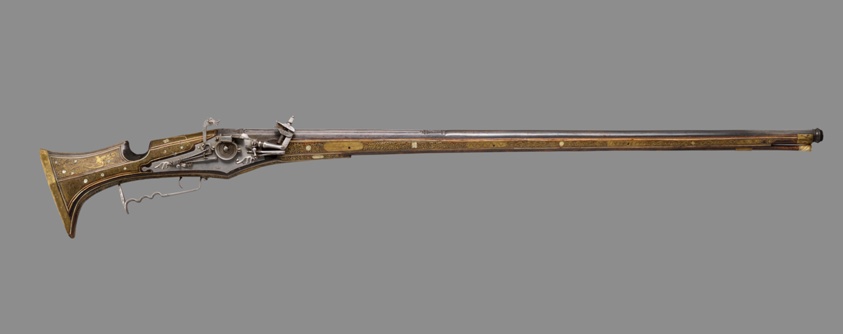
Wheellock-Matchlock Musket
Art Institute of Chicago
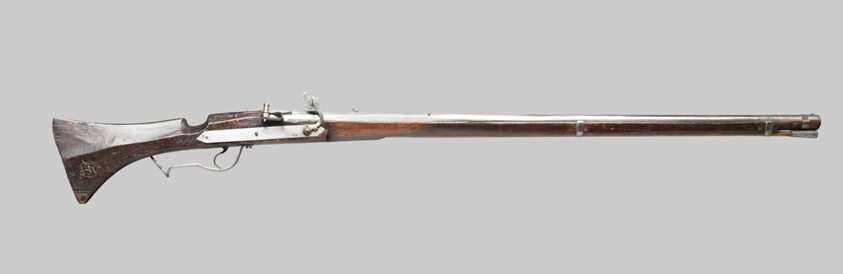
Matchlock Musket
Art Institute of Chicago
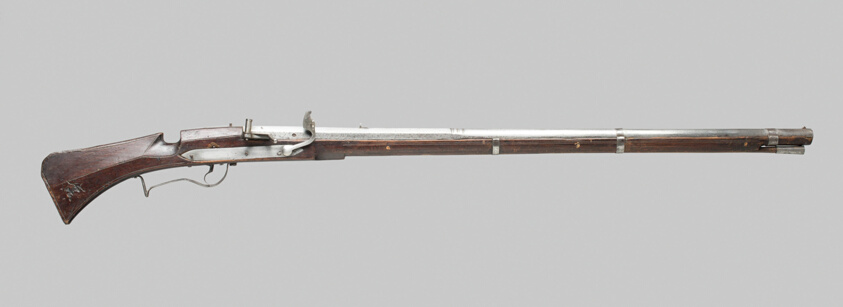
Matchlock Musket
Art Institute of Chicago
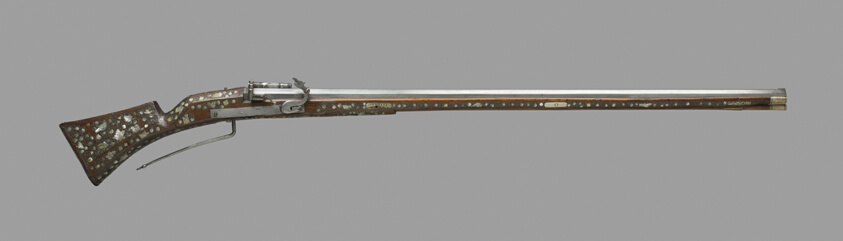
Matchlock Musket for Target Shooting for the Court of Christian II, Elector of Saxony
Art Institute of Chicago
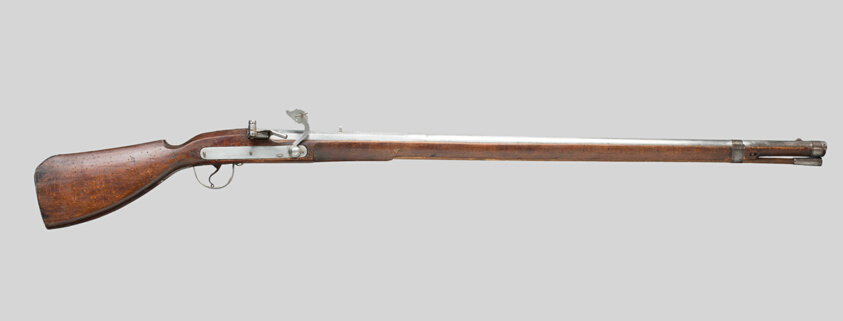
Matchlock Musket
Art Institute of Chicago

Ammunition backpack
Minneapolis Institute of Art

Gunner's Linstock (Matchholder) combined with Spear
Art Institute of Chicago
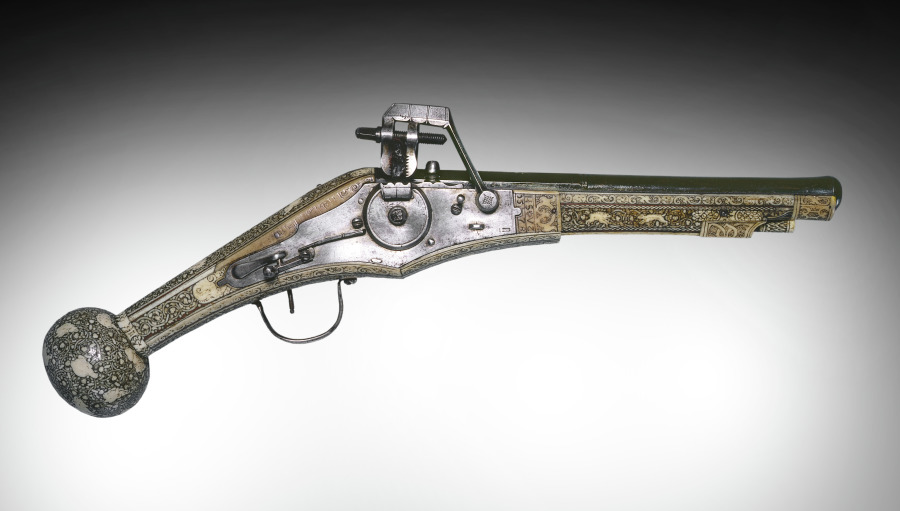
Wheel-Lock Hunting Pistol
Cleveland Museum of Art
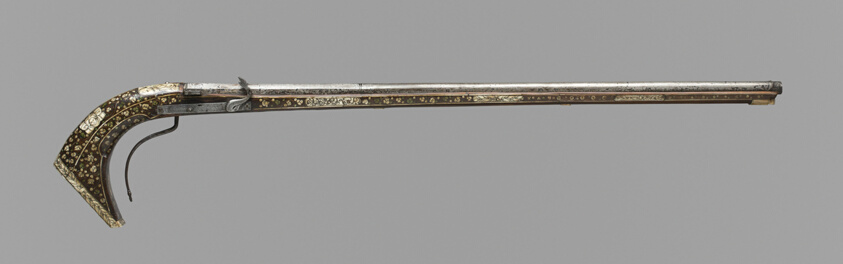
Matchlock Petronel
Art Institute of Chicago
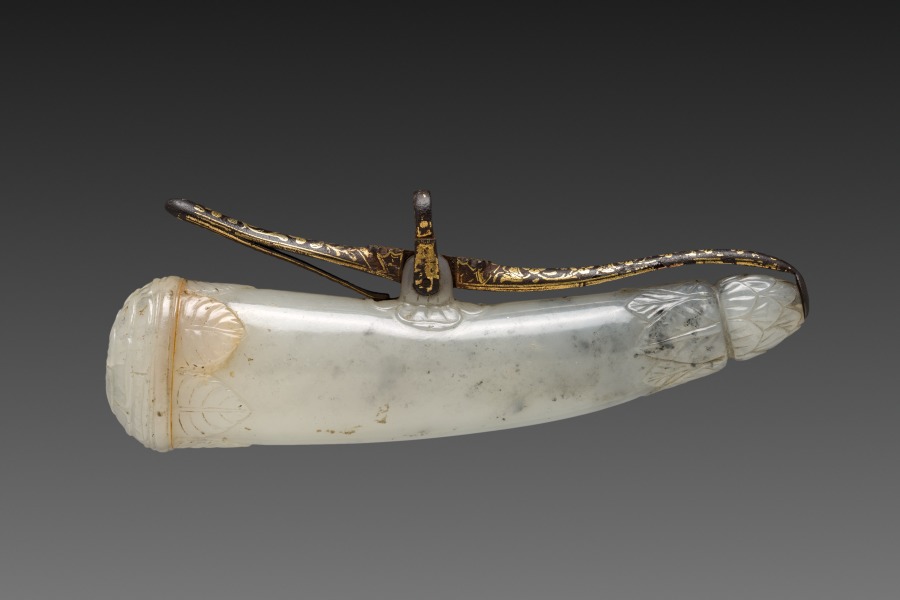
Powder horn
Cleveland Museum of Art
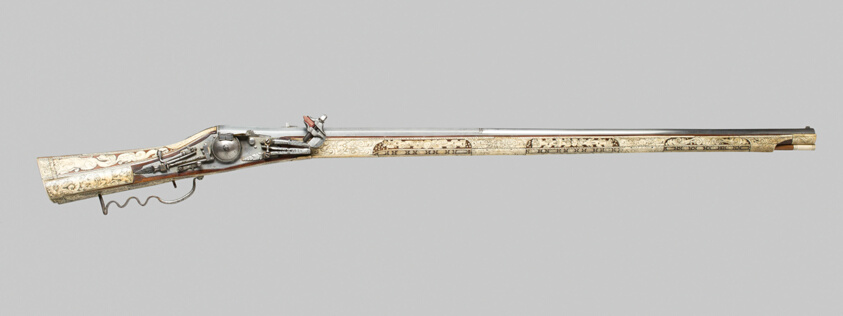
Wheellock-Matchlock Gun
Art Institute of Chicago

Gunpowder Flask
Minneapolis Institute of Art