Cleveland Museum of Art
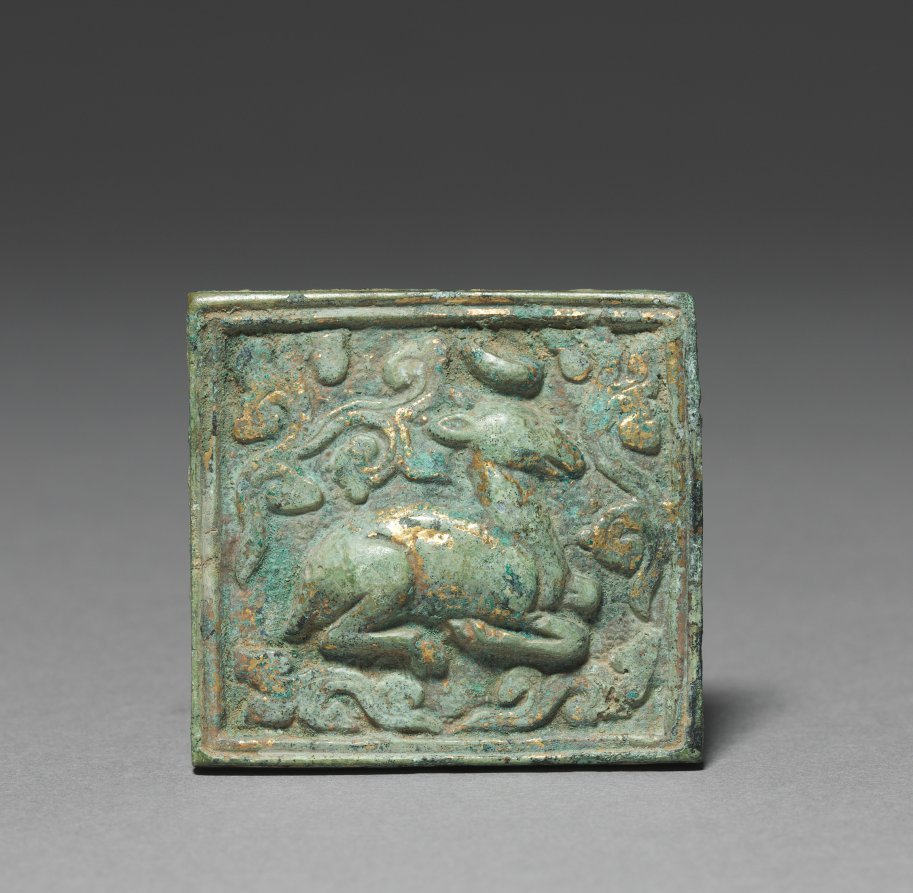
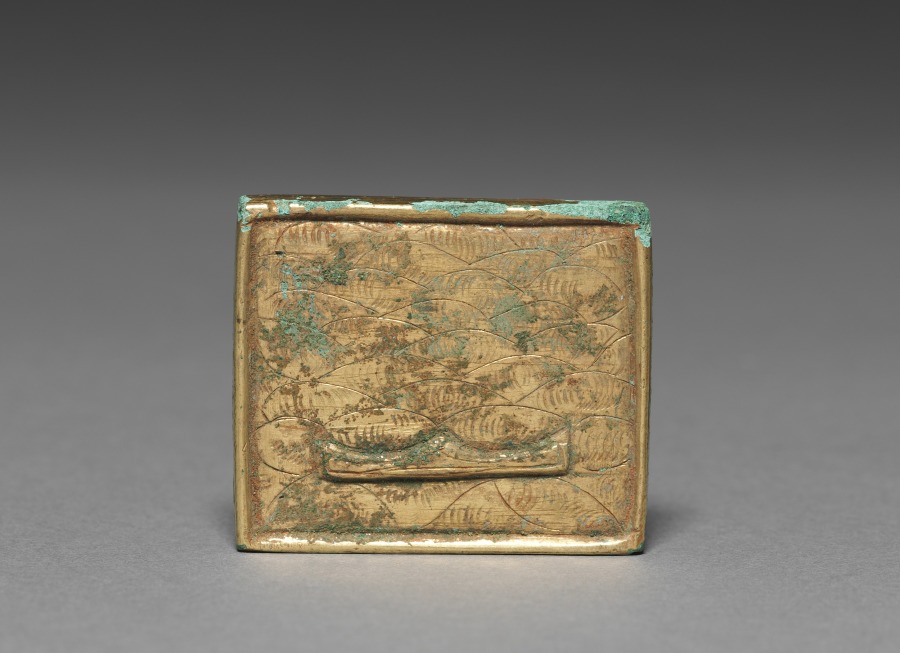
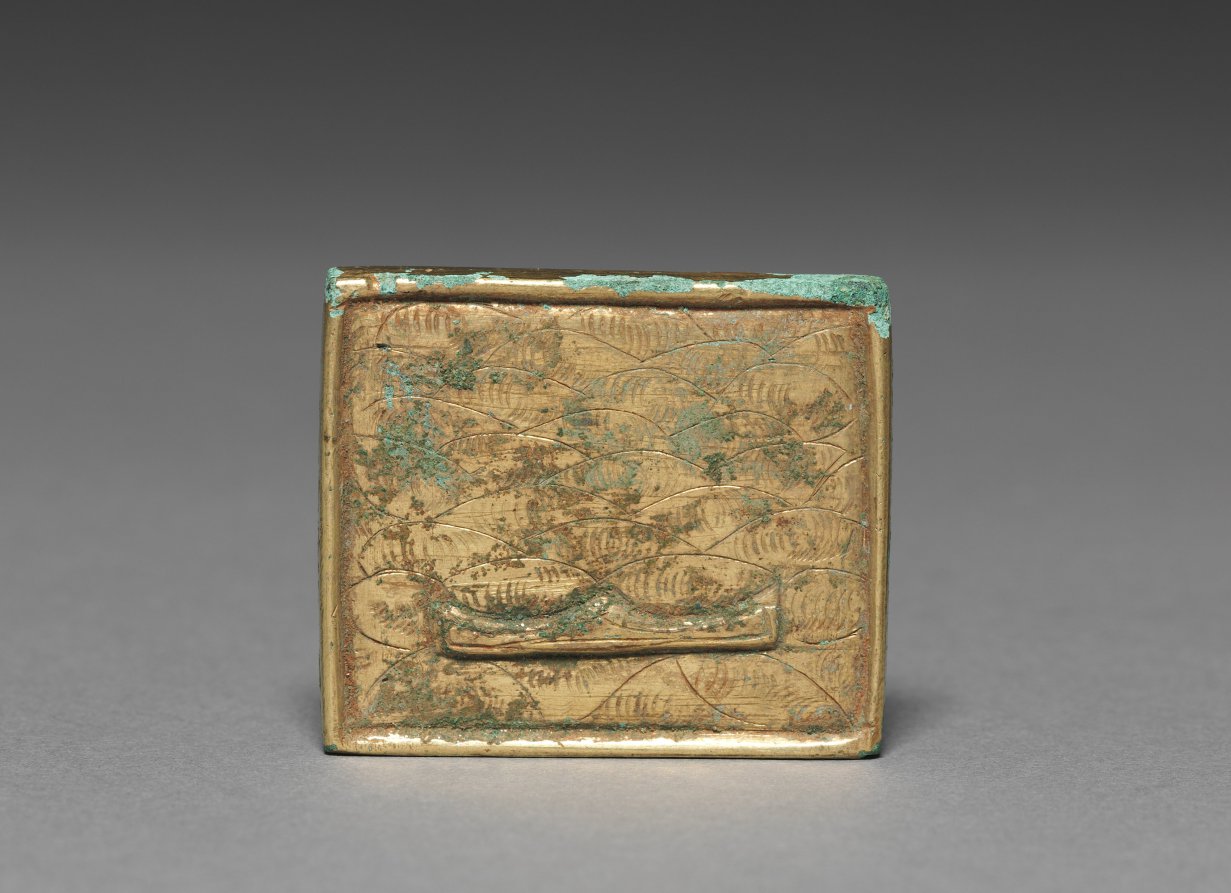
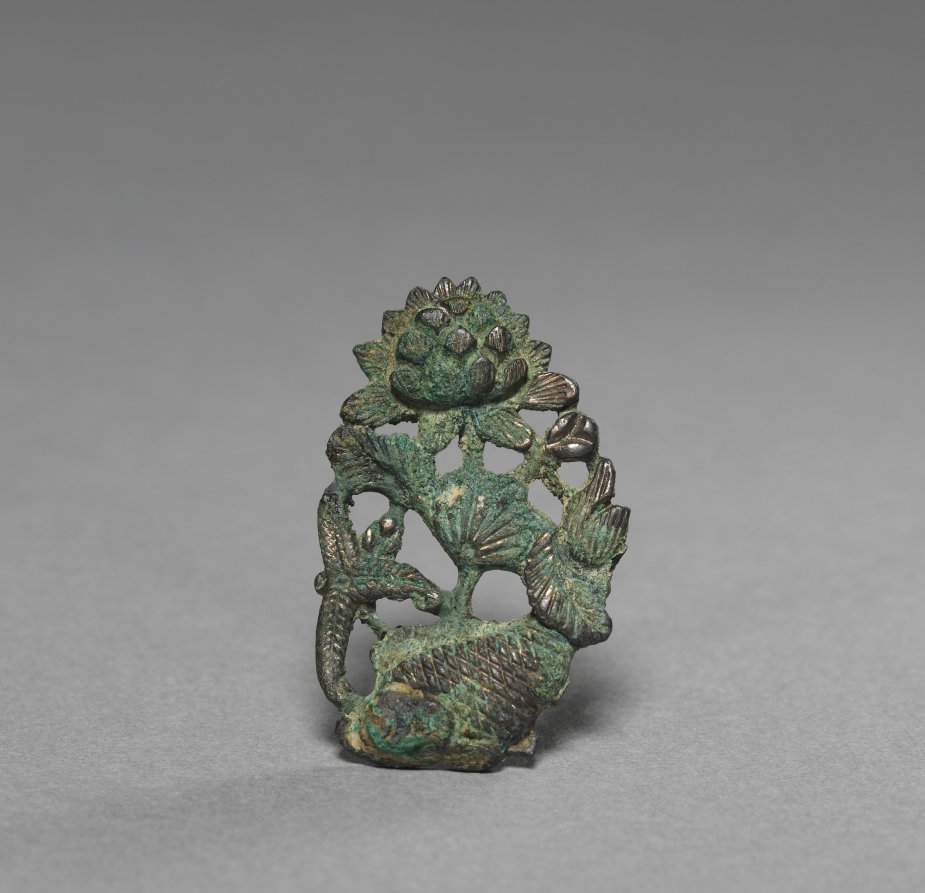
Belt Ornament
- Date
- 1100s
- Medium
- gilt bronze with repoussé relief
- Culture
- Korea, Goryeo dynasty (918–1392)
- Department
- Korean Art
- Institution
- Cleveland Museum of Art
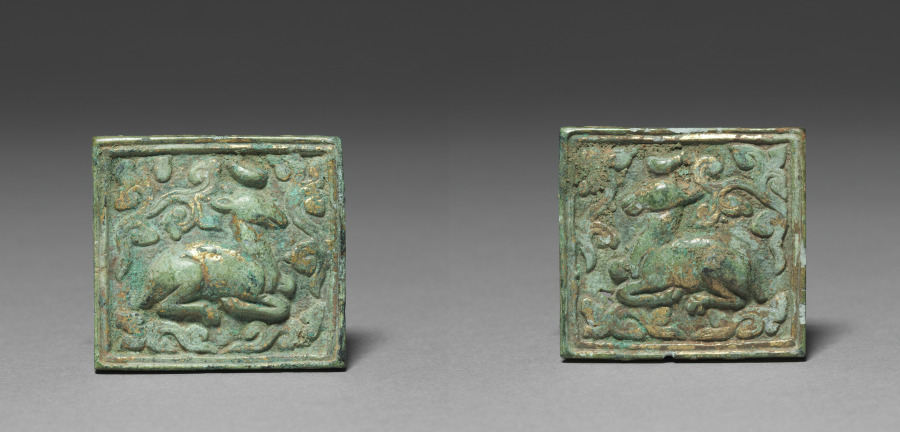
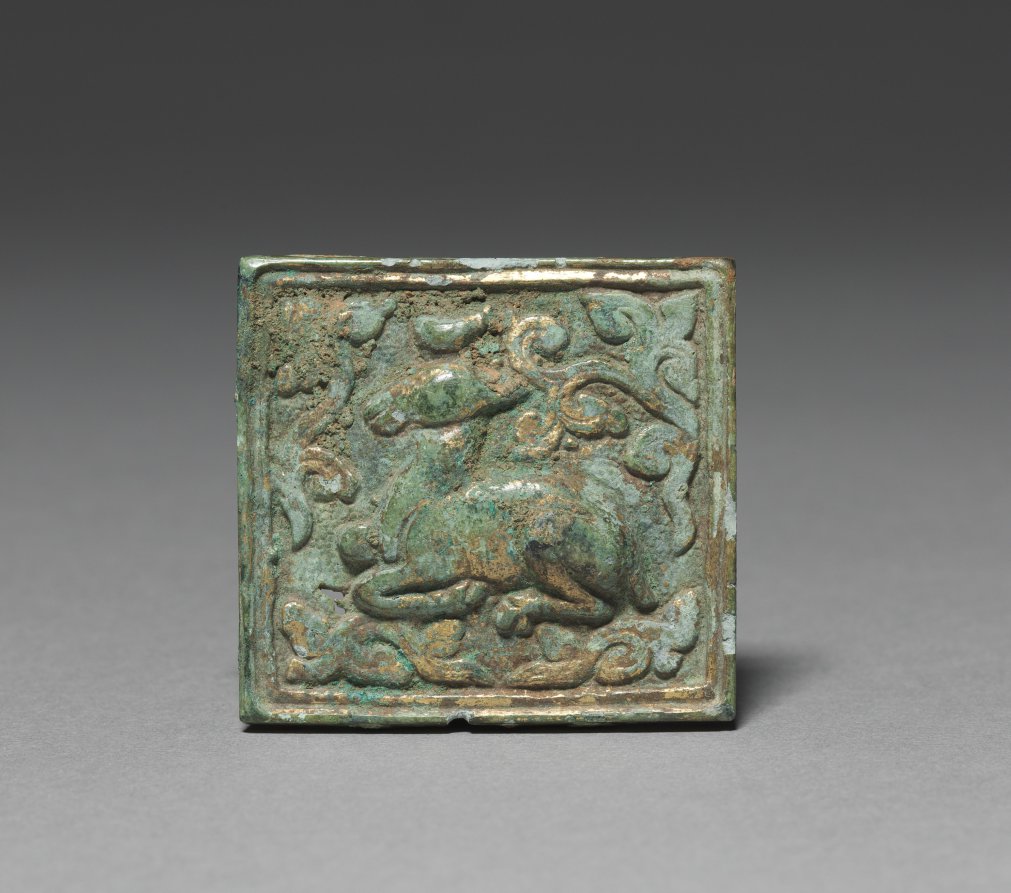
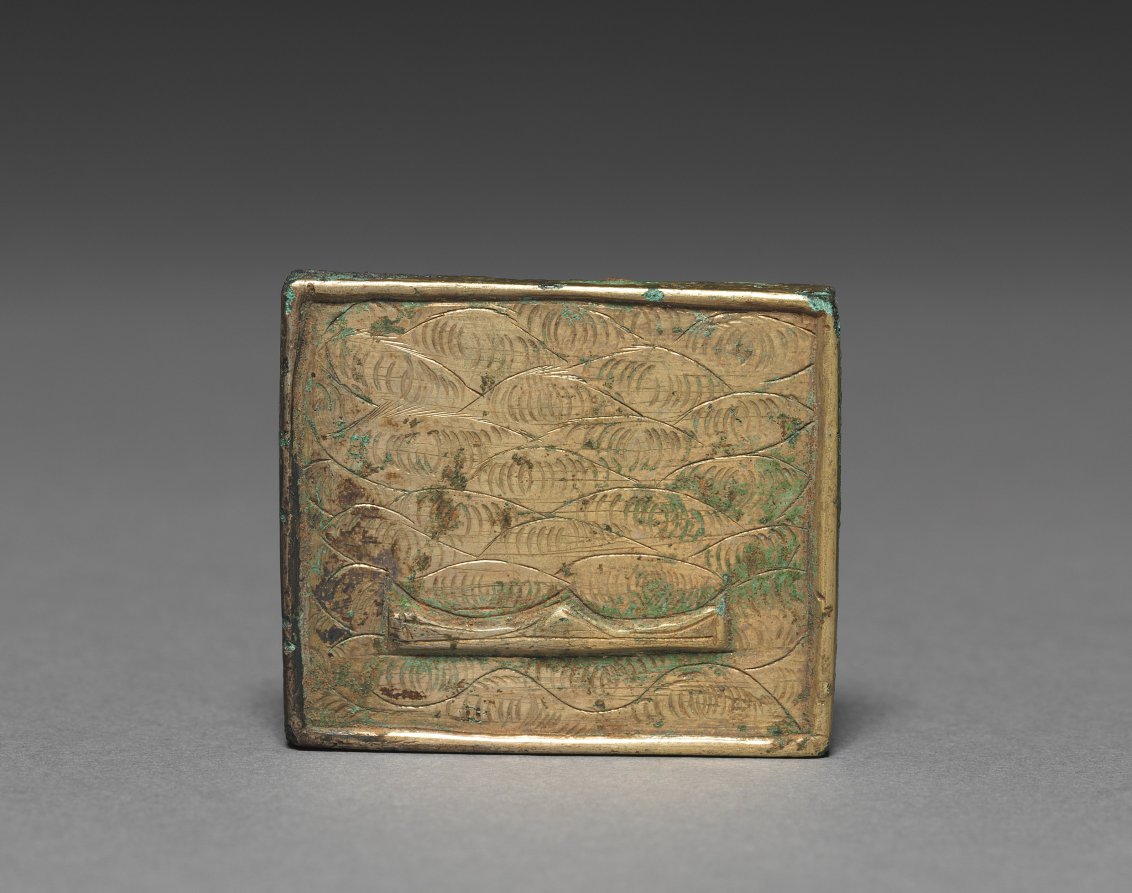
Metallurgy advanced remarkably in the Goryeo period (918-1392), explaining why a large quantity of sophisticated metal artifacts with delicate designs were used not only as daily accessories but also as burial goods. Belt ornaments like this example were fixed to leather belts. Surround by intricate arabesque patterns, a seated dear was done in the repoussé technique. Such animal motifs were widely shared among Eastern Eurasian tribes, from where the first settlers in the Korean peninsula originated. The Japanese antique dealer Yamanaka & Company, which opened its branches in New York (1895) and Boston (1899), sold small Korean archaeological materials such as this belt ornament to American collectors in the early 20th century.
The authoritative record is held by Cleveland Museum of Art. LinkedCulture surfaces this object and its connections; it does not alter institutional metadata.
Related across collections
Semantically similar works from Cleveland Museum of Art and other institutions.
Belt Ornament
Cleveland Museum of Art
Belt Ornament
Cleveland Museum of Art
Belt Ornament
Cleveland Museum of Art
Belt Ornament
Cleveland Museum of Art
Belt Ornament
Cleveland Museum of Art
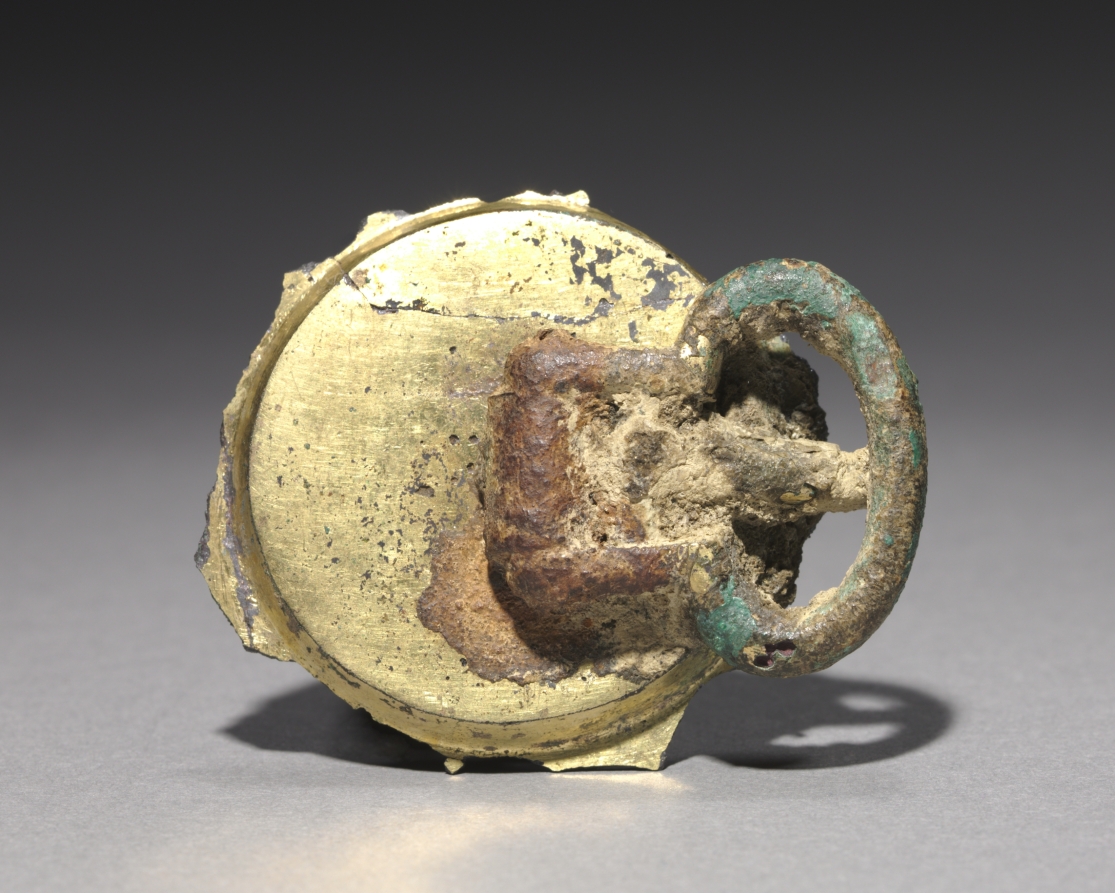
Belt Buckle
Cleveland Museum of Art
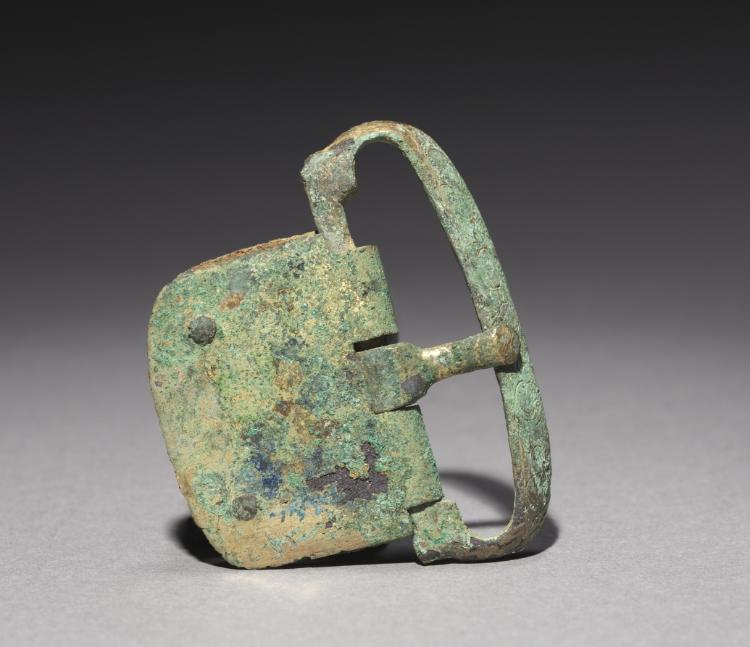
Belt Buckle
Cleveland Museum of Art
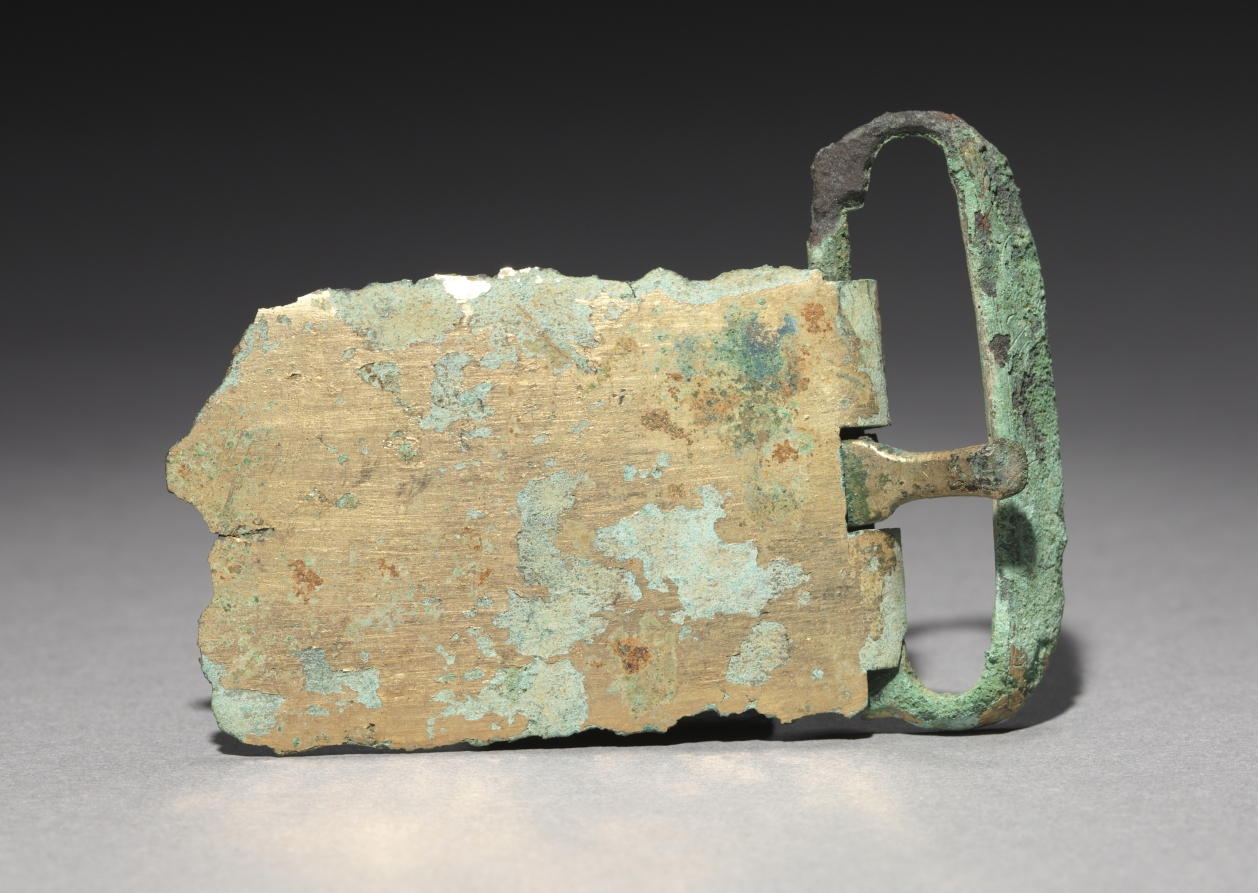
Belt Buckle
Cleveland Museum of Art
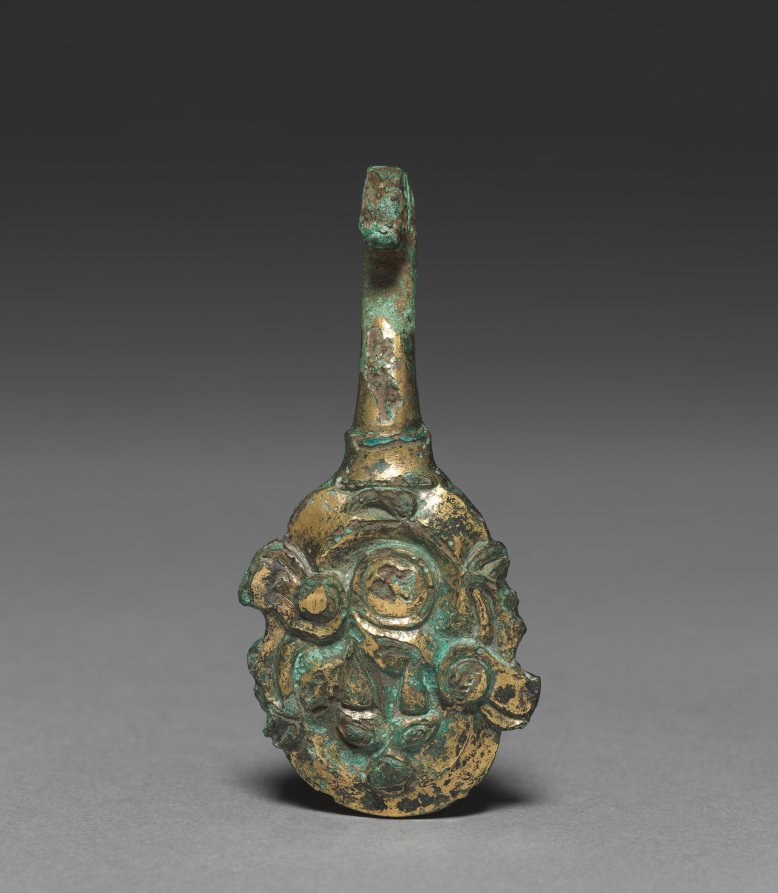
Clasp
Cleveland Museum of Art
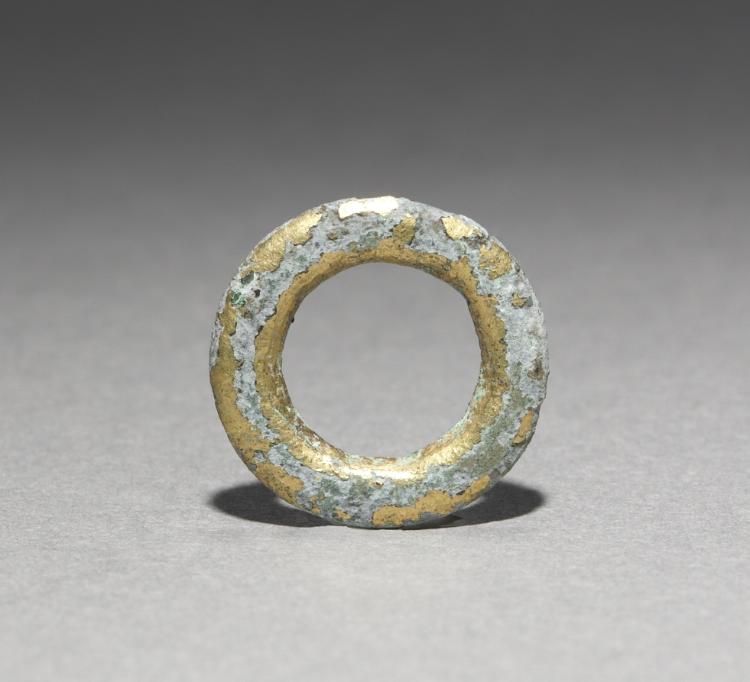
Ring
Cleveland Museum of Art
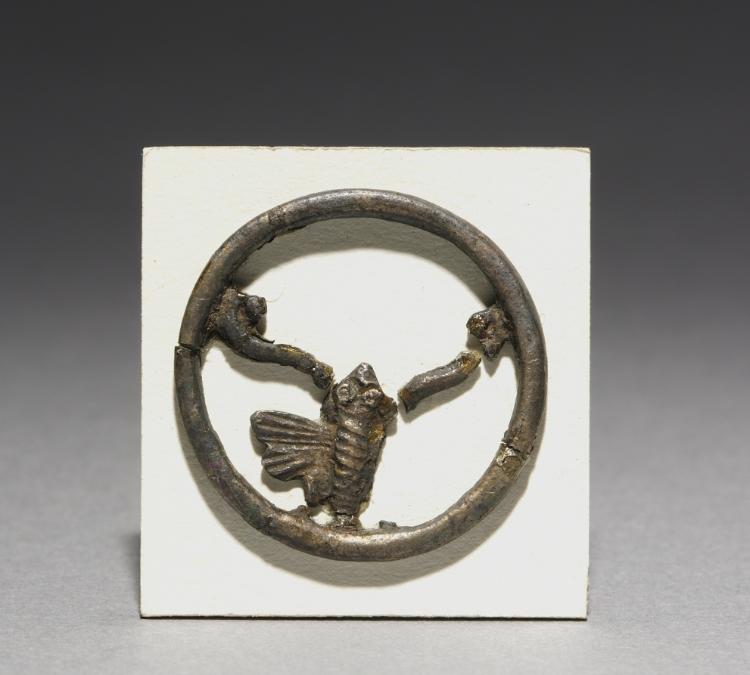
Ornament with Bat Design
Cleveland Museum of Art
Ornament with Carp and Lotus Design
Cleveland Museum of Art