Cleveland Museum of Art
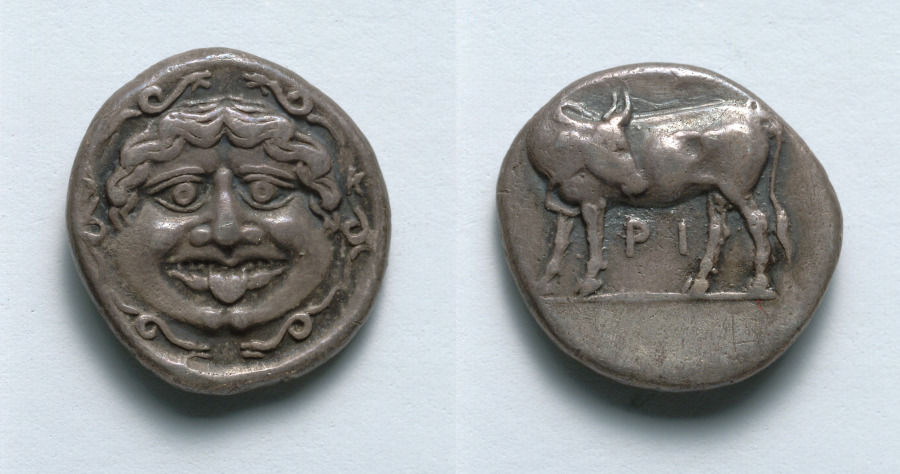
Hemidrachm: Gorgoneion (obverse); Bull (reverse)
- Date
- c. 400 BCE
- Medium
- silver
- Culture
- Greek, minted at Parion (Mysia)
- Department
- Greek and Roman Art
- Institution
- Cleveland Museum of Art
Like the coins of several other ancient cities, those of Parion feature the gorgoneion, or frontal face of Medusa, surrounded by serpents. On the reverse, a bull looks back across its body, with the letters Ρ Ι between its legs. More centrally struck examples preserve two more letters above—Π Α, to give ΠΑΡΙ (PARI), identifying the mint of Parion. The name recalls that of the Cycladic island Paros, one of Parion’s colonizers (with Miletos and Erythrae). Ancient Parion (Latin Parium) lay in the region of Mysia, now northwest Turkey, on the Hellespont.
The authoritative record is held by Cleveland Museum of Art. LinkedCulture surfaces this object and its connections; it does not alter institutional metadata.
Related across collections
Semantically similar works from Cleveland Museum of Art and other institutions.
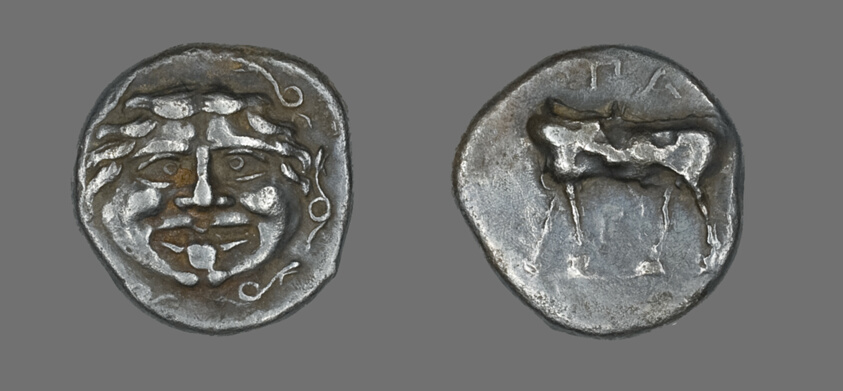
Hemidrachm (Coin) Depicting a Bull
Art Institute of Chicago
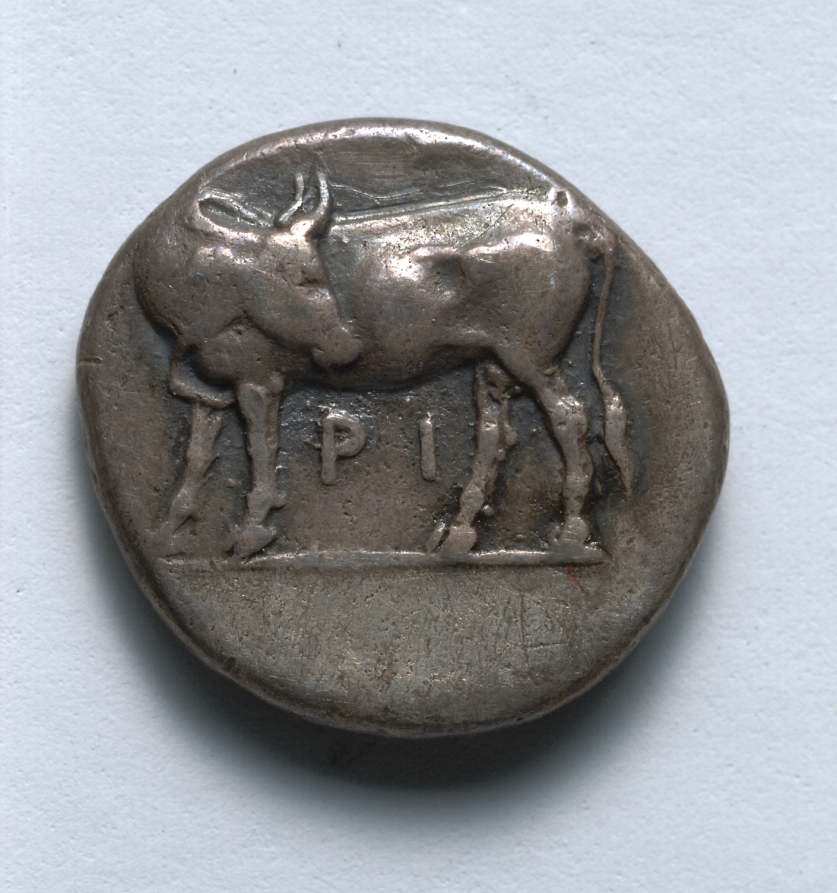
Hemidrachm: Bull, looking back (reverse)
Cleveland Museum of Art
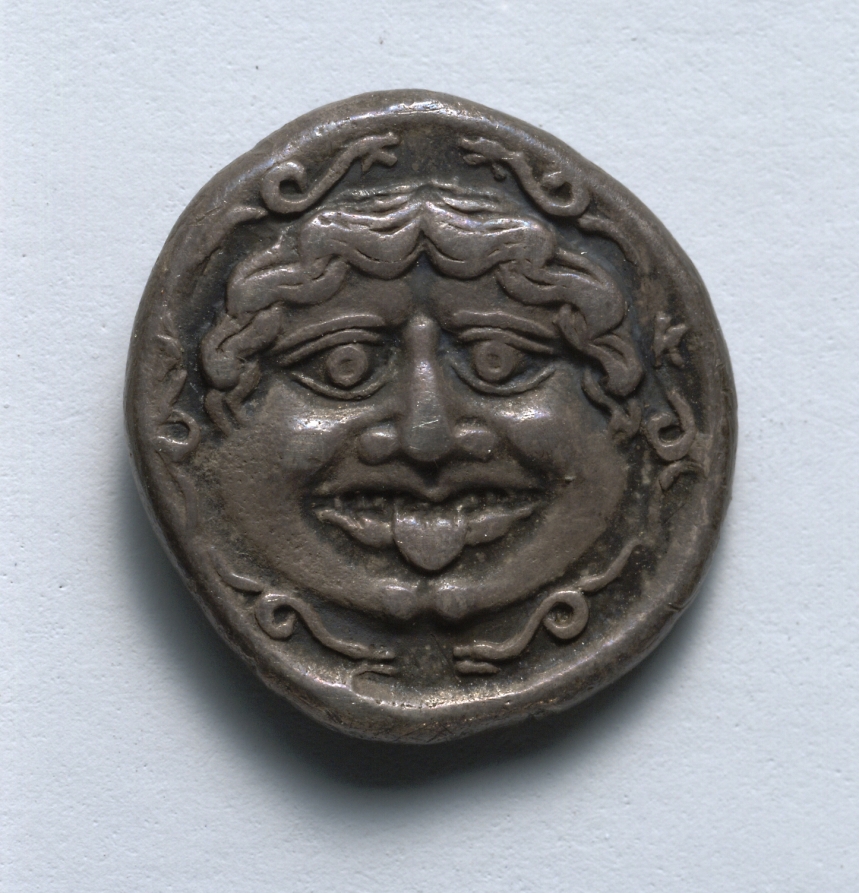
Hemidrachm: Gorgoneion (obverse)
Cleveland Museum of Art
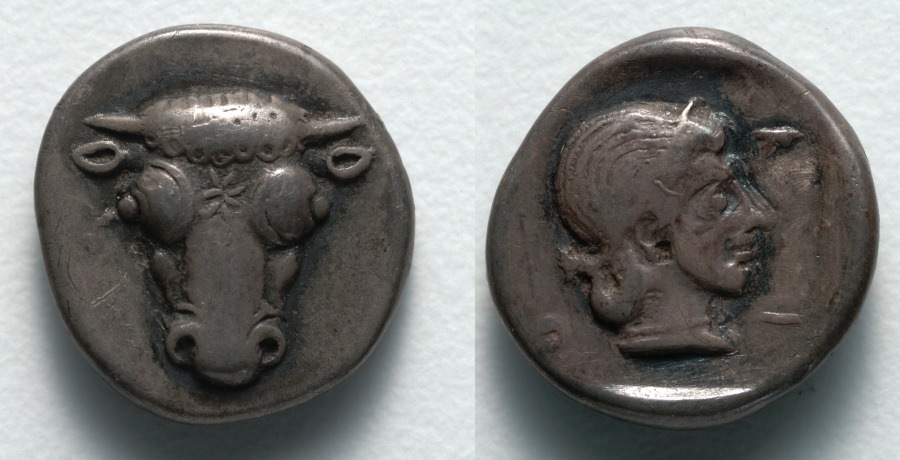
Hemidrachm: Bull's Head (obverse); Head of Artemis (reverse)
Cleveland Museum of Art
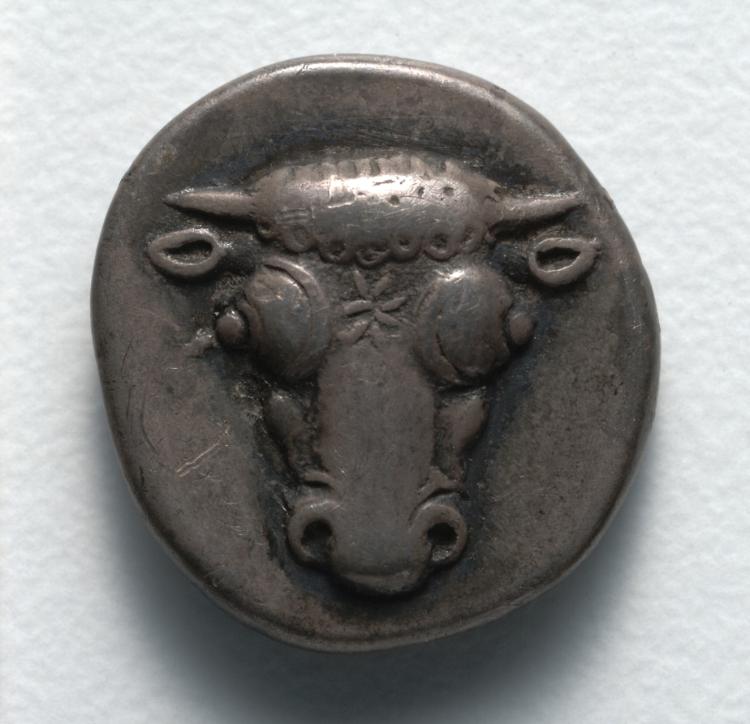
Hemidrachm: Bull's Head (obverse)
Cleveland Museum of Art
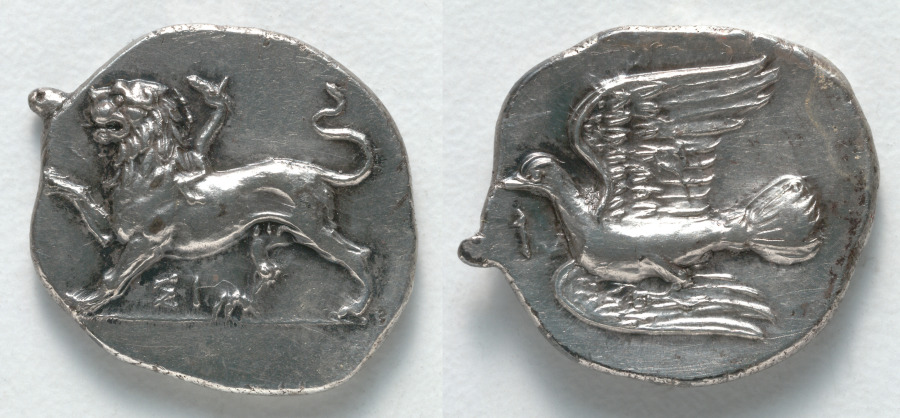
Hemidrachm: Chimaera (obverse); Dove (reverse)
Cleveland Museum of Art
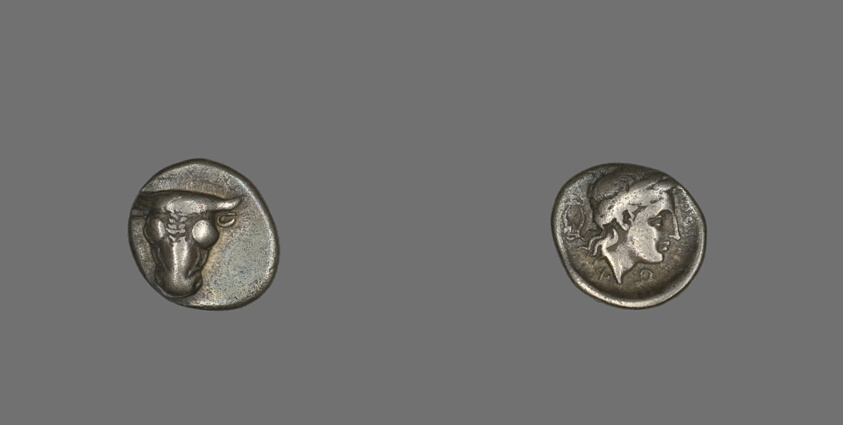
Hemidrachm (Coin) Depicting Bucranium
Art Institute of Chicago
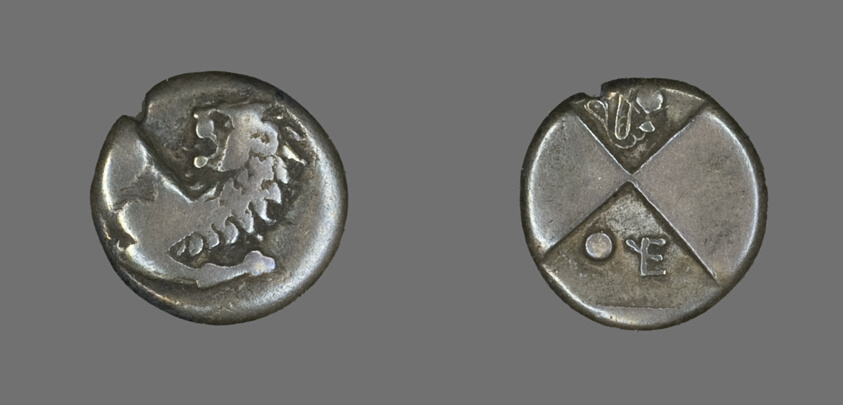
Hemidrachm (Coin) Depicting a Lion
Art Institute of Chicago
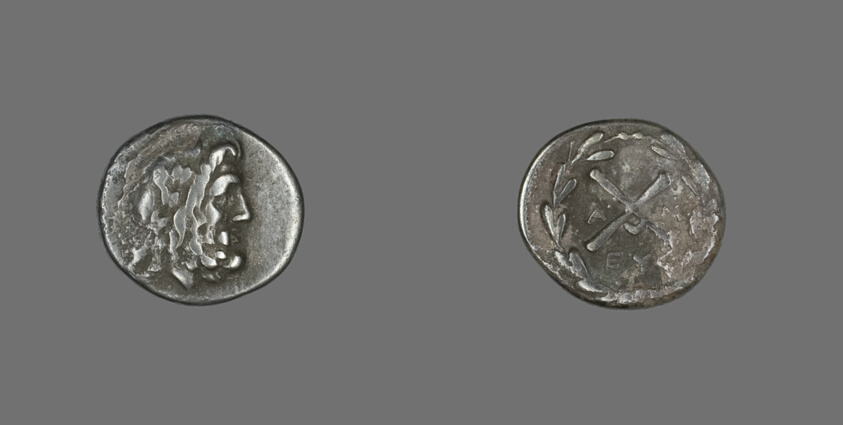
Hemidrachm (Coin) Depicting the God Zeus Amarios
Art Institute of Chicago
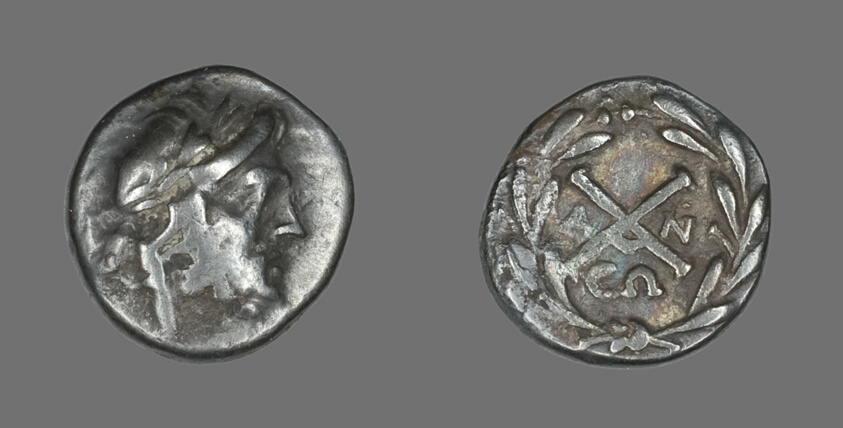
Hemidrachm (Coin) Depicting the God Zeus Amarios
Art Institute of Chicago
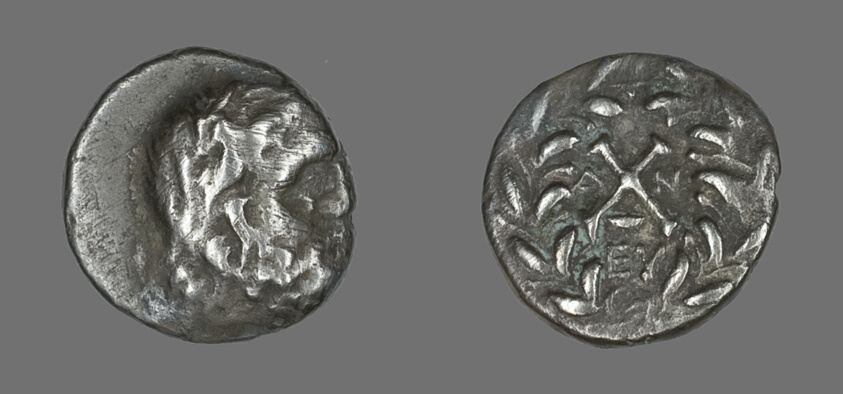
Hemidrachm (Coin) Depicting the God Zeus Amarios
Art Institute of Chicago
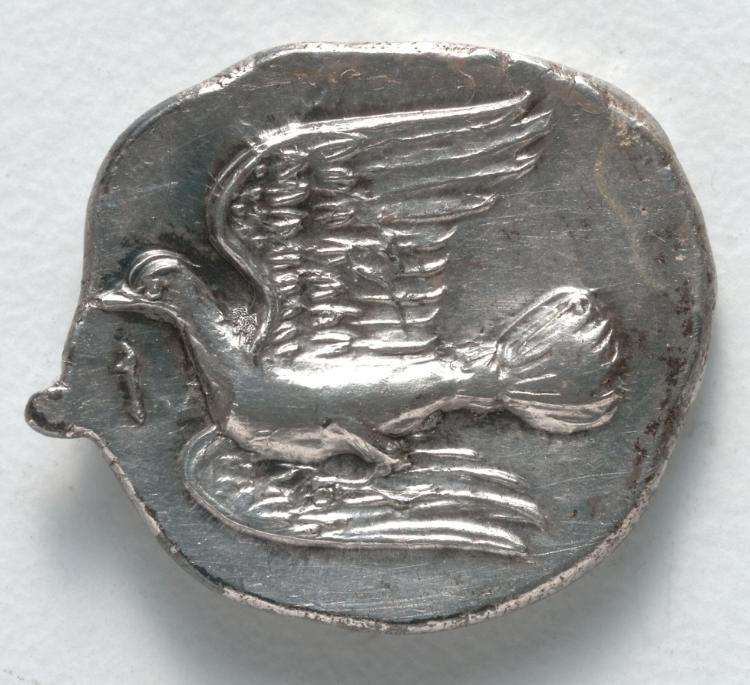
Hemidrachm: Dove (reverse)
Cleveland Museum of Art