![[General Charles "Chinese" Gordon]](https://media.getty.edu/iiif/image/34f01371-8993-4a0e-b836-26f1238ce5e5/full/808,/0/default.jpg)
Getty Museum
[General Charles "Chinese" Gordon]
Unknown
- Date
- 1880s–1890s
- Medium
- Collodion print wih brown ink and wash
- Culture
- British
- Department
- Photographs
- Institution
- Getty Museum
The man featured in this photocollage is Major-General Charles George Gordon (1833-1885), also known as “Chinese Gordon” for his British military role in suppressing the Taiping Rebellion, which lasted from 1850 to 1864. Gordon was later sent to Khartoum, Sudan, in 1884 to evacuate loyal soldiers and civilians amidst a revolt led by Muslim leader Muhammad Ahmad. Gordon disobeyed the British government’s command to return home. After taking part in a defense of the city for almost a year, the city fell and Gordon was killed. In this scene General Gordon sits behind a desk in the quiet of his office, perhaps back in England, surrounded by the tools of a military strategies—maps, books, a telescope, and newspapers. Major-General Gordon appears in one other collage in this album ([84.XA.1252.9](https://www.getty.edu/art/collection/object/108ZW0)), in which he stands proudly in the imagined ruins of Khartoum confronting a crowd of Sudanese people or Mahdi rebels. Victorian photocollage albums were created in the second half of the nineteenth century almost exclusively by women of the British “Upper Ten Thousand”—the aristocracy and the landed gentry—England’s landowning class. Making such albums was deemed an acceptable pastime akin to needlework, learning a foreign language, singing, or playing a musical instrument. Here a woman could display her wit and artistic talents within domestic parameters. Made from the vantage point of a sitting room in London or in the British countryside, these pages from an album by an unknown maker reinforce a British citizen’s view of General Gordon and the events that took place far away. In the process, they secure the social and political position of this upper-class white woman and her family. Carolyn Peter, J. Paul Getty Museum, Department of Photographs 2021 For more information about this album see the extended essay.
The authoritative record is held by Getty Museum. LinkedCulture surfaces this object and its connections; it does not alter institutional metadata.
Creator
UnknownAll works by this person →More on Getty ULANRelated across collections
Semantically similar works from Getty Museum and other institutions.
Lieutenant General Scott, General-in-Chief, U.S. Army and Staff
Art Institute of Chicago

Generals Who Died for their Country and Officials of Former Times
Minneapolis Institute of Art

Field Marshall Lord Raglan
Getty Museum
Chieftain Wushe Surrendering the City: from Battle Scenes of the Quelling of the Rebellions in the Western Regions, with imperial Poems
Cleveland Museum of Art
Archibald Gordon (1812-1886), Principal Medical Officer at the Crimea; Taken at the Crimea
Art Institute of Chicago

General Guo Ziyi's Banquet
Minneapolis Institute of Art

Interior of South Taku Fort, Showing the Place of Landing (84.XM.473.34)
Getty Museum
Clouds Visiting a Mountain Retreat
Cleveland Museum of Art
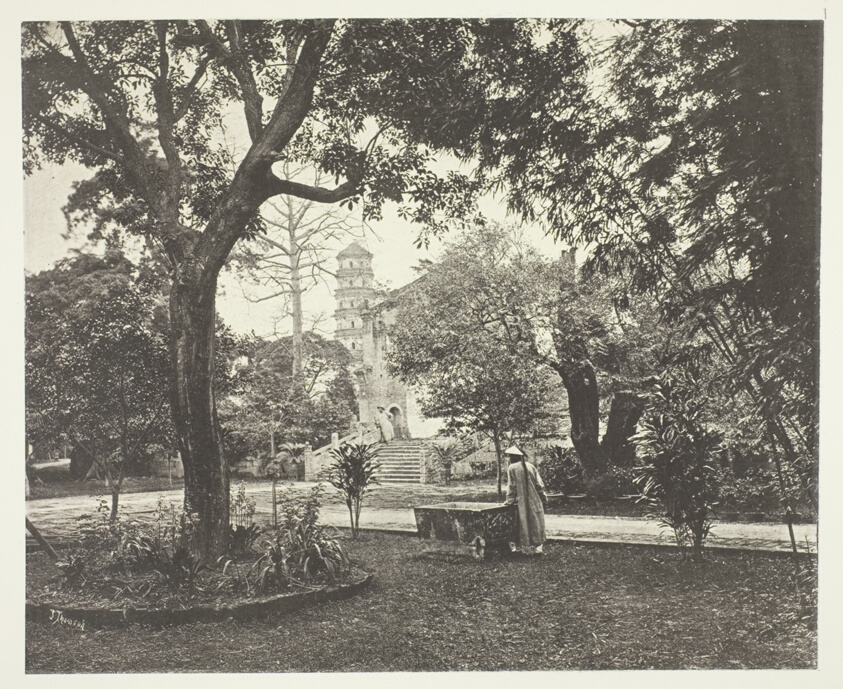
The British Consular Yamun, Canton
Art Institute of Chicago
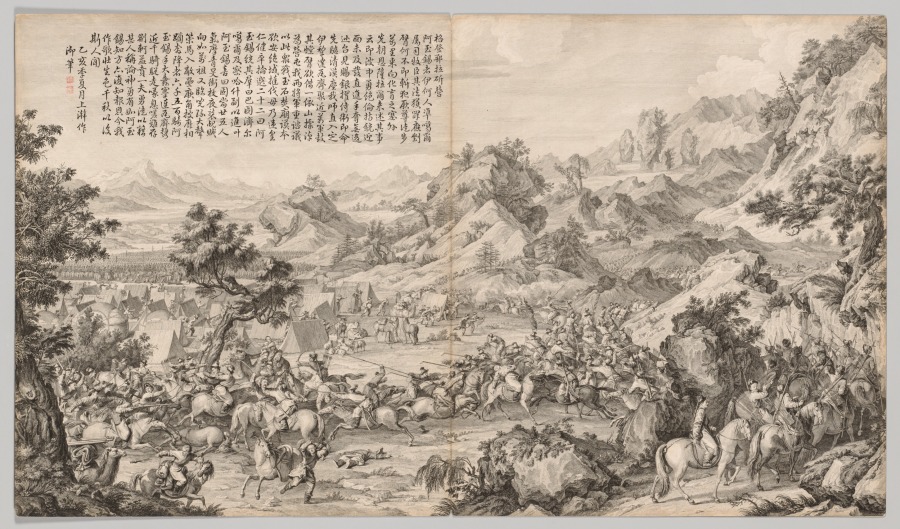
Attacking the Camp at Gatan Ola: from Battle Scenes of the Quelling of Rebellions in the Western Region, with Imperial Poems
Cleveland Museum of Art
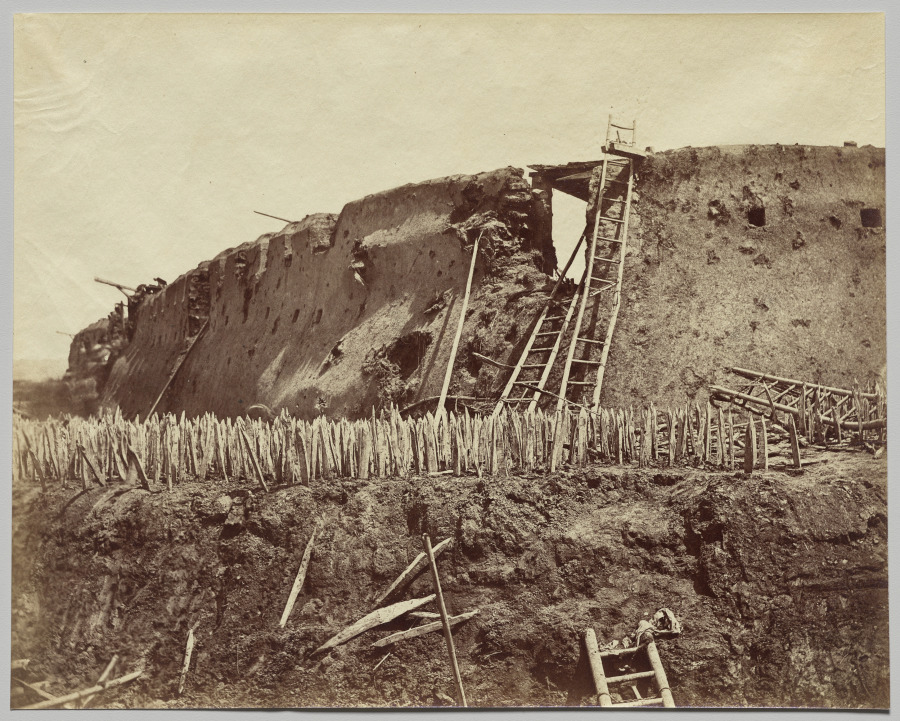
Angle of Taku Fort at which the French entered
Cleveland Museum of Art
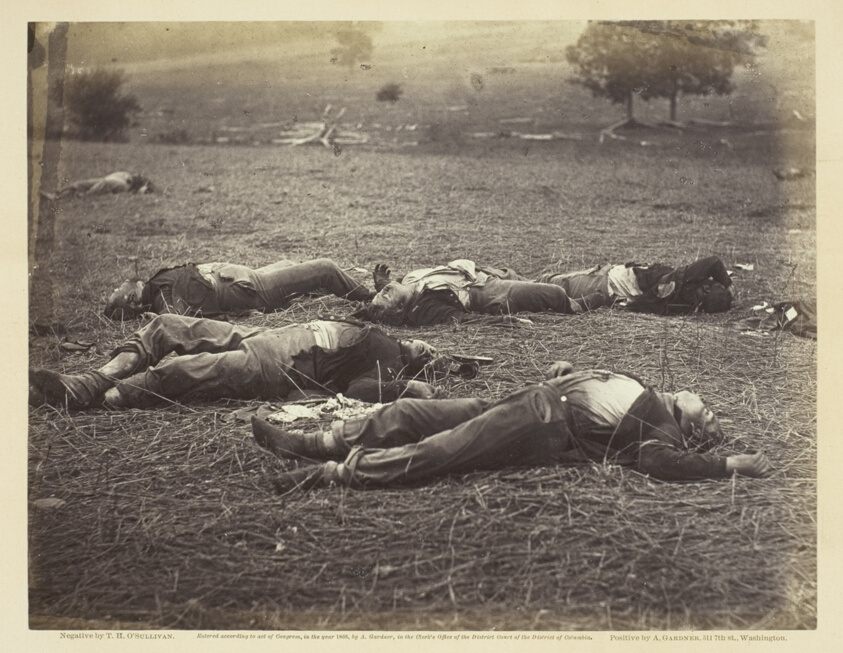
Field Where General Reynolds Fell, Gettysburg
Art Institute of Chicago