
Getty Museum
Lidded Pot-pourri Vase (vase or pot-pourri vaisseau à mât, deuxième grandeur)
- Date
- about 1760
- Medium
- Soft-paste porcelain with lead glaze, enamel and gilding
- Culture
- French
- Department
- Decorative Arts
- Institution
- Getty Museum
This boat-shaped vase is one of the most famous models introduced by the Sèvres porcelain manufactory; such discerning patrons as Madame de Pompadour and her brother the marquis de Marigny collected vases of this form. Among the largest vessels produced by the factory, these vases were extremely difficult to fire; the multiple piercings in the body weakened the overall structure, and they tended to collapse in the kiln. Consequently, only about twelve were ever produced, ten of which survive today. The shape derives from the *nef*, a table decoration in the form of a ship, which was usually of precious metals and used since medieval times. This vase would have held potpourri used to perfume a room. Containers for potpourri first appeared in the 1700s in France, made from precious metals, porcelain, lacquer, or hardstones; recipes for their sweet-smelling contents were soon prevalent. Vases known as *vaisseau à mat* (masted ships) were made to be sold with other vases of different shapes to form a garniture. Charles-Nicolas Dodin painted the rustic scene on the front, copying an engraving after a painting by the Flemish artist David Teniers the Younger.
The authoritative record is held by Getty Museum. LinkedCulture surfaces this object and its connections; it does not alter institutional metadata.
Related across collections
Semantically similar works from Getty Museum and other institutions.

Pair of Potpourri Vases (potspourris Pompadour, troisième grandeur)
Getty Museum
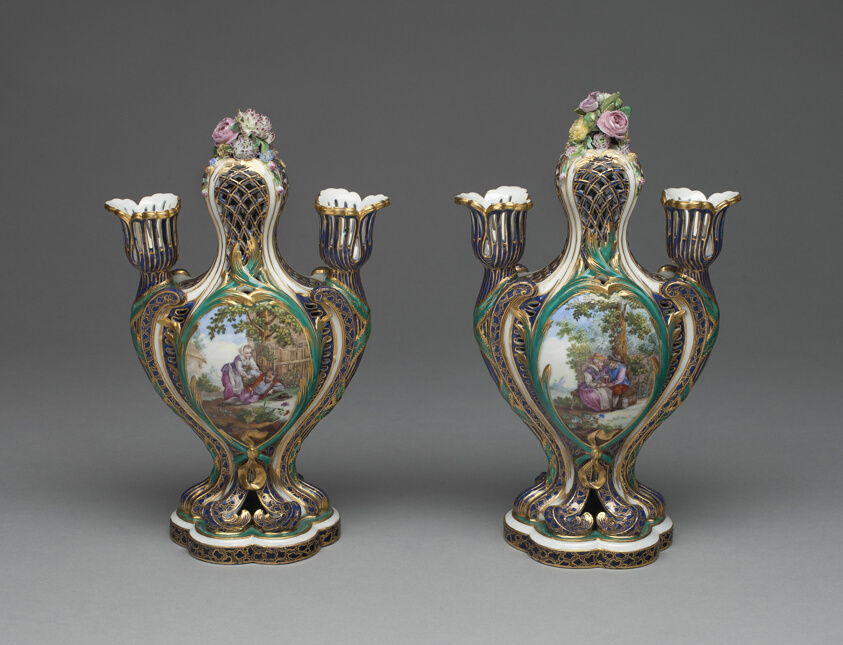
Pair of Vases (Pots Pourris à Bobèches)
Art Institute of Chicago

Pair of Pot-pourri Bowls
Getty Museum

Pair of Lidded Bowls (vases cassolettes à monter)
Getty Museum
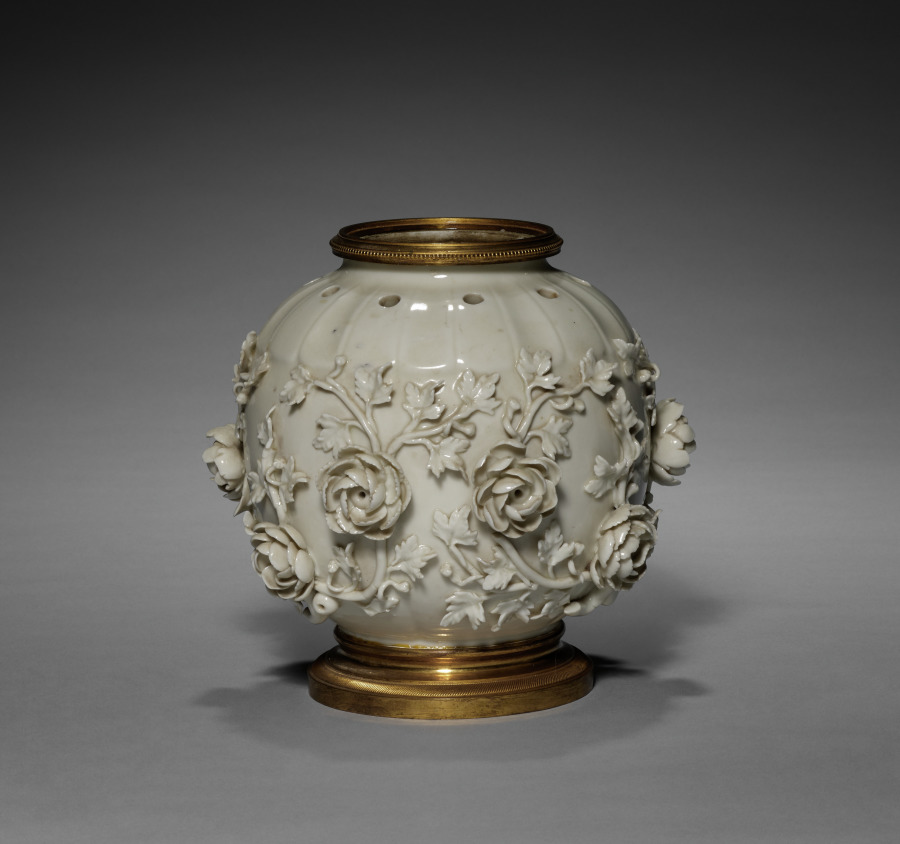
Potpourri Vase
Cleveland Museum of Art
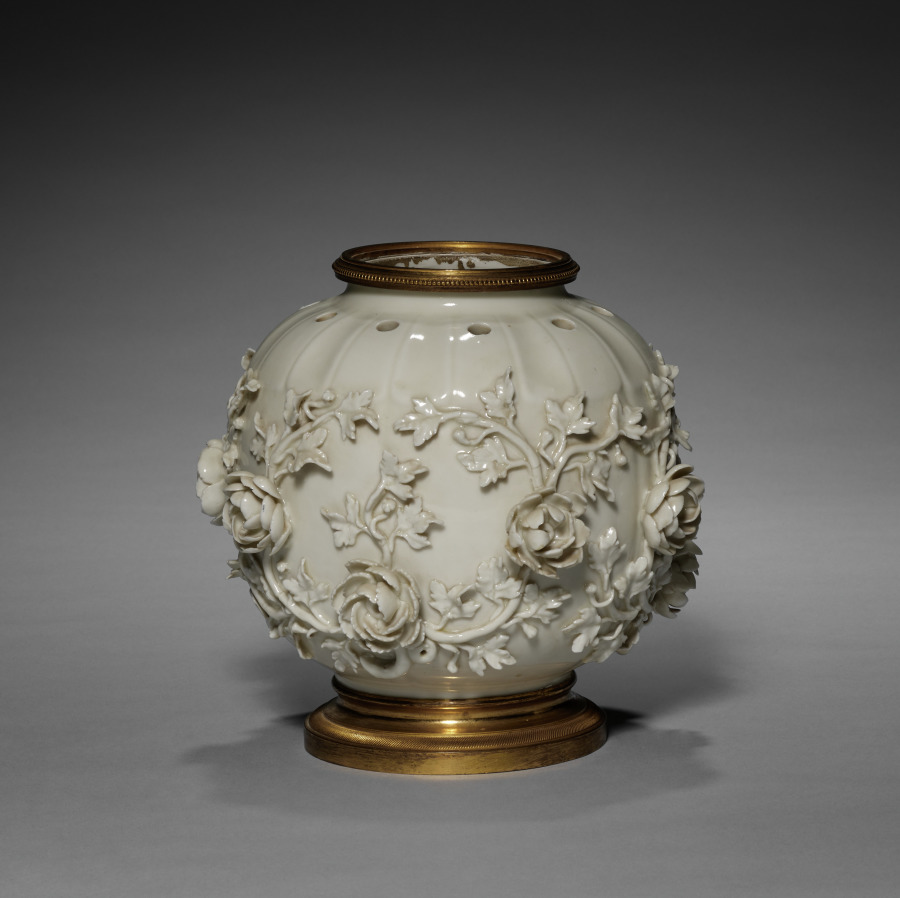
Potpourri Vase
Cleveland Museum of Art

Lidded Bulb Vase (caisse à oignons)
Getty Museum

Vase
Getty Museum

Pot Pourri Vase
Getty Museum

Lidded vase (vàse a panneaux)
Getty Museum

Pair of Lidded Vases (vases à têtes de bouc)
Getty Museum
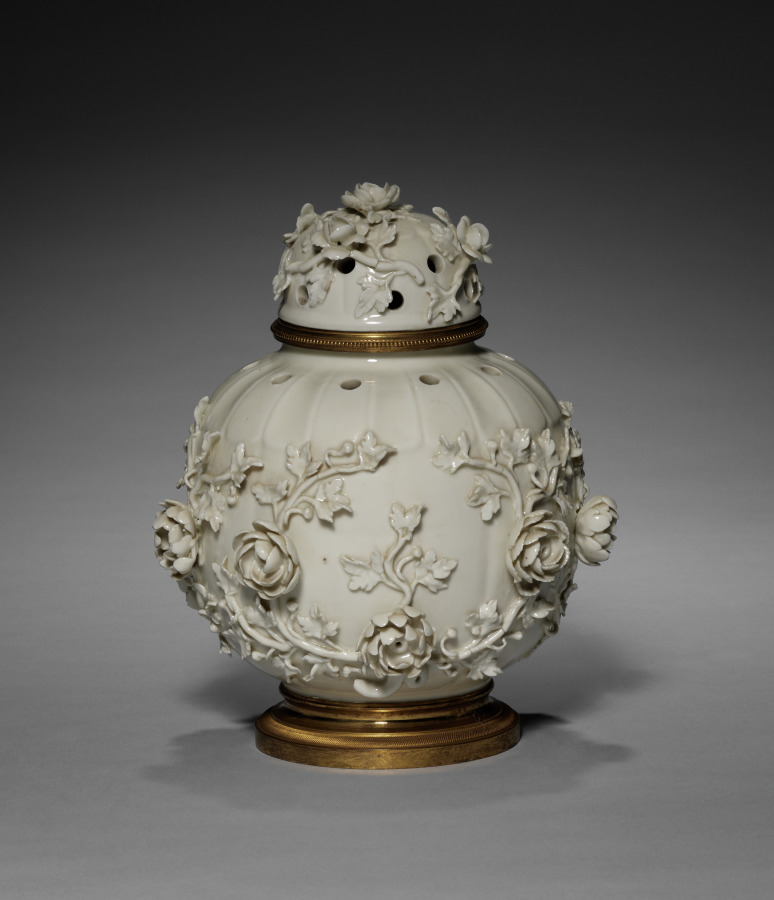
Potpourri Vase with Cover
Cleveland Museum of Art