Getty Museum
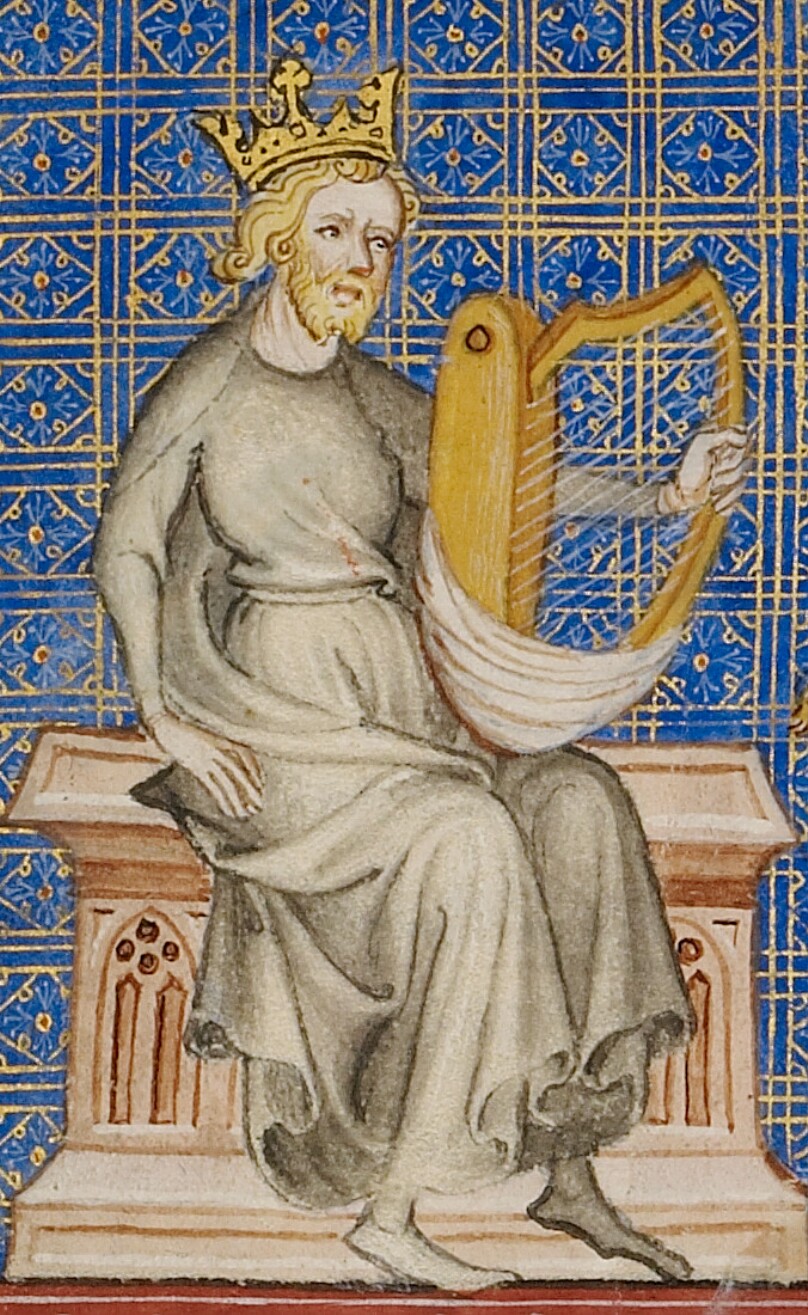
Bible Historiale, 2 vols.
- Date
- about 1360–1370
- Medium
- Tempera
- Culture
- French
- Department
- Manuscripts
- Institution
- Getty Museum
- Object ID
- 248f3f08-b933-484b-a77f-7abd96835f7f
From the Getty Museum record
Compiled at the end of the 1200s by Guiart des Moulins and subsequently expanded, the *Historical Bible* was the most popular French version of the Christian Bible in the Middle Ages (it is called the *Bible historiale* in French). It includes French translations of all the books of the Bible, a series of commentaries written in the 1100s by the scholar Peter Comestor and translated by Guiart from Latin into French, and additional commentaries and glosses authored by Guiart himself. This compilation is called the *Historical Bible* because the commentaries stressed the role of scripture as a record of historical events. Thus, in most illuminated copies, the book of Genesis, the first of the historical books of the Bible, is profusely illustrated, while non-historical books, like those of the prophets, received only one illumination each. The many extant copies of the *Historical Bible* attest to the desire of increasing numbers of lay people to have a complete Bible available in the vernacular. More than seventy miniatures illustrate the Getty’s two-volume *Historical Bible*, focusing largely on the narrative aspects of the texts. The Master of Jean de Mandeville, the anonymous artist responsible for most of the illuminations, painted the costumes of his figures in grisaille, a monochrome technique popular in Paris in the 1300s. The contrasting brightly patterned backgrounds underscore the three-dimensionality of the delicately drawn, palely colored figures.
The authoritative record is held by Getty Museum. LinkedCulture surfaces this object and its connections; it does not alter institutional metadata.
Get printable QR codesHide QR codes
Open QR codes for this object page and the museum record. They stay collapsed until needed.
Related across collections
Semantically similar works from Getty Museum and other institutions.