Getty Museum
Sacramentary
Creator
UnknownAll works by this person →More on Getty ULAN- Date
- first quarter of 11th century
- Medium
- Tempera colors, gold, silver, and ink
- Culture
- Ottonian
- Department
- Manuscripts
- Institution
- Getty Museum
- Object ID
- 5eccdf71-d232-42a4-9155-f1551e38b71c
From the Getty Museum record
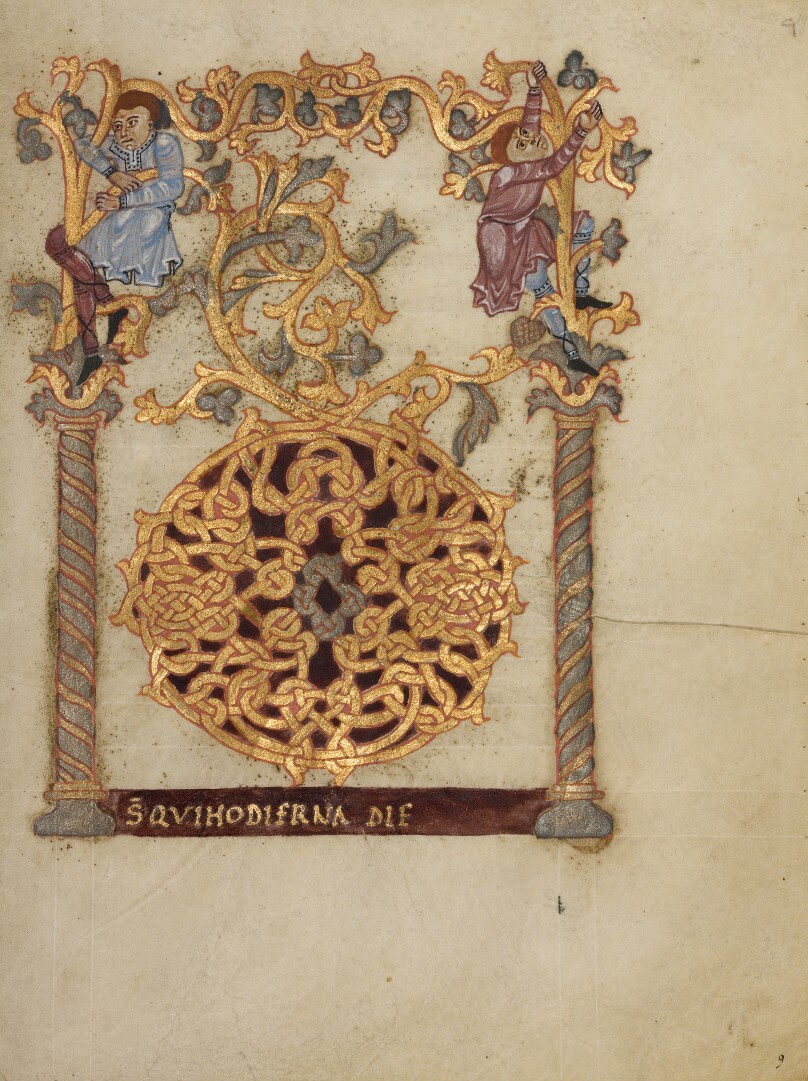
A sacramentary, the most important type of liturgical book used in the early medieval Church, contains the prayers recited by the priest at Mass. The book lay open on the church altar--the most sacred site within the building--where the priest celebrated the Mass while worshipers looked on. This Ottonian manuscript includes a full-page Crucifixion and beautiful illuminated initials executed in gold and silver ink. The quality of the decoration of this manuscript, of which only a fragment survives, suggests that it may have been made for the occasion of the consecration in 1017 of Hugh, the young son of Robert the Pious king of France, as Robert's co-ruler and successor. Since it includes prayers addressed to saints venerated at Beauvais, the book may have been presented by King Robert to the bishop of Beauvais, who was present at the consecration event. The writing and illumination have been attributed to Nivardus of Milan, who worked at the Benedictine monastery of Saint-Benoît-sur-Loire, at Fleury, France. In addition to the gold and silver letters, the manuscript is decorated with elaborate interlace ornament and sprays of leaves that recall classical and ninth-century Carolingian models.
The authoritative record is held by Getty Museum. LinkedCulture surfaces this object and its connections; it does not alter institutional metadata.
Get printable QR codesHide QR codes
Open QR codes for this object page and the museum record. They stay collapsed until needed.
Related across collections
Semantically similar works from Getty Museum and other institutions.