Harvard Art Museums
Pan, folio from the album Fishes of India
- Date
- c. 1810
- Medium
- Watercolor and gouache on Whatman paper; Company School
- Department
- Department of Islamic & Later Indian Art
- Institution
- Harvard Art Museums
The fish is painted in the center of the page, and from a birds-eye view. It is teardrop shaped, with a round head and tapering tail. The fish has two round eyes and a curved, triangular snout. It has a continuous row of lateral fins that extend the entire length of the body and taper into the tail. It is light brown in color with some mottling. The page has inscriptions in ink and pencil the lower third of the composition. One inscription identifies the fish as Pan, which most likely is referring to Brachirus pan, a type of sole native to the Indo-Pacific. This work falls into the genre of natural history documentation, an important enterprise undertaken by many European patrons during their time in India. This genre proliferated between the late eighteenth and early nineteenth century, and demonstrate the artist's intention of making quick studies from life. Individual paintings were collected to form an album that documented a variety of animals and plants, thus acting, in a way, as a field guide. Company School.
The authoritative record is held by Harvard Art Museums. LinkedCulture surfaces this object and its connections; it does not alter institutional metadata.
Related across collections
Semantically similar works from Harvard Art Museums and other institutions.
Manua, folio from the album Fishes of India
Harvard Art Museums
Putka, folio from the album Fishes of India
Harvard Art Museums
Gainchie, folio from the album, Fishes of India
Harvard Art Museums

Album Page with Calligraphic Specimen
Art Institute of Chicago
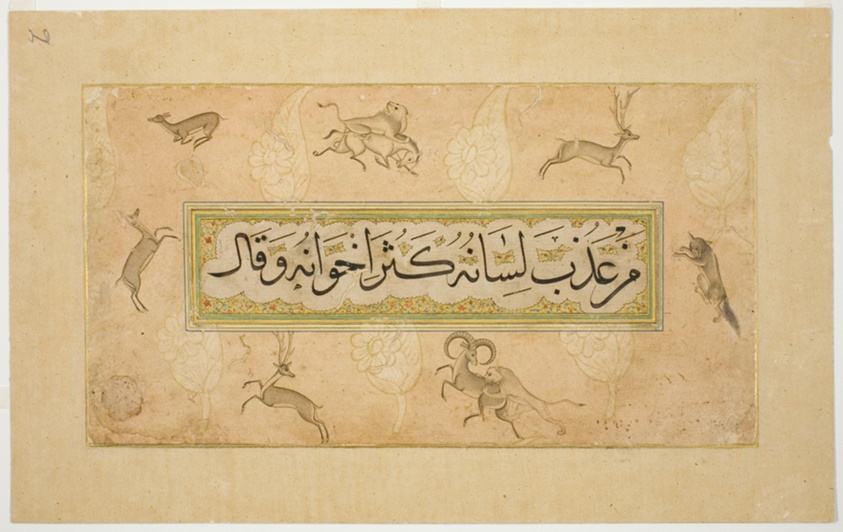
Album Page with Calligraphic Specimen and Animal Border
Art Institute of Chicago
Cover of the album Fishes of India
Harvard Art Museums

Eighty-eight Fish
Minneapolis Institute of Art
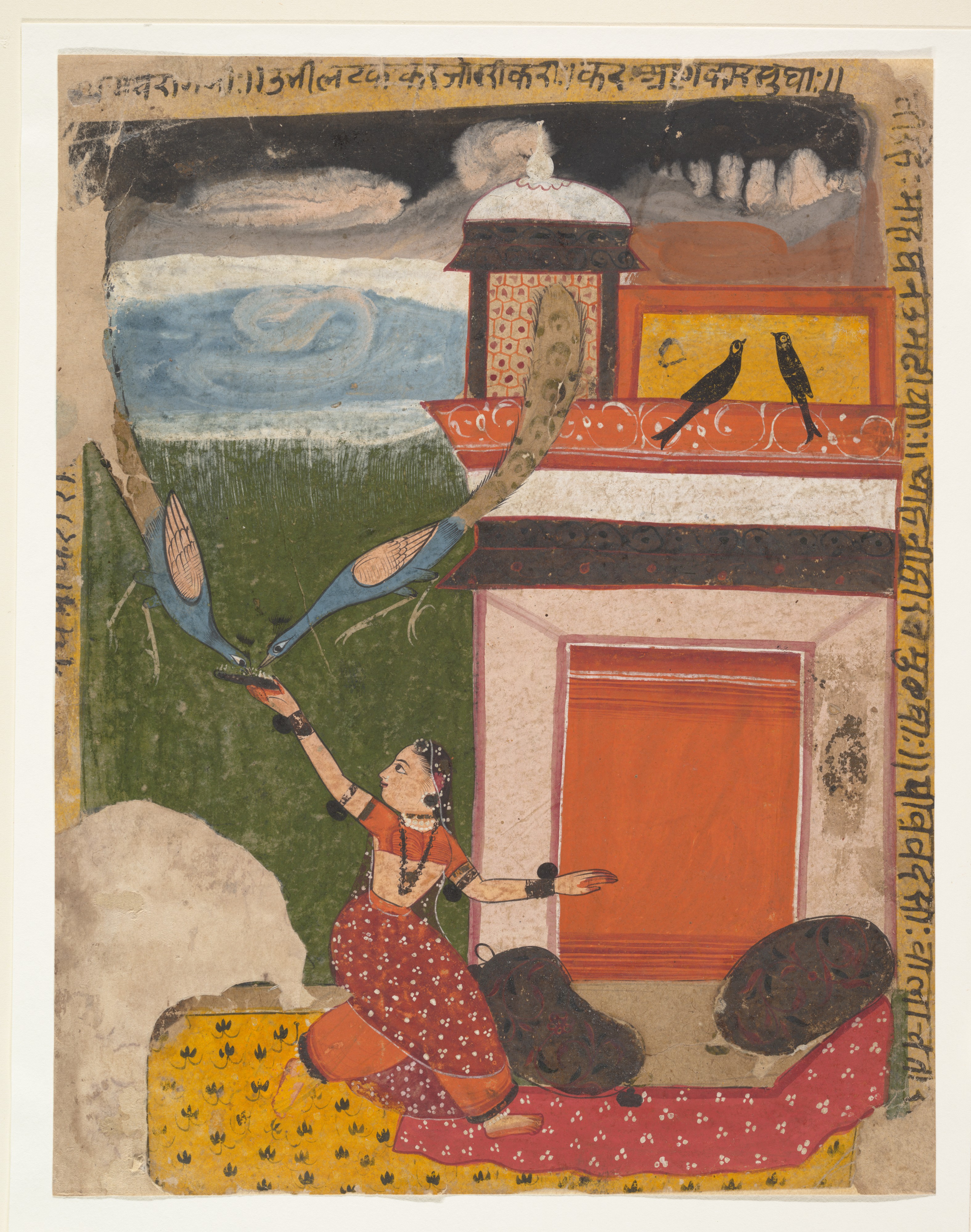
Madhumadhavai Ragini: Page from a Dispersed Ragamala Series (Garland of Musical Modes)
The Metropolitan Museum of Art
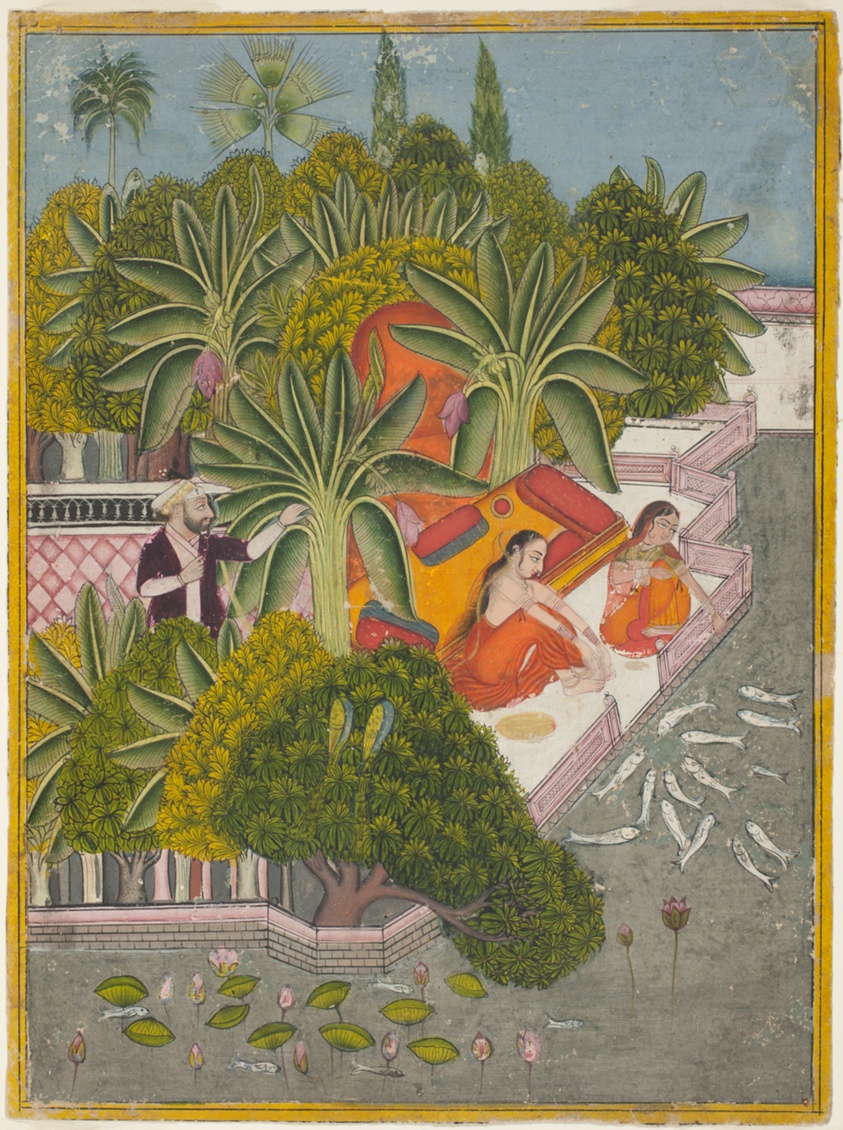
Royal Women Feeding Fish
Art Institute of Chicago

Study of a Bird
Minneapolis Institute of Art
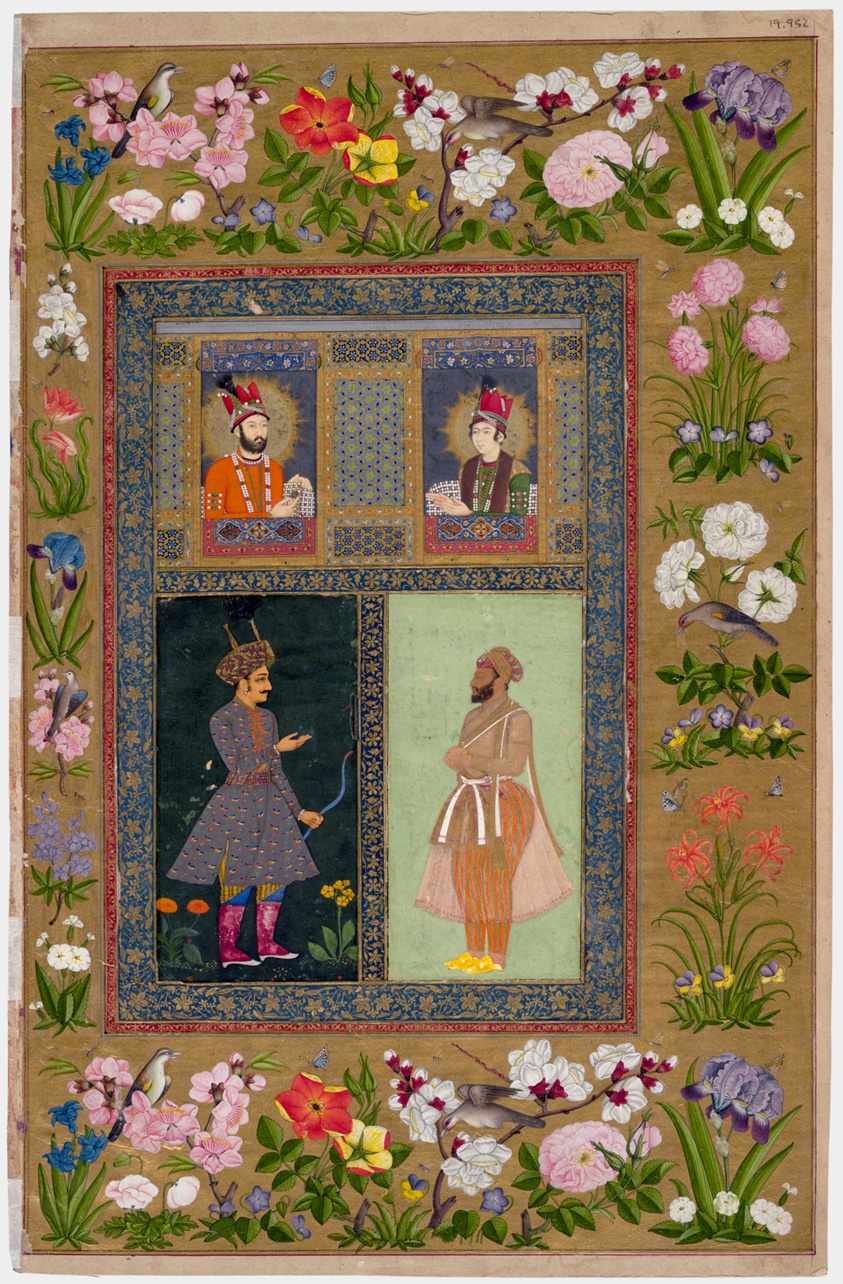
Page from the St. Petersburg Album
Art Institute of Chicago
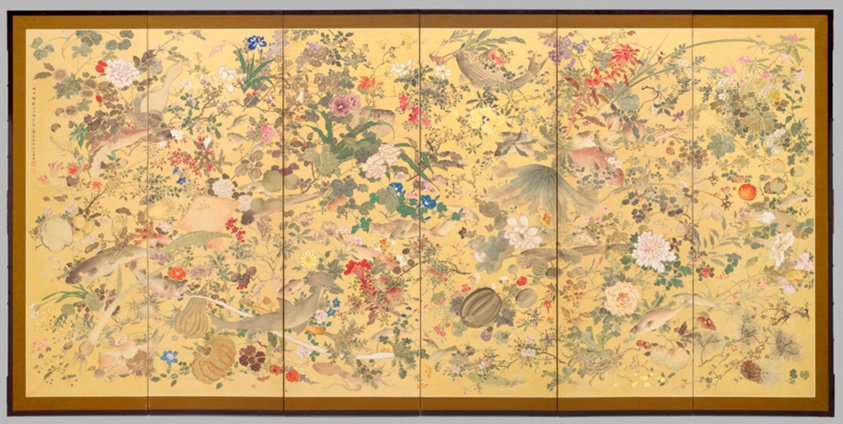
Fish and Plants
Art Institute of Chicago