
Minneapolis Institute of Art
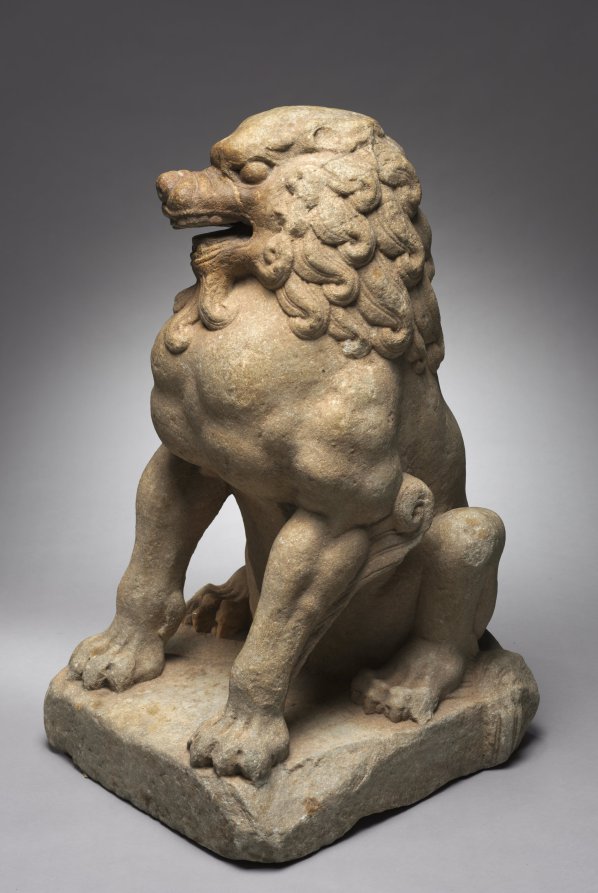
Guardian Lion, one of a pair
China
- Date
- 8th century
- Medium
- Limestone conglomerate (puddingstone)
- Department
- Asian Art
- Institution
- Minneapolis Institute of Art
The lion is not indigenous to China, but with the importation of Buddhism from India along the silk road, Chinese artisans adopted the Indian practice of using the lion to symbolize the Buddha Sakyamuni. In addition, the inherent power and strength of the lion led to its being featured as a symbolic protector of the Buddhist sacred law and pairs of guardian lions were used to flank entrances to cave temples, Buddhist altars, and thrones as well as tomb doorways. In pre-Tang China, most sculpted lions were highly stylized, static, housecat-like characterizations of the king of beasts. Court records show however that in 635 the Chinese emperor was presented a real lion as a tribute gift from Samarkand. Direct observation of an actual lion by artists dramatically changed their sculptural presentations to the more realistic, animated, and powerful creatures depicted in this expressive pair of puddingstone lions dating from the high Tang period (8th century). Asia
The authoritative record is held by Minneapolis Institute of Art. LinkedCulture surfaces this object and its connections; it does not alter institutional metadata.
Related across collections
Semantically similar works from Minneapolis Institute of Art and other institutions.
Guardian Lion
Cleveland Museum of Art

Guardian Lion, one of a pair
Minneapolis Institute of Art
Guardian Lion
Art Institute of Chicago
Lion
Cleveland Museum of Art
Lion
Cleveland Museum of Art
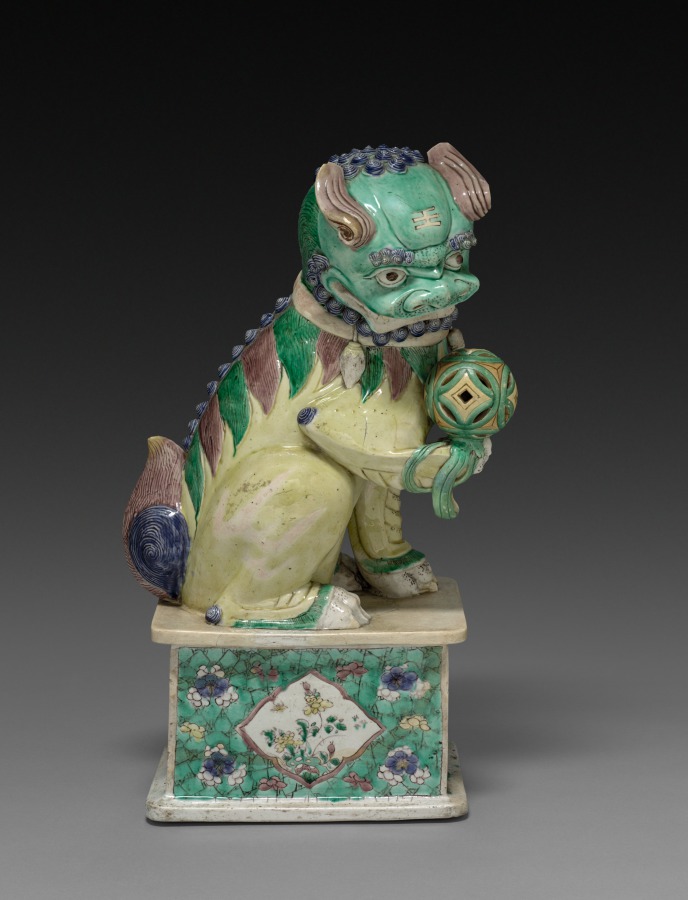
Lion
Cleveland Museum of Art
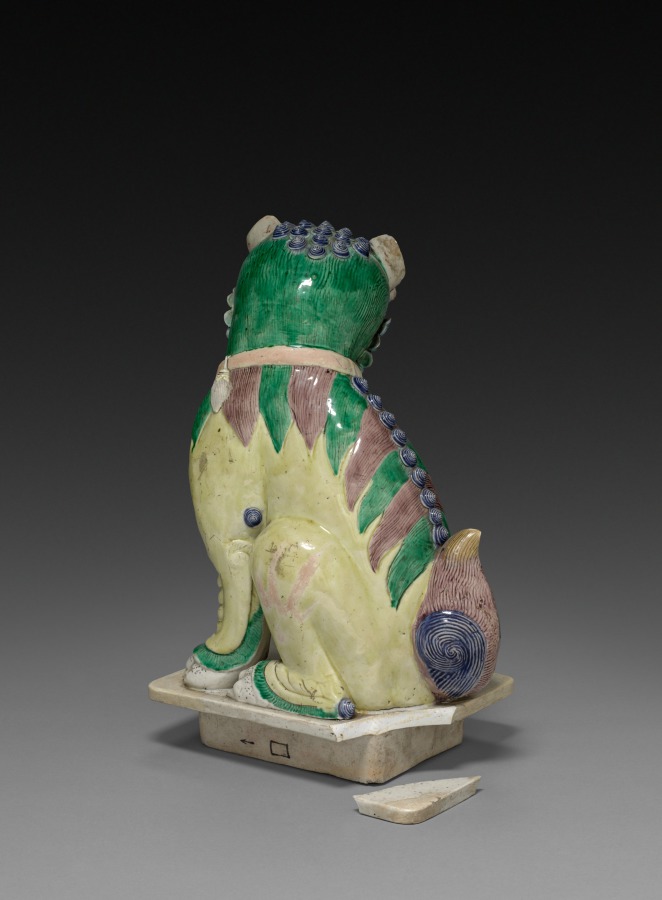
Lion
Cleveland Museum of Art
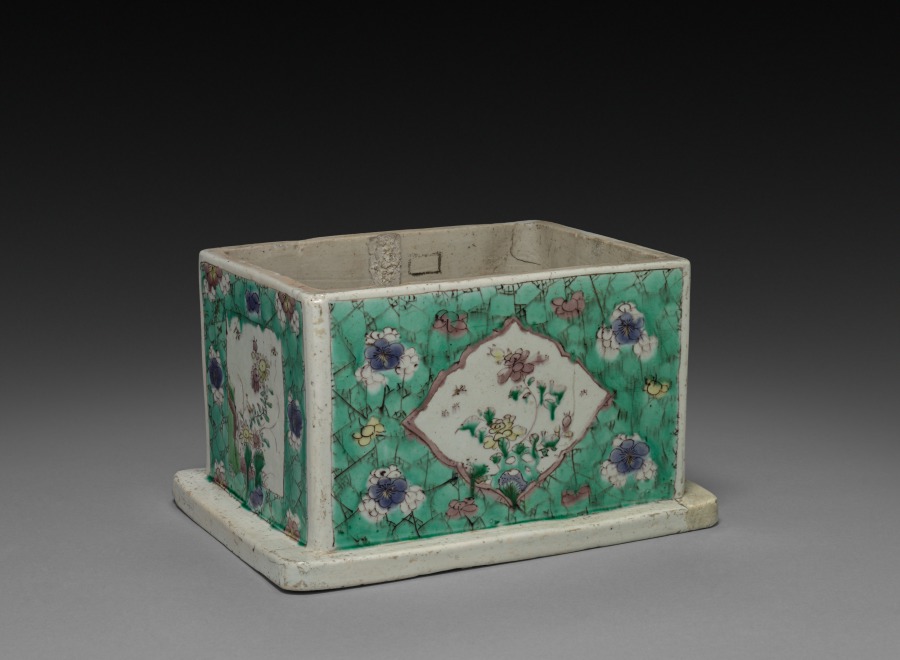
Lion (base)
Cleveland Museum of Art
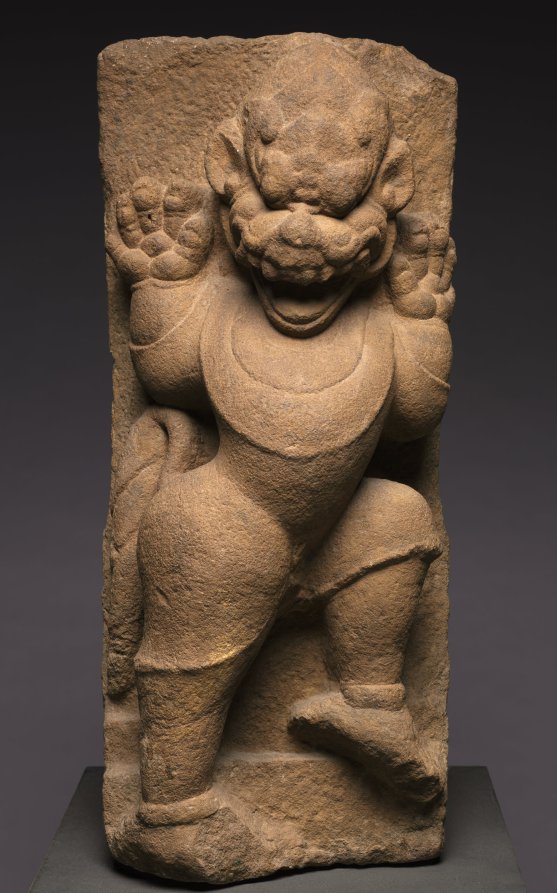
Heraldic Lion
Cleveland Museum of Art
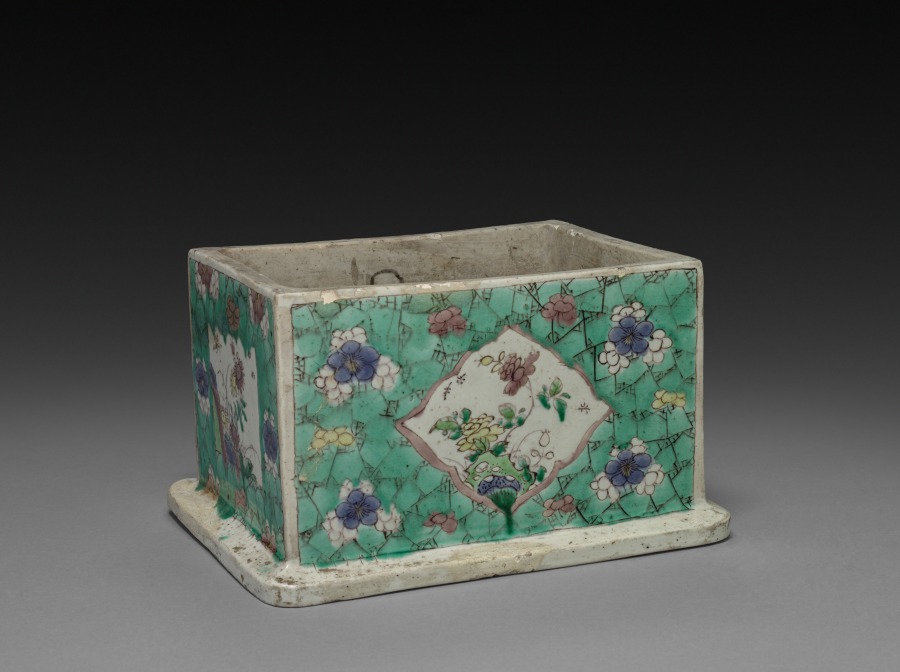
Lion (base)
Cleveland Museum of Art

Temple lion censer, one of a pair
Minneapolis Institute of Art

Temple lion censer, one of a pair
Minneapolis Institute of Art