
Minneapolis Institute of Art
Bowl with legs
Japan
- Date
- 16th century
- Medium
- Negoro ware, black- and red-lacquered wood
- Department
- Asian Art
- Institution
- Minneapolis Institute of Art
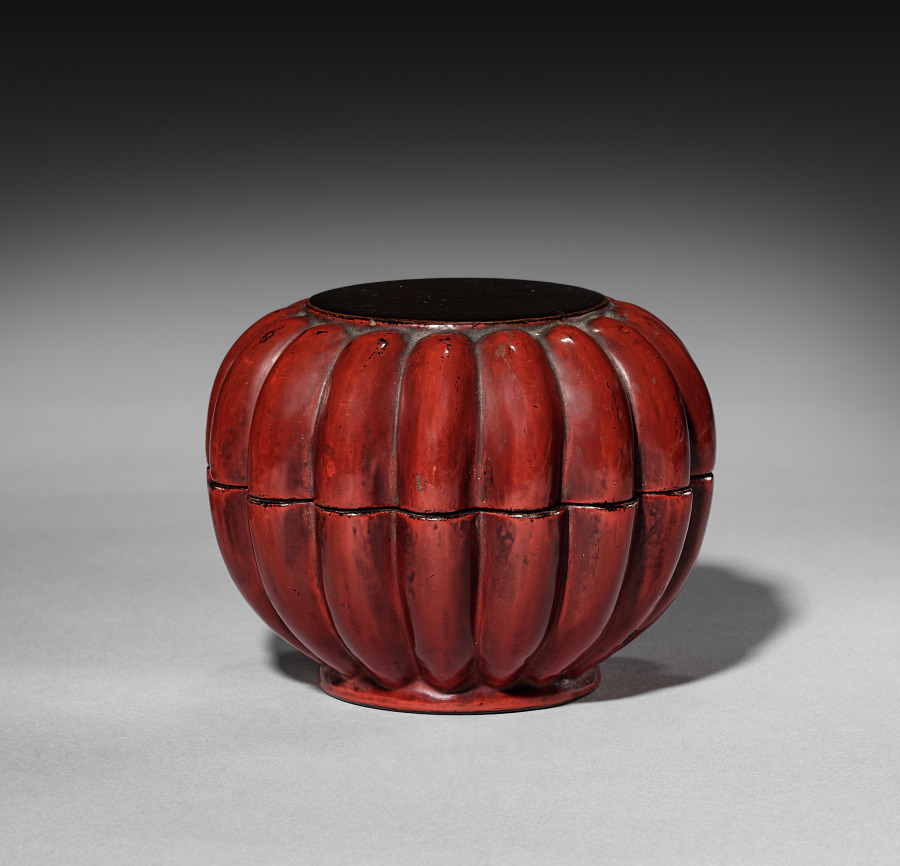
The term for this particular type of lacquerware is derived from the name of the Buddhist temple, Negoroji. The temple stood from 1288–1585 in today’s Wakayama Prefecture, and produced lacquered items for daily use for the nearly 6, 000 monks who, at its height, lived in the temple complex. However, the ware is more broadly defined as undecorated, high-quality red and black lacquered objects used in Buddhist temples from the Kamakura period (1185–1333) through to the Momoyama period (1573–1603). The example here is believed to come from an unidentified temple in Nara Prefecture, and would have been used to serve food or tea during the monks’ communal meals. Unlike the elaborately decorated maki-e pieces, negoro is valued for its worn quality. This is typified by the areas where the top layers of rich, cinnabar-derived red-colored lacquer have been rubbed away over time to show the undercoats of black lacquer. Japan, Asia
The authoritative record is held by Minneapolis Institute of Art. LinkedCulture surfaces this object and its connections; it does not alter institutional metadata.
Related across collections
Semantically similar works from Minneapolis Institute of Art and other institutions.

Bale-handled wash basin with legs
Minneapolis Institute of Art
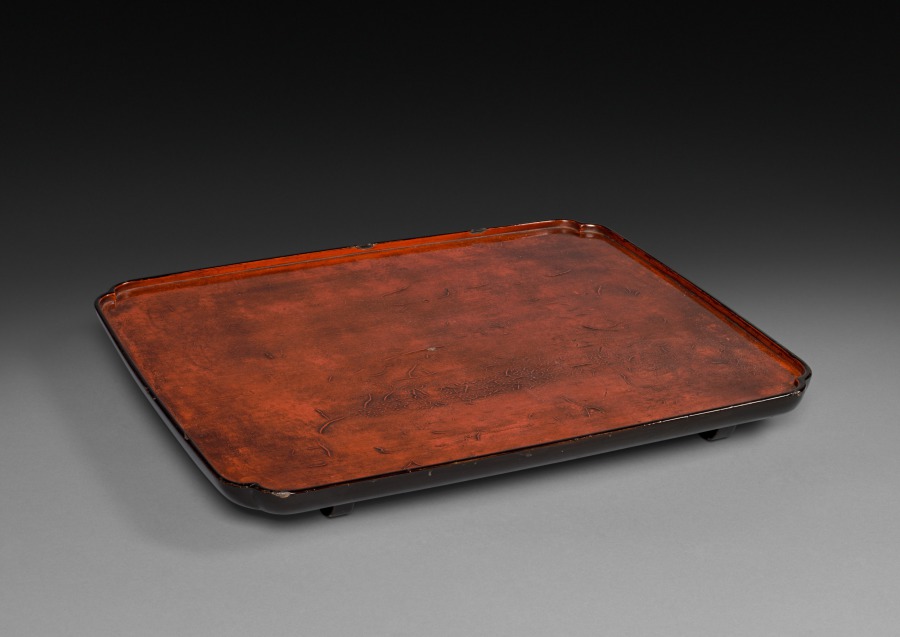
Serving Tray: Negoro Ware
Cleveland Museum of Art

Stand for a tenmoku tea bowl
Minneapolis Institute of Art

Round table
Minneapolis Institute of Art
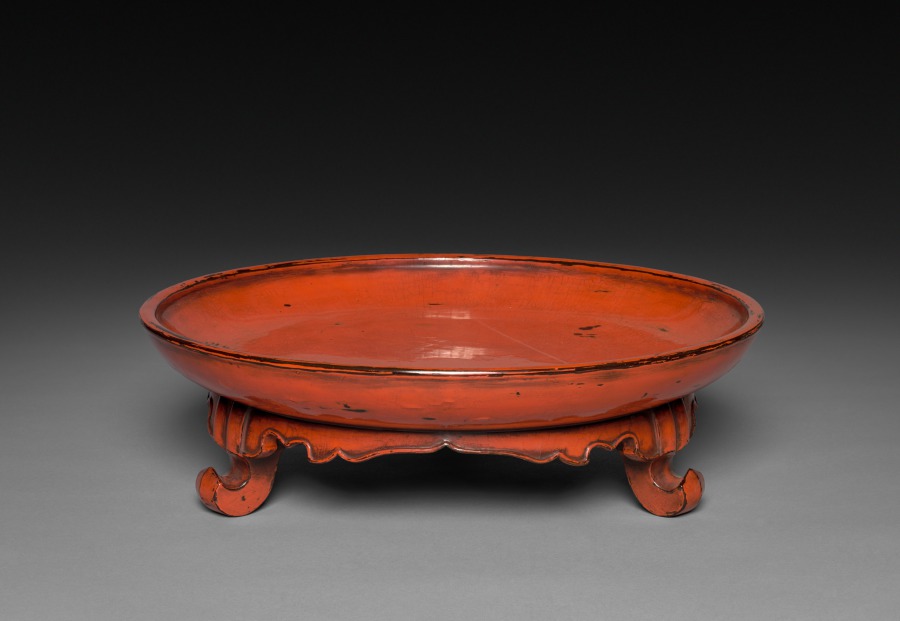
Tray
Cleveland Museum of Art

Wash basin with legs
Minneapolis Institute of Art
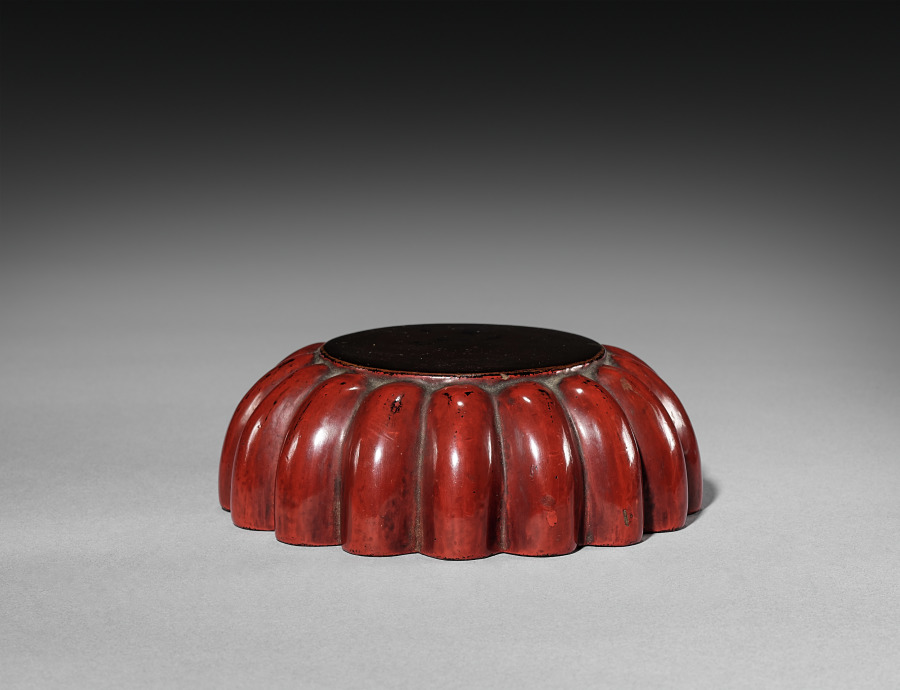
Tea Caddy (Chaire) (lid)
Cleveland Museum of Art
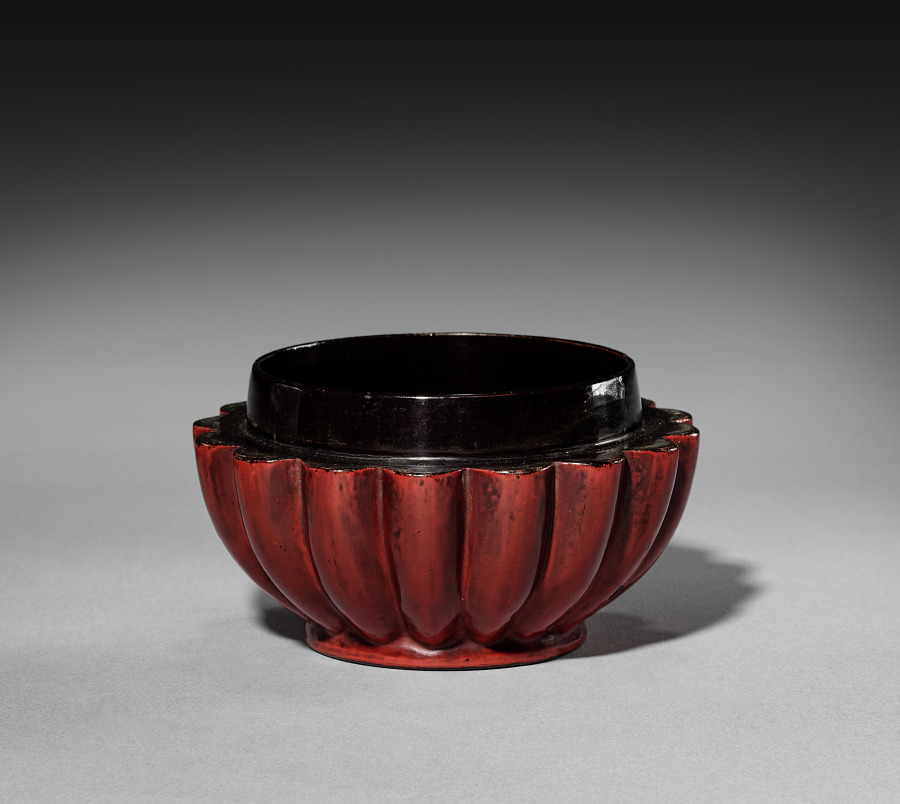
Tea Caddy (Chaire)
Cleveland Museum of Art
Tea Caddy (Chaire)
Cleveland Museum of Art

Lobed bowl
Minneapolis Institute of Art

Stem table
Minneapolis Institute of Art

Water container
Minneapolis Institute of Art