
Minneapolis Institute of Art
Official seal
China
- Date
- 2nd century BCE- 2nd century CE
- Medium
- Gilt bronze
- Department
- Asian Art
- Institution
- Minneapolis Institute of Art
The knob of this seal as well as its inscription indicate that it was used to stamp official documents. During the Shang dynasty (c. 1600-1050 BCE), tortoise shells were used in divination rituals, in which a hot poker was applied to the shell until it cracked. The cracks were then interpreted by a shaman to communicate with gods and foretell the future. Tortoises are also thought of as symbols of longevity and tenacity, and thus were considered auspicious beings. Tortoise knob seals were used by officials during the Han dynasty, as evidenced by several examples bearing official inscriptions that were excavated from Han tombs. This seal bears the inscription Taishou zhang (“the governor’s seal”), indicating that it was the seal of a governor, or taishou . China, Asia
The authoritative record is held by Minneapolis Institute of Art. LinkedCulture surfaces this object and its connections; it does not alter institutional metadata.
Related across collections
Semantically similar works from Minneapolis Institute of Art and other institutions.

Stone Seals
Minneapolis Institute of Art

Personal seal
Minneapolis Institute of Art

Official Daoist Seal
Minneapolis Institute of Art

Seal
Minneapolis Institute of Art

Imperial seal
Minneapolis Institute of Art
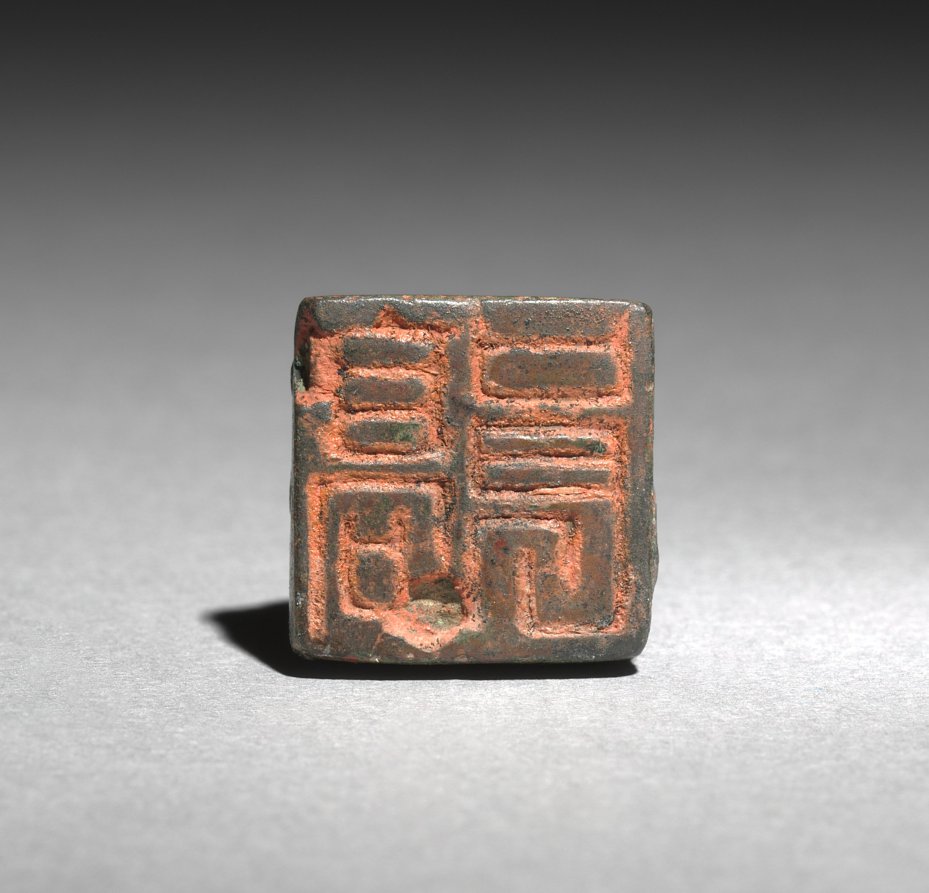
Seal
Cleveland Museum of Art

Daoist seal
Minneapolis Institute of Art

Seal Box
Minneapolis Institute of Art
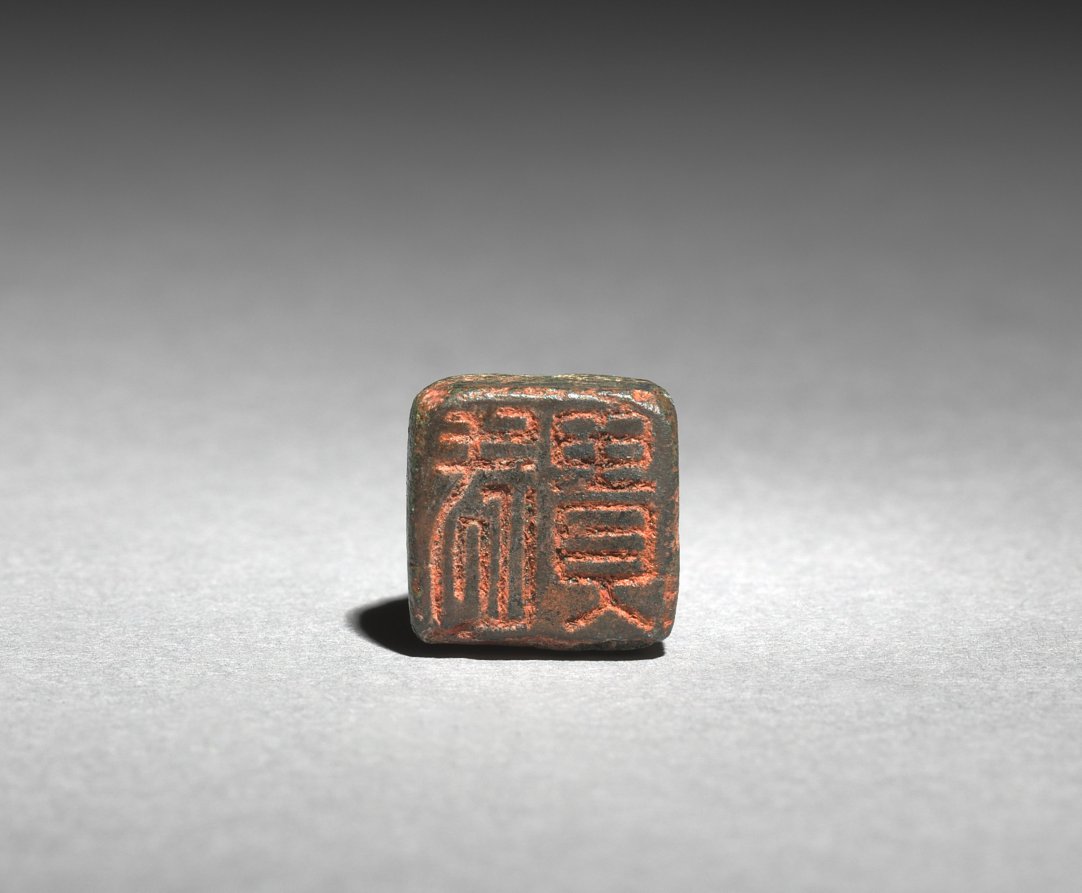
Seal
Cleveland Museum of Art

Tortoise-form waterdropper
Minneapolis Institute of Art
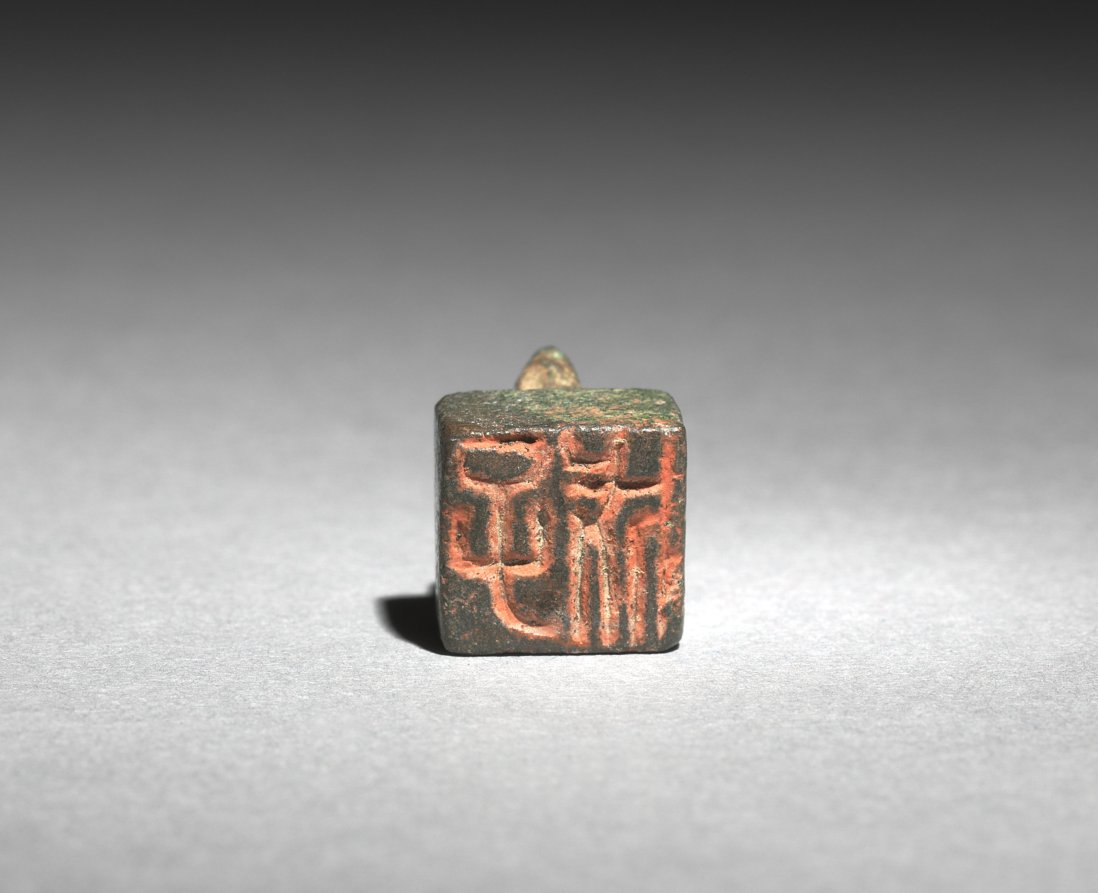
Seal
Cleveland Museum of Art
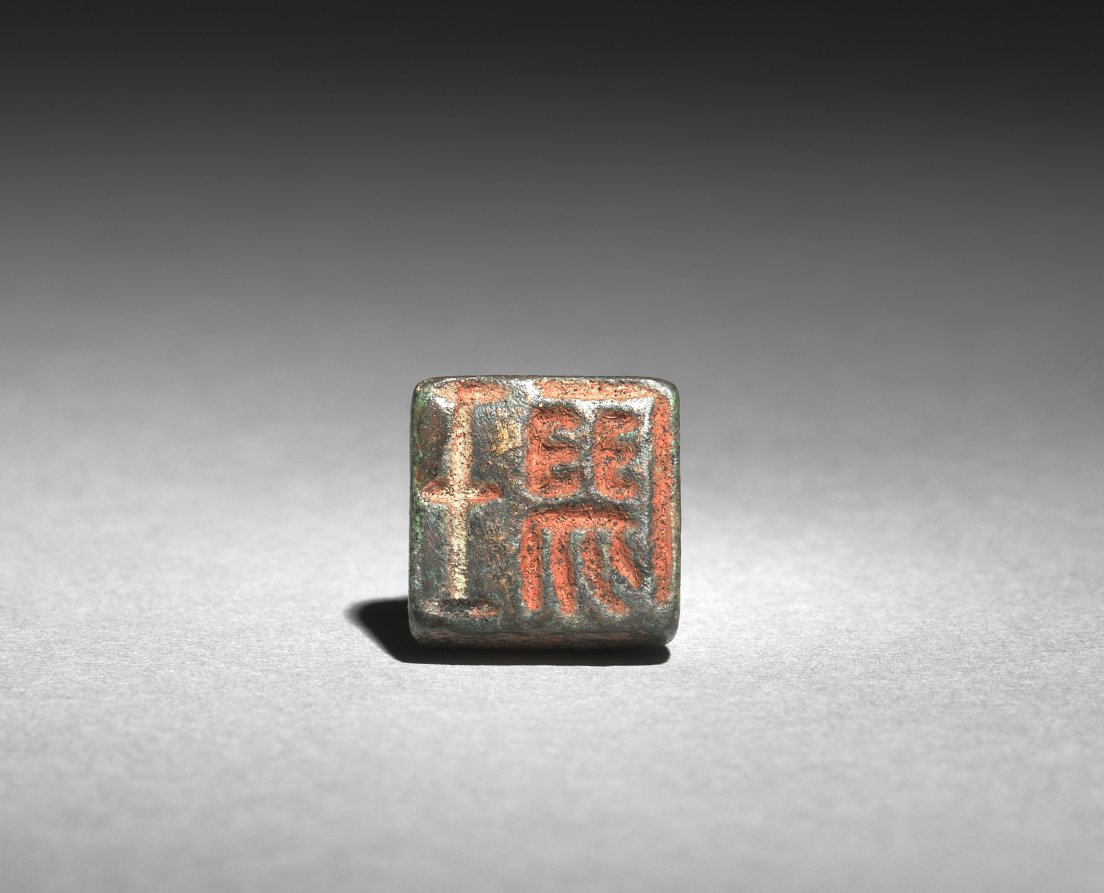
Seal
Cleveland Museum of Art