
Minneapolis Institute of Art
Poem from the Collection of Japanese Poems of Ancient and Modern Times (Kokin wakashū)
Calligrapher: Hon'ami Kōetsu; Underpainting by Tawaraya Sōtatsu
- Date
- early 1610s
- Medium
- Ink and gold on silver-decorated paper
- Department
- Asian Art
- Institution
- Minneapolis Institute of Art
In addition to Chinese characters, the Japanese writing system uses two forms of syllabaries (characters that represent a syllable): hiragana and katakana. The two written syllabaries developed from Chinese characters used to phonetically represent Japanese. Prior to the 1100s, each script style was associated with certain types of writing; for example, Chinese writing was used for scholarly texts, with annotations in katakana; novels and Japanese poetry employed hiragana and Chinese characters. This poem is written with a mix of kanji (Chinese characters) and variants of hiragana called hentaigana. The larger, thicker characters—mostly kanji—provide visual accents to the poem. Taken from the Collection of Japanese Poems of Ancient and Modern Times (Kokin wakashū), the poem reads: “The autumn moon shines brilliantly / upon the mountains / illuminating every / fallen colored leaf.” Asia
The authoritative record is held by Minneapolis Institute of Art. LinkedCulture surfaces this object and its connections; it does not alter institutional metadata.
Related across collections
Semantically similar works from Minneapolis Institute of Art and other institutions.

Poem from the Collection of Japanese Poems of Ancient and Modern Times (Kokin wakashū)
Minneapolis Institute of Art

Selections from the New Collection of Japanese Poems from Ancient and Modern Times (Shinkokin wakashū) with Printed Designs of Chinese Lions and Crab Finger Grass
Cleveland Museum of Art

Rain Over the Stream
Minneapolis Institute of Art

Two Quails with Pampas Grass
Minneapolis Institute of Art

Illustration of the Emperor Kōkō's Poem
Minneapolis Institute of Art
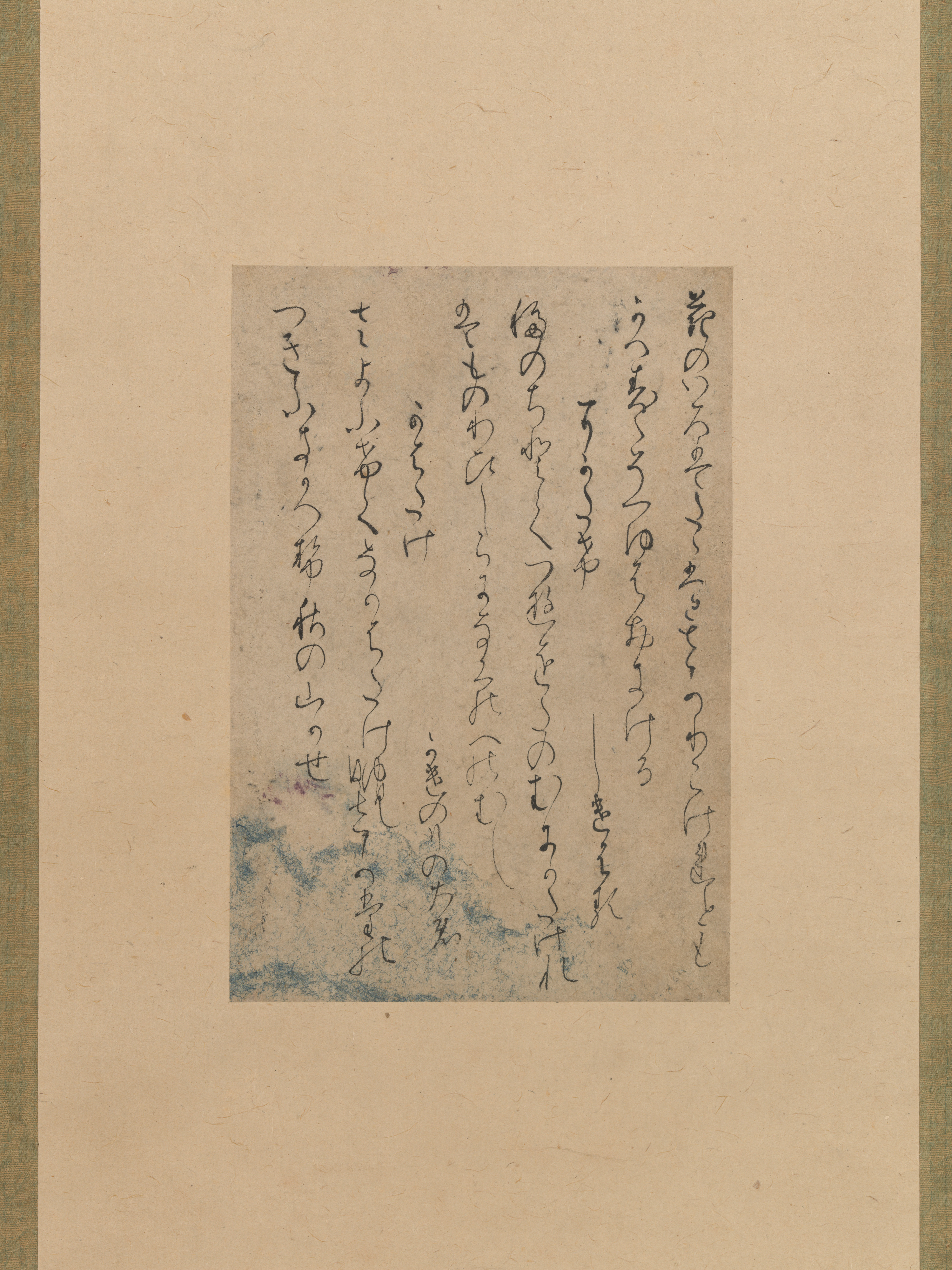
Three Poems from the Collection of Poems Ancient and Modern (Kokin wakashū), one of the Araki Fragments (Araki-gire)
The Metropolitan Museum of Art

Threads of Gold
Minneapolis Institute of Art
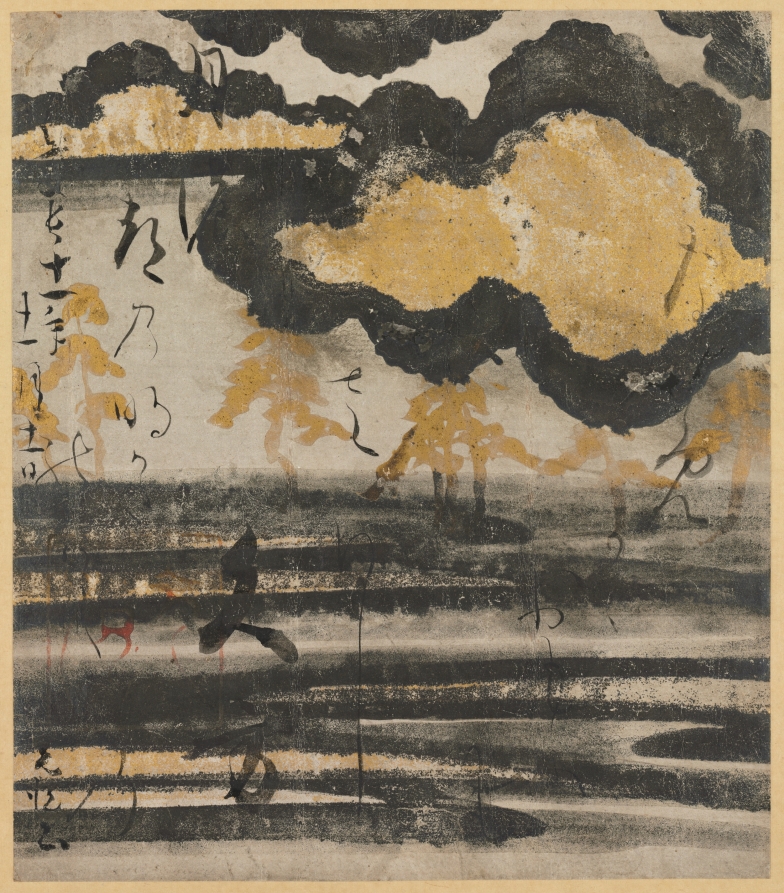
Poem-card from the Shinkokin wakashu (New Collection of Japanese Poems from Ancient and Modern Times) with Design of Pine on a Beach
Cleveland Museum of Art

Two Immortal Poets
Minneapolis Institute of Art
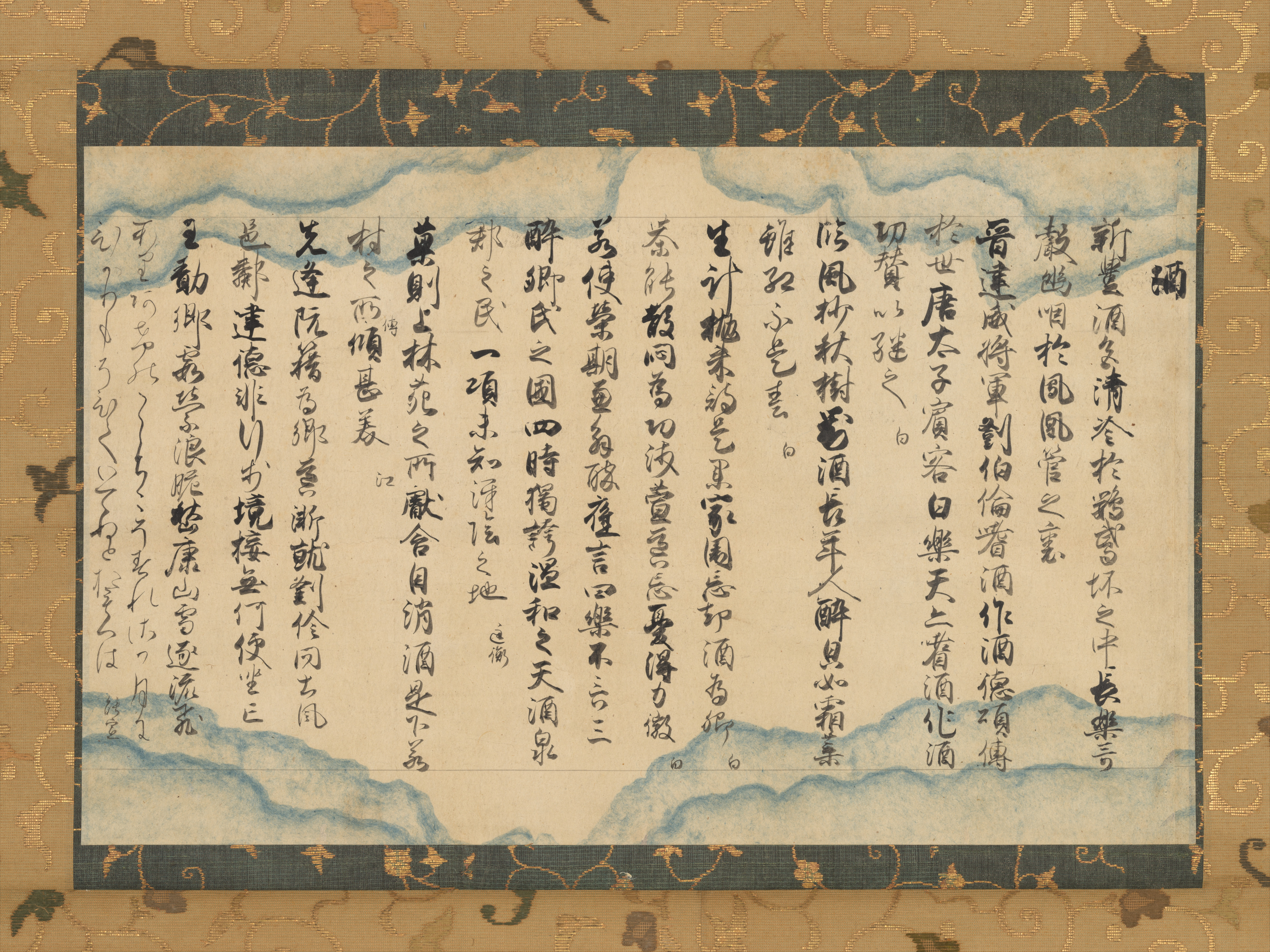
Poems from the “Cloud-Patterned Paper” version of Japanese and Chinese Poems to Sing (Kumogami-bon Wakan rōeishū)
The Metropolitan Museum of Art
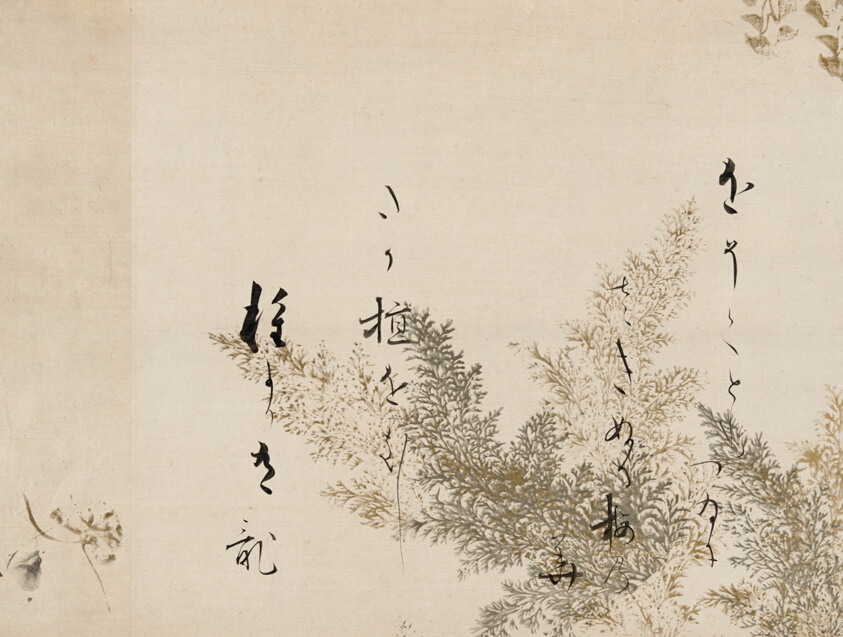
A Poem from the Shin Kokinshu with Design of Shinobugusa (Moss Fern)
Art Institute of Chicago

Facing the Moon
Minneapolis Institute of Art