
Minneapolis Institute of Art
Sake Bottle with Dutchmen
Japan
- Date
- 18th century
- Medium
- Arita ware, Imari type, porcelain with underglaze cobalt blue
- Department
- Asian Art
- Institution
- Minneapolis Institute of Art
Early forms of sake (fermented rice wine) emerged in Japan over 2, 000 years ago. Among naturally fermented beverages, sake ranks at the top in terms of alcohol content (18-20%; grape wine by comparison averages 12-14%). The global circulation of tobacco from the Americas also impacted premodern drinking culture. This sake bottle depicts two Dutch men holding a Japanese pipe, known as a kiseru. Kiseru were already in use when the Dutch established trade relations in 1609. These elongated pipes became popular in the late 1500s when Portuguese or Spanish merchants introduced tobacco from the Americas. Asia
The authoritative record is held by Minneapolis Institute of Art. LinkedCulture surfaces this object and its connections; it does not alter institutional metadata.
Related across collections
Semantically similar works from Minneapolis Institute of Art and other institutions.
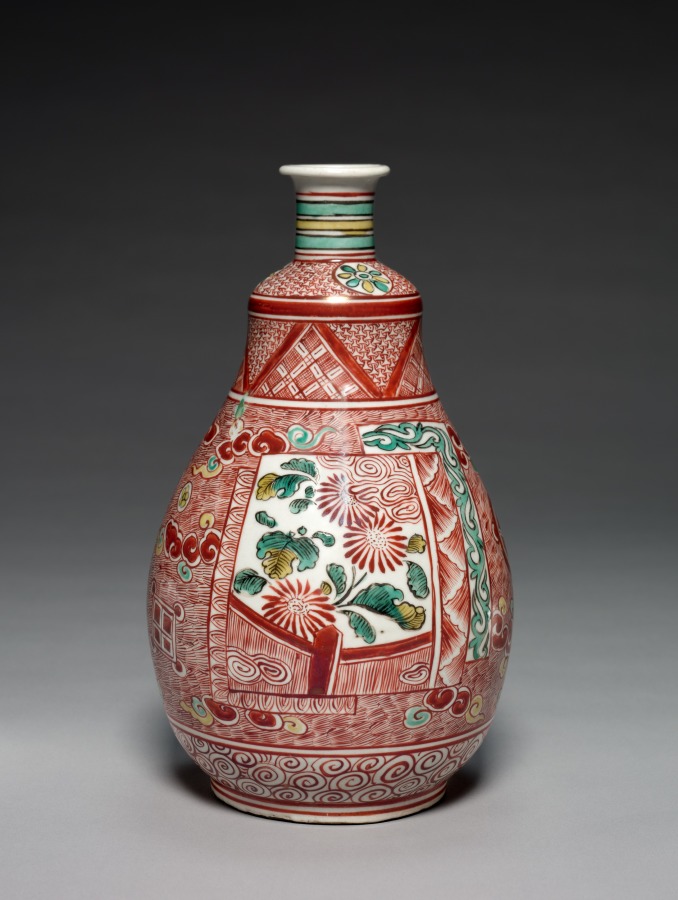
Tea Whisk-Shaped Sake Bottle
Cleveland Museum of Art
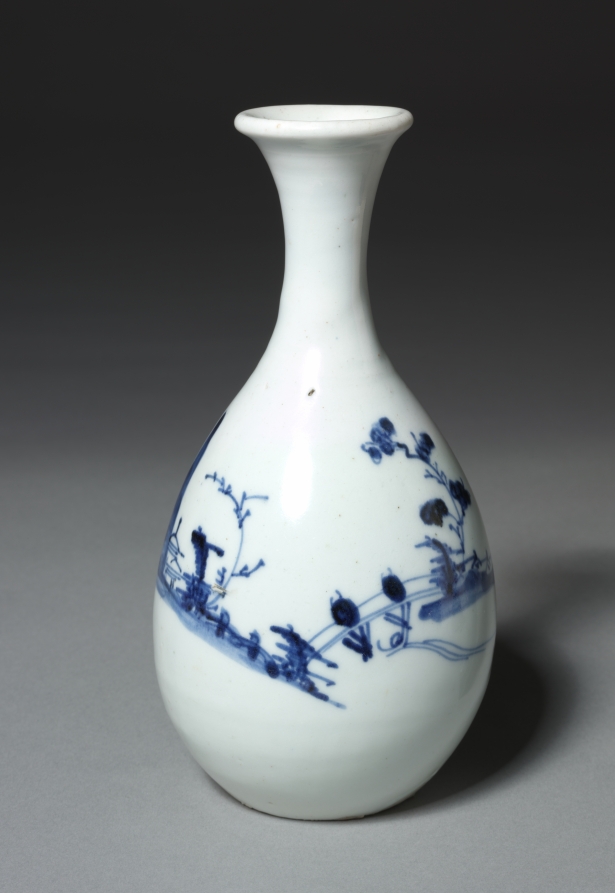
Sake Bottle
Cleveland Museum of Art
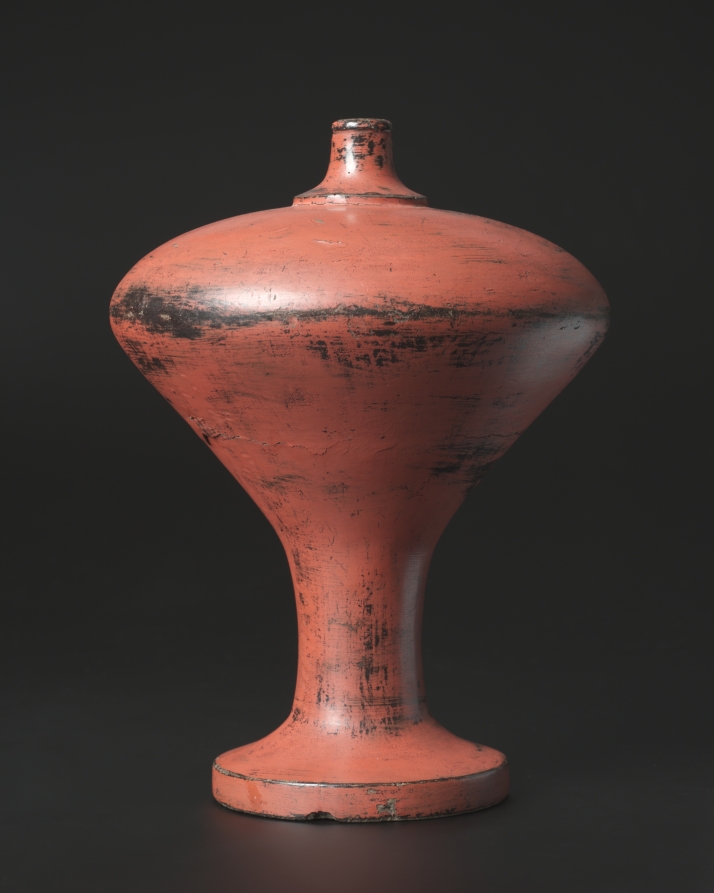
Sake Bottle
Cleveland Museum of Art
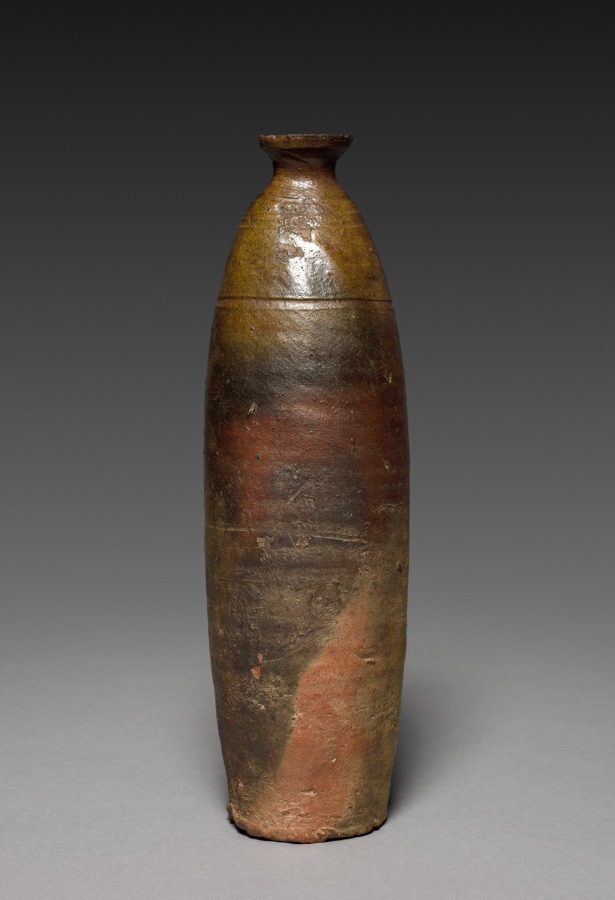
Sake Bottle: Ryukyu Namban Ware
Cleveland Museum of Art

Sake Bottle
Minneapolis Institute of Art
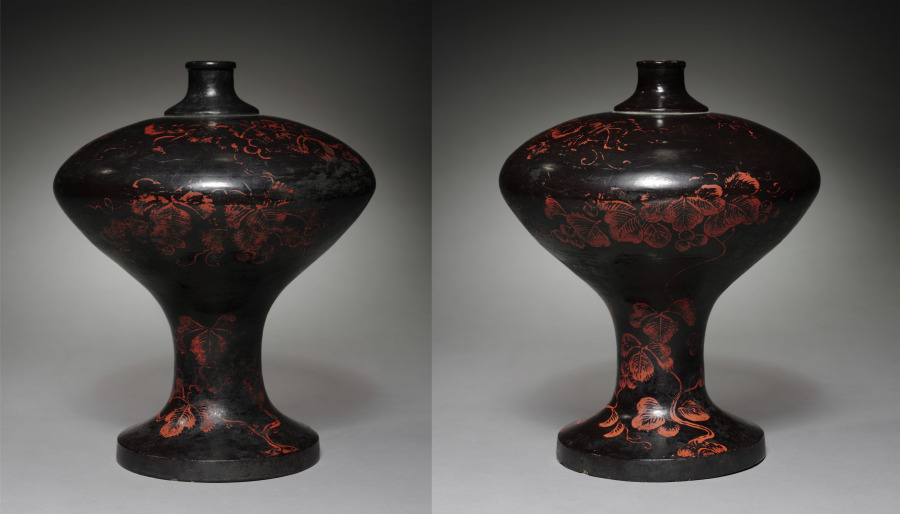
Sake Flask (pair)
Cleveland Museum of Art
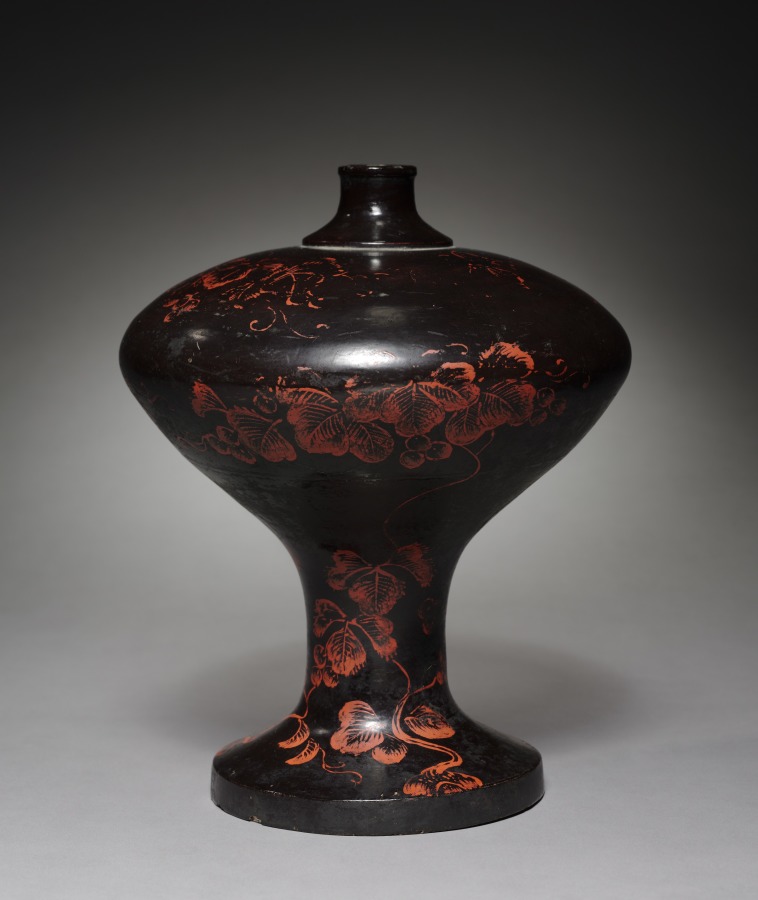
Sake Flask
Cleveland Museum of Art
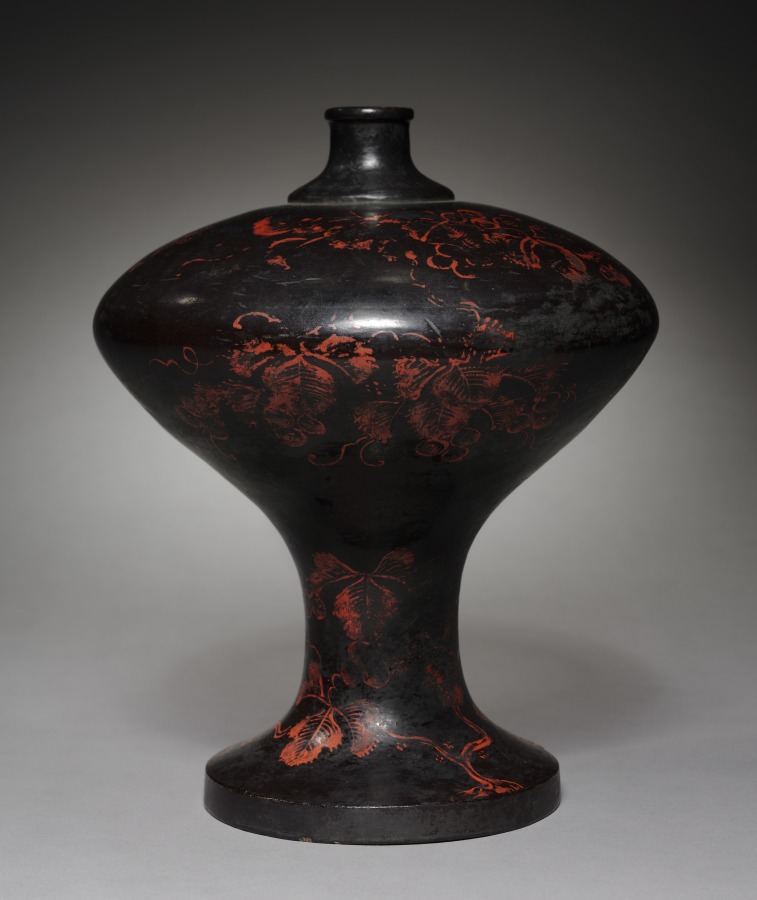
Sake Flask
Cleveland Museum of Art
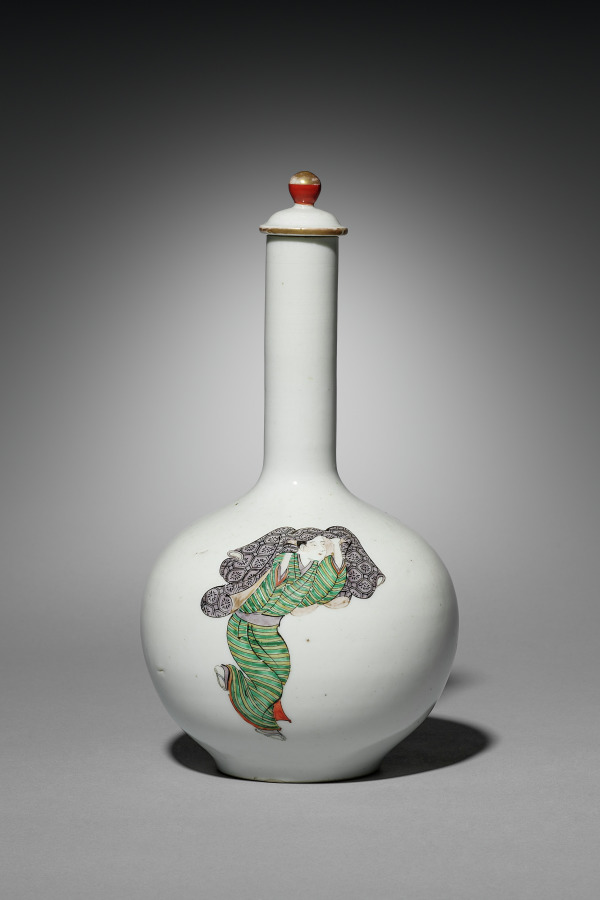
Sake Bottle with Three Figures
Cleveland Museum of Art
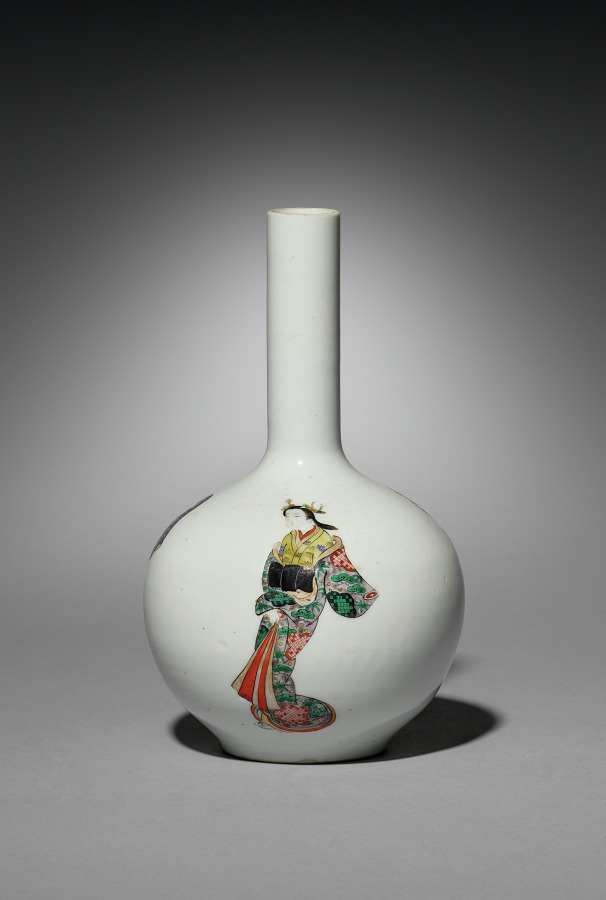
Sake Bottle with Three Figures
Cleveland Museum of Art

Tobacco tray
Minneapolis Institute of Art
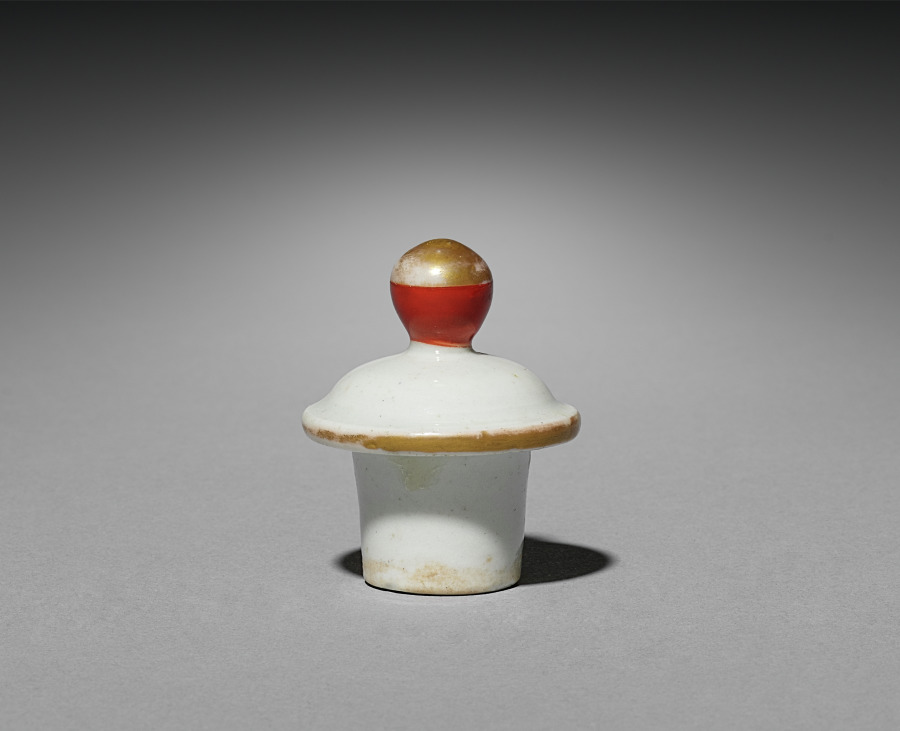
Sake Bottle with Three Figures (lid)
Cleveland Museum of Art