
Minneapolis Institute of Art
Korean Hyompae, one of a pair
Korea
- Date
- 19th century
- Medium
- Silk thread embroidery on silk
- Department
- Asian Art
- Institution
- Minneapolis Institute of Art
Hyungbae, or rank badges, were sewn onto the chest and back of a danryeong (round-collared) robe. The patterns on the badge signified a specific rank and often featured auspicious symbols. In this pair, two cranes bite a single lingzhi fungus (bullocho in Korean). They are surrounded by colorful stylized clouds above and stylized rocks and waves below. Starting in 1871, the double-crane motif was reserved for the highest rank of civil official (as opposed to military officials, who had tigers as insignia). The Joseon court adopted the rank badge system from China in 1454 and kept it in use until 1899. Asia
The authoritative record is held by Minneapolis Institute of Art. LinkedCulture surfaces this object and its connections; it does not alter institutional metadata.
Related across collections
Semantically similar works from Minneapolis Institute of Art and other institutions.

Korean Hyompae, one of a pair
Minneapolis Institute of Art
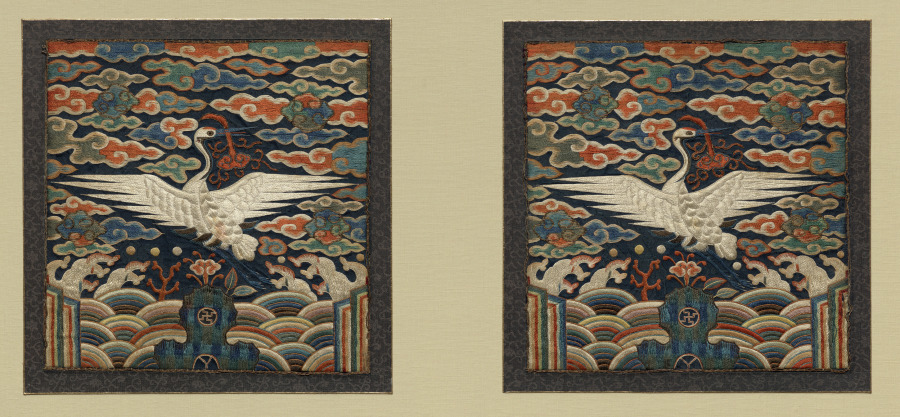
A Pair of Rank Badges with Single Crane Motif
Cleveland Museum of Art
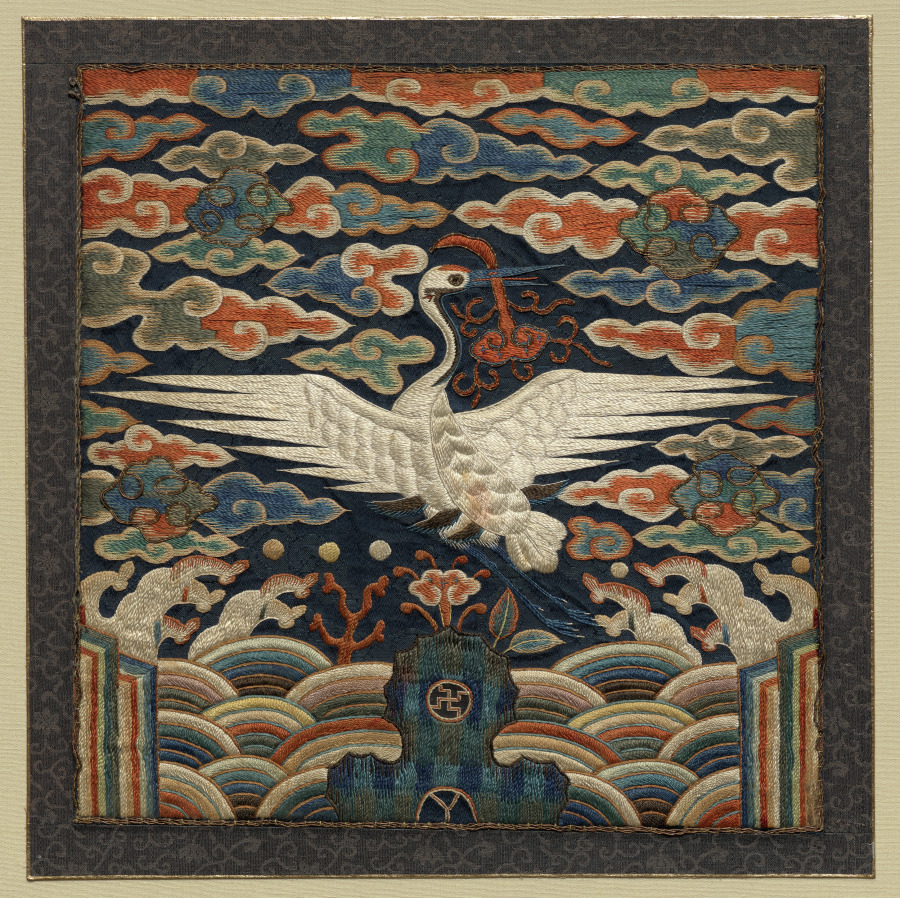
Rank Badge with Single Crane Motif
Cleveland Museum of Art
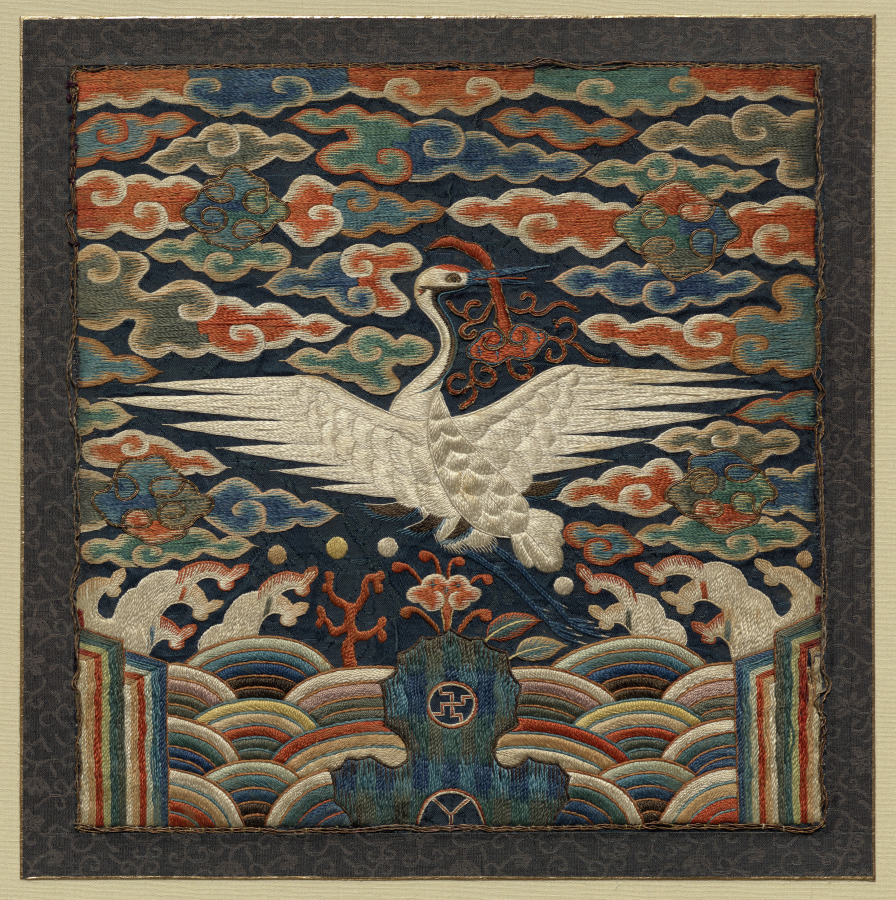
Rank Badge with Single Crane Motif
Cleveland Museum of Art
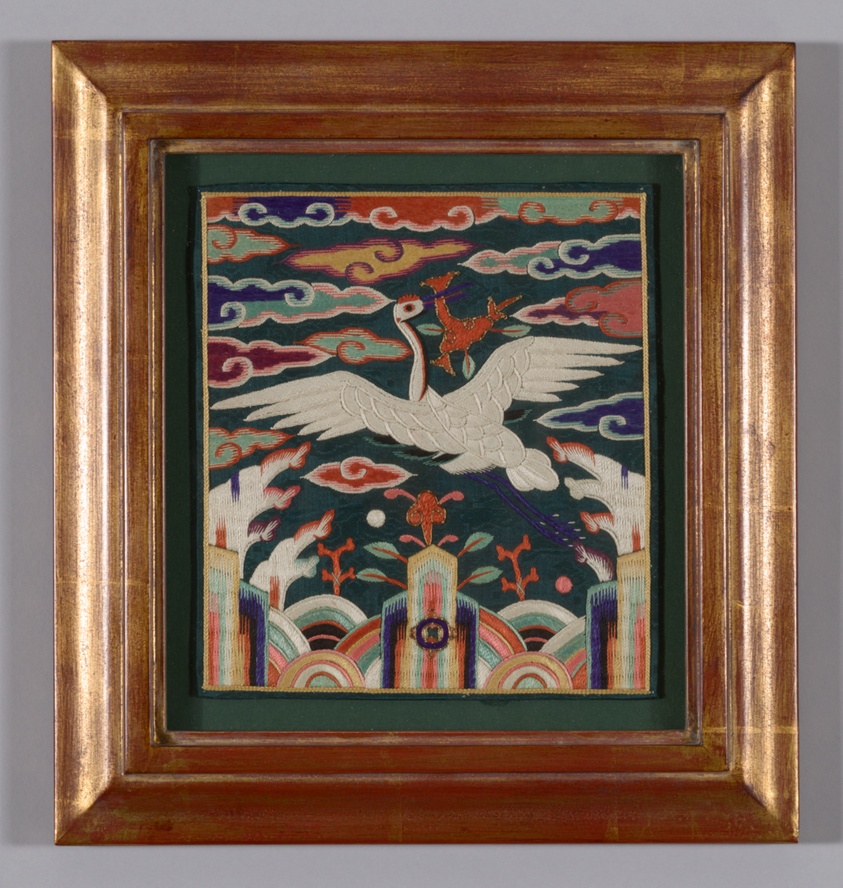
Rank Badge for a Mid-level Government Official (known as "Hyumpae" meaning front and back)
Art Institute of Chicago
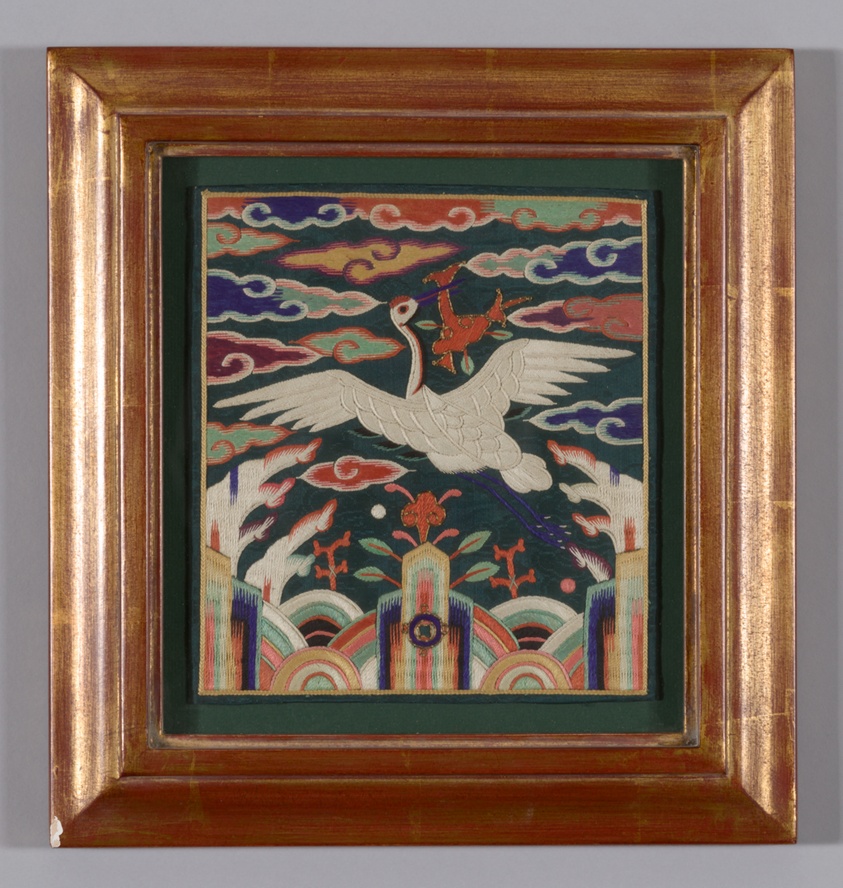
Rank Badge for a Mid-level Government Official (known as "Hyumpae" meaning front and back)
Art Institute of Chicago
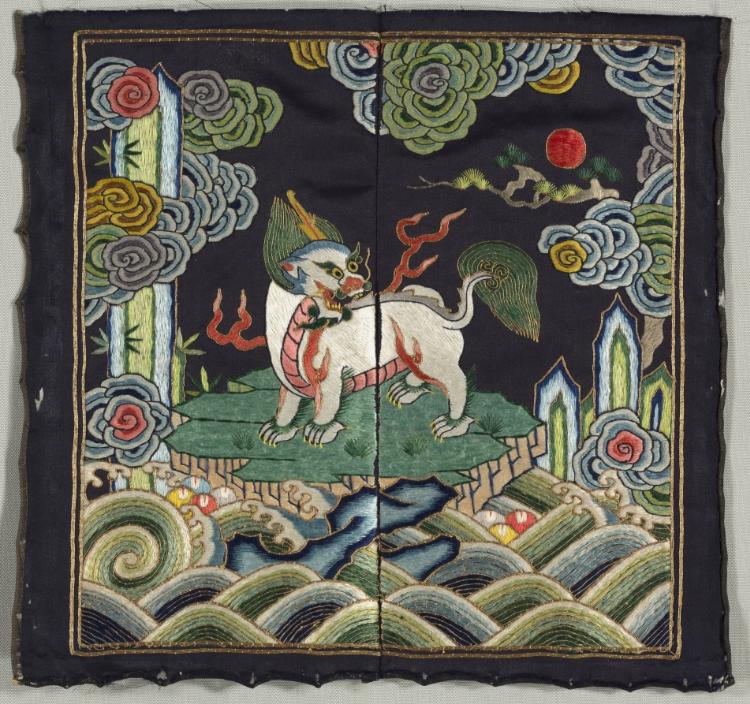
Rank Badge (buzi)
Cleveland Museum of Art
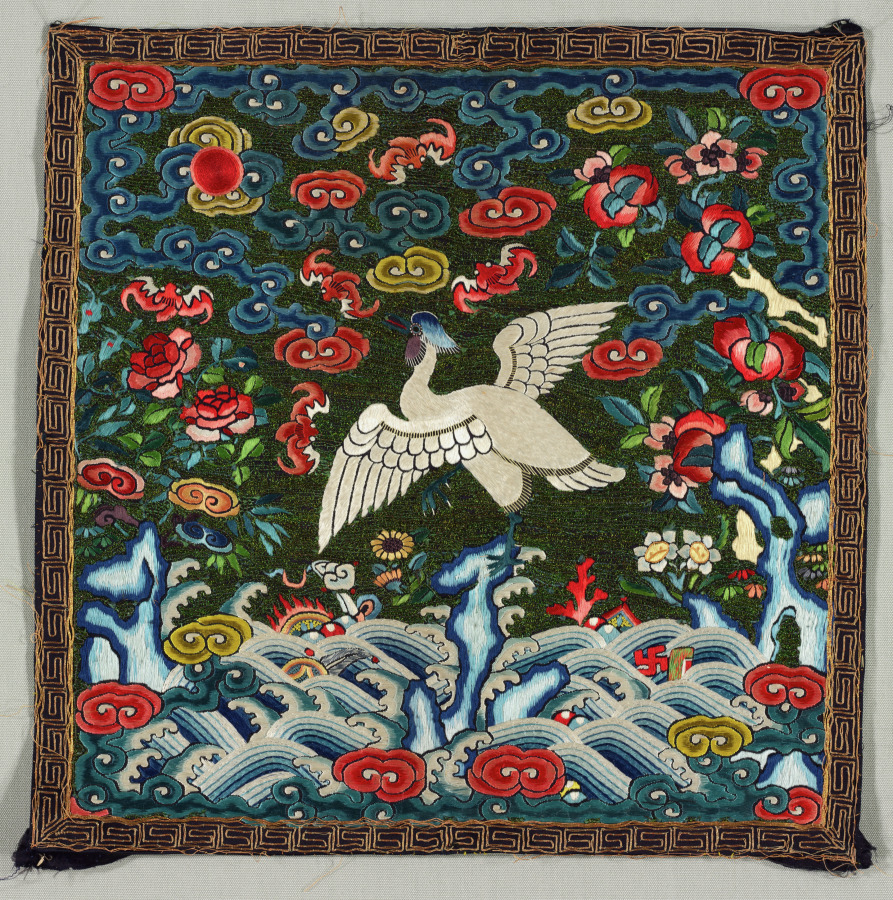
Rank Badge (buzi)
Cleveland Museum of Art
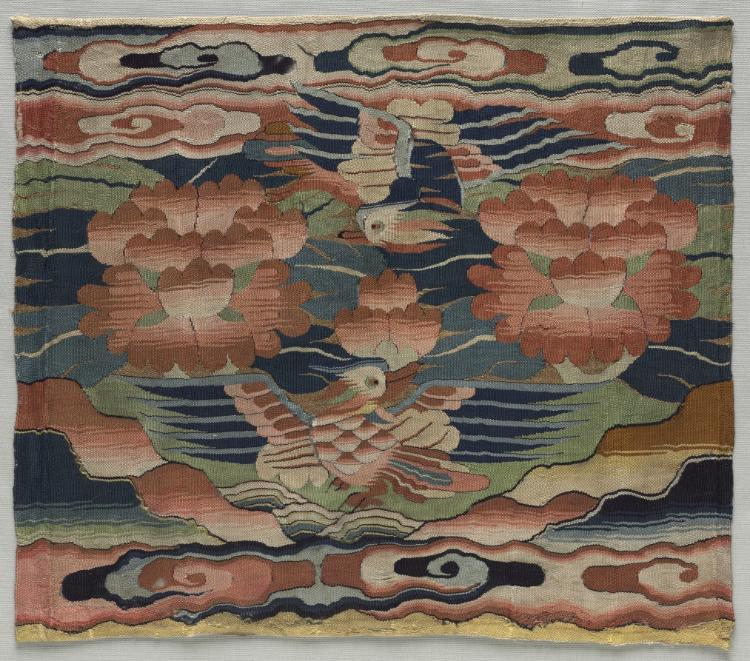
Rank Badge (buzi)
Cleveland Museum of Art
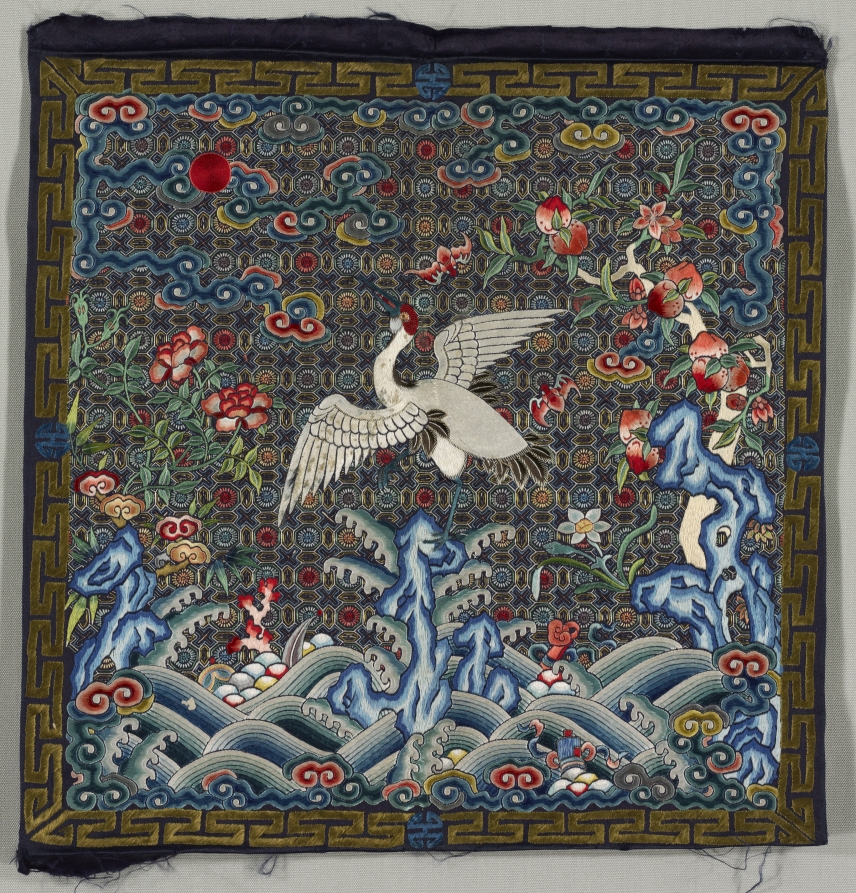
Rank Badge (buzi)
Cleveland Museum of Art
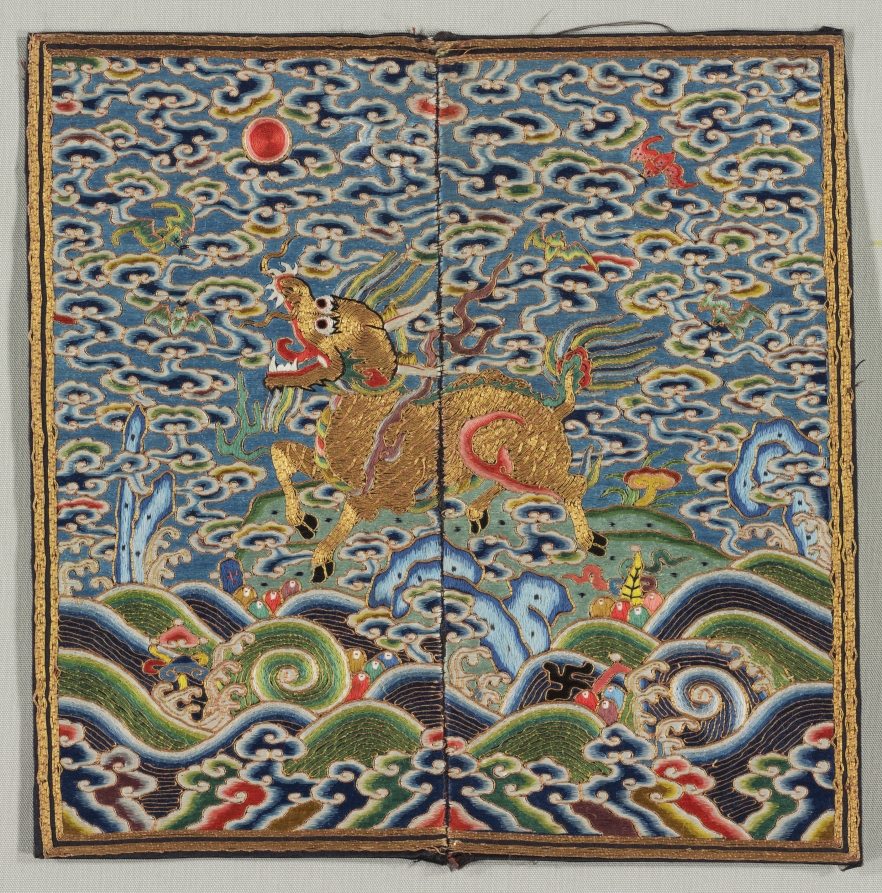
Rank Badge (buzi)
Cleveland Museum of Art
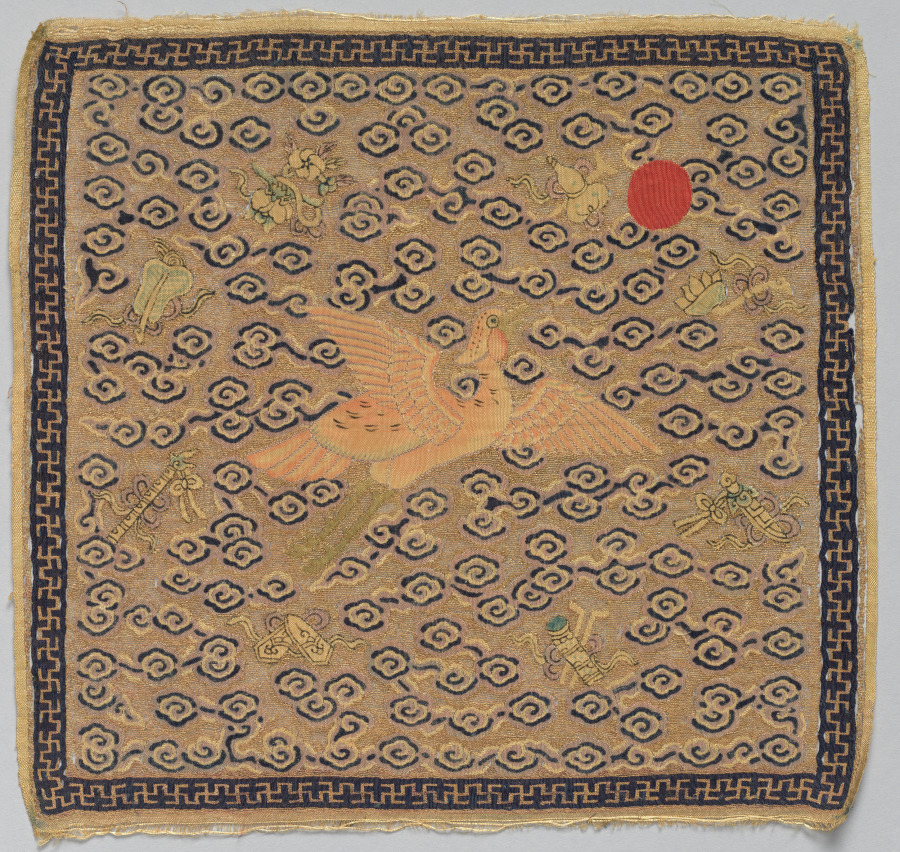
Rank Badge (buzi)
Cleveland Museum of Art