
Minneapolis Institute of Art
Figurine of a Female
Japan
- Date
- 1000–800 BCE
- Medium
- Earthenware with traces of color, base: wood
- Department
- Asian Art
- Institution
- Minneapolis Institute of Art
Over the years, archaeologists have uncovered many different kinds of clay figurines— dogū —dating to Japan’s prehistoric Jōmon period (14, 000–300 bce). The most diverse forms have been excavated in northeastern Japan, where this figurine of a female was discovered. Some are seated, others standing, some have heart-shaped heads, others round and wearing headpieces, some have little or no surface decoration, and others, like this example, known as a shakōki or “goggle-eyed” type, have distinctive large eyes and are adorned with color and complex carved decorations. No one knows for sure how these figurines were used, but there are several theories. The prevailing theory holds that they served as talismans related to health and childbirth, and that after they were used they were purposefully broken and disposed of, which may account for the fact that dogū are found with missing limbs or other seemingly purposeful breaks. Asia
The authoritative record is held by Minneapolis Institute of Art. LinkedCulture surfaces this object and its connections; it does not alter institutional metadata.
Related across collections
Semantically similar works from Minneapolis Institute of Art and other institutions.
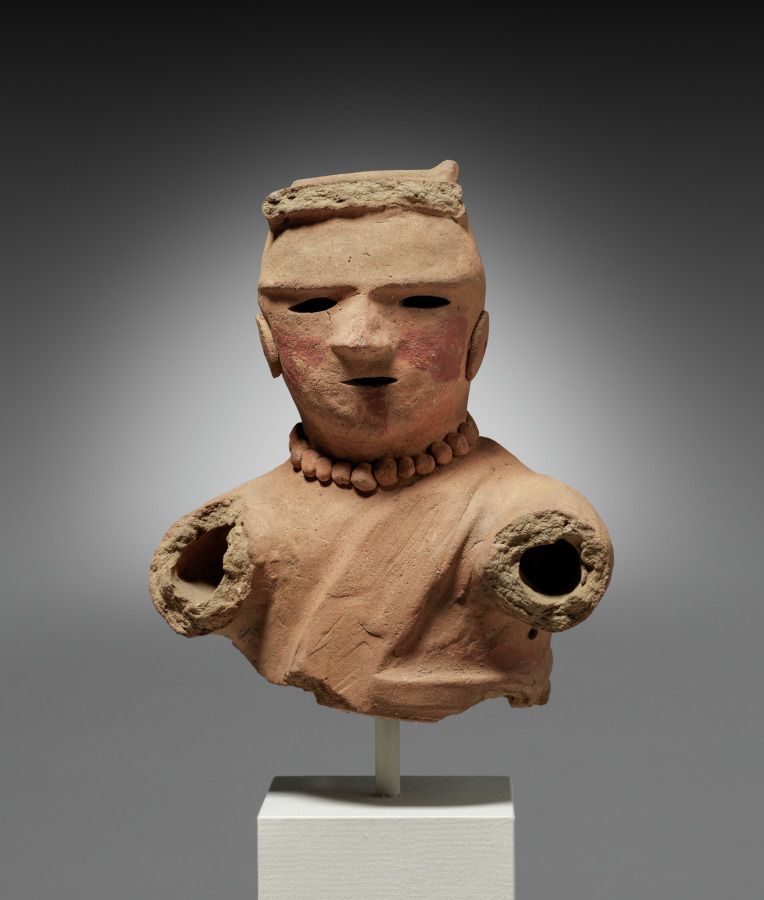
Haniwa Figure of a Female
Cleveland Museum of Art

Female Figure of the Late Spedos Type
Getty Museum
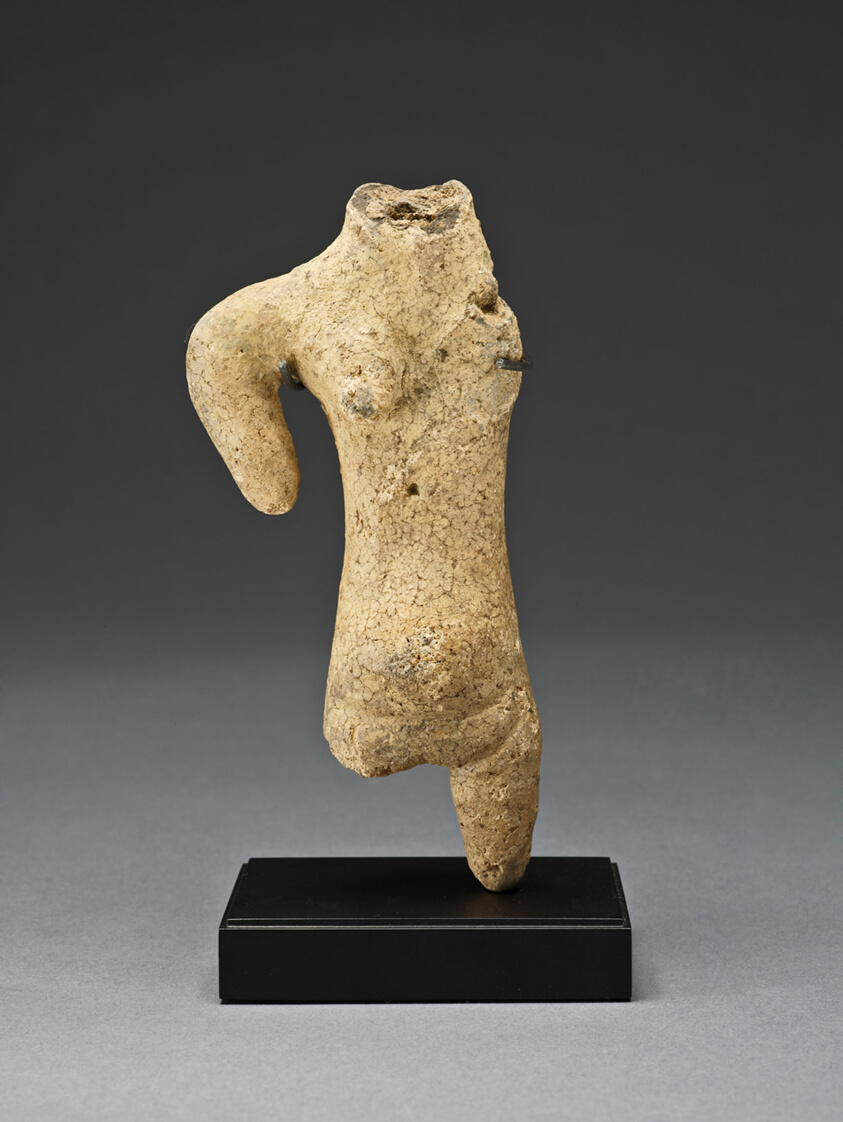
Partial Figure of a Pregnant Women
Art Institute of Chicago
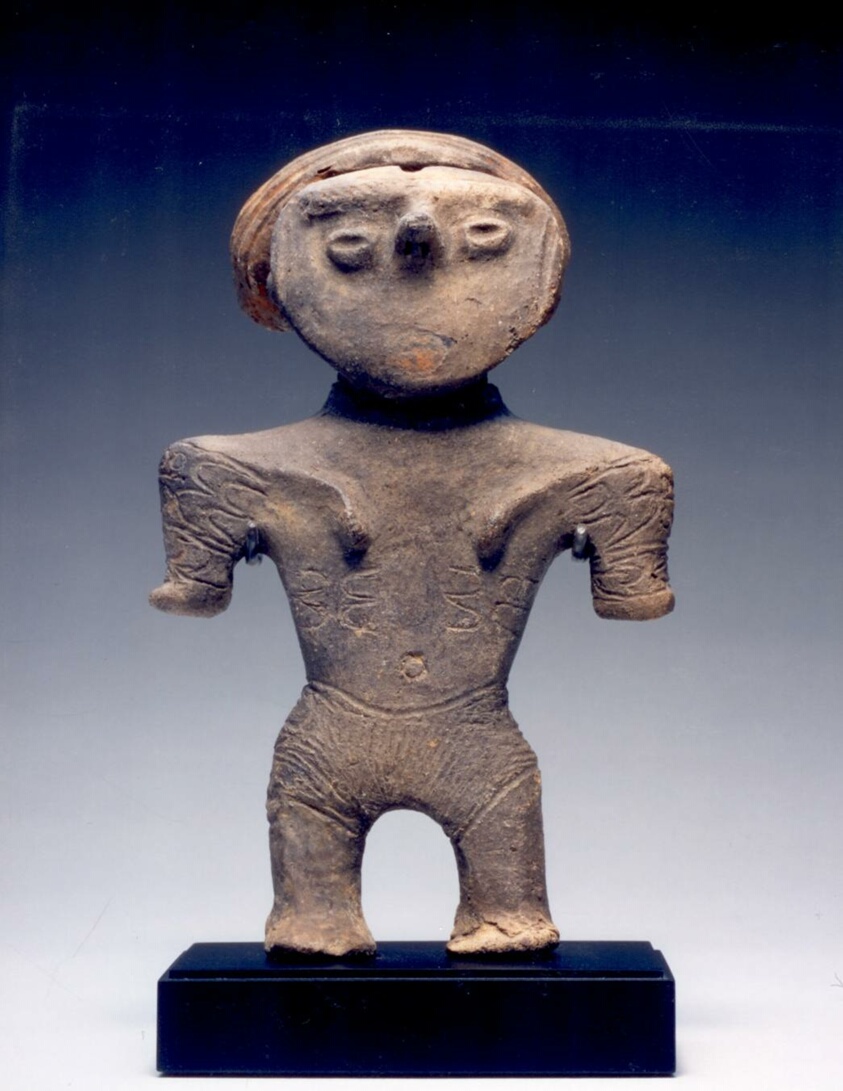
Female Figurine with Topknot
Art Institute of Chicago
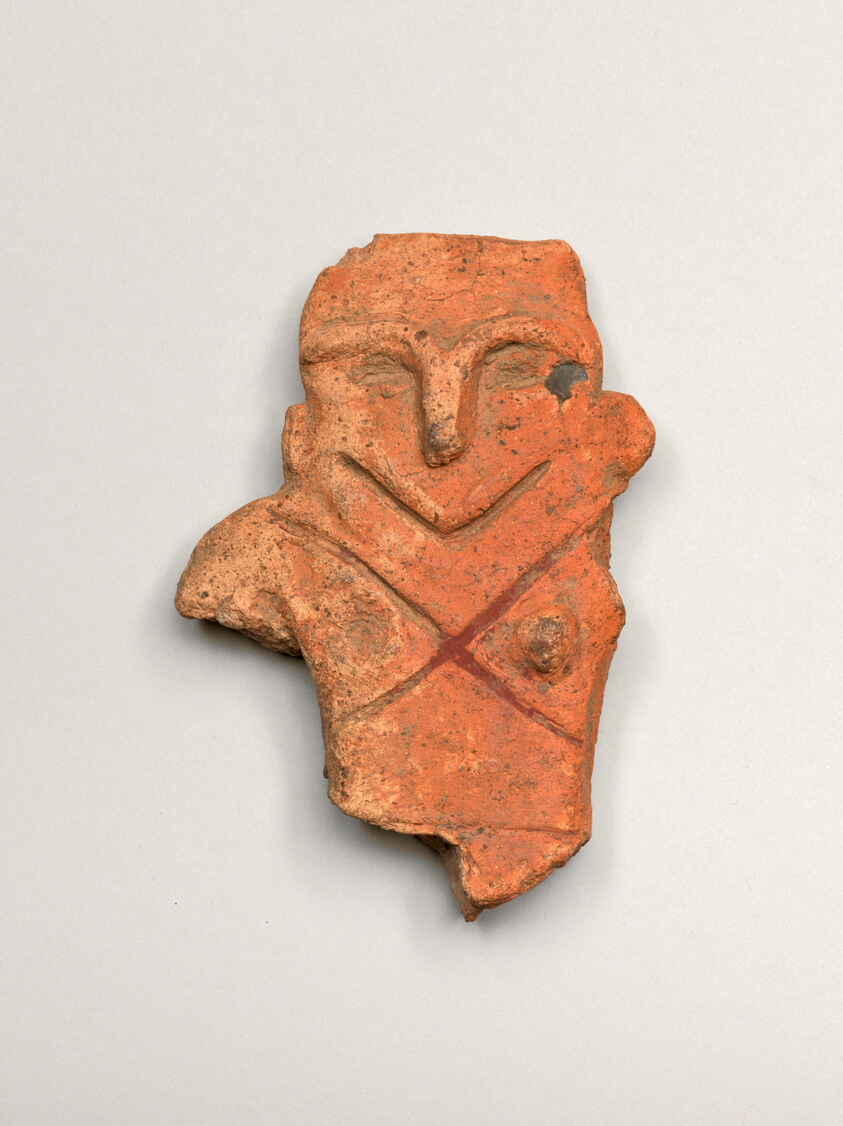
Smiling Figurine
Art Institute of Chicago
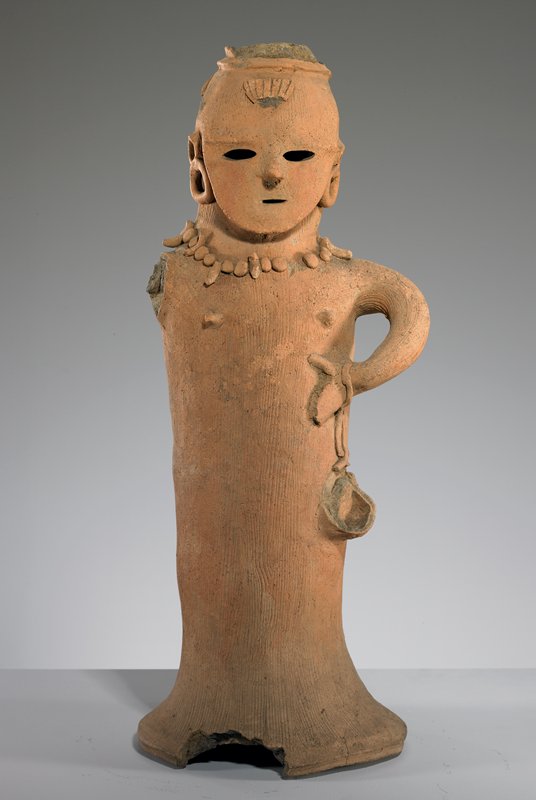
Haniwa of a Female Shrine Attendant
Minneapolis Institute of Art
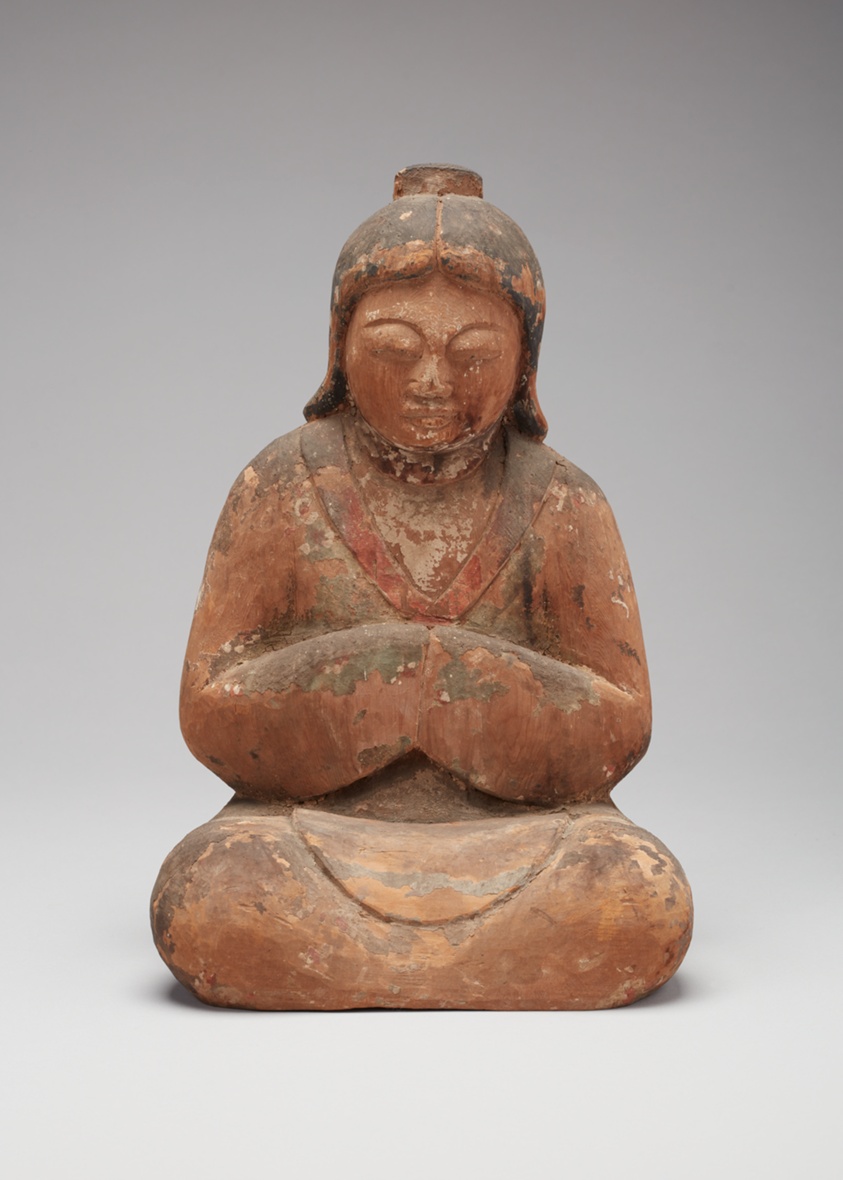
Female Shinto Deity
Art Institute of Chicago

Female Figure of the Dokathismata Type
Getty Museum
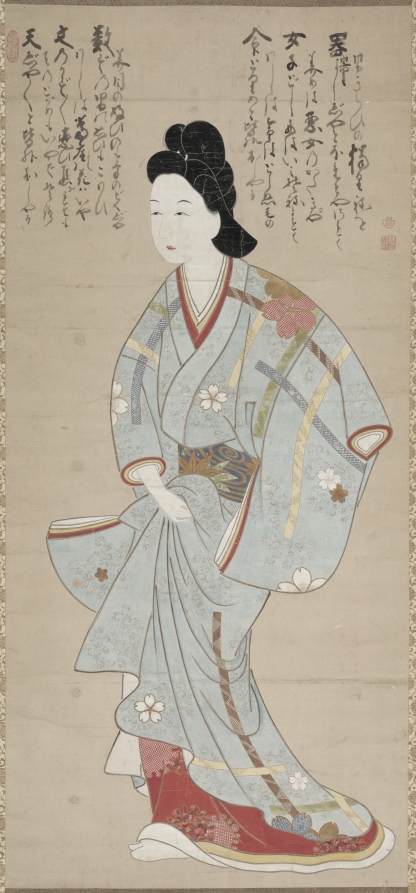
Figure of a Woman
Cleveland Museum of Art
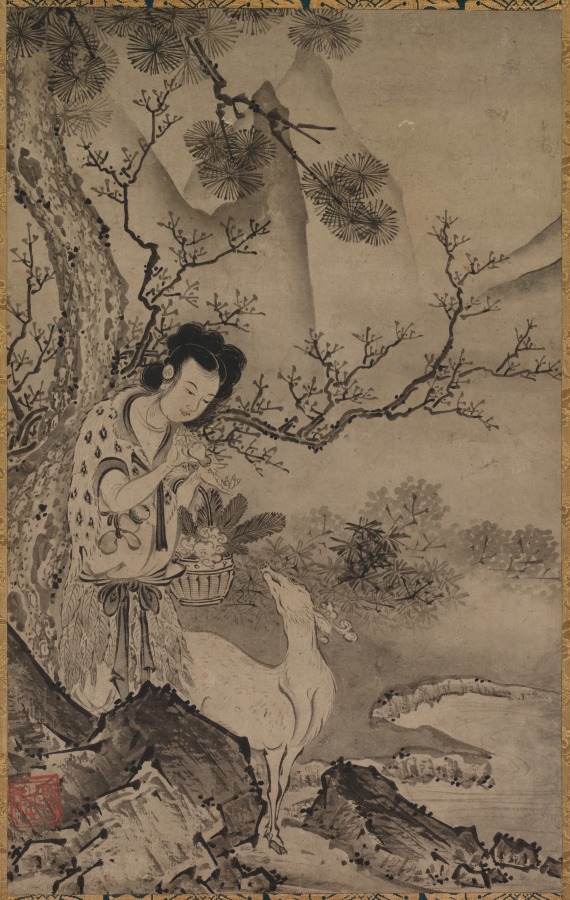
Female Daoist Figure in Landscape
Cleveland Museum of Art

Female Attendant, one of five
Minneapolis Institute of Art

Statuette of a Seated Woman
Getty Museum