
Minneapolis Institute of Art
Red tea bowl with fisherman
Japan
- Date
- 18th century
- Medium
- Raku ware, glazed stoneware
- Department
- Asian Art
- Institution
- Minneapolis Institute of Art
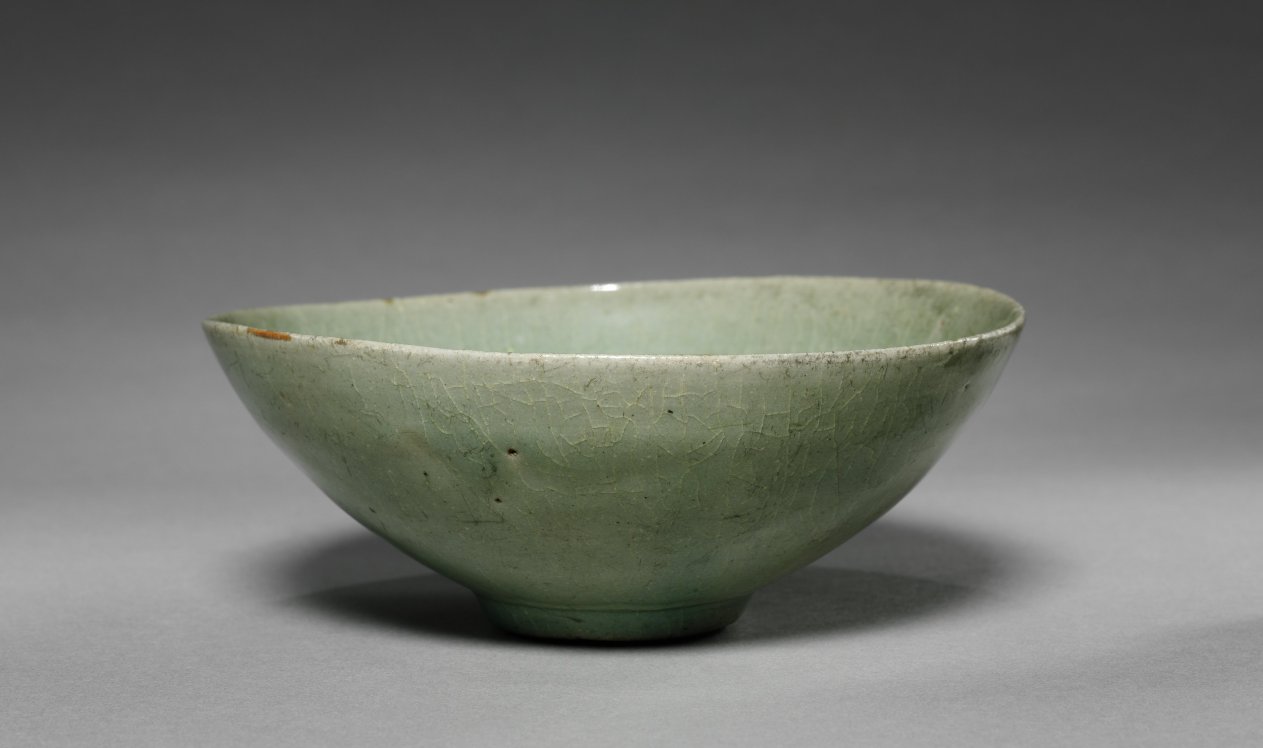
Raku tea bowls were first created by Chōjirō (d.1589), a maker of earthenware tiles, under the direction of the great tea master Sen no Rikyū (1522–1591). The light clay, thick black or red glaze, and hand-built forms combined to suggest the simplicity and rustic quality desired by Rikyū. The slightly exaggerated surface treatment of this bowl, as well as the roughly incised image of a fisherman trolling his boat, suggests that it was created later in the Edo period when tea enthusiasts and potters began to venture beyond the conservative and somber wabi aesthetic preferred by Rikyū. Japan, Asia
The authoritative record is held by Minneapolis Institute of Art. LinkedCulture surfaces this object and its connections; it does not alter institutional metadata.
Related across collections
Semantically similar works from Minneapolis Institute of Art and other institutions.

Tea bowl
Minneapolis Institute of Art

Tea bowl with cranes
Minneapolis Institute of Art
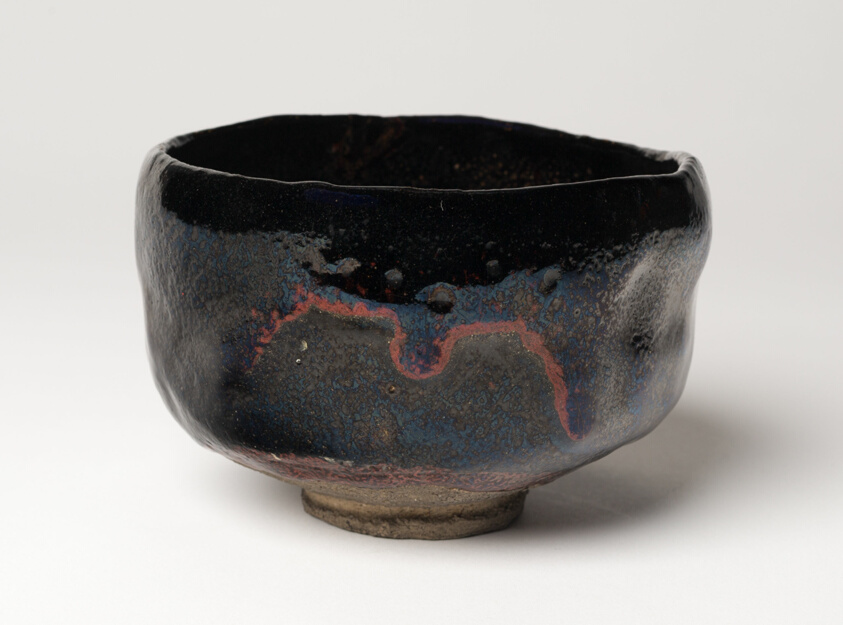
Raku Ware Tea Bowl
Art Institute of Chicago

Tea caddy
Minneapolis Institute of Art

Tea Bowl
Cleveland Museum of Art

Tea bowl with cherry blossoms
Minneapolis Institute of Art

Tea bowl
Minneapolis Institute of Art

Tea bowl with incised turtles
Minneapolis Institute of Art
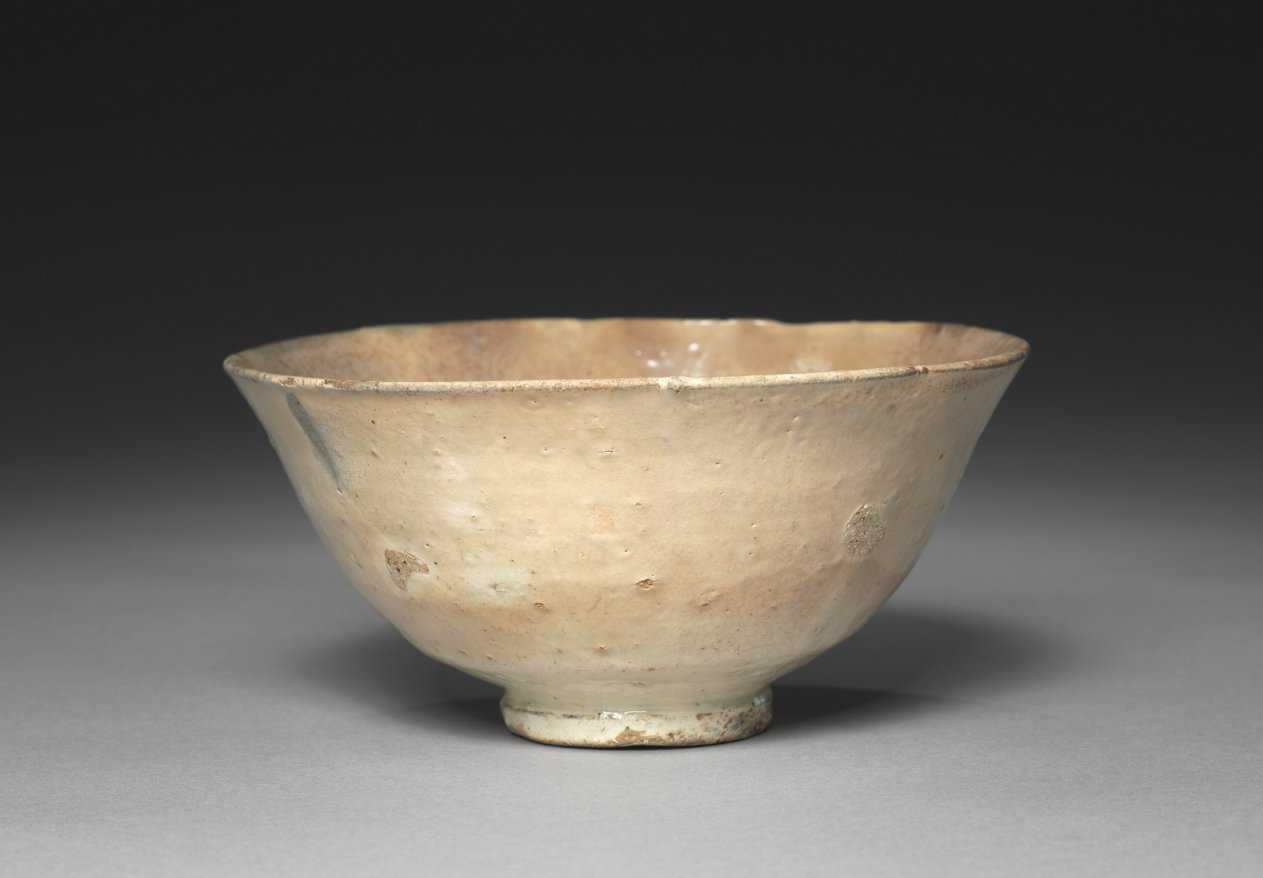
Tea Bowl
Cleveland Museum of Art
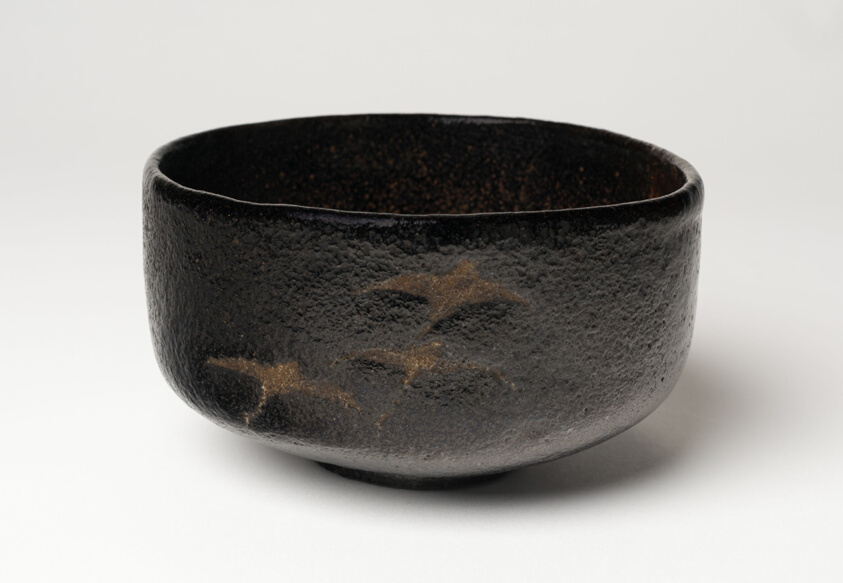
Raku Ware Tea Bowl with Design of Descending Geese
Art Institute of Chicago
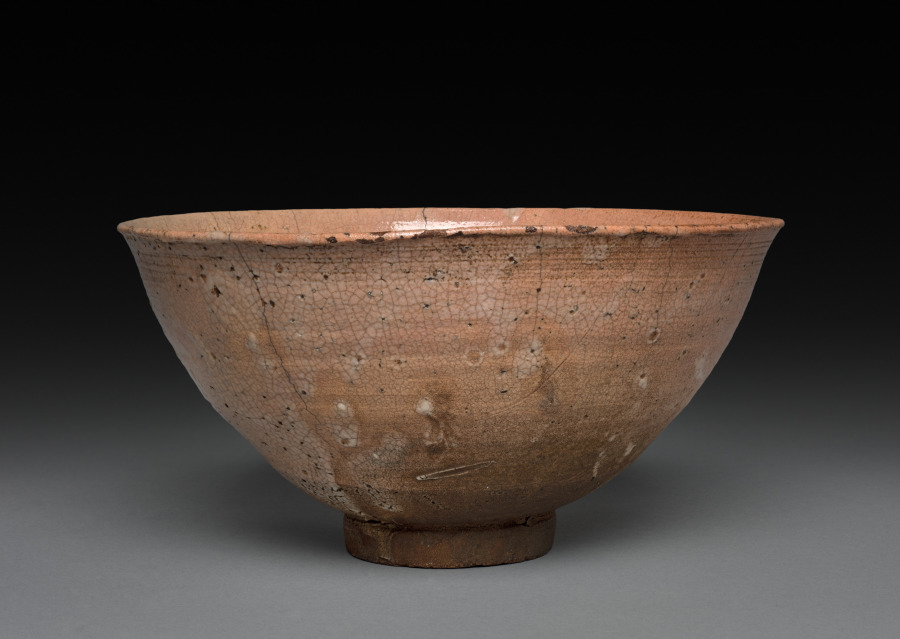
Tea Bowl
Cleveland Museum of Art
Bowl with Fish and Waves in Relief
Cleveland Museum of Art