
Minneapolis Institute of Art
Haunt of the Jay
William Giles
- Date
- c. 1930–32
- Medium
- Color woodcut and relief print from zinc plates
- Department
- European Art
- Institution
- Minneapolis Institute of Art
Once, before making a print of swans, William Giles spent six weeks concealed in a covered punt (a narrow, flat-bottomed boat) so he could observe swans on London’s Thames River. It’s not known whether he spent a similar amount of time hiding in a tree to observe the habits of jays before making Haunt of the Jay. The orange breast makes it the Eurasian jay (Garrulus glandarius), a species in Britain also distinctive for its blue-and-black wings. Giles often printed from woodblocks in combination with zinc plates, “carving” relief designs on the metal with acid. He found that the zinc plates delivered purer color, and surely used them to print this exquisite creature coasting high above a riverbank. (Did he intentionally make the background drab to set off the bird?) Despite the menacing look, the Eurasian jay is reputedly shy and is probably looking for acorns—it’s been known to find and bury as many as 11, 000 per winter. England, Europe
The authoritative record is held by Minneapolis Institute of Art. LinkedCulture surfaces this object and its connections; it does not alter institutional metadata.
Related across collections
Semantically similar works from Minneapolis Institute of Art and other institutions.
Swans and Cygnets
Cleveland Museum of Art
Britannia Between Scylla and Charybdis
Art Institute of Chicago
Hounds Finding
Art Institute of Chicago
Boar Hunt
Art Institute of Chicago
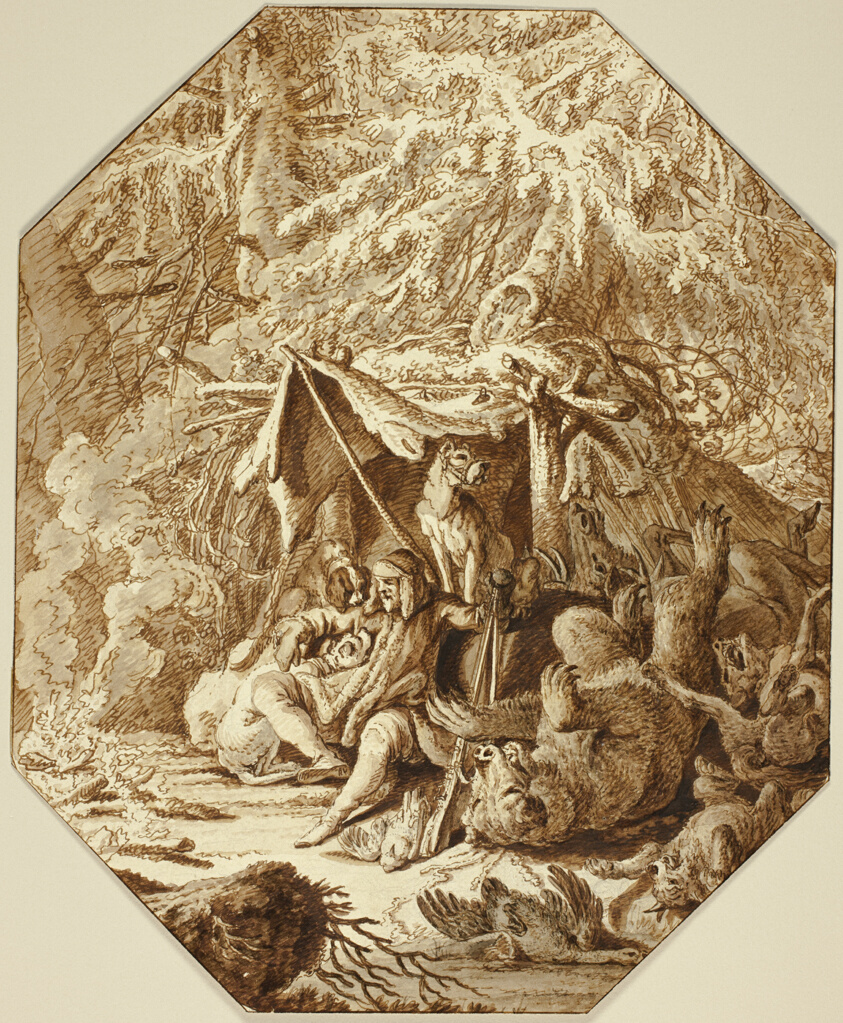
The Daring Hunter, Enduring in Winter
Art Institute of Chicago

The Graveyard
Minneapolis Institute of Art

Still Life with Bird’s Nest and Hawthorne
Minneapolis Institute of Art
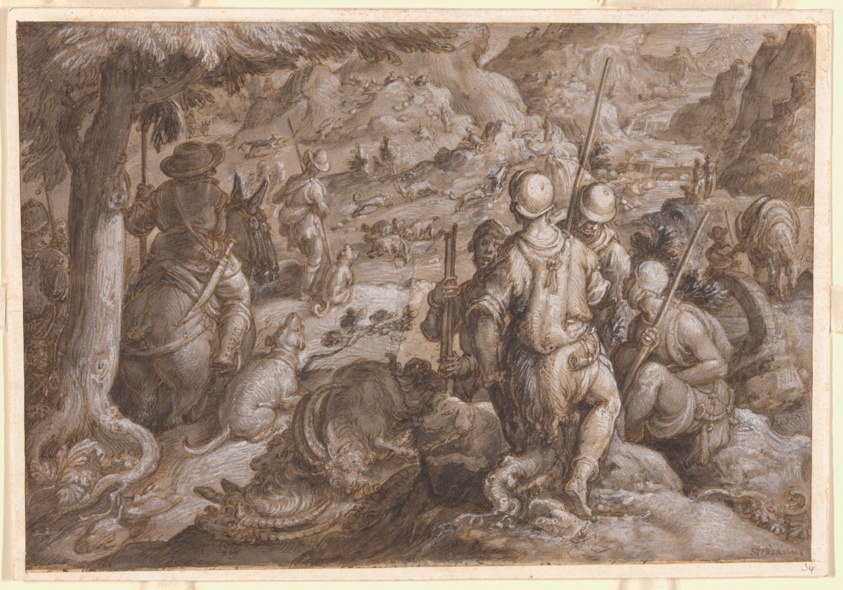
Men Hunting Ibexes with Hounds
Art Institute of Chicago
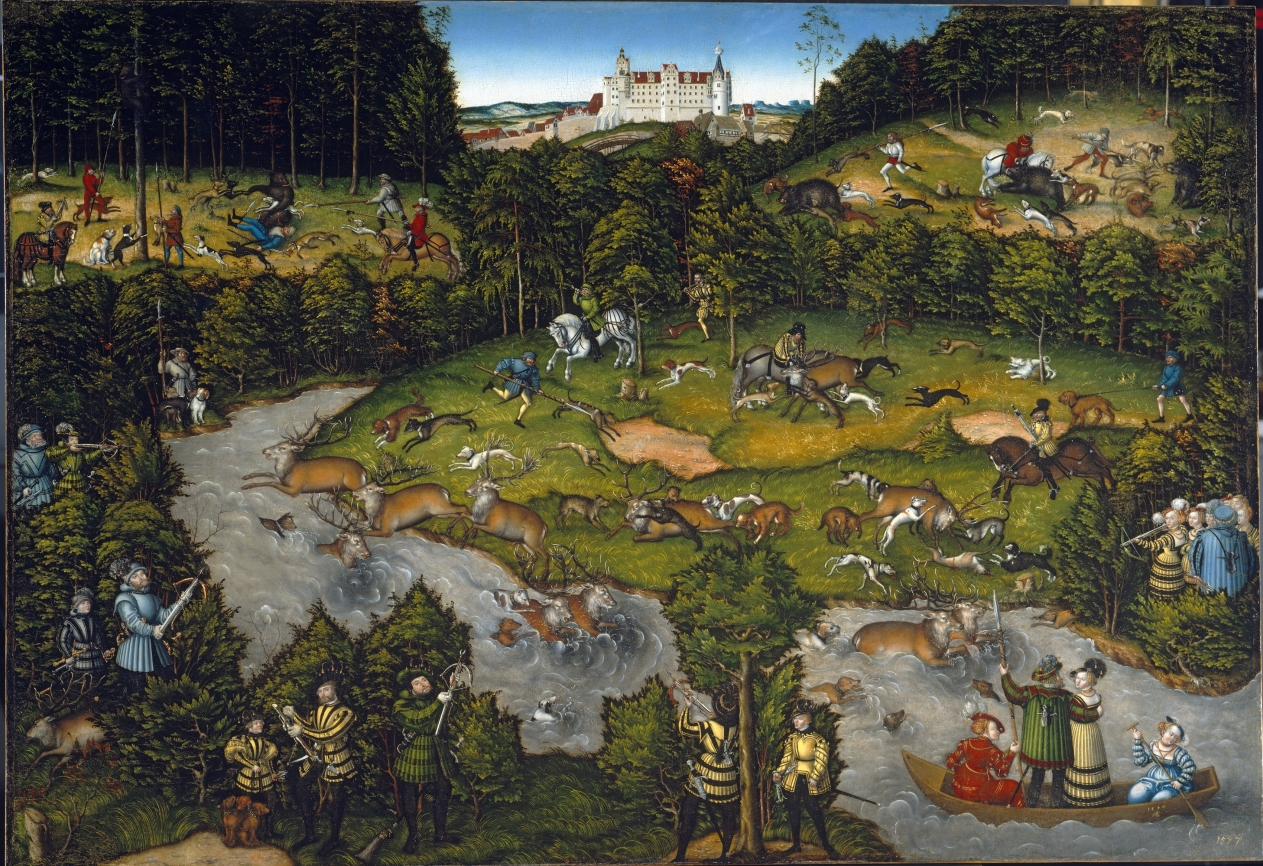
Hunting near Hartenfels Castle
Cleveland Museum of Art

A King Pursued by a Unicorn
Minneapolis Institute of Art

A Wild Boar at Bay
Getty Museum

Farmer Giles & his Wife, shewing off their daughter Betty to their Neighbours, on her return from School
Minneapolis Institute of Art