
Minneapolis Institute of Art
Turban snail shell cup
Goldsmith: Germany; Goldsmith: Flanders; Jeweler: India (Goa); Jeweler: India (Gujarat)
- Date
- c. 1560
- Medium
- Turban snail shell, turquoise, rubies or garnets, glass stones, gold lacquer, silver-gilt mounts
- Department
- European Art
- Institution
- Minneapolis Institute of Art
This is truly a global production. The turban snail, which is native to the Indo-Pacific Ocean, was probably harvested by local fishermen. Craftsmen in Goa or Gujarat polished the shell and decorated it with clusters of rare stones framed by gilt lacquer. It was then exported to Europe as a luxury ware, where a German or Flemish goldsmith embellished it with silver-gilt elements—snails and claws for the shell’s feet, lizards and acanthus leaves contouring the projecting turban, and a rim for the vessel with a Latin inscription. It quotes the Gospel of Matthew with the words Peter spoke to Jesus, “Though I should die with thee, yet will I not deny thee.” Flanders, Germany, India
The authoritative record is held by Minneapolis Institute of Art. LinkedCulture surfaces this object and its connections; it does not alter institutional metadata.
Related across collections
Semantically similar works from Minneapolis Institute of Art and other institutions.
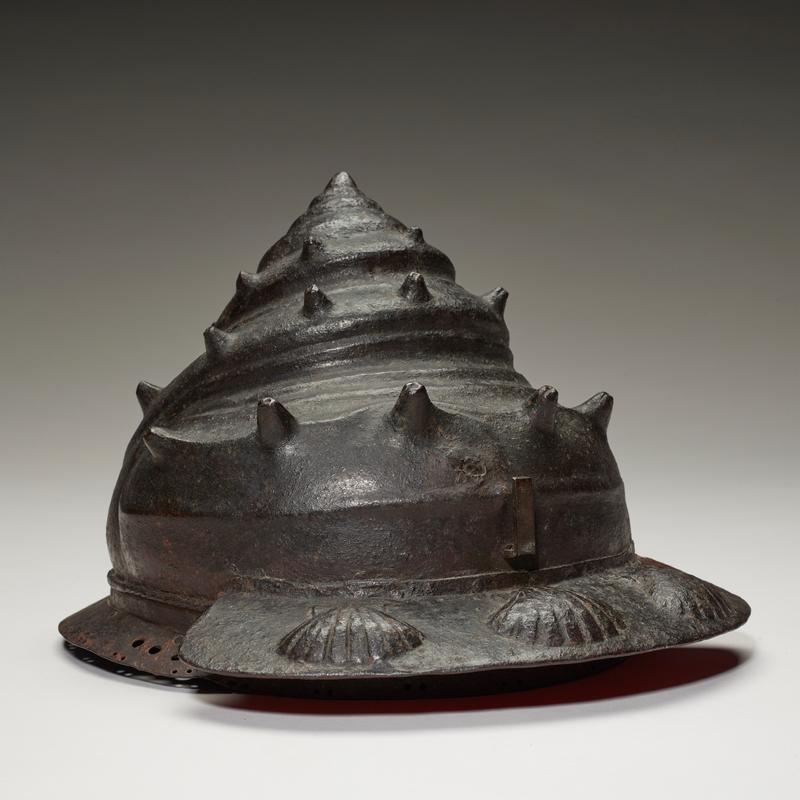
Helmet hammered as a turban snail
Minneapolis Institute of Art

Nautilus shell cup
Minneapolis Institute of Art
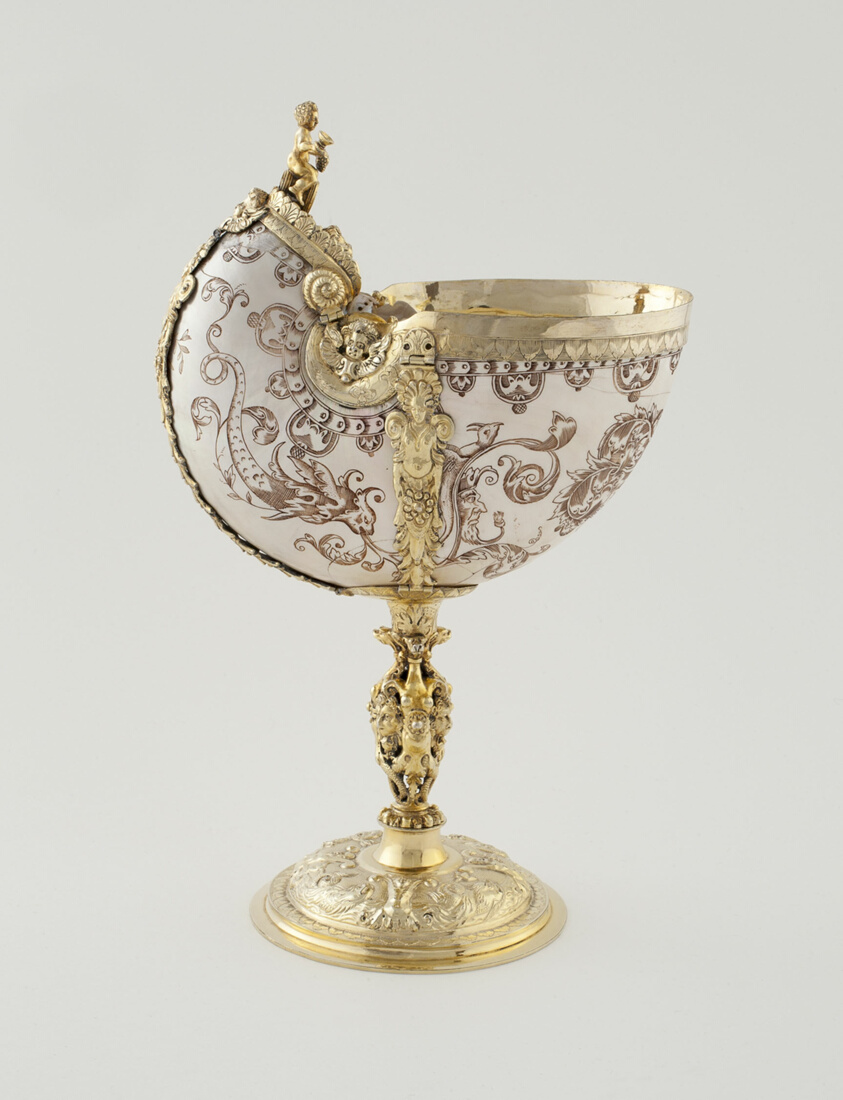
Nautilus Shell Cup
Art Institute of Chicago
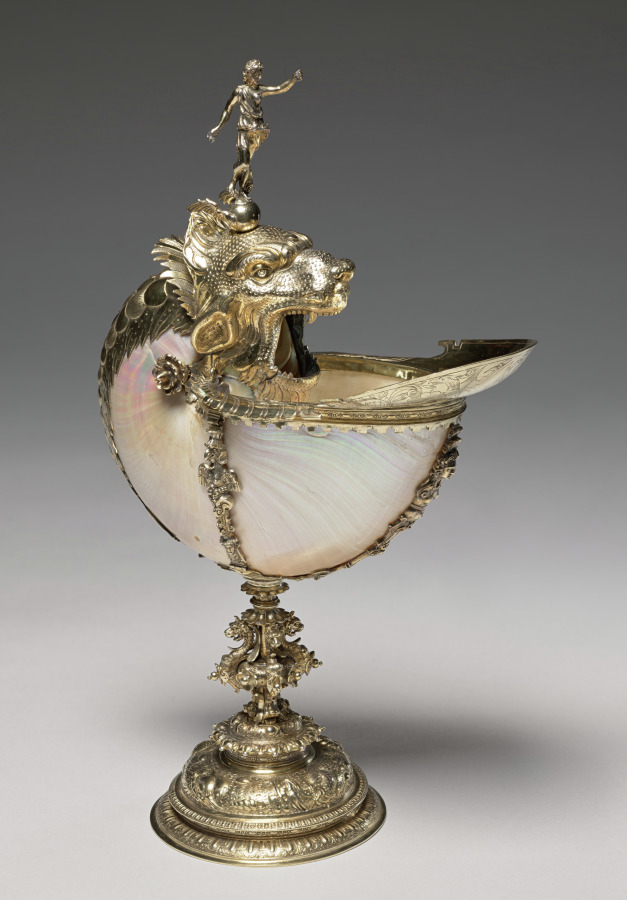
Nautilus Cup
Cleveland Museum of Art

Shell
Getty Museum
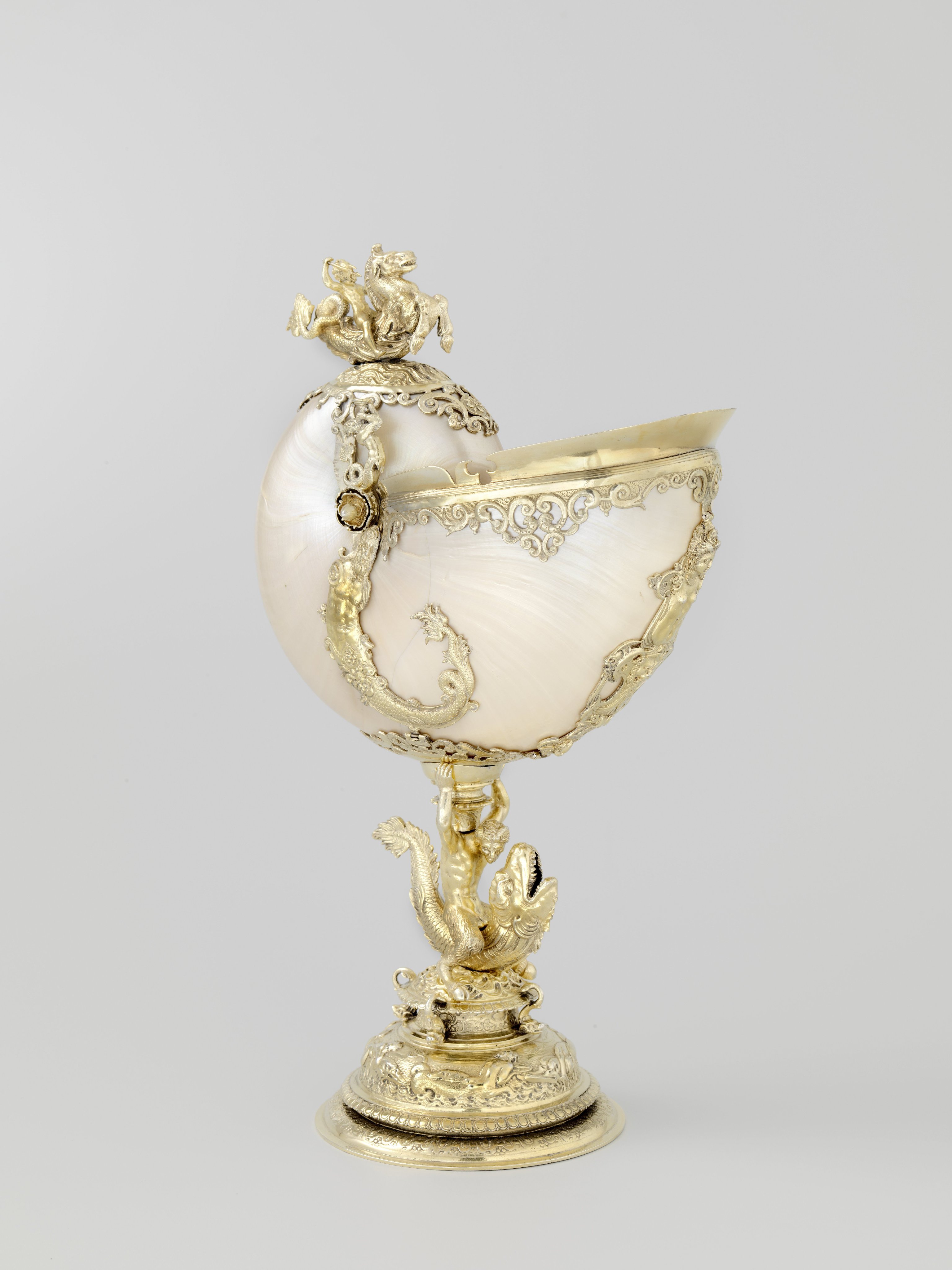
Nautilus cup
Rijksmuseum
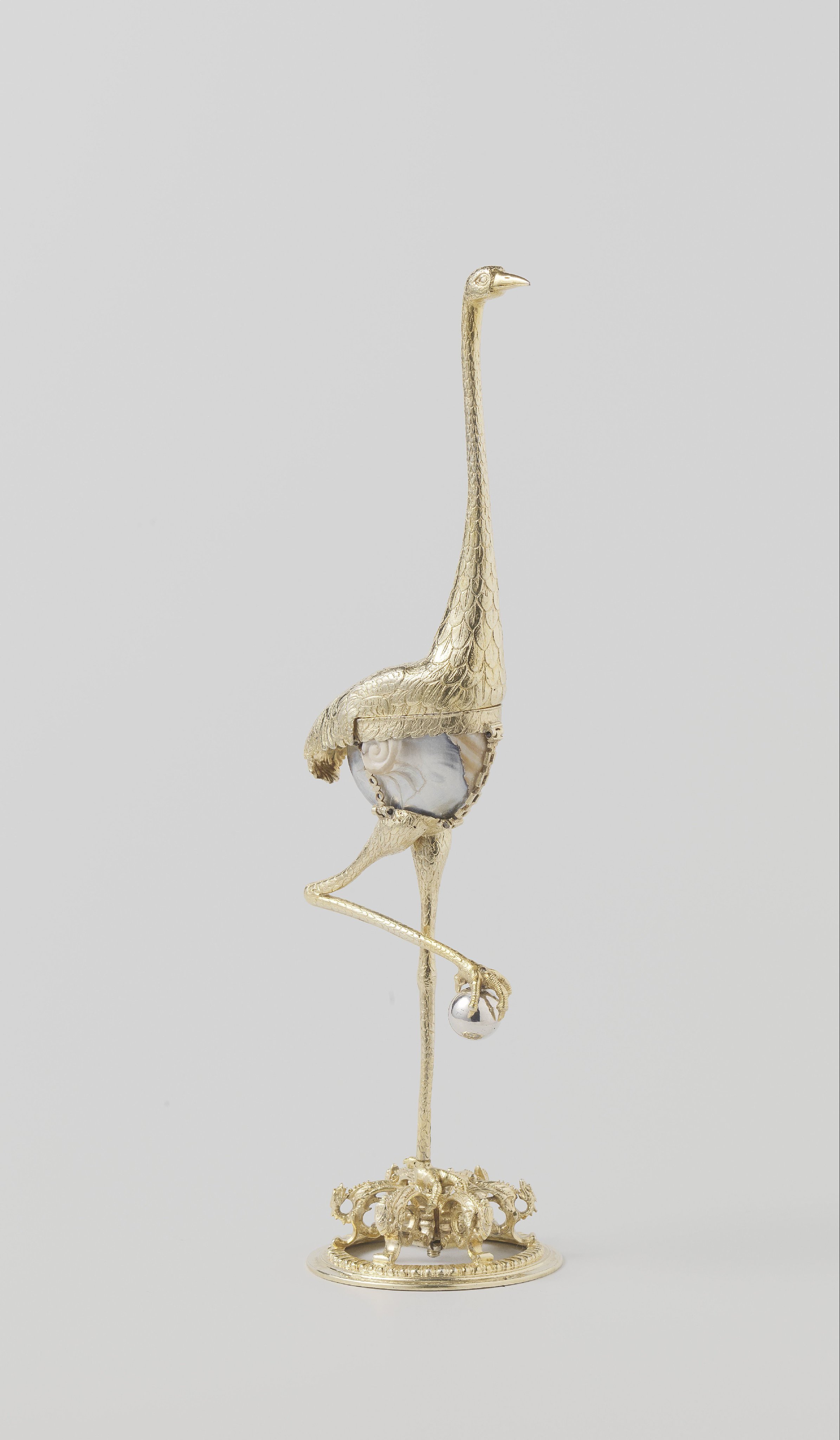
Nautilus cup
Rijksmuseum
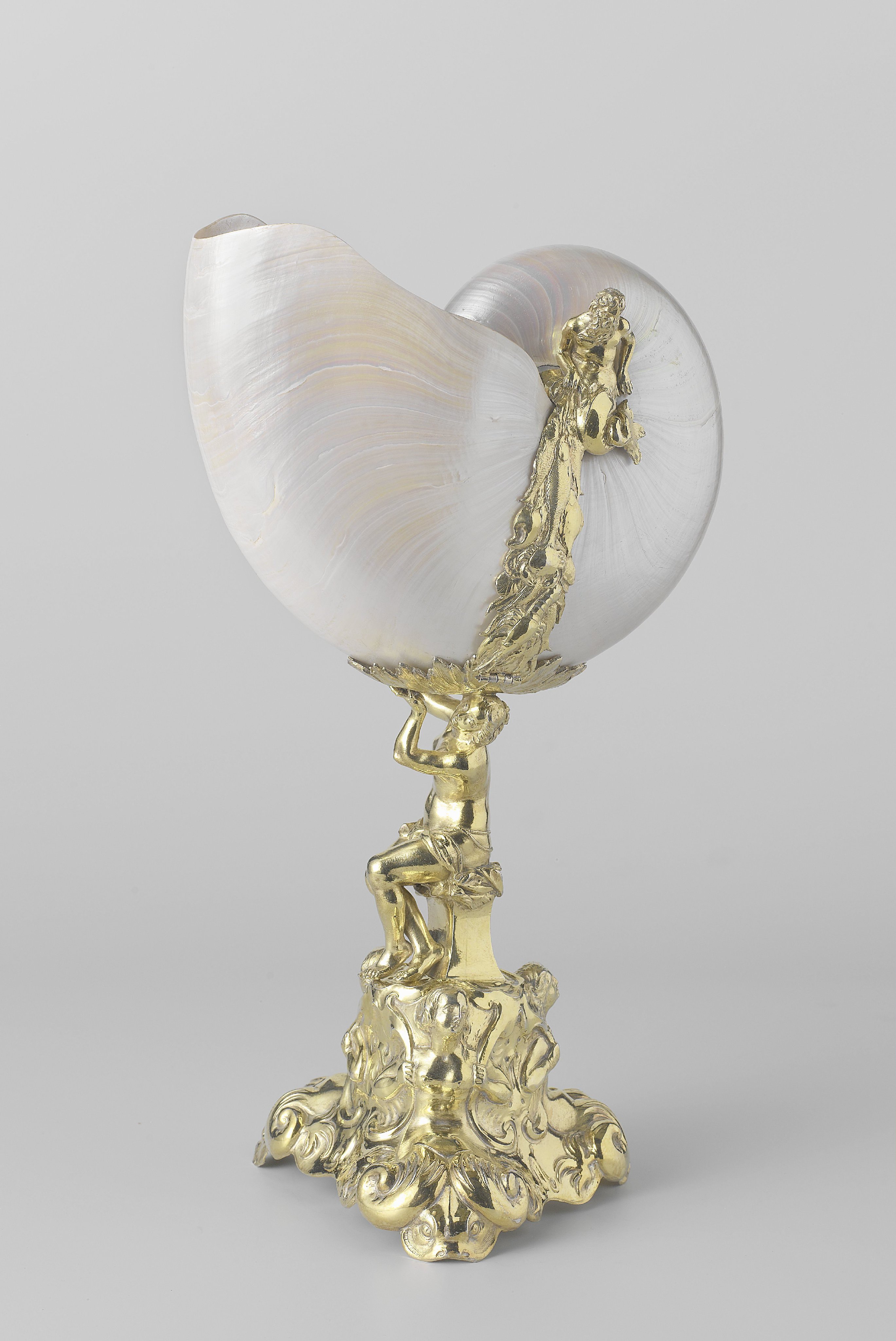
Nautilus cup
Rijksmuseum

Engraved Scaraboid with Seashell
Getty Museum
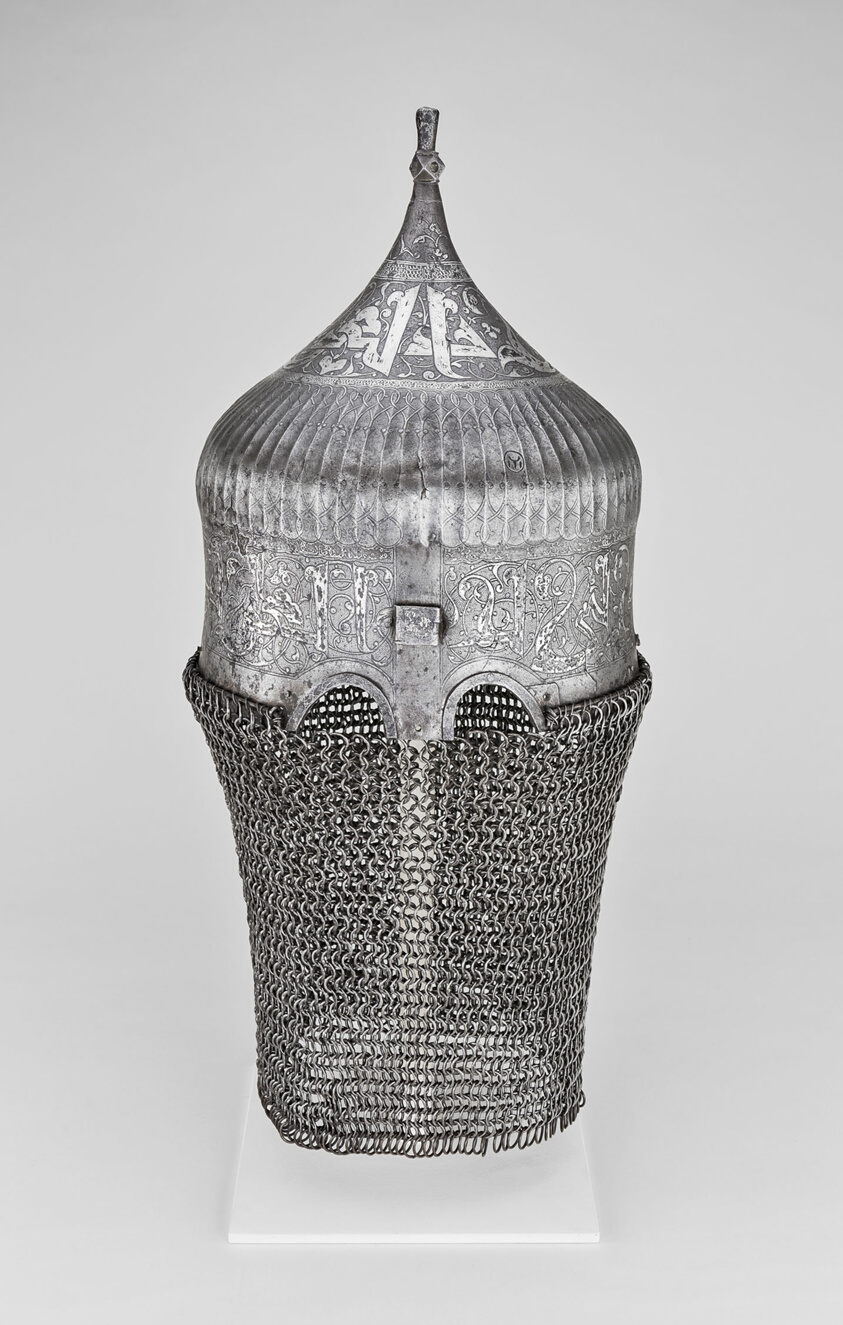
Turban Helmet
Art Institute of Chicago

Tankard
Minneapolis Institute of Art
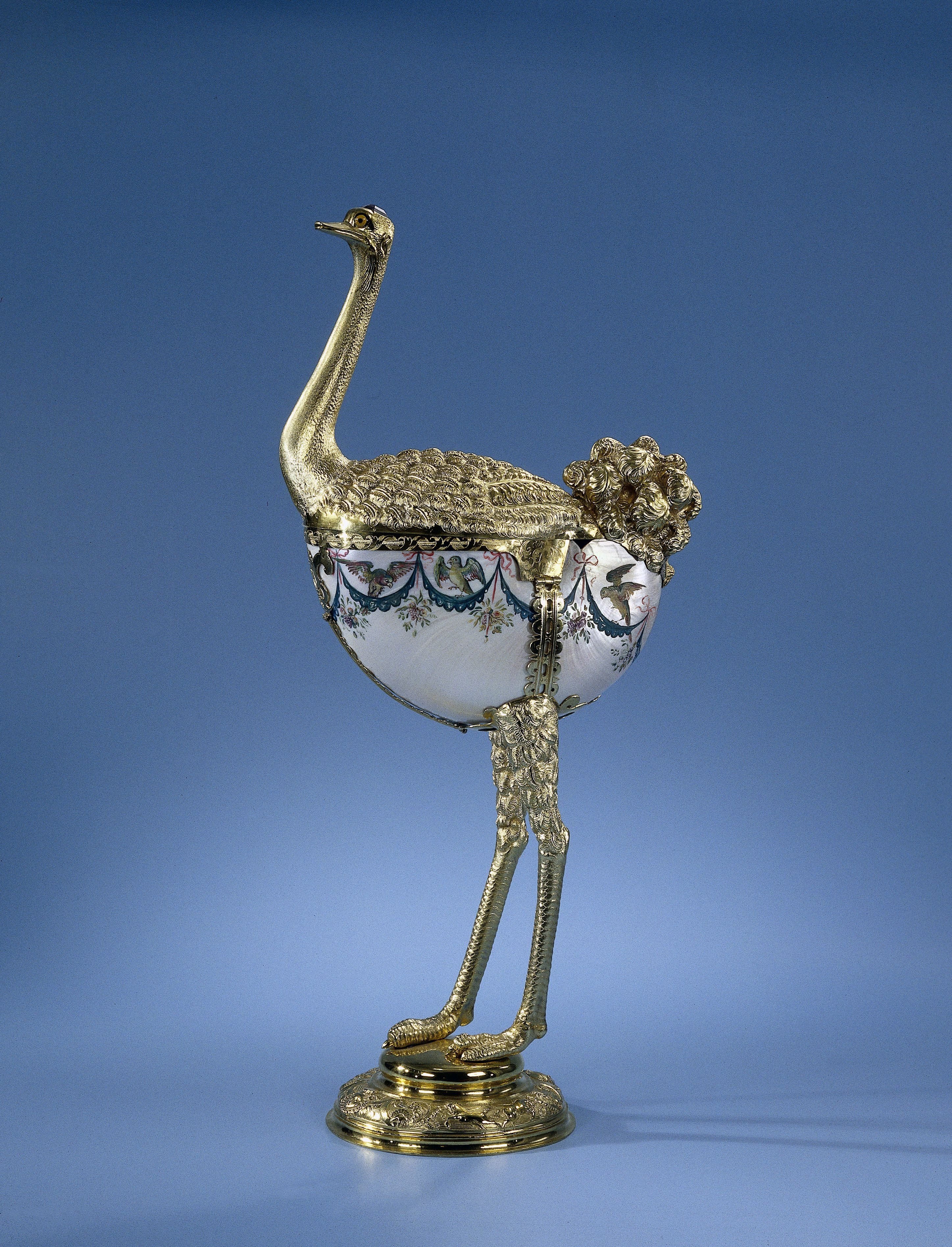
Nautilus cup
Rijksmuseum