
Minneapolis Institute of Art
Shere Mill Pond II
Francis Seymour Haden
- Date
- 1860
- Medium
- Etching and drypoint
- Department
- European Art
- Institution
- Minneapolis Institute of Art
A mill was recorded in this area in the Domesday Book in 1086. At that time, the mill was used to wash woolen cloth. In more recent times the waterpower was used for sawing lumber. More than twenty years after etching this plate, Francis Seymour Haden recorded his thoughts about the work and its fate. He said that the detail would be impossible for him at his more advanced age. He knew it would always be among his most popular etchings, though he thought that several others from his later in his career were better artistically. We learn from his printer, Frederick Goulding, that in 1880, Haden wanted to alter or strengthen the image; so, he re-bit the plate—re-exposed it to acid. Together the men spent a snowy day printing new impressions. Dissatisfied with the result, Haden destroyed the day’s prints and the plate. England, Europe
The authoritative record is held by Minneapolis Institute of Art. LinkedCulture surfaces this object and its connections; it does not alter institutional metadata.
Related across collections
Semantically similar works from Minneapolis Institute of Art and other institutions.

Shere Mill Pond (The Larger Plate)
Minneapolis Institute of Art
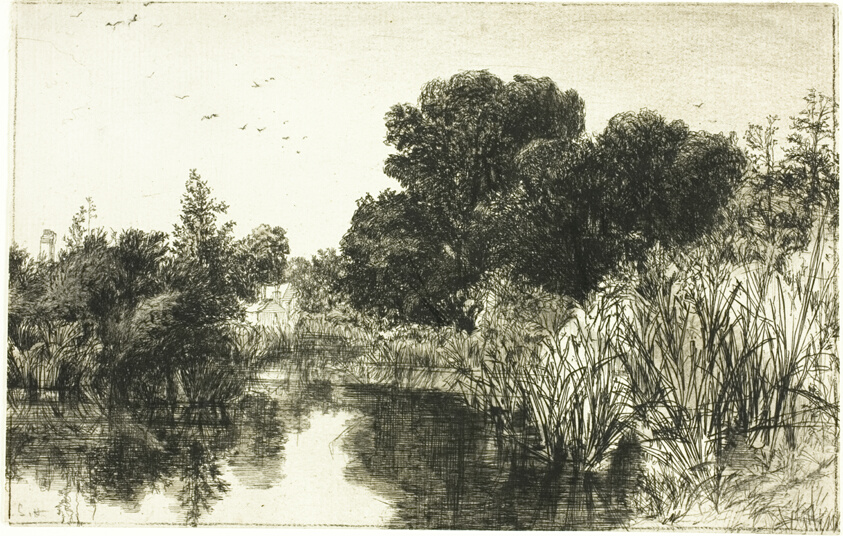
Shere Mill Pond, No. II (large plate)
Art Institute of Chicago
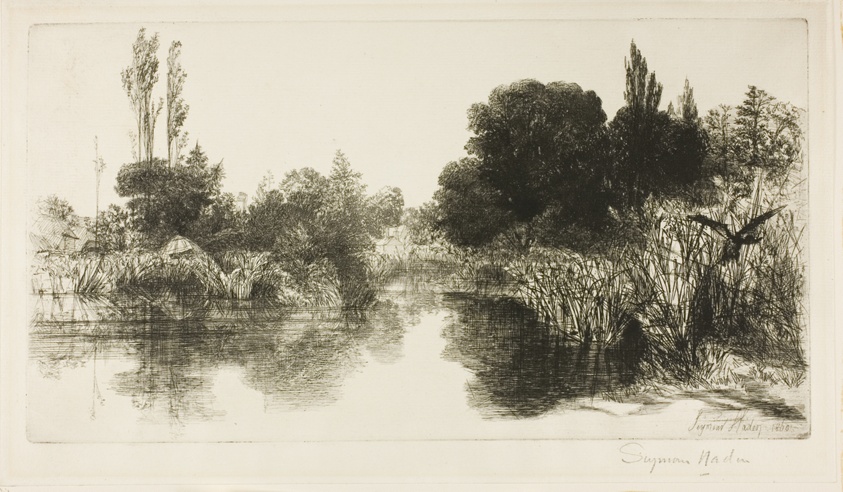
Shere Mill Pond, No. II (large plate)
Art Institute of Chicago
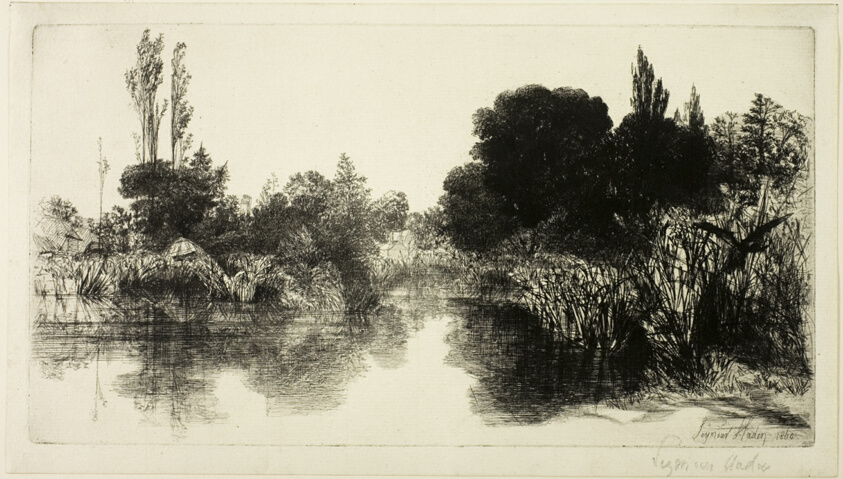
Shere Mill Pond, No. II (large plate)
Art Institute of Chicago
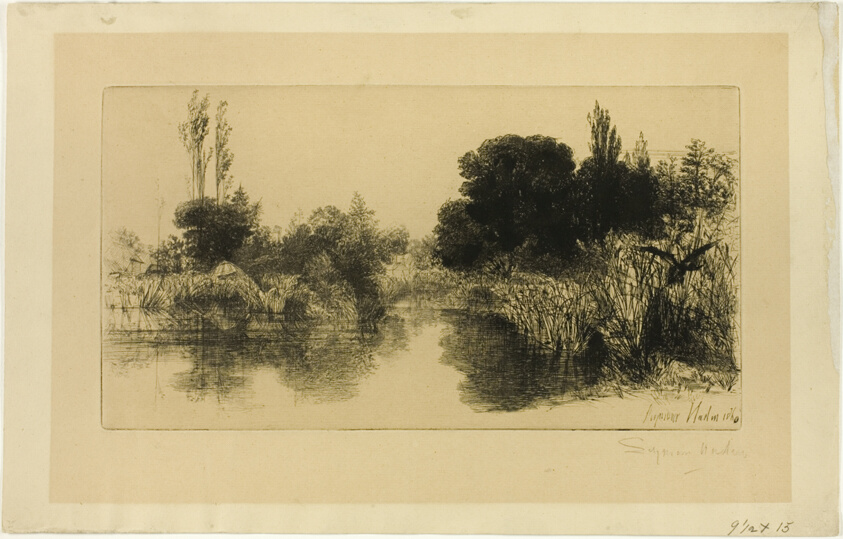
Shere Mill Pond, No. II (large plate)
Art Institute of Chicago
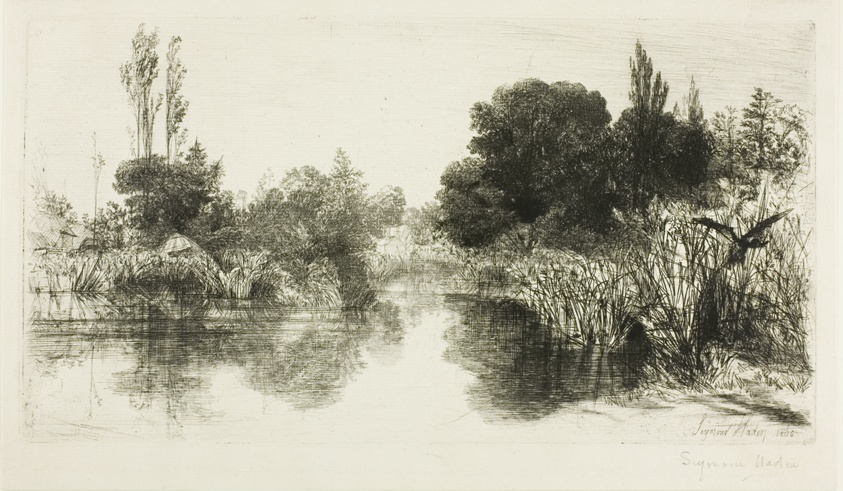
Shere Mill Pond, No. II (large plate)
Art Institute of Chicago
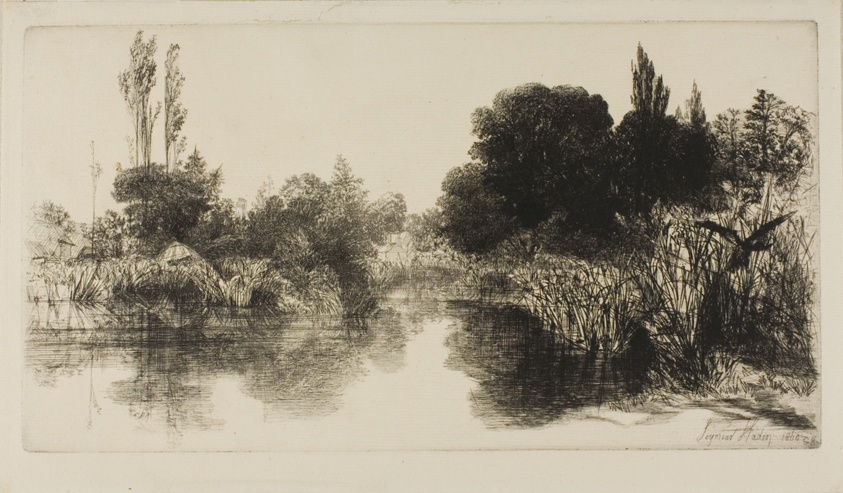
Shere Mill Pond, No. 2
Art Institute of Chicago
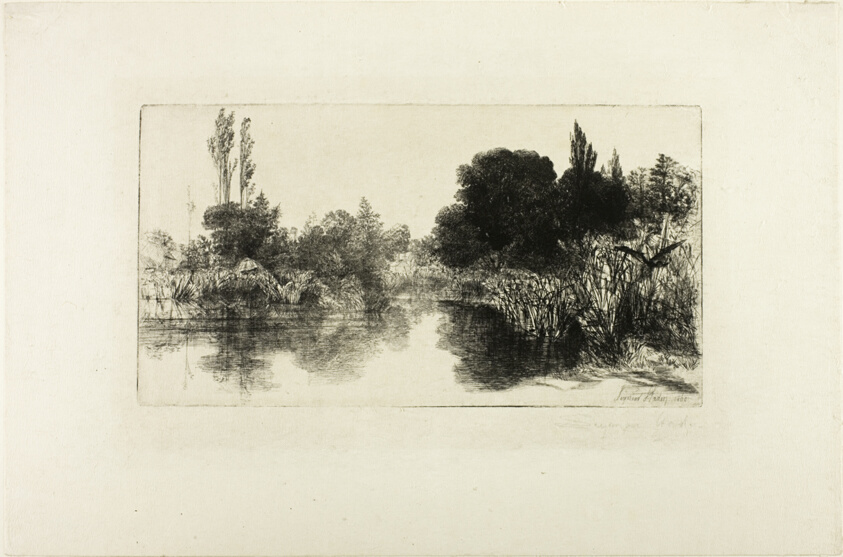
Shere Mill Pond, No. II (large plate)
Art Institute of Chicago

Shere Mill Pond (A Small Study)
Minneapolis Institute of Art
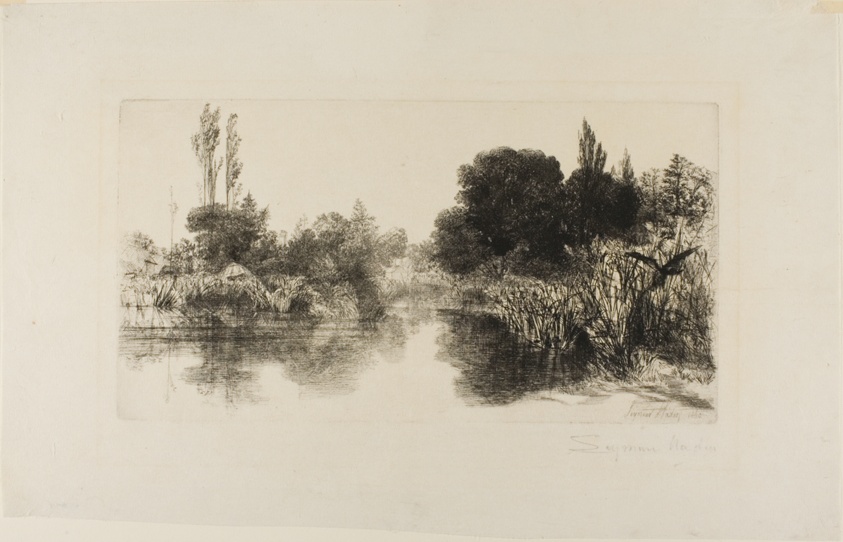
Shere Mill Pond
Art Institute of Chicago
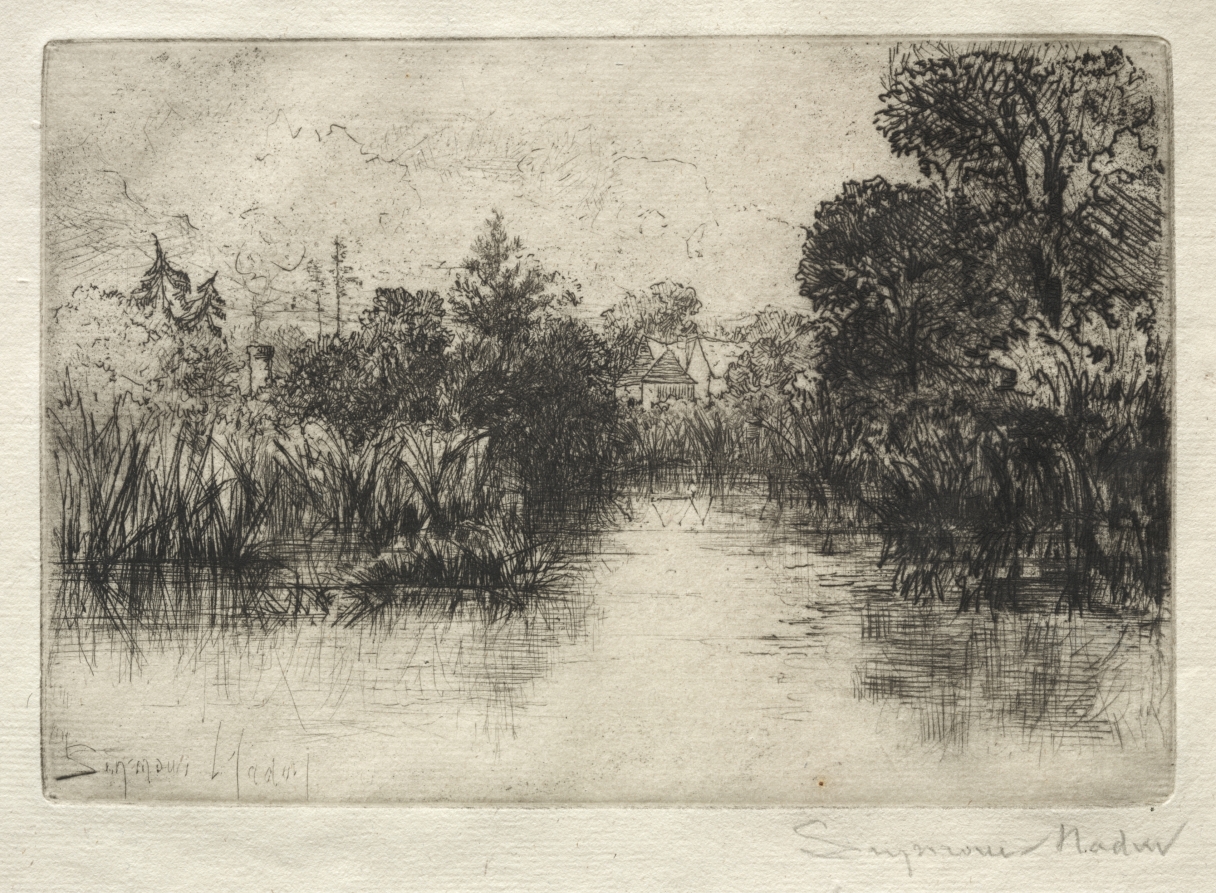
Shere Mill Pond (A Small Study)
Cleveland Museum of Art
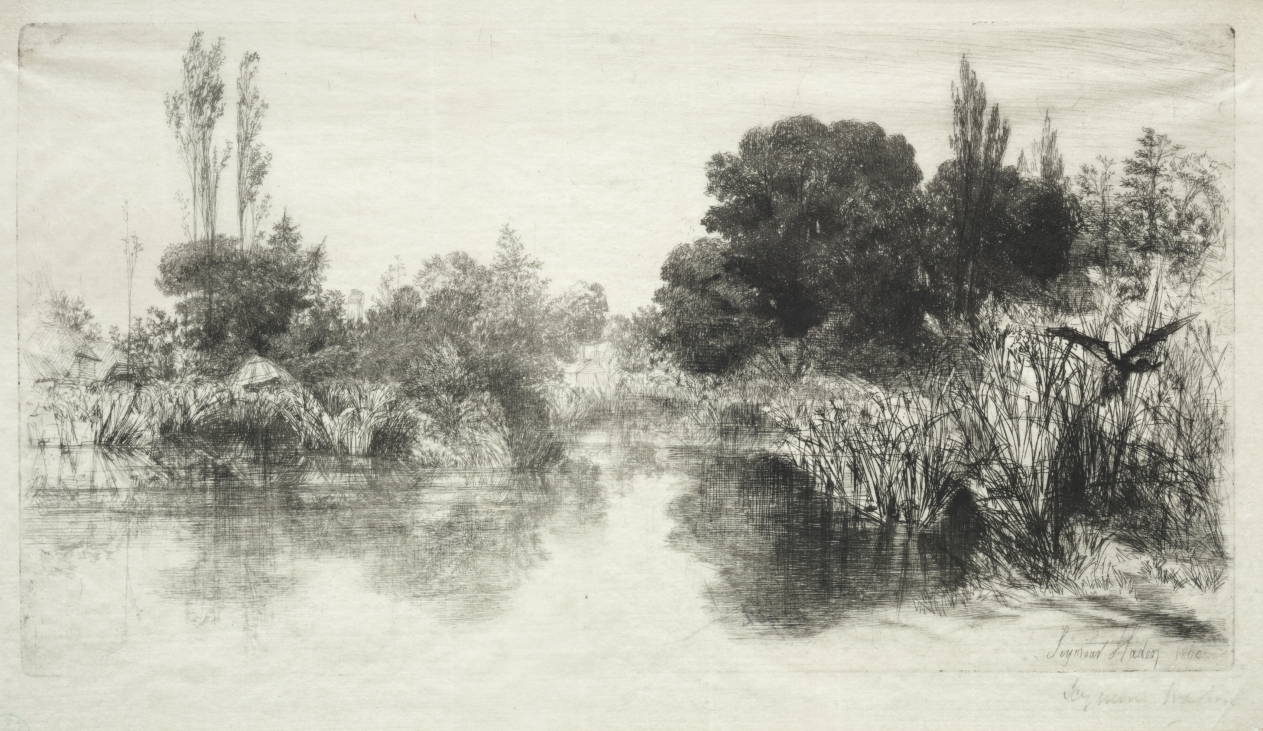
Shere Mill Pond (The Larger Plate)
Cleveland Museum of Art