
Minneapolis Institute of Art
Polychrome dish, one of a pair
China
- Date
- 1851–75
- Medium
- Ceramic
- Department
- Asian Art
- Institution
- Minneapolis Institute of Art
First appearing in the Tang dynasty in 9th century, porcelain decorated with underglaze blue ornamentation (known as blue-and-white porcelain) is one of the most well-known and enduring products in the history of Chinese ceramic making. Blue-and-white wares produced at the imperial kilns in Jingdezhen, Jiangxi province, during the Qing dynasty are thought to represent the most sophisticated and refined quality porcelain. Using the simple palette of blue and white, Jingdezhen potters incorporated a range of decorative techniques: combining dark and light blue to create striking contrast; using areas reserved in white to create patterns on a densely painted blue background; or covering the exterior surface of the vessel entirely - vessels with such decoration were commonly used in imperial ceremonies during the Qing dynasty. China, Asia
The authoritative record is held by Minneapolis Institute of Art. LinkedCulture surfaces this object and its connections; it does not alter institutional metadata.
Related across collections
Semantically similar works from Minneapolis Institute of Art and other institutions.
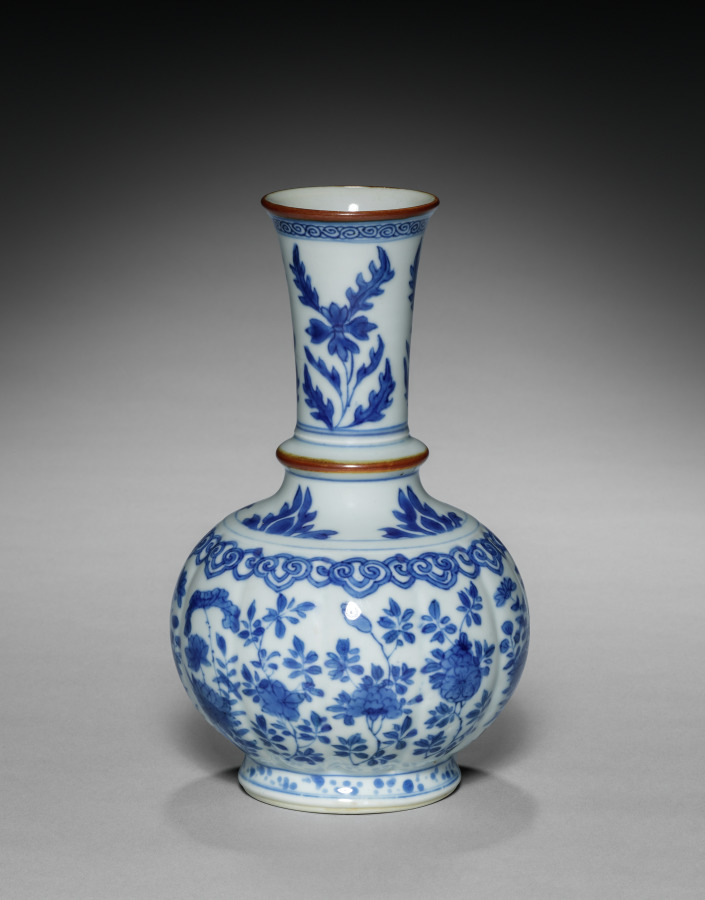
Lobed vase with underglaze cobalt blue decoration
Cleveland Museum of Art

Imperial deep dish
Minneapolis Institute of Art

Dish
Minneapolis Institute of Art

Storage Jar and Cover
Minneapolis Institute of Art

Dish
Minneapolis Institute of Art

Dish
Minneapolis Institute of Art

Dish
Minneapolis Institute of Art

Dish
Minneapolis Institute of Art

Large Storage Jar with Cover
Minneapolis Institute of Art

Wine Cup with Stand
Minneapolis Institute of Art
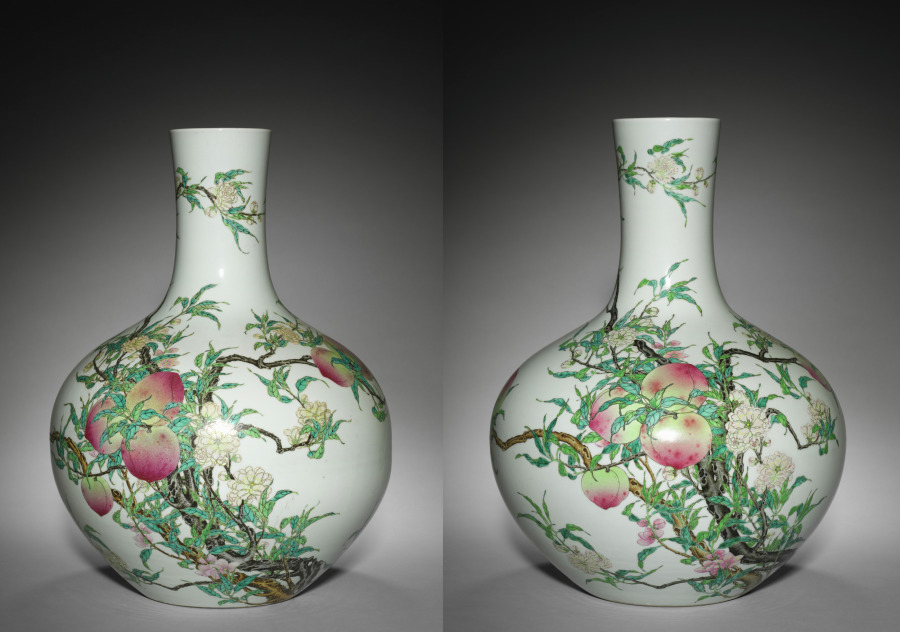
Pair of Vases
Cleveland Museum of Art
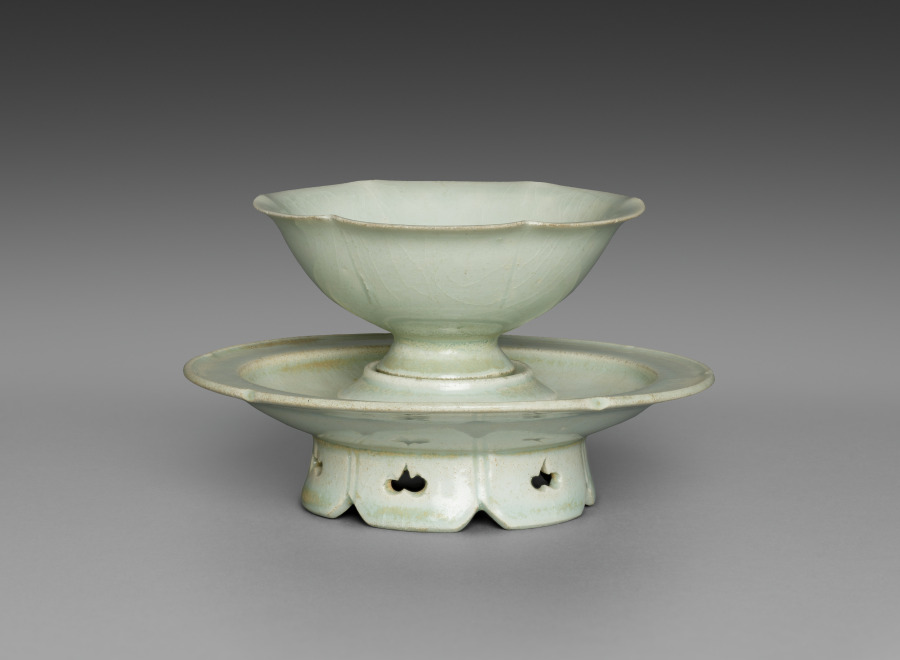
Cup and Stand
Cleveland Museum of Art