
Minneapolis Institute of Art
Princess Anna Colonna Barberini (1601-1658)
Sculptor: Portrait modello by Jacomo Antonio Fancelli; Caster: Francuccio Francucci; Gilder: Carlo Mattei; Sculptor: Stonemason: Gabriele Renzi; Architect: Francesco Contini
- Date
- c. 1658–61
- Medium
- Gilt bronze and black marble
- Department
- European Art
- Institution
- Minneapolis Institute of Art
This vivid portrait of is the only known likeness of Anna Colonna Barberini (1601-1658), an important figure in seventeenth-century Rome. The 50-something princess appears formidable with an intense gaze and billowing veil or widow’s hood. The exacting depiction captures the slackening flesh beneath her eyes and along her jawline, and even a prominent mole on the right side of her chin. It was executed to adorn her lavish funerary monument in Santa Maria Regina Coeli, the newly built church in the convent she founded for the Discalced Carmelite nuns (Scalzi) in Rome. The work is part of a small, important genre of Roman baroque portrait sculpture representing prominent, mature noble women in papal families, often made for tombs. The sculptures are typically unsparing in their depiction of age, for it is the women’s wisdom, knowledge, and virtuous widowhood that are the source of their power. Monastery documents record a number of artists contributed to this work, all of whom were longtime collaborators of Gianlorenzo Bernini. The wax model portrait was produced Jacomo Antonio Fancelli (noted in the documents with the abbreviation “Fa.lli”). The bronze was cast by Francuccio Francucci and gilded by Carlo Mattei. The successful and prolific stonemason Gabriele Renzi carved (and sourced) the marble base. A descendant of one of the oldest noble families in Italy, Anna Colonna was married to Taddeo Barberini, nephew of Urban VIII Barberini (reign 1623-1644), a pope infamous for his nepotism. Over Urban’s long two-decade reign, he enriched his family beyond precedent. As a consequence, the family was exiled after Urban’s death. Don Taddeo died in Paris in 1647, and much of the Barberini properties and art collection in Rome had been seized. Anna Colonna remained in Rome in the wake of their exile, working to protect the family’s fortune and reputation. As a widow, she devoted herself to the foundation of Santa Maria Regina Coeli, where she was buried and this sculpture once stood. The portrait was removed in the nineteenth century when the convent was converted into a prison and the church was destroyed. It was brought to the Palazzo Barberini in Rome, where it adorned a wall at the top of a staircase near the palace library until the early twentieth century. Europe
The authoritative record is held by Minneapolis Institute of Art. LinkedCulture surfaces this object and its connections; it does not alter institutional metadata.
Related across collections
Semantically similar works from Minneapolis Institute of Art and other institutions.

Head of an Antonine Woman (Close to Faustina Minor)
Getty Museum
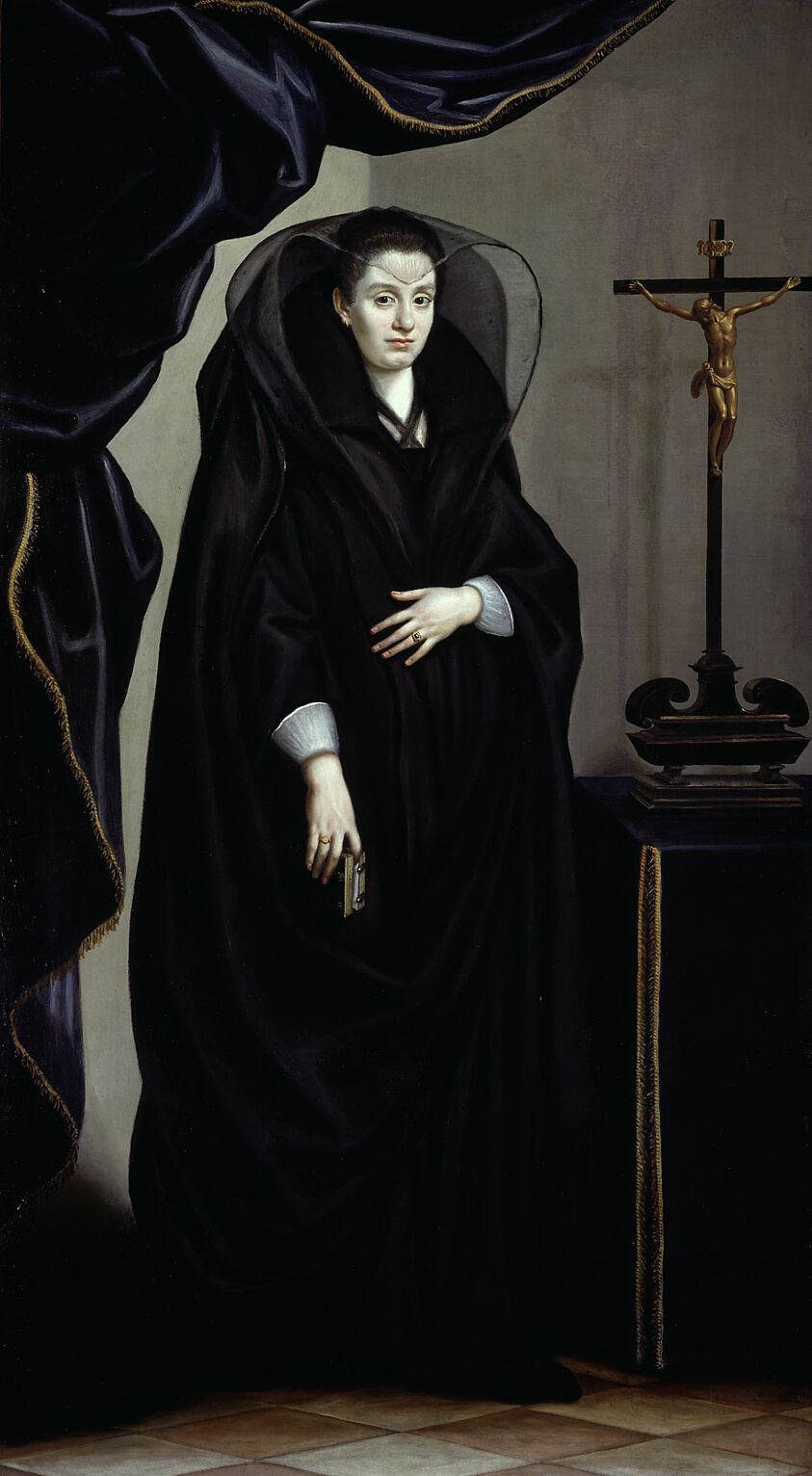
Portrait of a Noblewoman Dressed in Mourning
Art Institute of Chicago
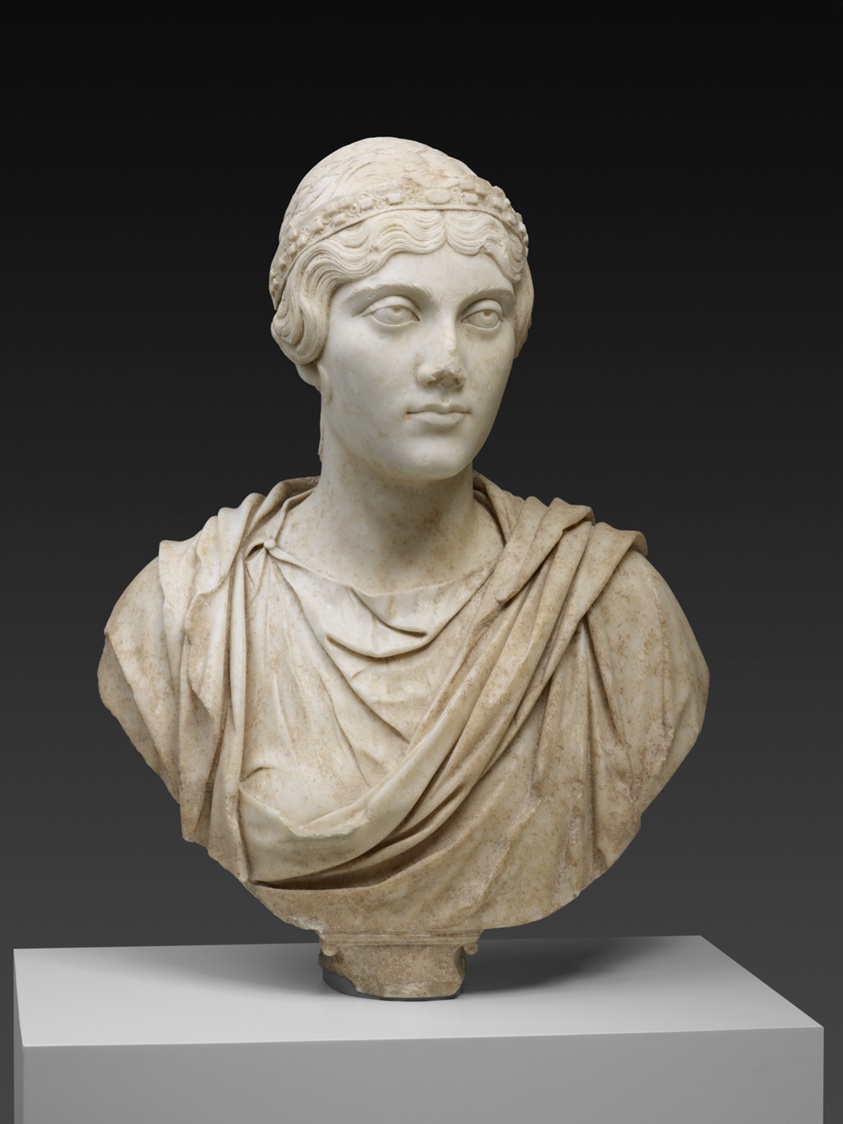
Portrait Bust of a Woman
Art Institute of Chicago

Bust of Maria Cerri Capranica
Getty Museum

Portrait Bust of a Woman
Getty Museum
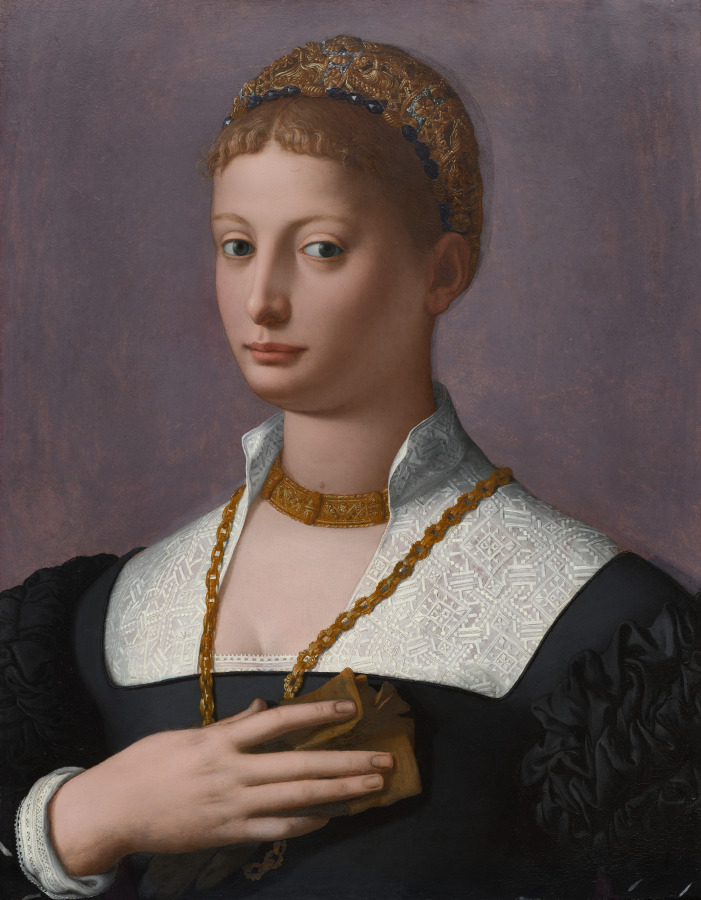
Portrait of a Woman
Cleveland Museum of Art

Bust of a Woman Wearing a Turban
Minneapolis Institute of Art

Portrait Head of Agrippina the Younger
Getty Museum

Portrait of Antonia Minor
Getty Museum
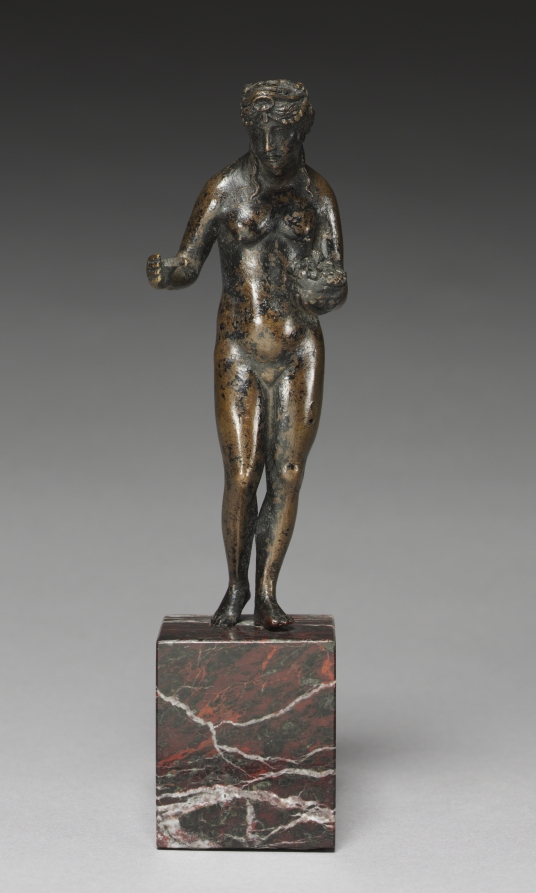
Pomona
Cleveland Museum of Art
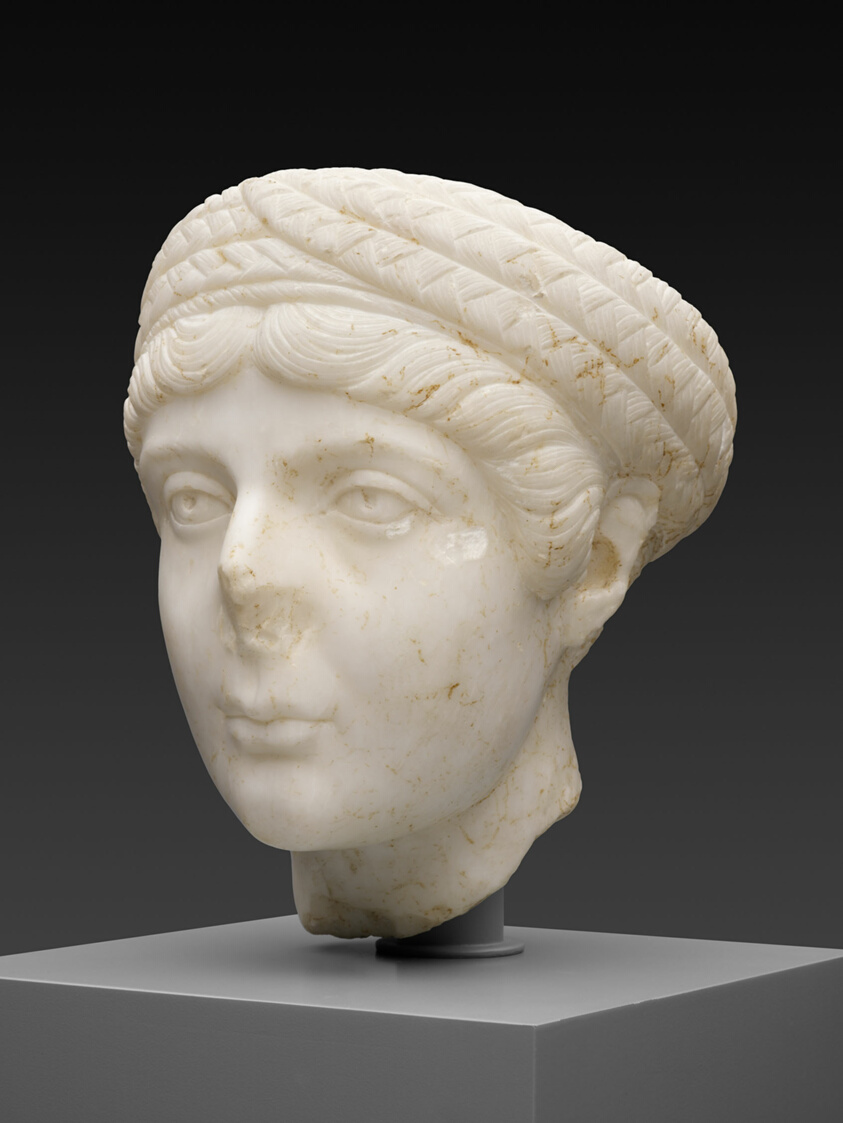
Portrait Head of a Young Woman
Art Institute of Chicago
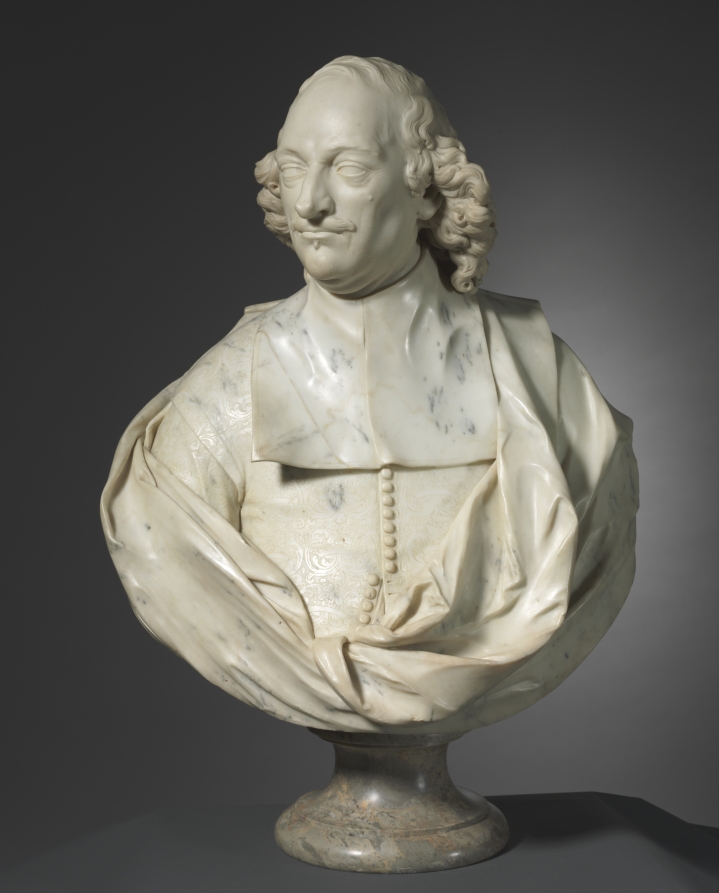
Portrait of Fabrizio Naro
Cleveland Museum of Art