
Minneapolis Institute of Art
Libation Cup with Base
China
- Date
- 19th century
- Medium
- Carved rhinoceros horn
- Department
- Asian Art
- Institution
- Minneapolis Institute of Art
The earliest datable examples of carved rhinoceros horn are from the 8th and 9th centuries, although the Chinese had used the material pharmacologically much earlier. A solid mass of agglutinated hair rather than true horn, the substance was valued for its rarity and rich warm chestnut color, which deepened with years of handling and polishing. Though called libation cups, these vessels would have been primarily used for display, and they would have been accompanied by beautifully crafted hardwood stands. The simple organic shapes favored during the Ming dynasty gave way to increasingly elaborate and detailed forms during the Qing dynasty. Plant forms, ancient bronze vessel motifs, and dragons figure prominently in rhinoceros horn decor, just as they do in jade and lacquer carvings. China, Asia
The authoritative record is held by Minneapolis Institute of Art. LinkedCulture surfaces this object and its connections; it does not alter institutional metadata.
Related across collections
Semantically similar works from Minneapolis Institute of Art and other institutions.

Cup with base
Minneapolis Institute of Art

Libation cup with base
Minneapolis Institute of Art

Wine Cup
Minneapolis Institute of Art
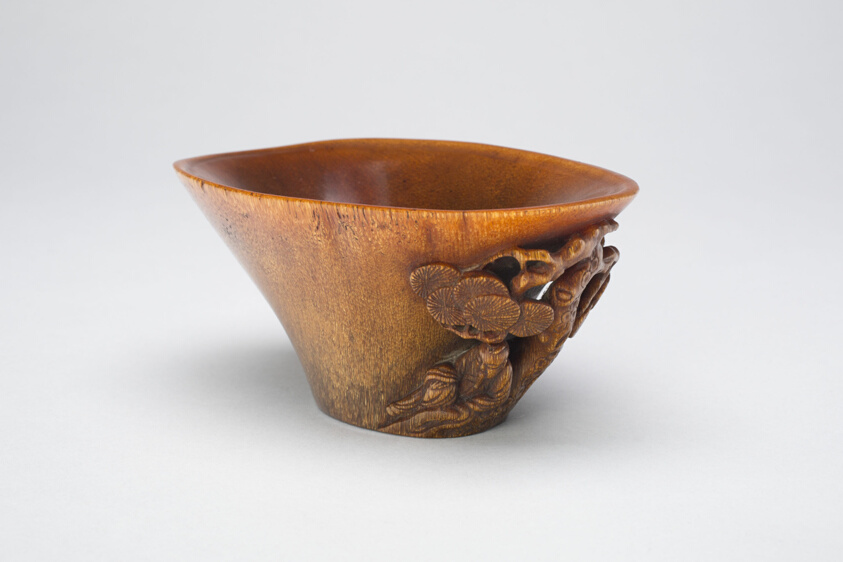
Cup with Handle in the Form of a Scholar Seated Beneath a Pine Tree
Art Institute of Chicago

Libation Cup (Cup in the shape of a rhinoceros horn)
Minneapolis Institute of Art

Libation Cup with Base
Minneapolis Institute of Art

Libation Cup
Minneapolis Institute of Art

Libation Cup with Base
Minneapolis Institute of Art
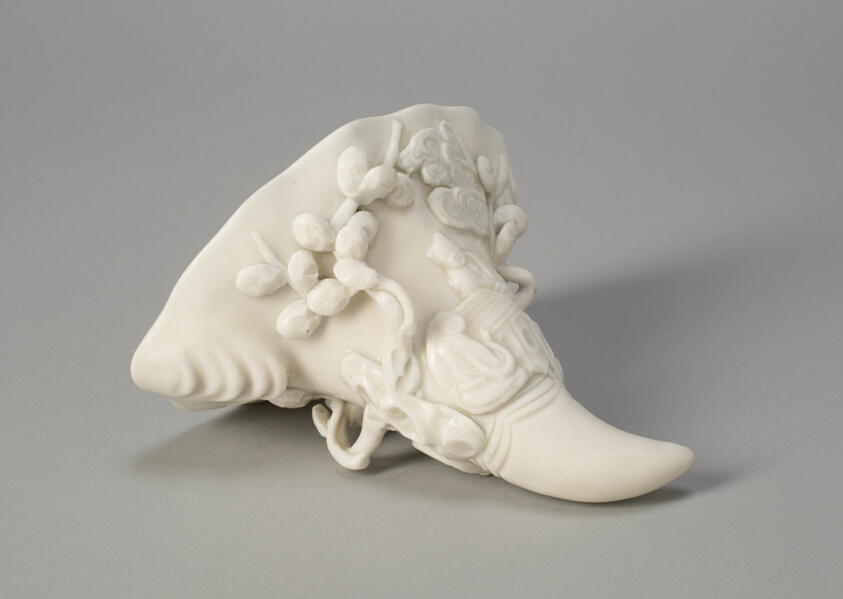
Rhinocerous Horn-Shaped Cup with Figures by a Tree
Art Institute of Chicago

Cup with Base
Minneapolis Institute of Art
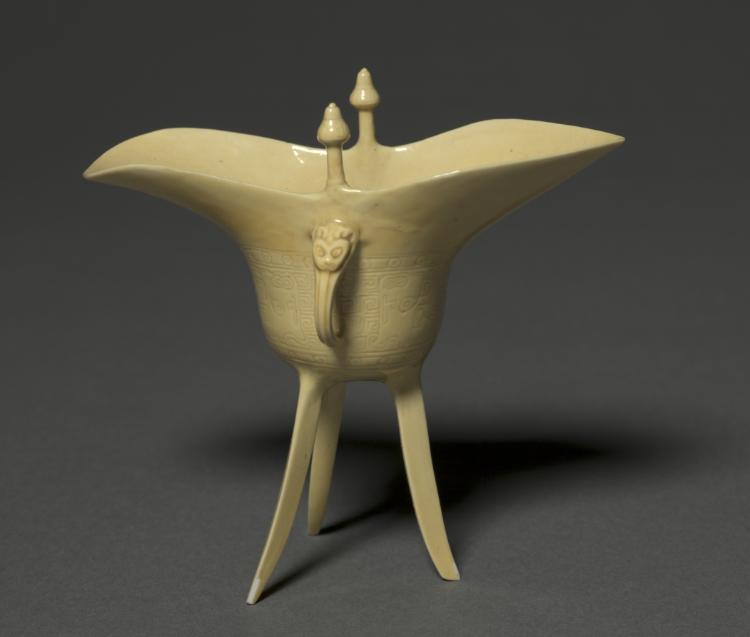
Libation Cup in the Form of a Jue
Cleveland Museum of Art

Rhyton
Minneapolis Institute of Art