
Minneapolis Institute of Art
Stoup (holy water basin)
Giovanni Giardini da Forli
- Date
- c. 1715
- Medium
- Silver, gilt bronze, lapis lazuli
- Department
- European Art
- Institution
- Minneapolis Institute of Art
Holy (that is, blessed) Water is used in the Catholic Church in remembrance of the sacrament of Baptism, and for the apotropaic qualities (the power to ward off evil) ascribed to it. Holy Water stoups are most commonly found as pairs at the entrance of churches. These works are often carved in marble or may even encompass large, actual shells to contain the water. Silver Holy Water stoups, such as the one on view here, were extremely precious and were traditionally used in private homes. The glistening surface of the silver echoes and boosts the water’s reflective quality. It evokes an impression of dancing light and of purity, which is in line with the cleansing and apotropaic property attributed to the Holy Water. Italy, Europe
The authoritative record is held by Minneapolis Institute of Art. LinkedCulture surfaces this object and its connections; it does not alter institutional metadata.
Related across collections
Semantically similar works from Minneapolis Institute of Art and other institutions.

The Baptism of Christ
Getty Museum
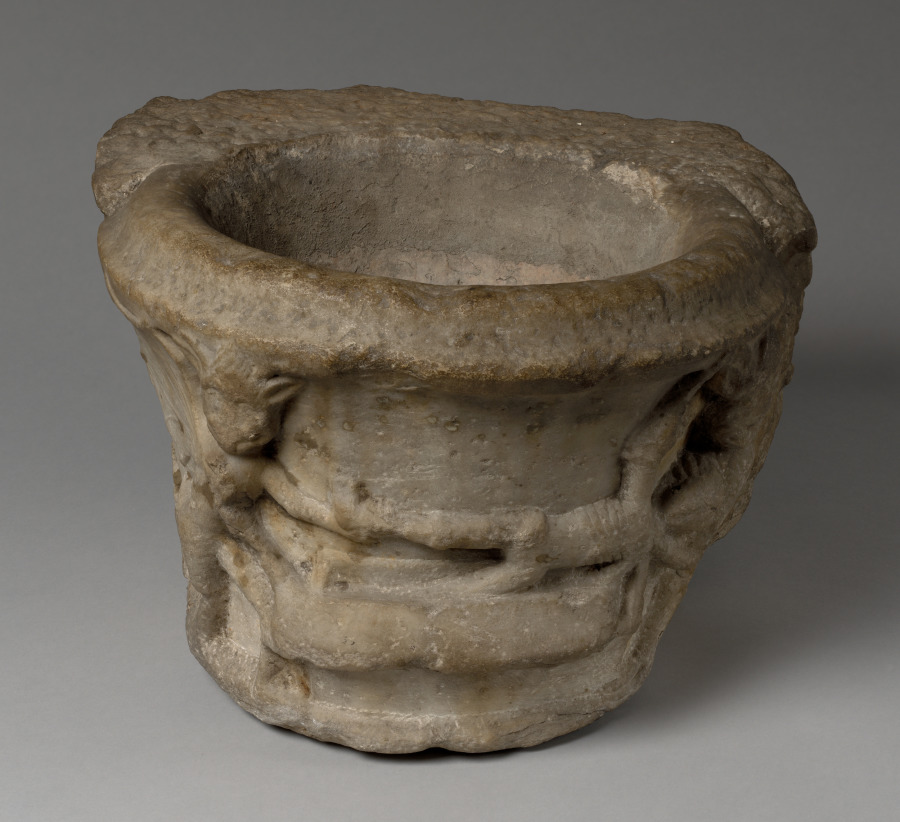
Holy Water Font
Cleveland Museum of Art

The Baptism of Christ
Getty Museum
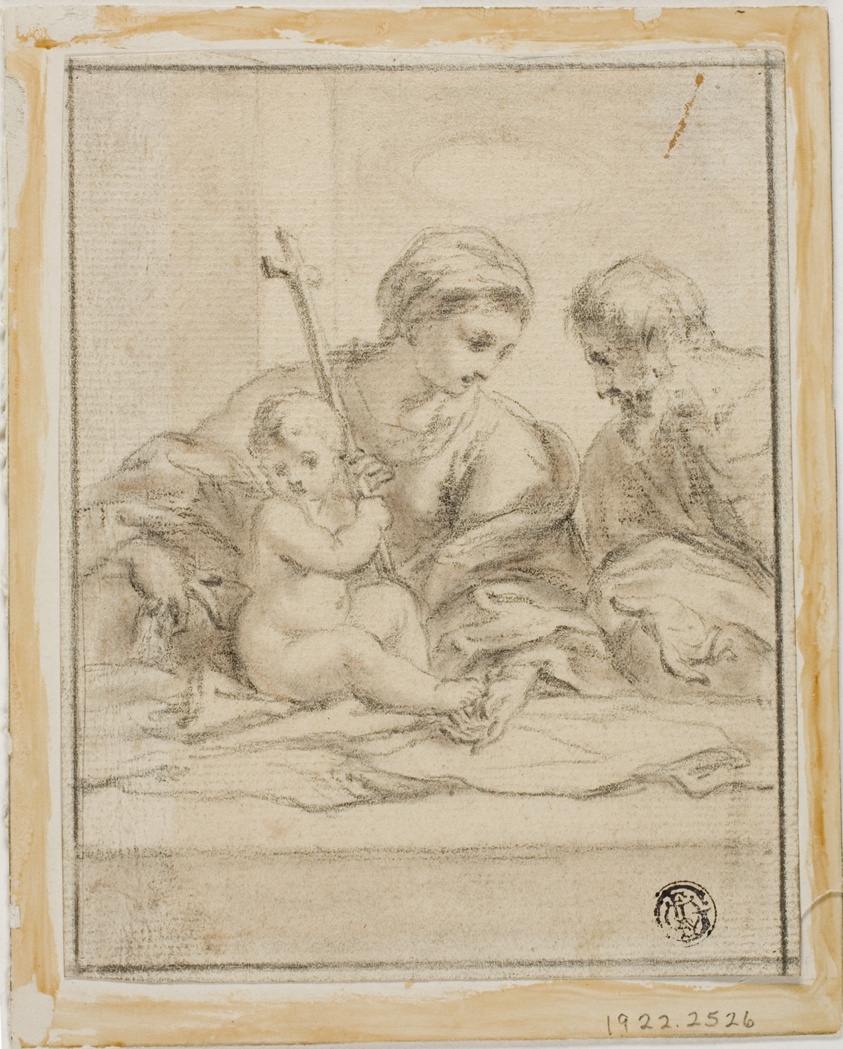
Holy Family
Art Institute of Chicago
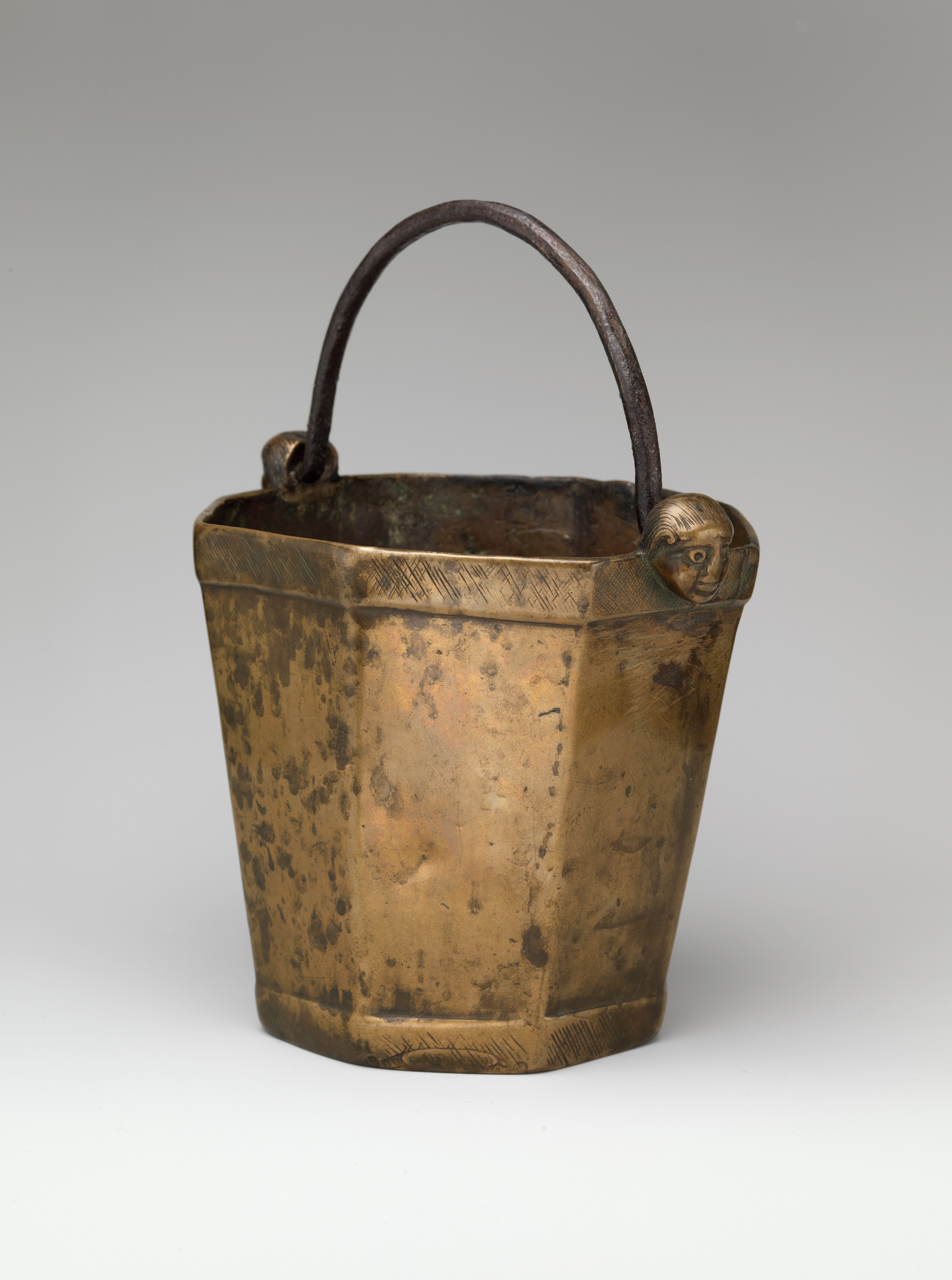
Bucket for Holy Water (Situla)
The Metropolitan Museum of Art
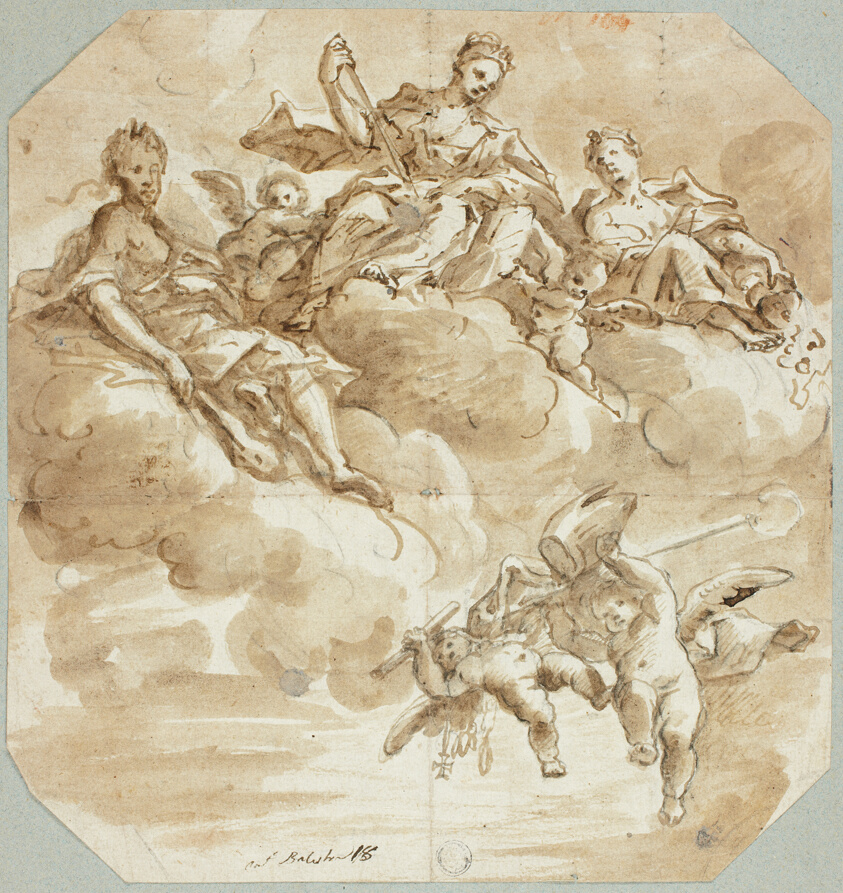
Mary as Queen of Heaven or Apotheosis of Saint
Art Institute of Chicago
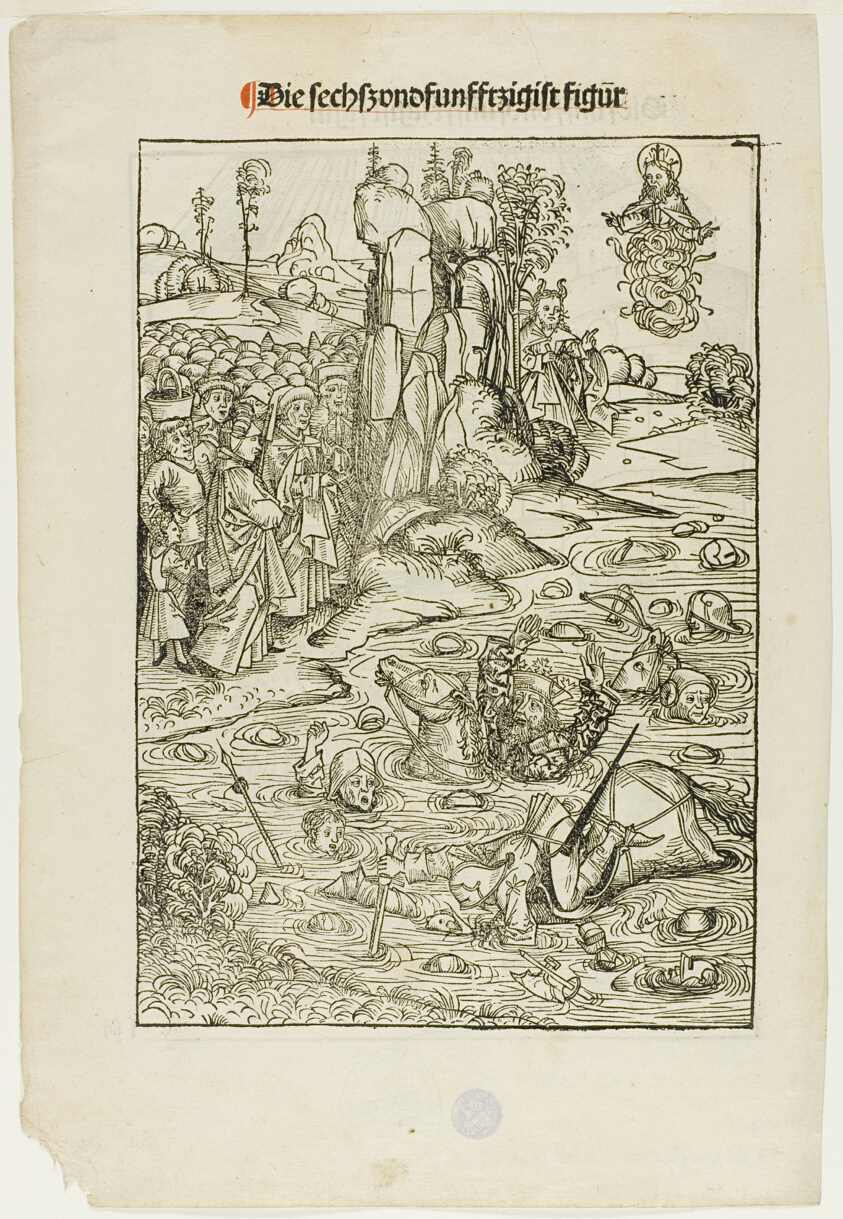
Pharoah and His Host Perishing in the Red Sea (verso); The Freeing of King Joachim of Jerusalem (recto), pages 56 and 55, from the Treasury (Schatzbehalter)
Art Institute of Chicago

Pope Liberius Baptizing the Neophytes
Minneapolis Institute of Art
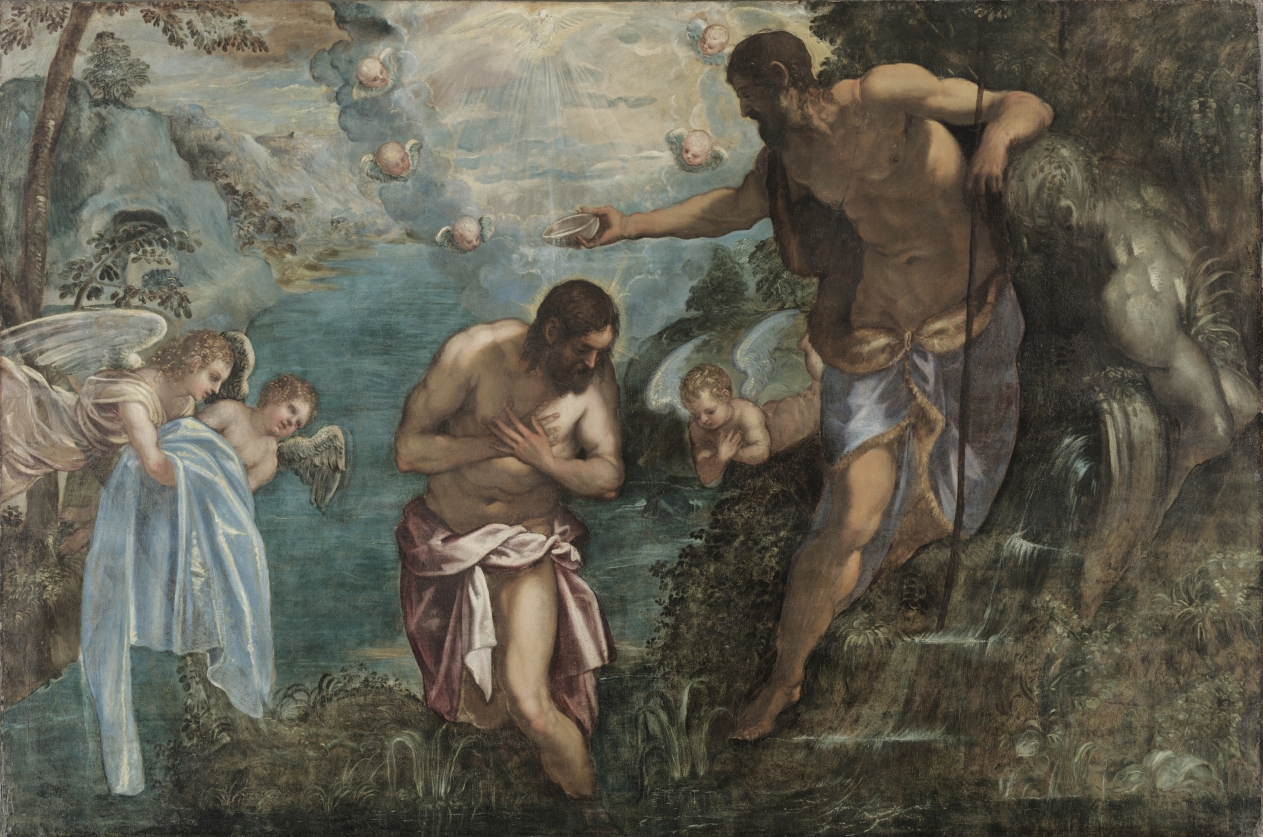
Baptism of Christ
Cleveland Museum of Art
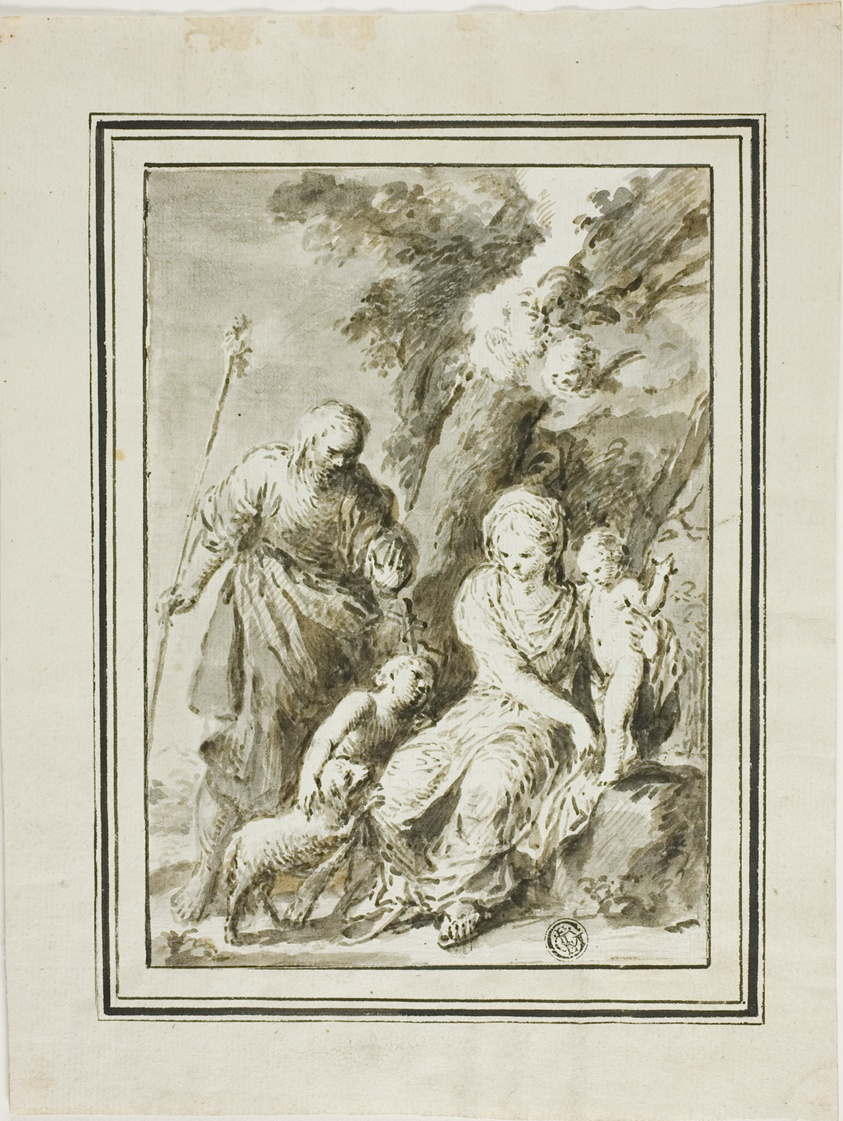
Holy Family and Saint John the Baptist
Art Institute of Chicago
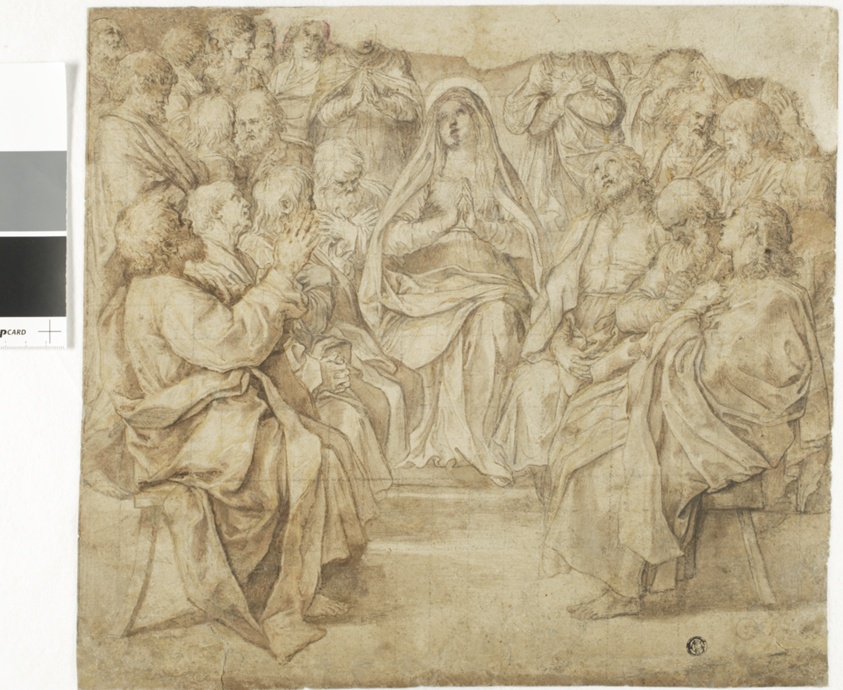
Descent of the Holy Spirit
Art Institute of Chicago

Well-head
Minneapolis Institute of Art