
Minneapolis Institute of Art
Young Woman in Classical Dress, Study for the Month Thermidor
Louis Lafitte; Formerly attributed to Baron François-Pascal-Simon Gérard
- Date
- c. 1804–1805
- Medium
- Black chalk, partially incised, on paper
- Department
- European Art
- Institution
- Minneapolis Institute of Art
In France in the 1790s, the Republicans used more than the guillotine to do away with the ancien régime. They went so far as to invent a new system of measures (the metric system), a new dress code, a new system of time (100-second minutes, 100-minute hours, 10-hour days), and a new calendar. Rejecting the Gregorian calendar inherited from the Roman Catholic Church, which structured the very fabric of life around religious observances and feast days, the Republicans decided to mark the days in a more rational, secular way. Their new calendar maintained the twelve-month year but introduced three-week months and ten-day weeks (décades). The extended week was the least popular measure, and not just with the church. A day of rest every seven days, not ten, was sacred to the working class, too. This study belongs to a series of designs by Louis Lafitte for a printed calendar in which he invented a new iconography for the months. The noble bathing woman represents Thermidor, France’s hottest month (late July to late August). Napoleon would abolish the unpopular Republican calendar in 1806, just a year or two after Lafitte produced this drawing. Europe
The authoritative record is held by Minneapolis Institute of Art. LinkedCulture surfaces this object and its connections; it does not alter institutional metadata.
Related across collections
Semantically similar works from Minneapolis Institute of Art and other institutions.

Calendrier de l'an V, 1796
Musée Carnavalet, Histoire de Paris

Calendrier de l'an V, 1796
Musée Carnavalet, Histoire de Paris

Calendrier de l'an V, 1796
Musée Carnavalet, Histoire de Paris

Calendrier républicain, de janvier à juin 1848
Musée Carnavalet, Histoire de Paris

Calendrier républicain, de janvier à juin 1848
Musée Carnavalet, Histoire de Paris

Journées de juin 1848, "Insurrection de la République rouge"
Musée Carnavalet, Histoire de Paris
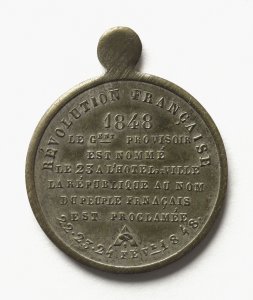
Révolution de 1848, 22 au 24 février ; Journées de Juin, 23 au 26 juin 1848
Musée Carnavalet, Histoire de Paris
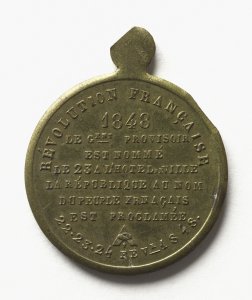
Révolution de 1848, 22 au 24 février ; Journées de Juin, 23 au 26 juin 1848
Musée Carnavalet, Histoire de Paris
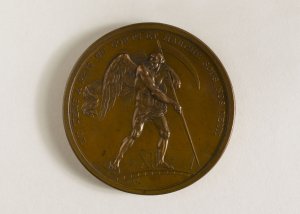
Création de la manufacture d'horlogerie, 26 décembre 1786
Musée Carnavalet, Histoire de Paris
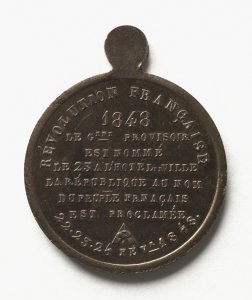
Révolution de 1848, 22 au 24 février ; Journées de Juin, 23 au 26 juin 1848
Musée Carnavalet, Histoire de Paris

Propagande républicaine suite aux journées de février, 24 février 1848
Musée Carnavalet, Histoire de Paris
"Banquet des femmes socialistes du 19 novembre 1848".
Musée Carnavalet, Histoire de Paris