
Minneapolis Institute of Art
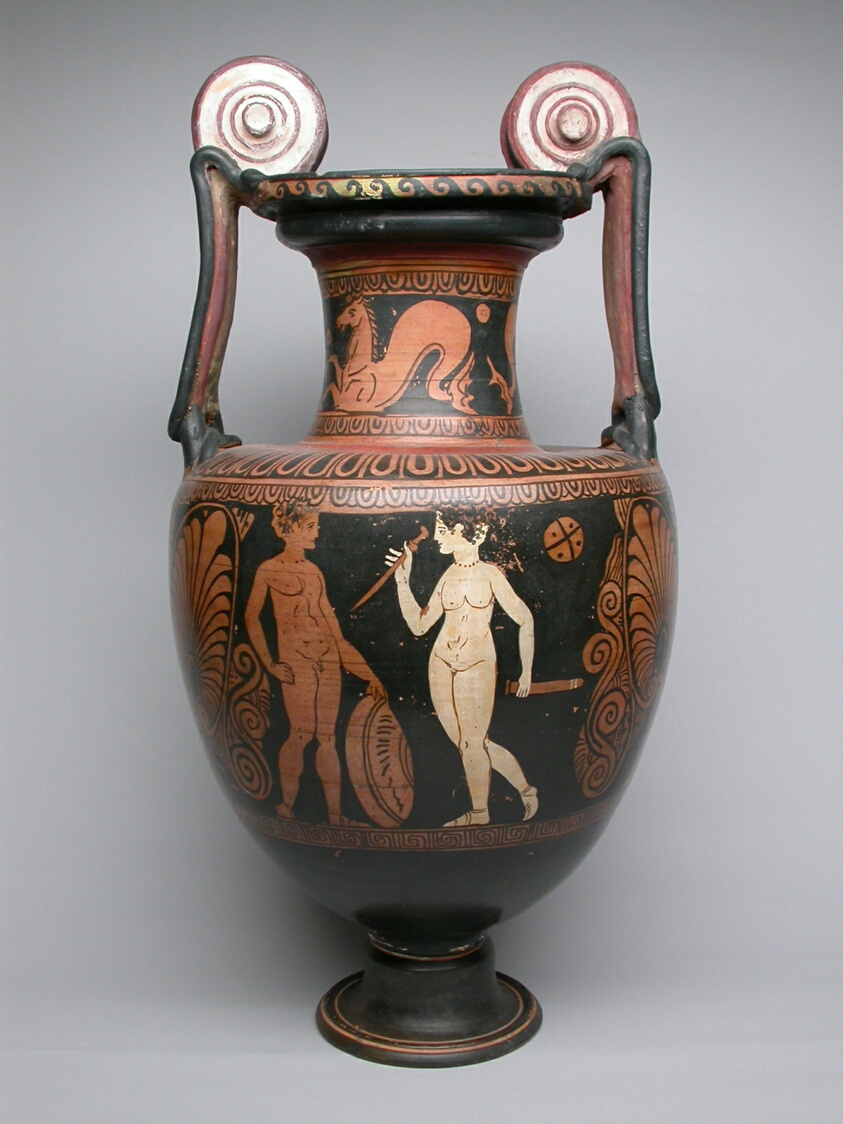
Terracotta Hydria (Water Jug)
Attributed to the White Sakkos Painter
- Date
- c. 320 BCE
- Medium
- Terracotta, red-figure
- Department
- European Art
- Institution
- Minneapolis Institute of Art
Apulia, a prosperous Greek colony on the Adriatic coast of Italy, was a major center of terracotta vase production. Apulian vases are distinctive for their large size; some are over a meter tall. Such large vases may have been created for inclusion in the spacious tombs that came into vogue among wealthy families in the 4th century b.c. The size of these vases allowed painters to indulge in complex figural compositions that appear to float on black backgrounds, which are divided into registers by bands of intricate floral patterns. The scenes portrayed on this vase are common in works by the White Sakkos Painter. In the upper register, a woman is groomed by female attendants. Below, two women flank a stele, or grave monument. On the front center shoulder is a face of a woman wearing a white sakkos (bonnet), a signature feature found almost exclusively on vases by this painter. Europe
The authoritative record is held by Minneapolis Institute of Art. LinkedCulture surfaces this object and its connections; it does not alter institutional metadata.
Related across collections
Semantically similar works from Minneapolis Institute of Art and other institutions.
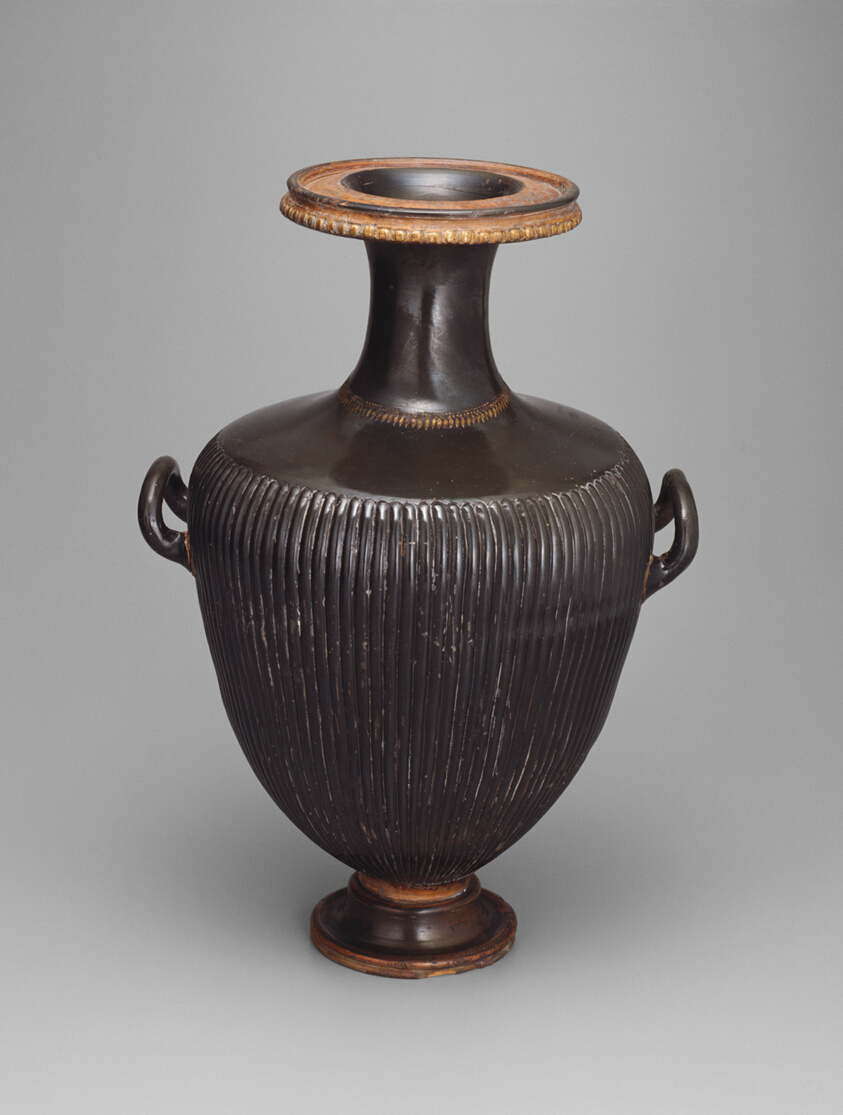
Hydria (Water Jar)
Art Institute of Chicago
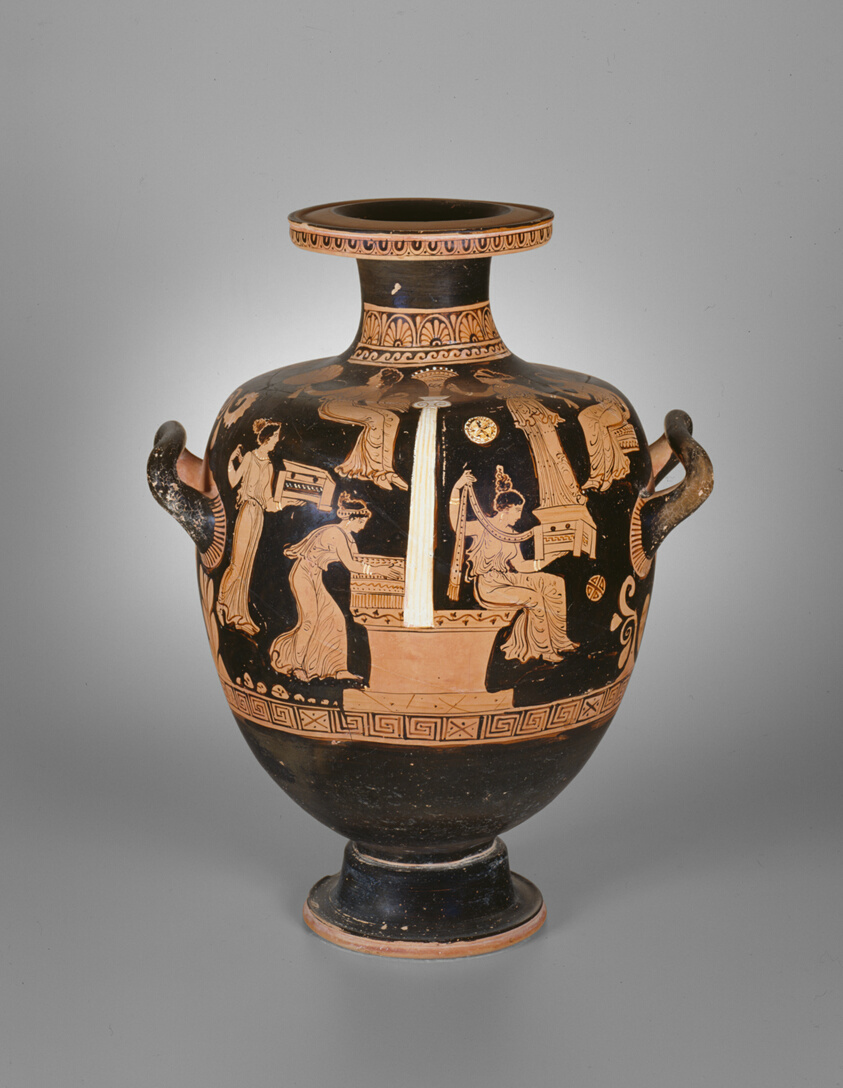
Hydria (Water Jar)
Art Institute of Chicago
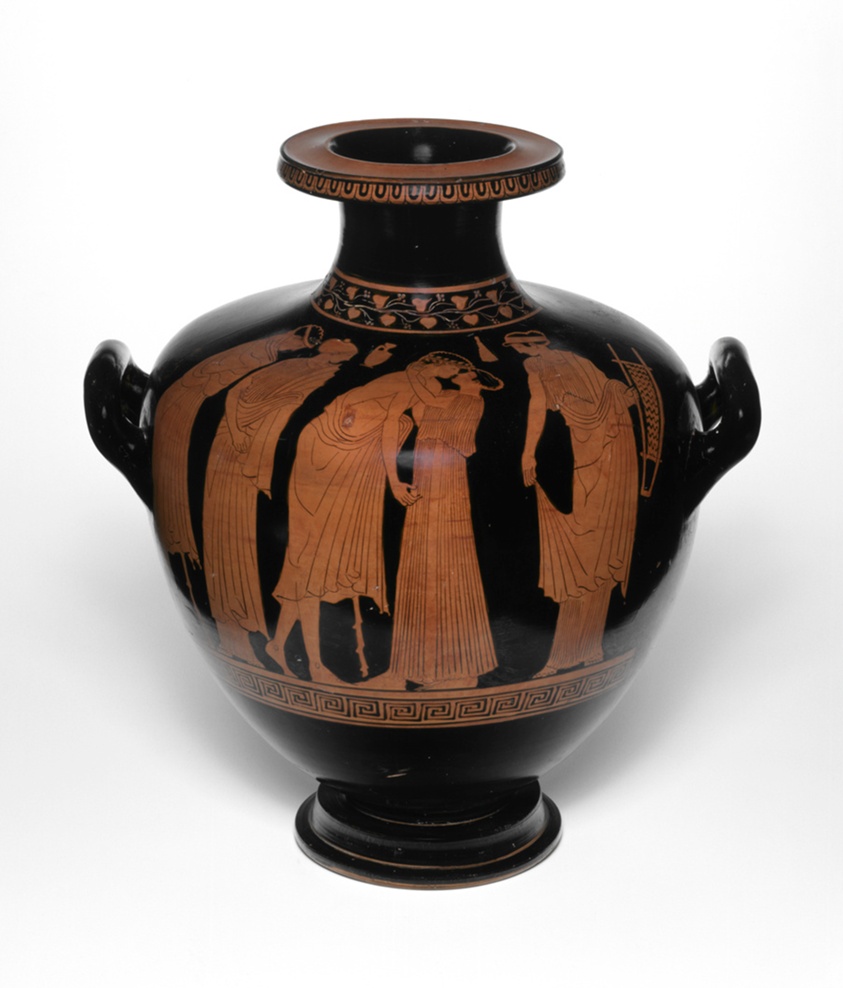
Hydria (Water Jar)
Art Institute of Chicago
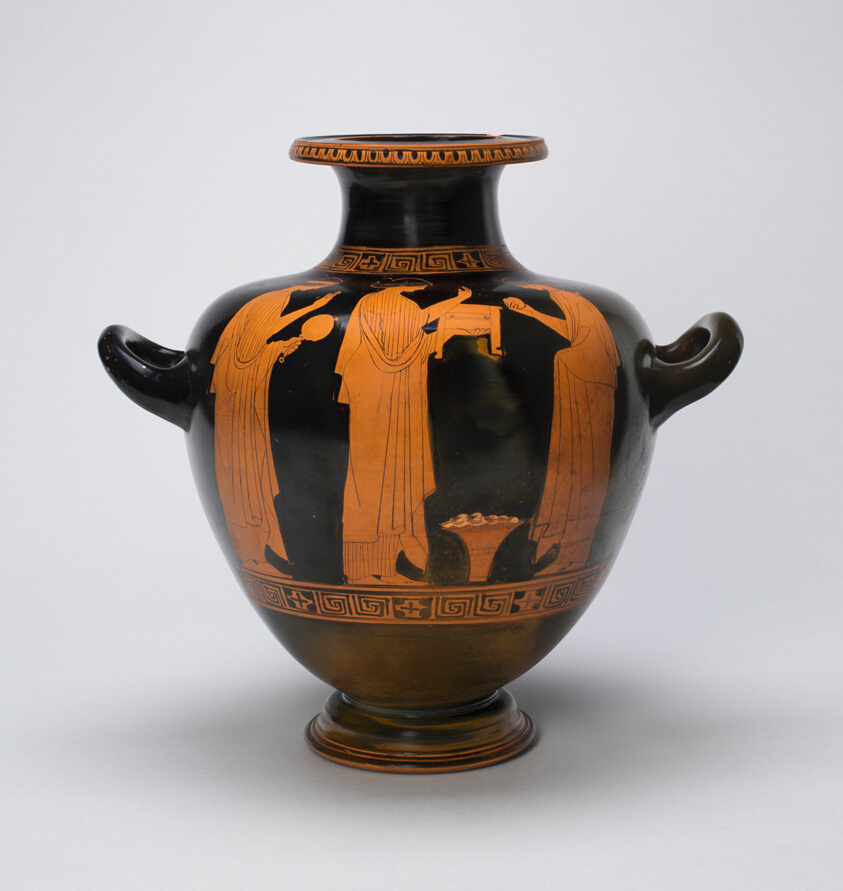
Hydria (Water Jar)
Art Institute of Chicago

Attic Red-Figure Hydria
Getty Museum
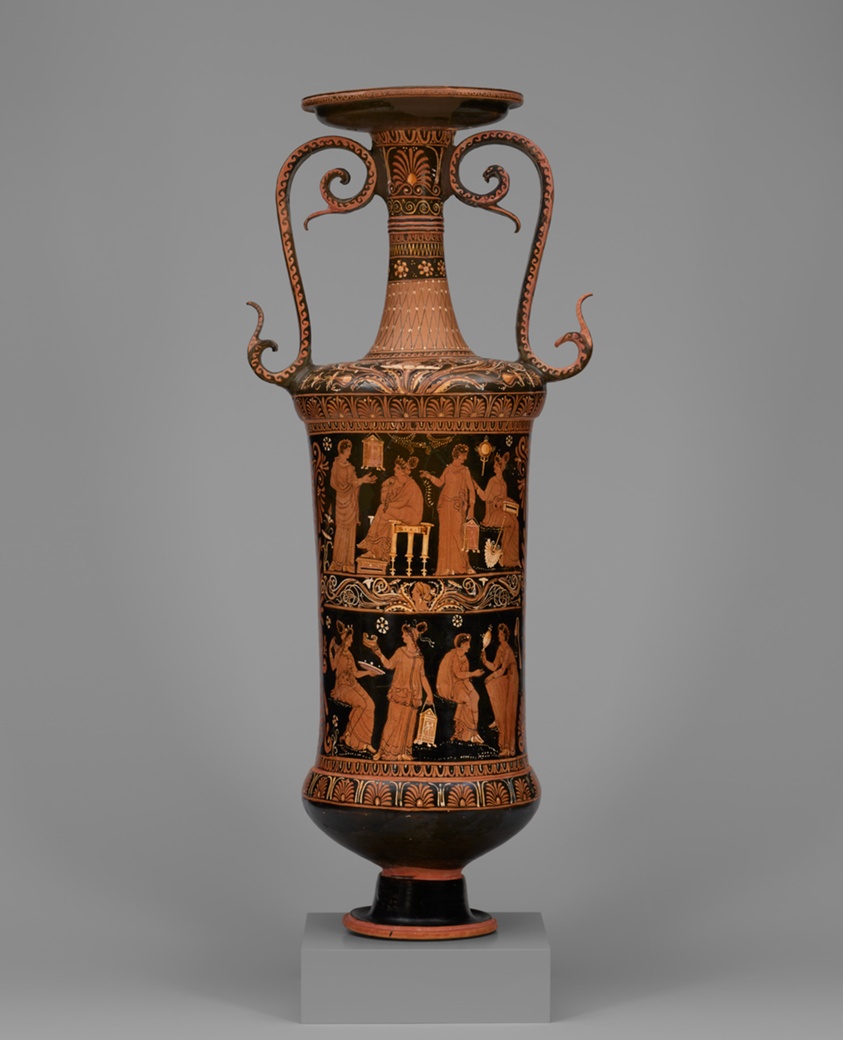
Loutrophoros (Container for Bath Water)
Art Institute of Chicago

Apulian Red-Figure Bell Krater
Getty Museum
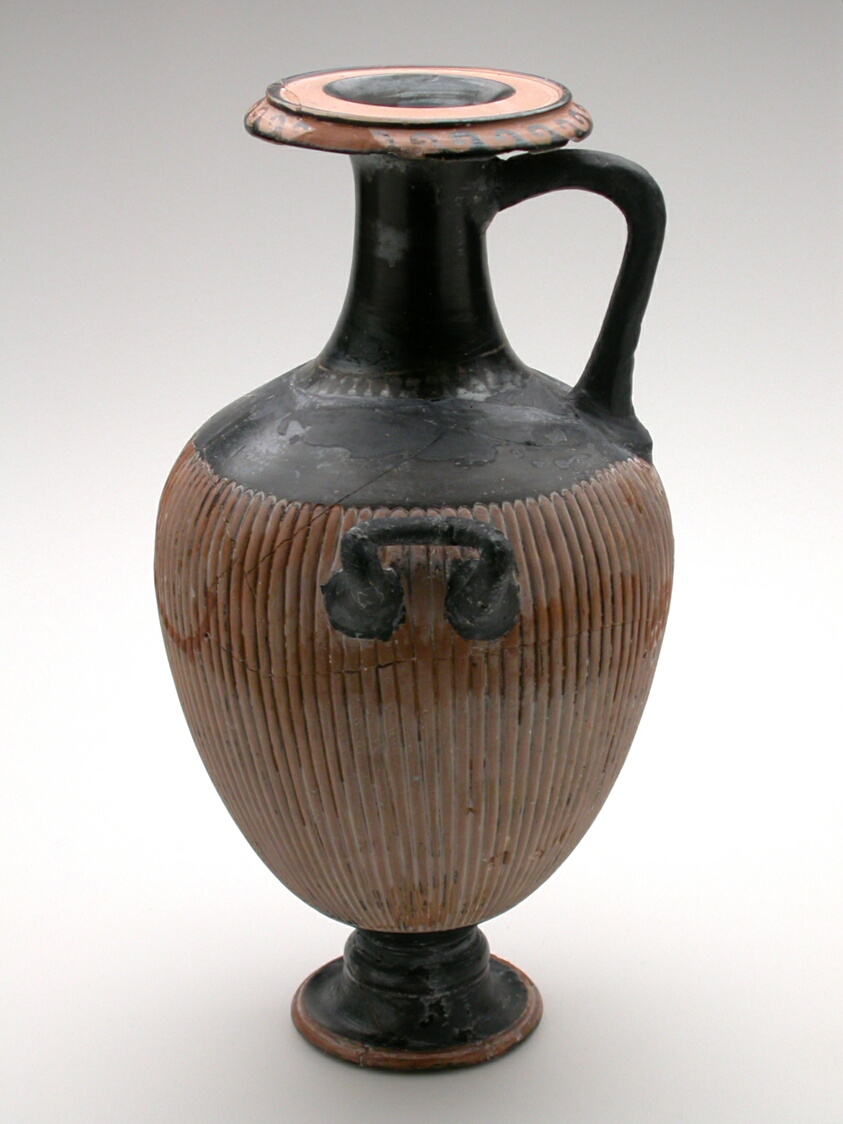
Hydria (Water Jar)
Art Institute of Chicago
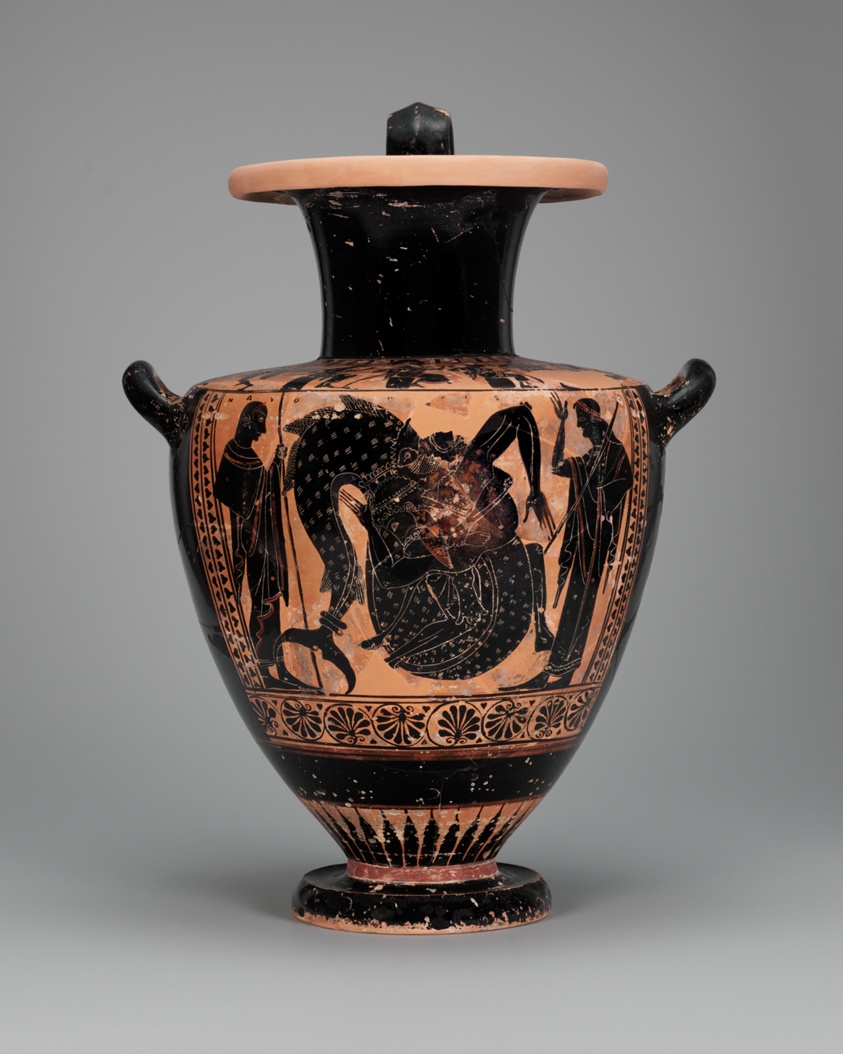
Hydria (Water Jar)
Art Institute of Chicago
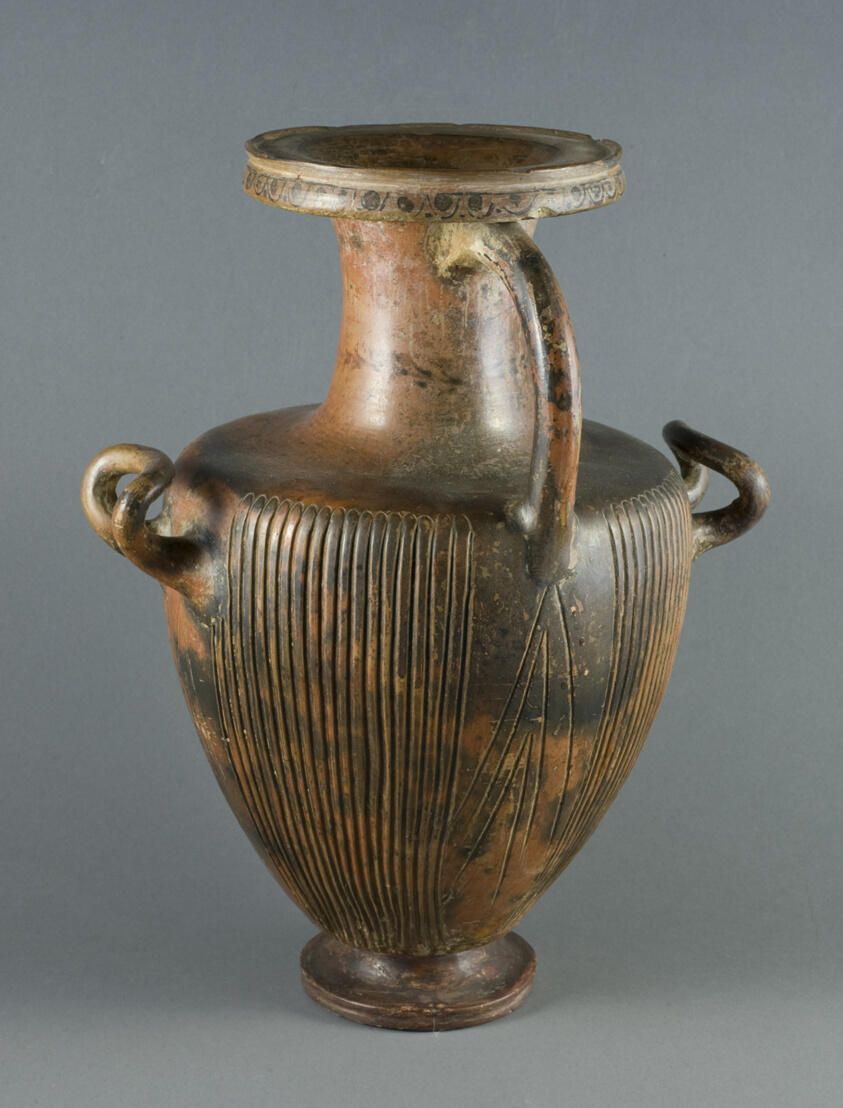
Hydria (Water Jar)
Art Institute of Chicago
Amphora (Storage Jar)
Art Institute of Chicago

Apulian Amphora
Getty Museum