
Minneapolis Institute of Art
Incense burner
China
- Date
- 1736–95
- Medium
- Cloisonné enamel
- Department
- Asian Art
- Institution
- Minneapolis Institute of Art
With its spherical body, three lobed legs, and large handles, this incense burner is a copy of a li , a type of archaic bronze vessel prevalent during the Shang and Zhou periods. But a new technique—cloisonné, a type of enamel decoration on metal—is used here. In cloisonné, colored-glass paste is placed within compartments outlined by copper or bronze wires and then fired. Originating in Europe, cloisonné had spread to China by the 13th or 14th century and remained common throughout the Qing dynasty. The censer, its scrolling lotus design in red, yellow, green, black, mauve, and white enamels on a turquoise-blue ground, bears an inscription identifying it as having been made in the imperial workshop of the Qianlong period (r. 1736–95). Asia
The authoritative record is held by Minneapolis Institute of Art. LinkedCulture surfaces this object and its connections; it does not alter institutional metadata.
Related across collections
Semantically similar works from Minneapolis Institute of Art and other institutions.

Censer with stand
Minneapolis Institute of Art

Covered incense burner
Minneapolis Institute of Art

Censer
Minneapolis Institute of Art

Vase
Minneapolis Institute of Art
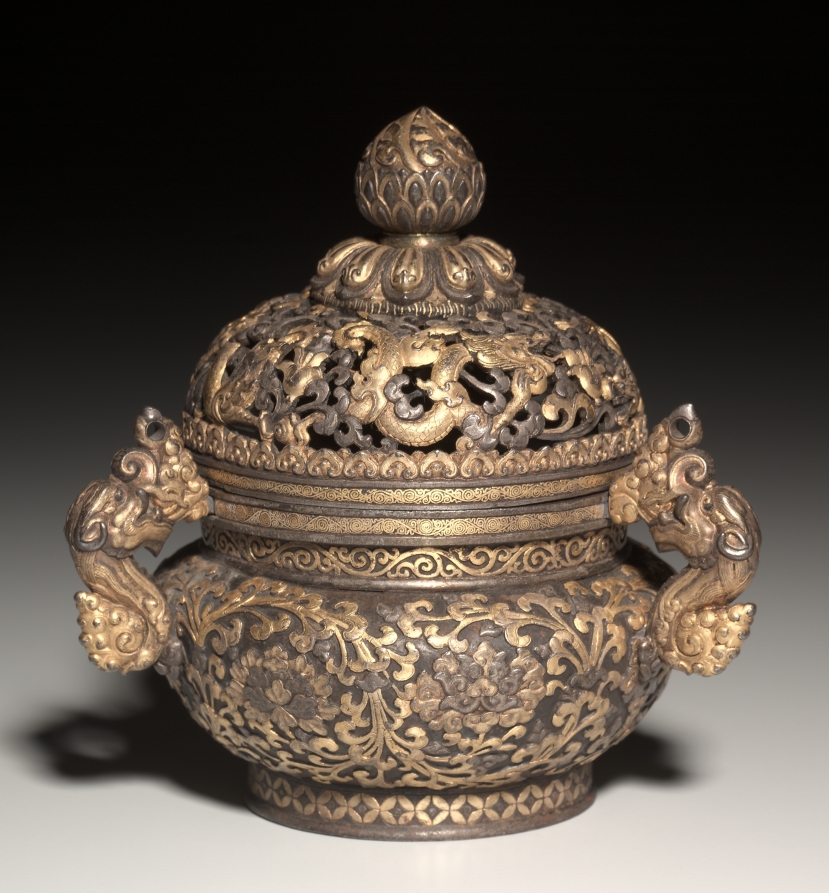
Incense Burner
Cleveland Museum of Art
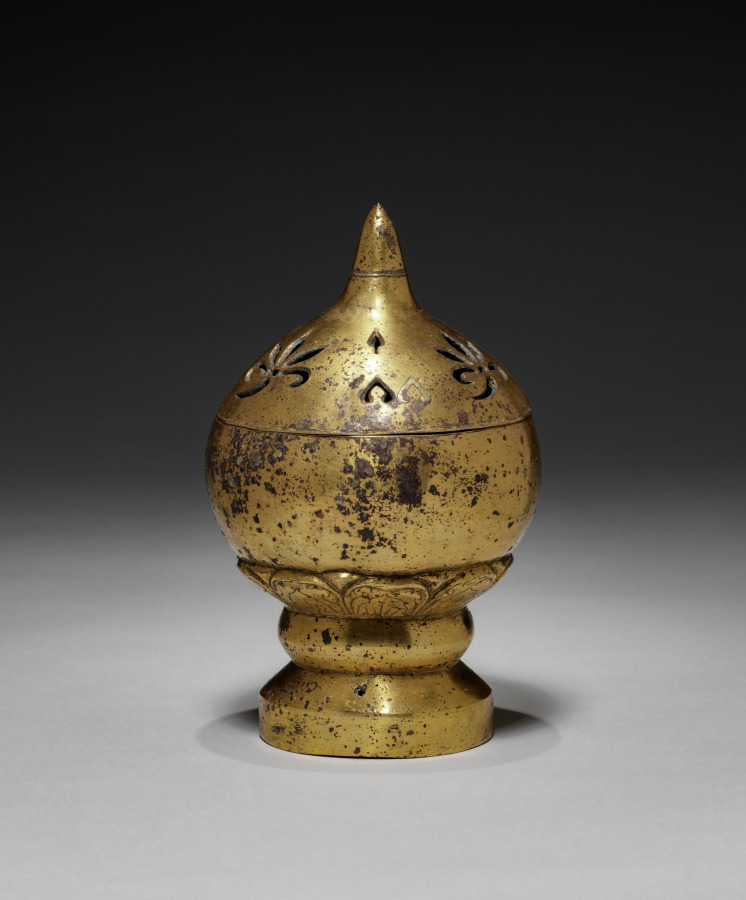
Censer
Cleveland Museum of Art

Censer
Minneapolis Institute of Art

Incense burner
Minneapolis Institute of Art
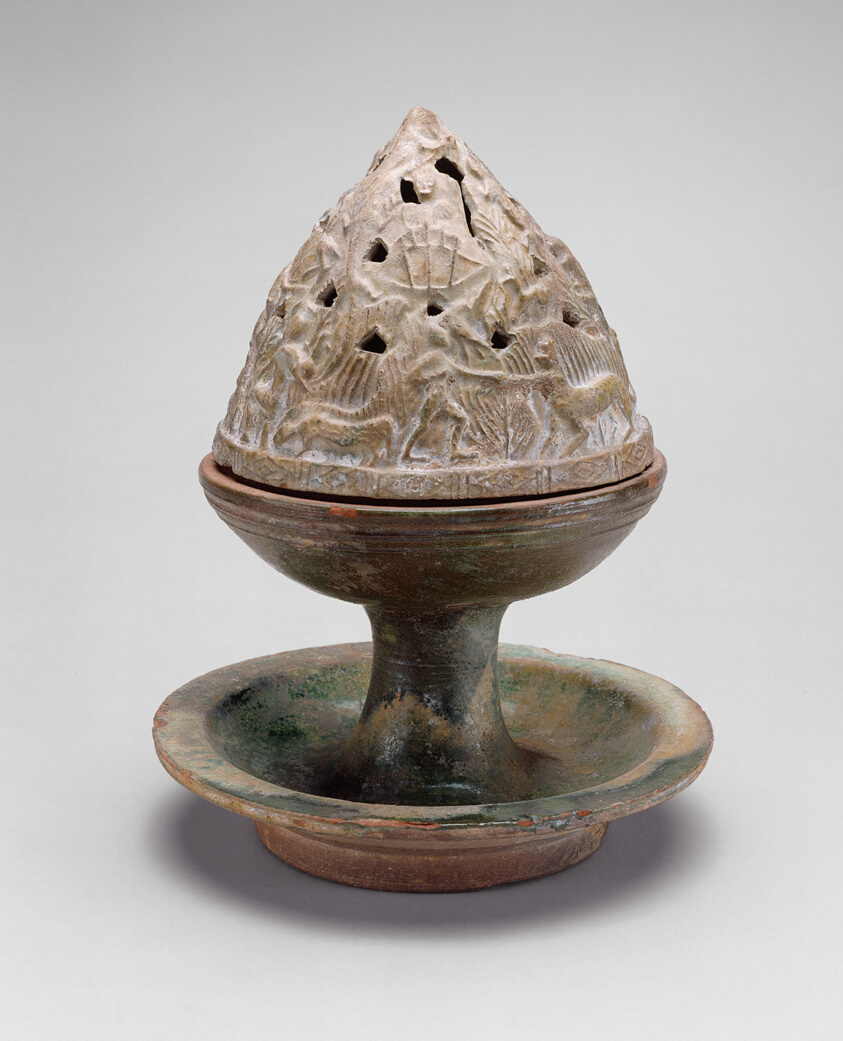
Mountain-Shaped Incense Burner
Art Institute of Chicago

Tripod Stand or Censer
Minneapolis Institute of Art

Covered Incense Burner
Minneapolis Institute of Art

Incense Burner in the Form of a Ding Vessel
Minneapolis Institute of Art