
Minneapolis Institute of Art
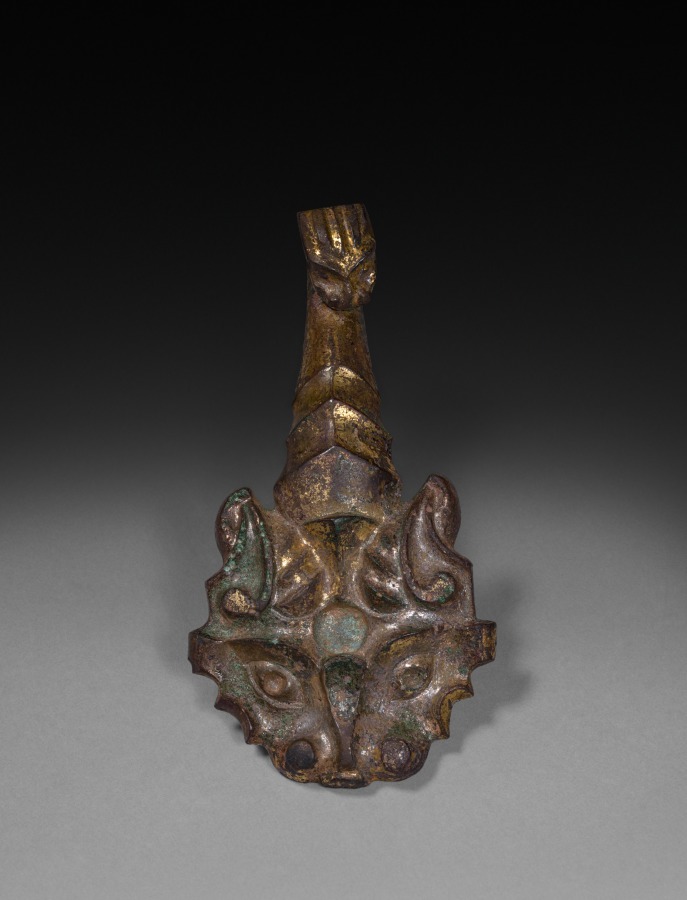
Belt hook
China
- Date
- 2nd century BCE
- Medium
- Gilt bronze with blue glass inlay
- Department
- Asian Art
- Institution
- Minneapolis Institute of Art
Belt hooks of this general form came into use during the Eastern Zhou period (770–221 BCE) and became standard by the Western Han period. During the Warring States period (475–221 BCE), gold, silver, and turquoise inlay were popular enhancements to bronze and iron belt fasteners. Glass inlay, however, was quite rare. Glass was originally a luxury item brought into China from the West by Silk Road traders. The azure-colored glass in this rare fastener, however, seems to have become a local product by the Western Han period. Beautifully crafted from precious materials, decorative items such as this reflect the bronze industry’s shift from religious to secular artworks and the broader dissemination of wealth that occurred during the Western Han. Asia
The authoritative record is held by Minneapolis Institute of Art. LinkedCulture surfaces this object and its connections; it does not alter institutional metadata.
Related across collections
Semantically similar works from Minneapolis Institute of Art and other institutions.

Belt hook
The Metropolitan Museum of Art
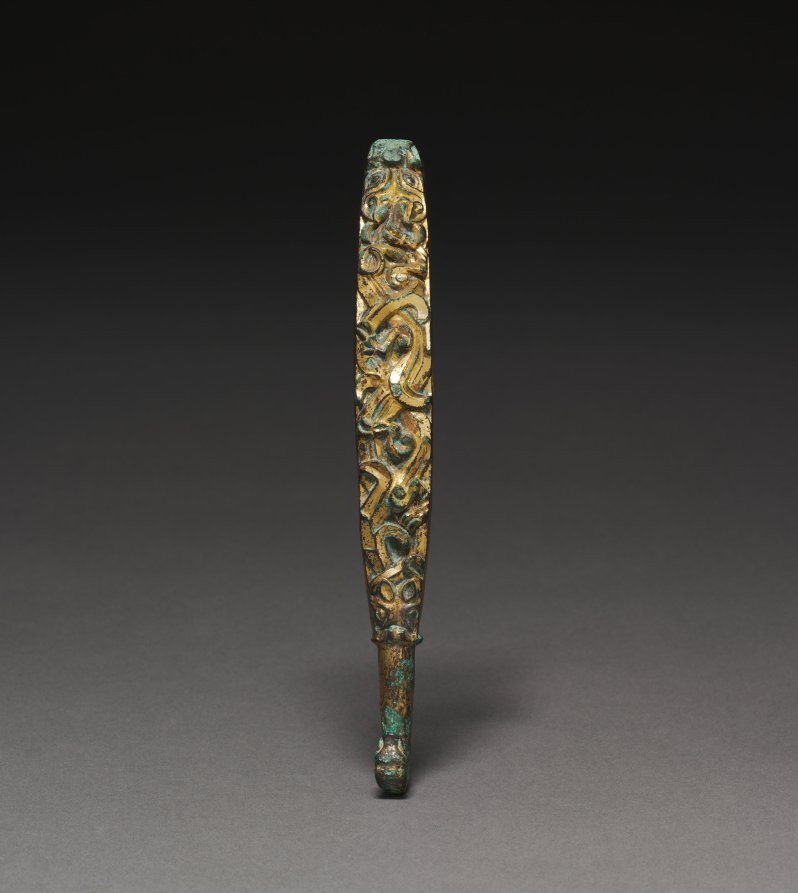
Belt Hook
Cleveland Museum of Art
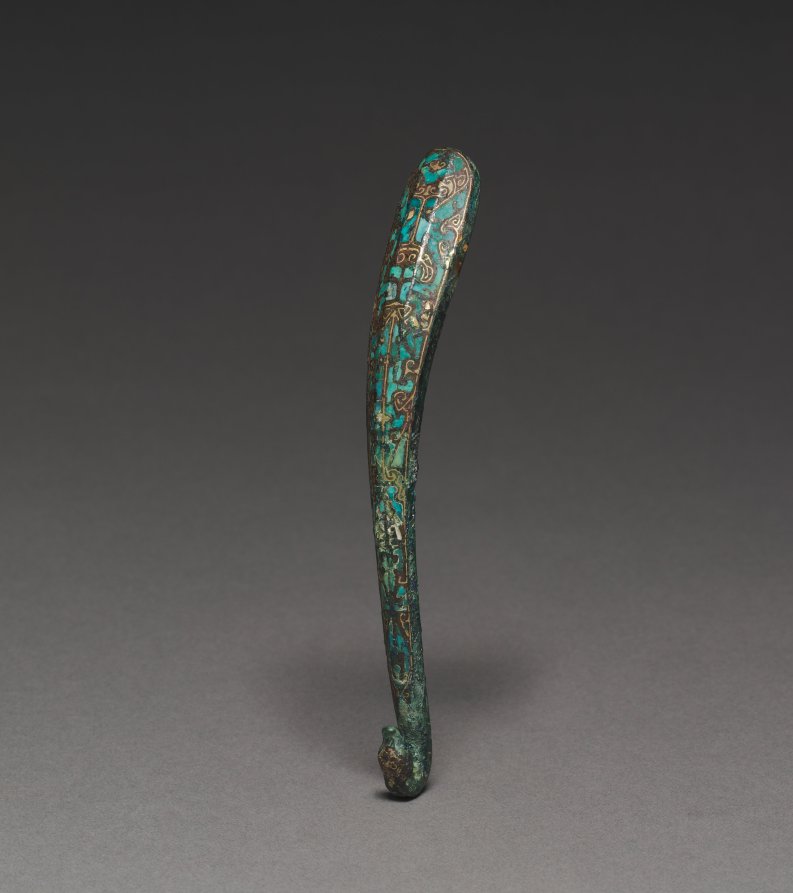
Belt Hook
Cleveland Museum of Art
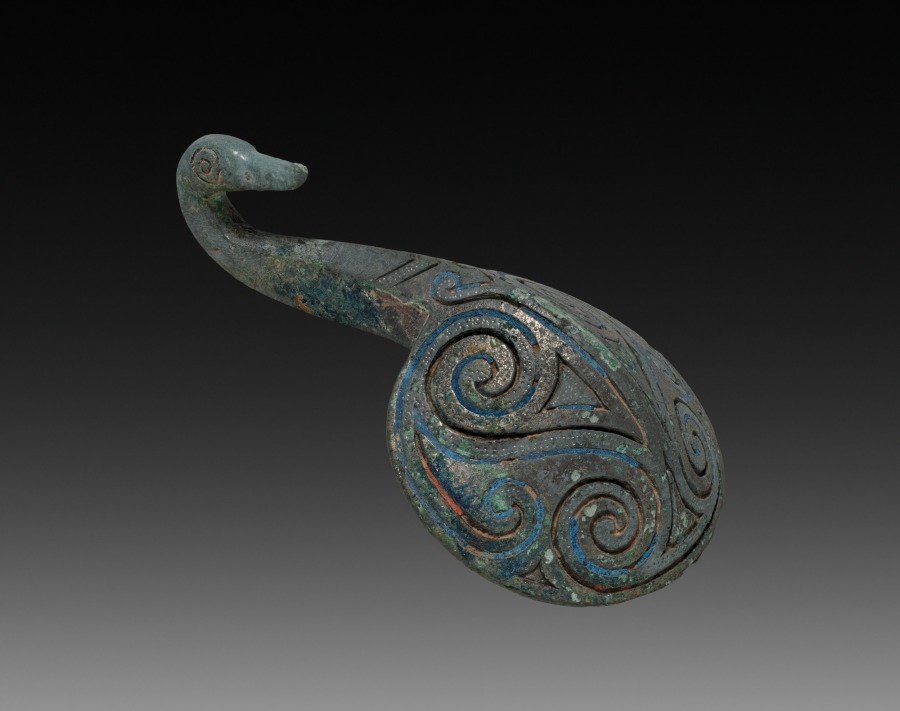
Belt Hook
Cleveland Museum of Art

Belt hook
Minneapolis Institute of Art

Belt hook
Minneapolis Institute of Art
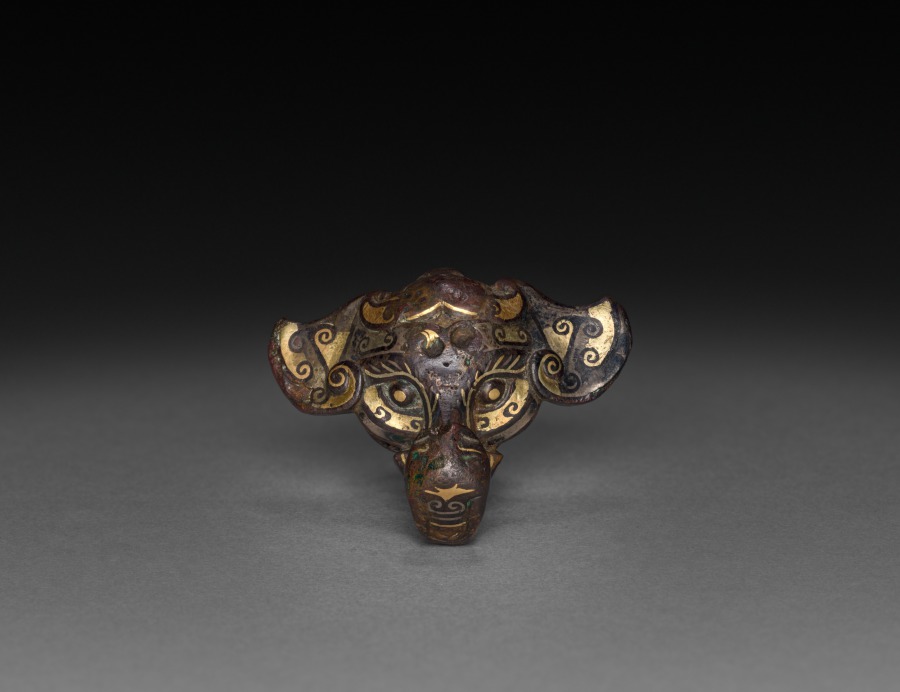
Belt Hook (Daigou) in the Form of a Buffalo or Elephant Head
Cleveland Museum of Art
Garment Hook (Daigou)
Cleveland Museum of Art

Belt hook
Minneapolis Institute of Art
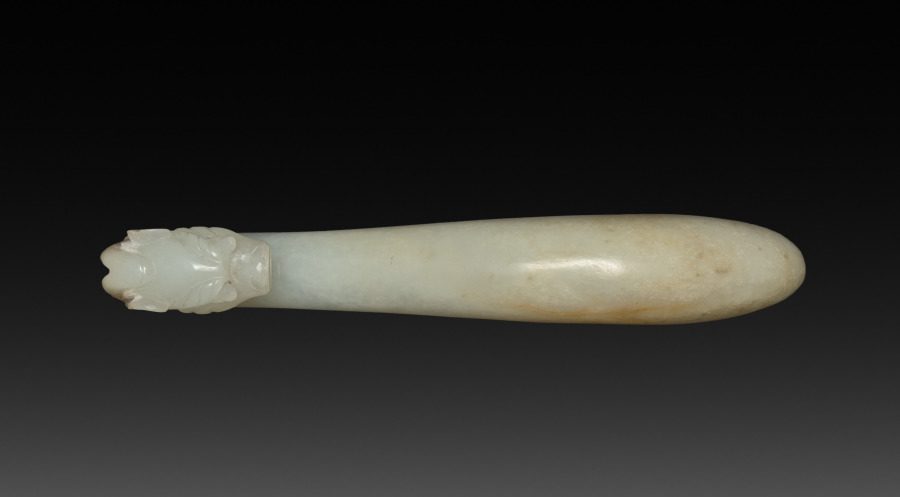
Belt Hook
Cleveland Museum of Art

Chariot fitting
Minneapolis Institute of Art

Belt hook
Minneapolis Institute of Art