
Minneapolis Institute of Art
Taima Mandala
Japan
- Date
- early 14th century
- Medium
- Hanging scroll, ink, color, gold, and cut gold leaf (kirikane) on silk
- Department
- Asian Art
- Institution
- Minneapolis Institute of Art
This mandala represents Amida Buddha's Western Paradise or Pure Land, where the souls of fervent believers are reborn to continue their quest for spiritual enlightenment free from the difficulties associated with life on earth. In the center, Amida sits beneath a jeweled canopy surrounded by a host of other deities and worshippers. His splendid palaces are in the background and the sky is filled with flying deities and heavenly musicians. Amida faces a pond where the souls of the deceased are reborn on lotus blossoms. According to tradition, the first Japanese mandala of Amida's paradise was painted in the eighth century and has been preserved in the collection of Taima-dera temple near Nara. As worship of Amida became increasingly popular in the twelfth and thirteenth centuries, numerous copies were produced. Accordingly, this painting and others like it are referred to as Taima Mandala. Asia
The authoritative record is held by Minneapolis Institute of Art. LinkedCulture surfaces this object and its connections; it does not alter institutional metadata.
Related across collections
Semantically similar works from Minneapolis Institute of Art and other institutions.
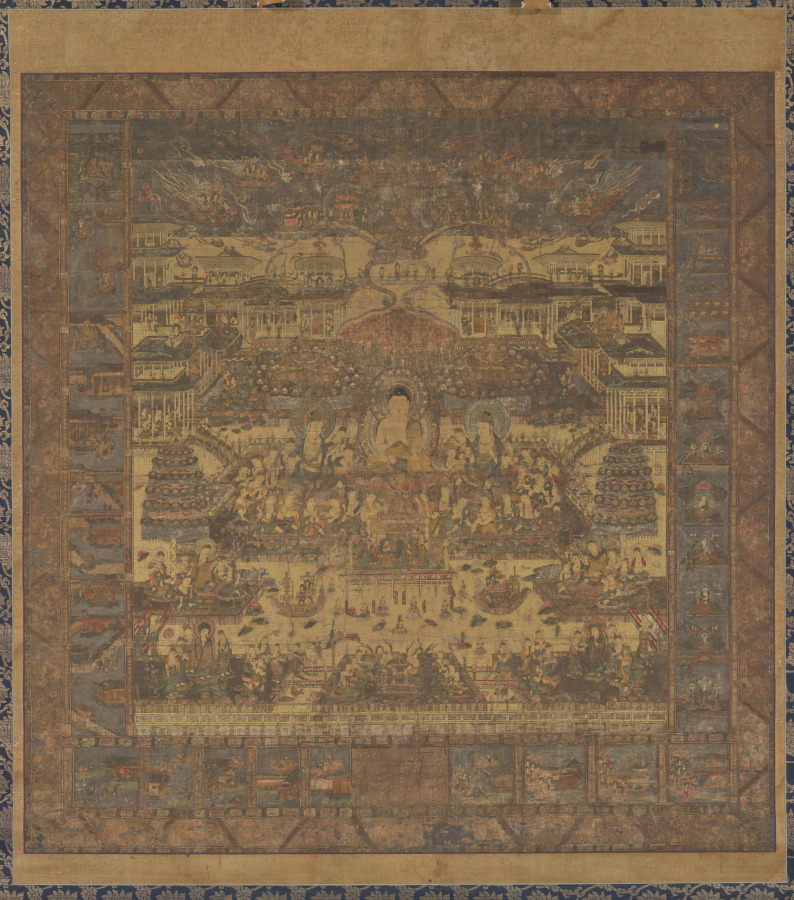
Taima Mandala
Cleveland Museum of Art

Amida Buddha
Minneapolis Institute of Art
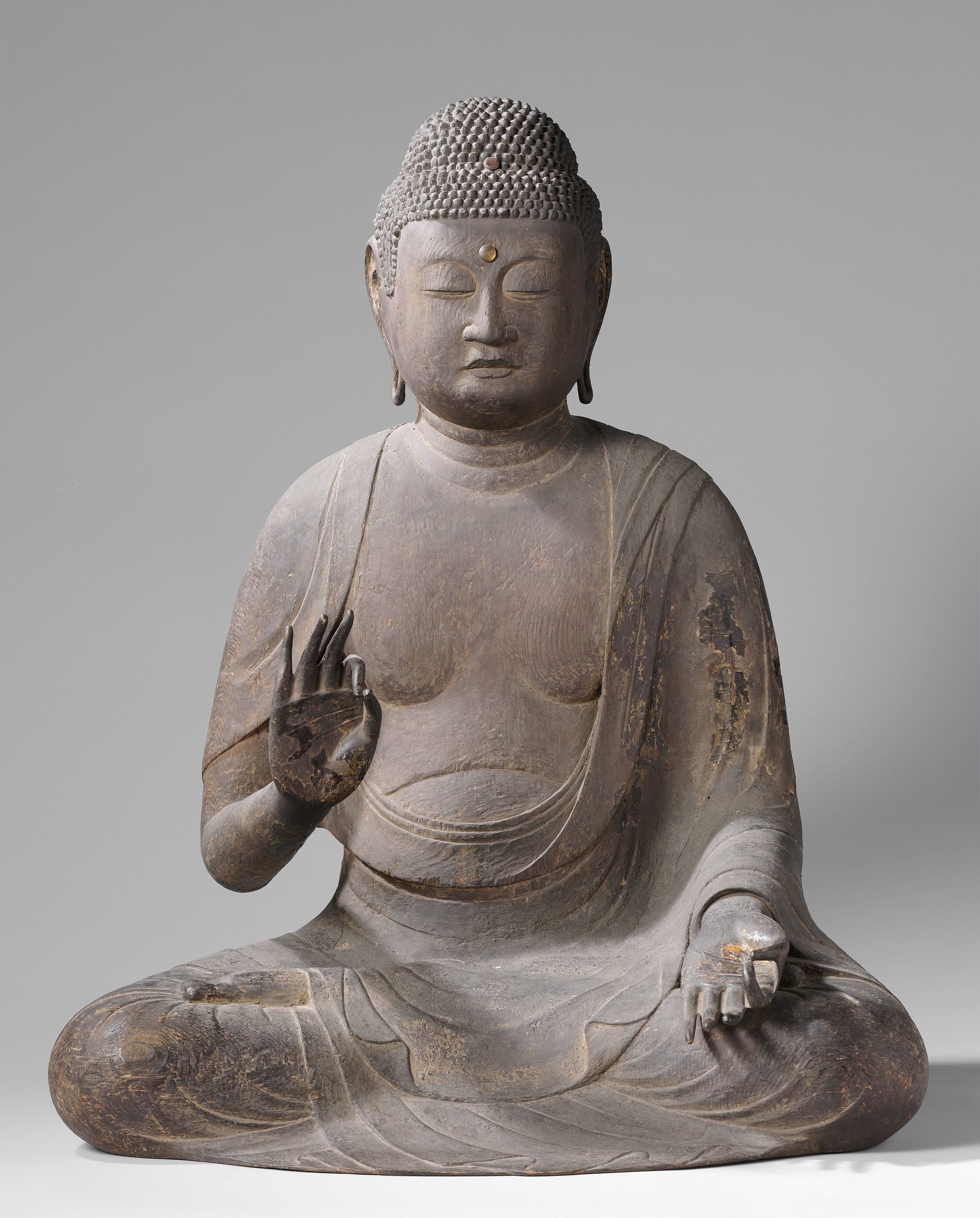
De boeddha Amida
Rijksmuseum
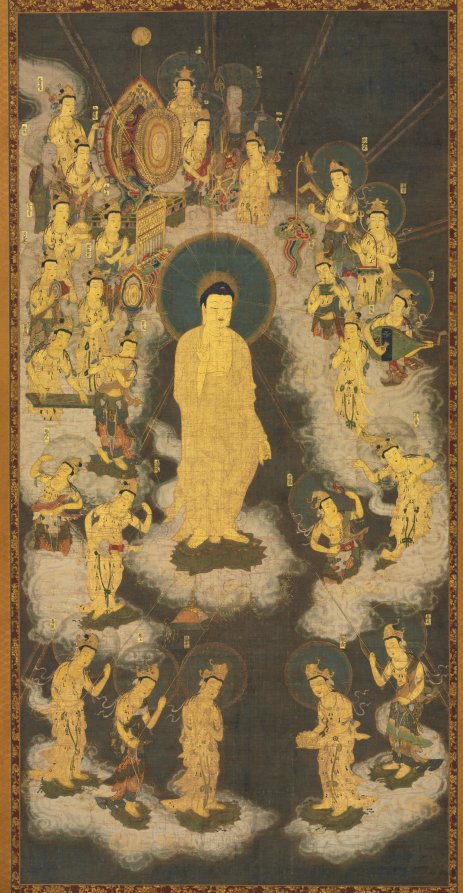
Welcoming Descent of Amida (Amida Raigō)
Cleveland Museum of Art

Welcoming Descent of the Amida Buddha Triad
Minneapolis Institute of Art

Amida, the Buddha of Infinite Light
Minneapolis Institute of Art

Welcoming Descent of the Amida Buddha Triad
Minneapolis Institute of Art

Amida, the Buddha of Infinite Light
Minneapolis Institute of Art
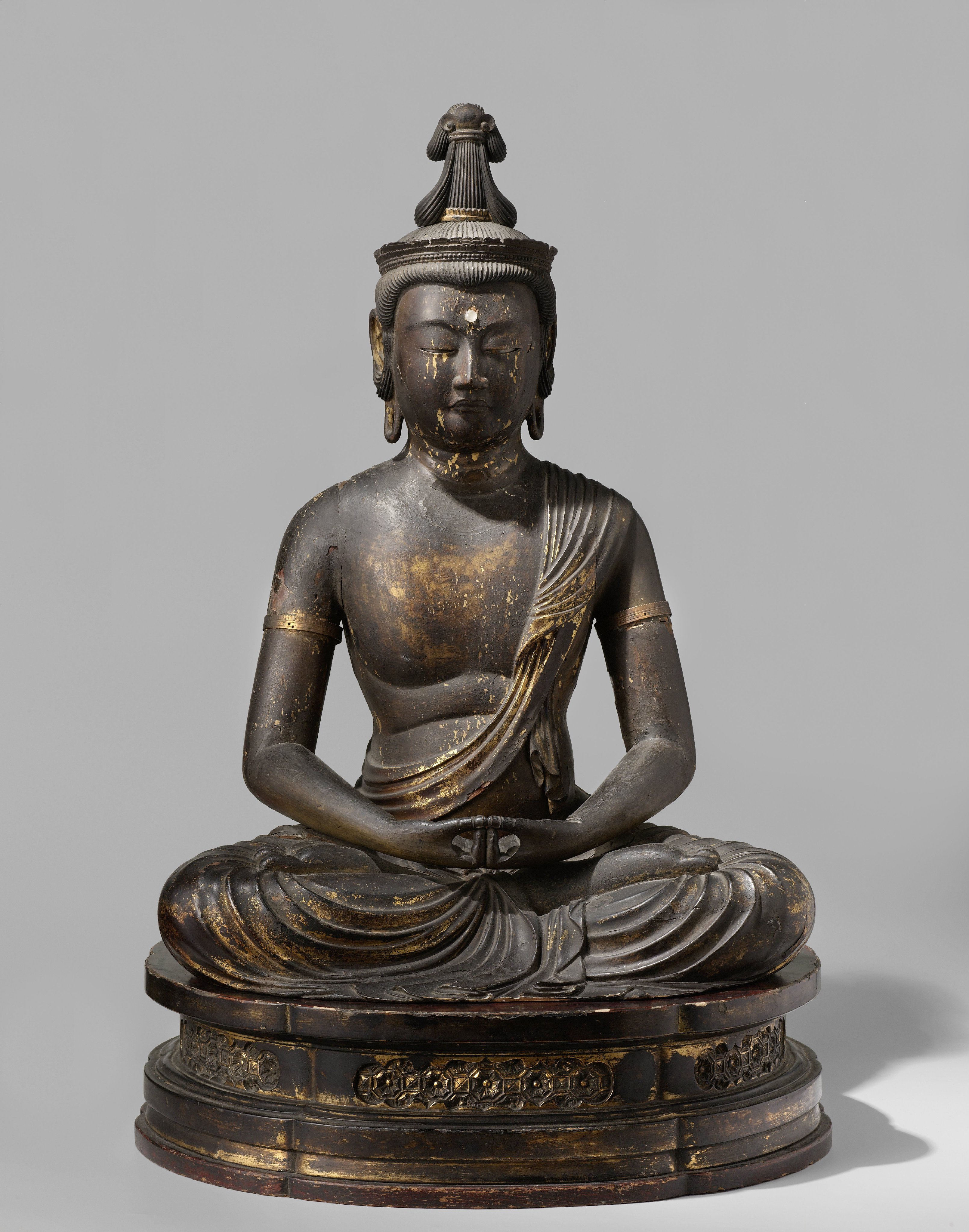
De boeddha Amida Nyorai
Rijksmuseum

Welcoming Descent of the Amida Buddha Triad
Minneapolis Institute of Art
Welcoming Descent of Amida with Twenty-Five Bodhisattvas
Cleveland Museum of Art
Red Amida
Cleveland Museum of Art