
Minneapolis Institute of Art
Lime Spatula
Papua New Guinea, (Trobriand Islands)
- Date
- 20th century
- Medium
- Wood
- Department
- Arts of Oceania
- Institution
- Minneapolis Institute of Art
Betel chewing is a common practice throughout India, Indonesia, and Oceania. Frequently called betel nut, a chew actually consists of three components; a paste made from the crushed kernel of an areca palm nut, the fruit or leaf of the betel-pepper plant, and a quantity of powdered lime, obtained from burnt coral or shell. Often this combination takes the form of a small bite-sized package which is placed in the cheek and chewed in a manner similar to chewing tobacco. Betel chewing is a social and personal habit, but betel is also chewed in ritual and ceremonial contexts. The use of betel in Oceania has led to the manufacture of finely decorated paraphernalia including lime containers, lime spatulas, and mortars. These objects have been considered among the finest of Melanesian carvings. Papua New Guinea
The authoritative record is held by Minneapolis Institute of Art. LinkedCulture surfaces this object and its connections; it does not alter institutional metadata.
Related across collections
Semantically similar works from Minneapolis Institute of Art and other institutions.

Spatula
Minneapolis Institute of Art
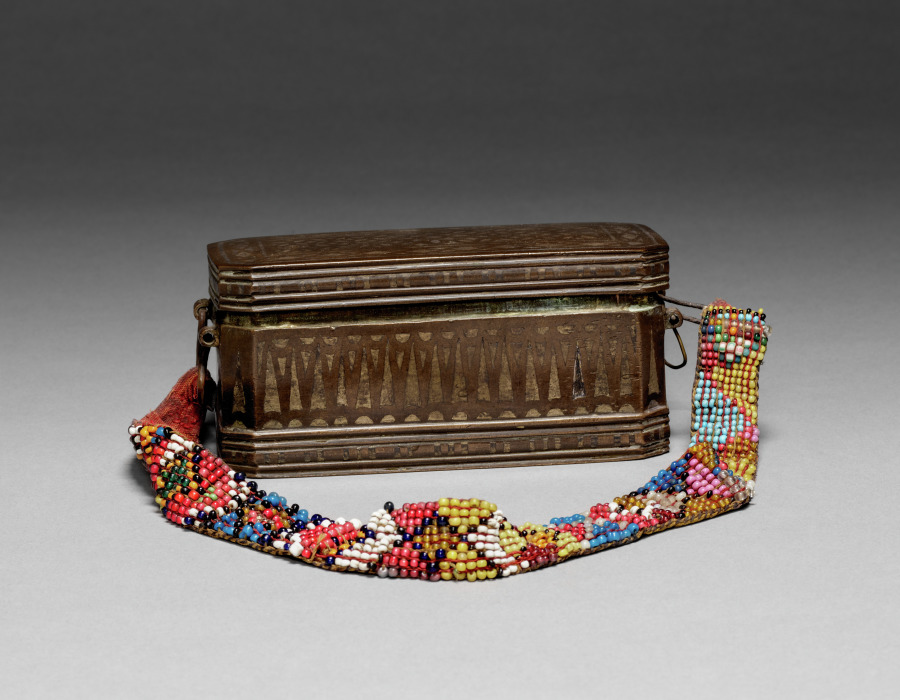
Betel nut container
Cleveland Museum of Art
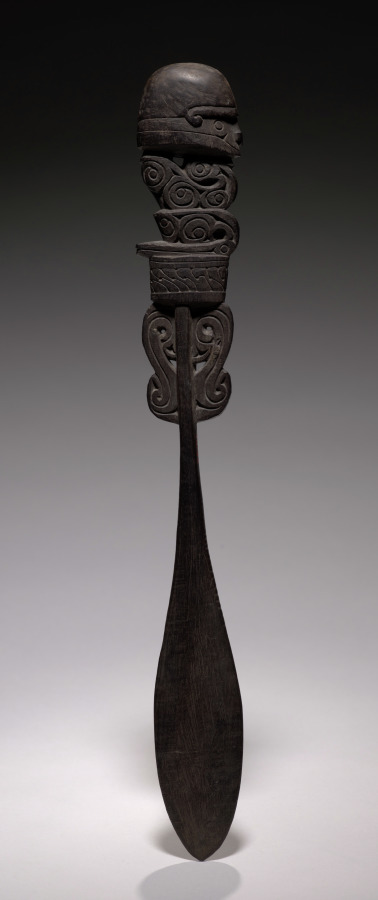
Lime Spatula
Cleveland Museum of Art
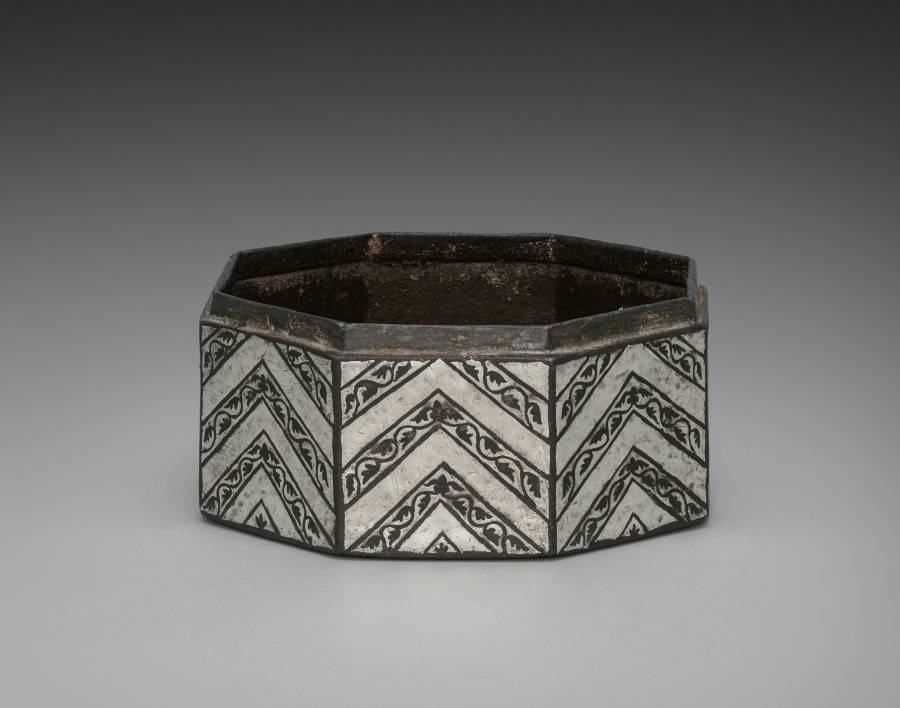
Bidri Pandan with Chevrons
Cleveland Museum of Art
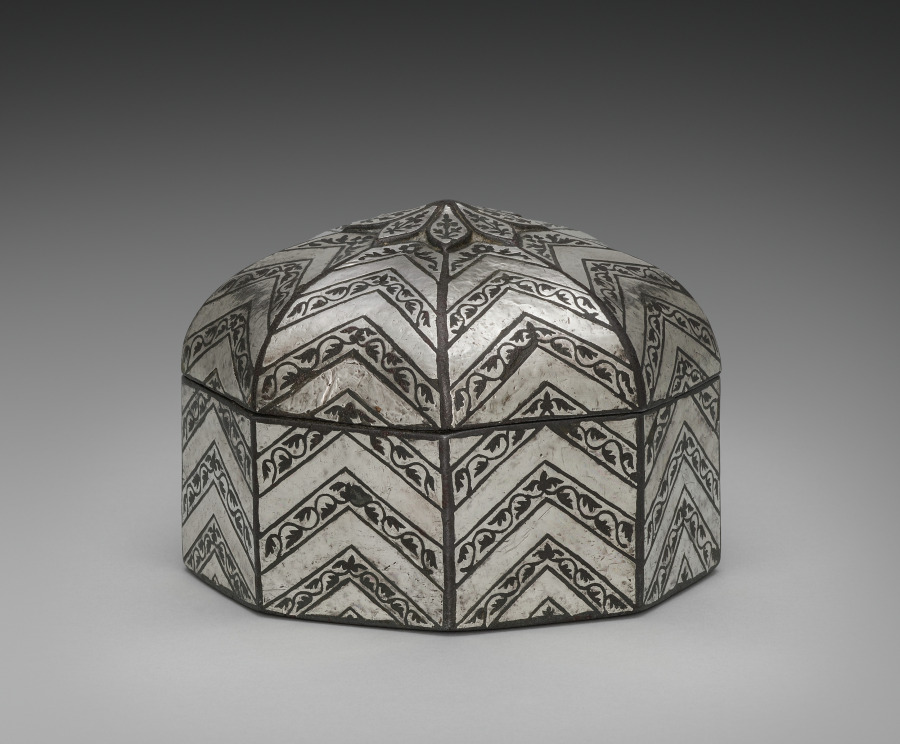
Bidri Pandan with Chevrons
Cleveland Museum of Art
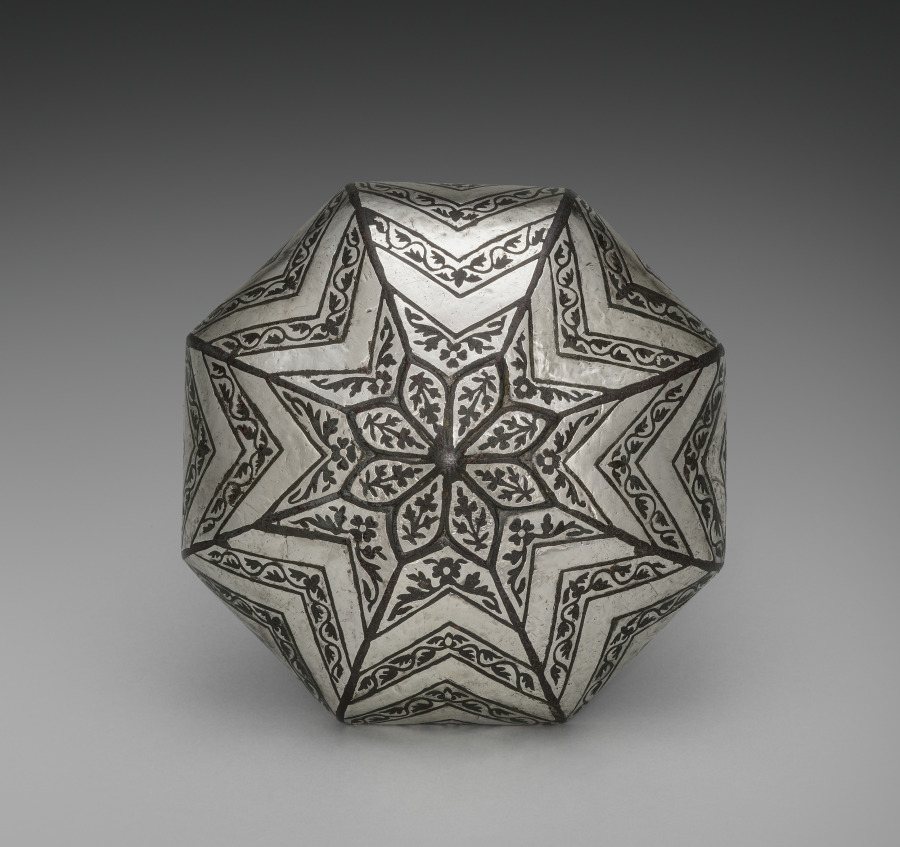
Lid for a Bidri Pandan with Chevrons
Cleveland Museum of Art
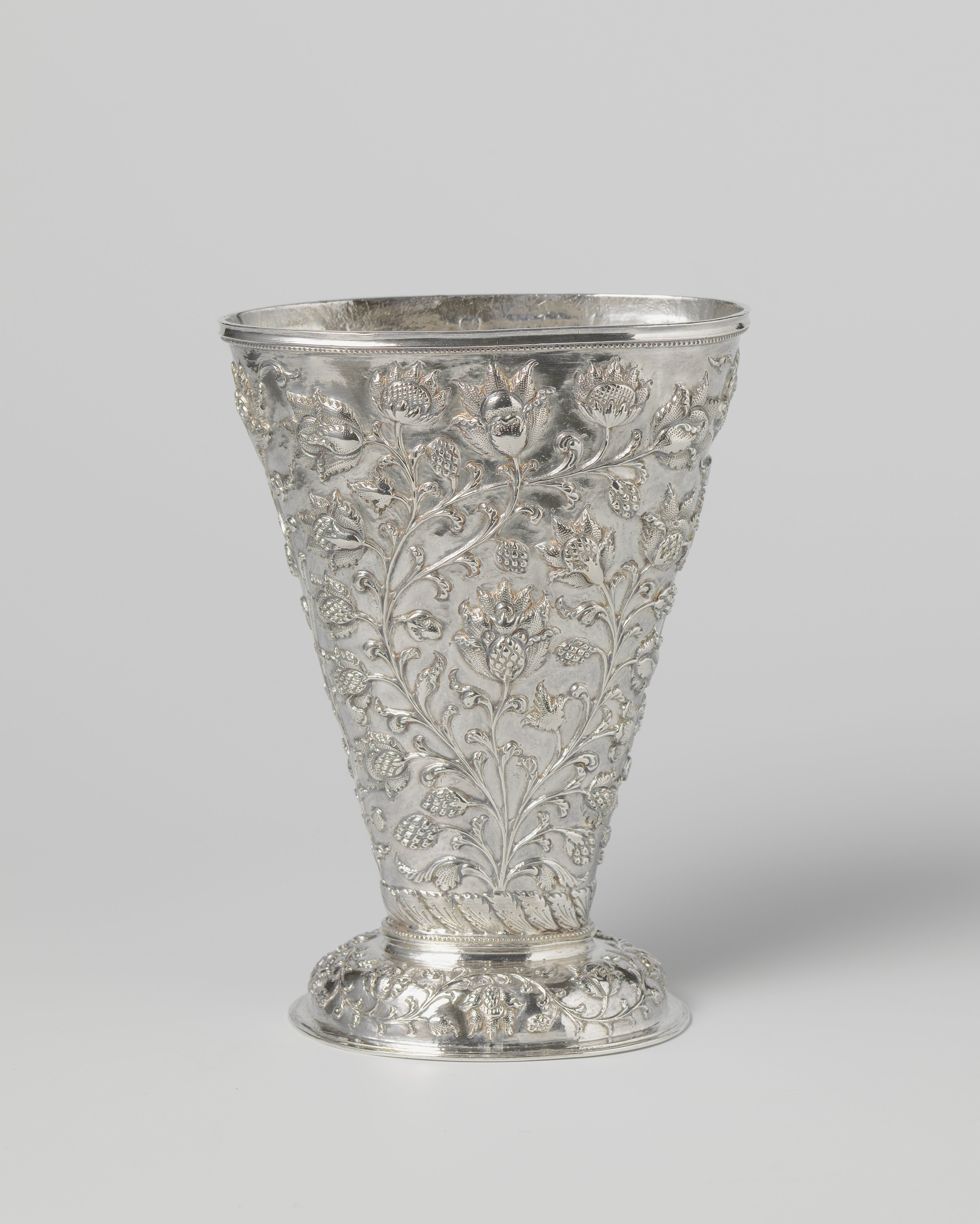
Betel holder
Rijksmuseum
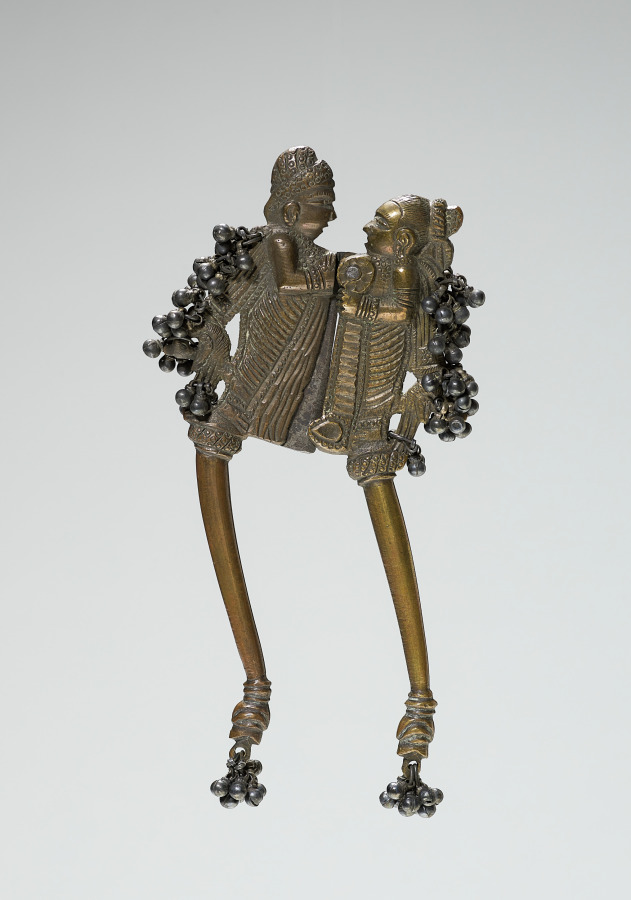
Betel Nut Cutter
Cleveland Museum of Art
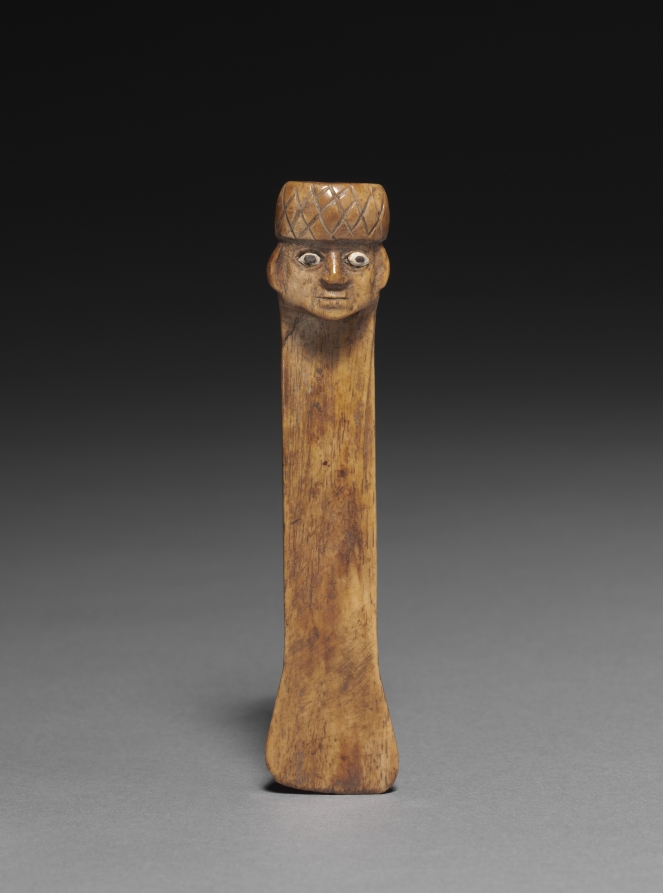
Spatula with Carved Head
Cleveland Museum of Art
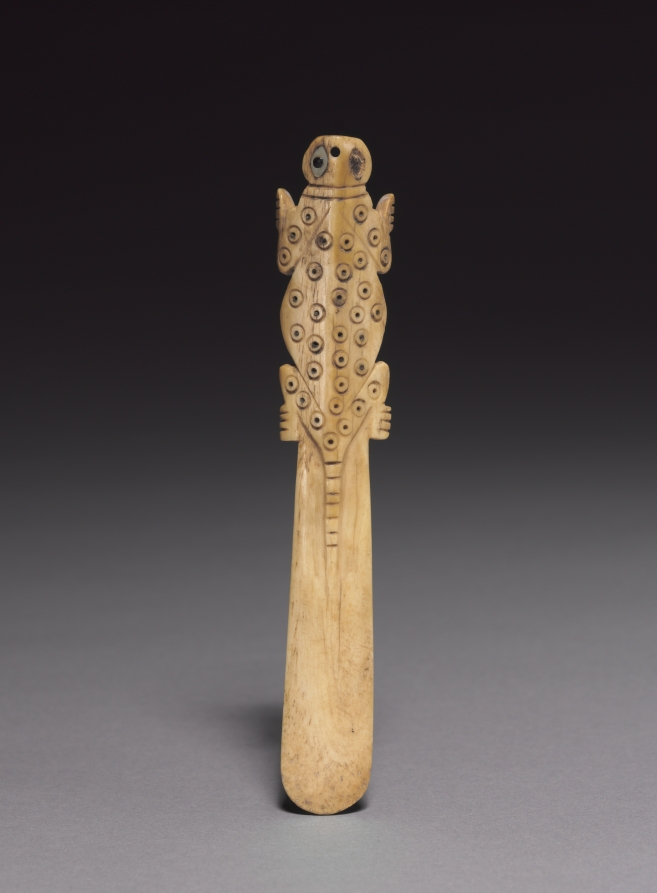
Spatula with Carved Lizard
Cleveland Museum of Art
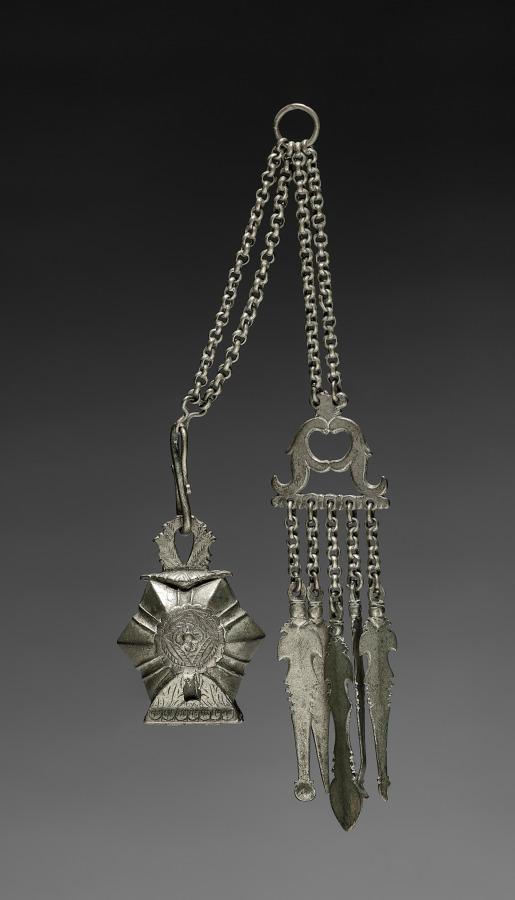
Betel-nut Holder and Chatelaine
Cleveland Museum of Art
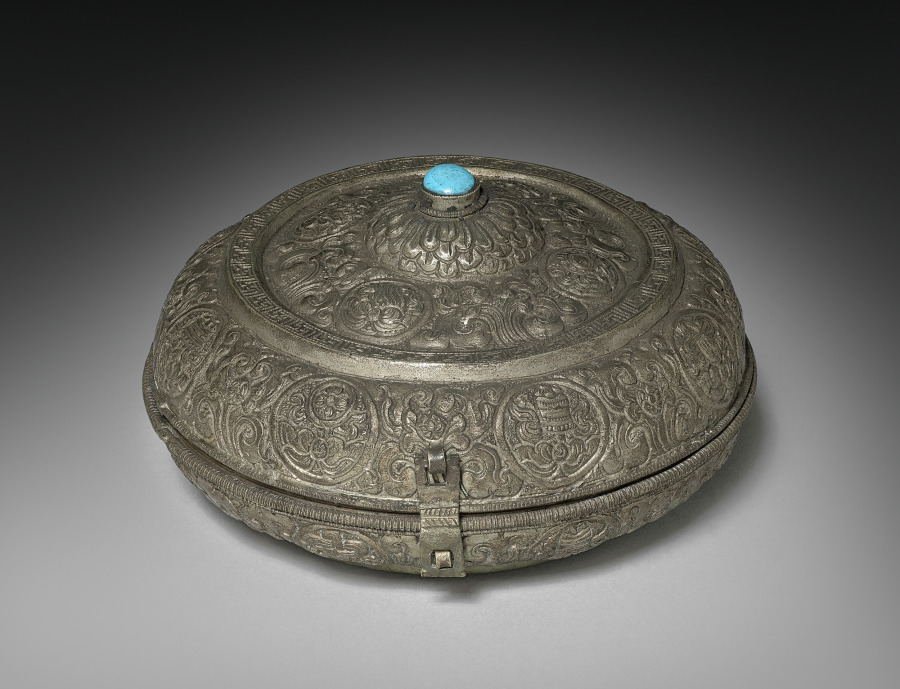
Betel Nut Box
Cleveland Museum of Art