
Minneapolis Institute of Art
Covered Incense Burner
China
- Date
- 19th century
- Medium
- Greenish-white nephrite
- Department
- Asian Art
- Institution
- Minneapolis Institute of Art
This elaborately carved incense burner is a classic example of Mughal or Indian-style jade carving. Muslim merchants from India often acted as middlemen in the jade trade between Turkestan, Burma and China. Certain types of carved jade and silver vessels manufactured in India and popular in the Mughal courts found their way to China. The Indian floral and tendril motifs, along with a preference for openwork and thinly walled vessels influenced Chinese carvers, who responded by incorporating these motifs and techniques into some of their own work, like this censer. Although it takes the shape of an ancient Chinese bronze vessel called a tui and a coiled dragon surmounts the lid, the extensive use of chrysanthemum motifs, the thin walls and the elaborate pierce-work of the cover evoke the Indian-style. Asia
The authoritative record is held by Minneapolis Institute of Art. LinkedCulture surfaces this object and its connections; it does not alter institutional metadata.
Related across collections
Semantically similar works from Minneapolis Institute of Art and other institutions.

Covered Incense Burner
Minneapolis Institute of Art

Incense burner
Minneapolis Institute of Art

Covered incense burner
Minneapolis Institute of Art

Incense Burner in the Form of a Ding Vessel
Minneapolis Institute of Art
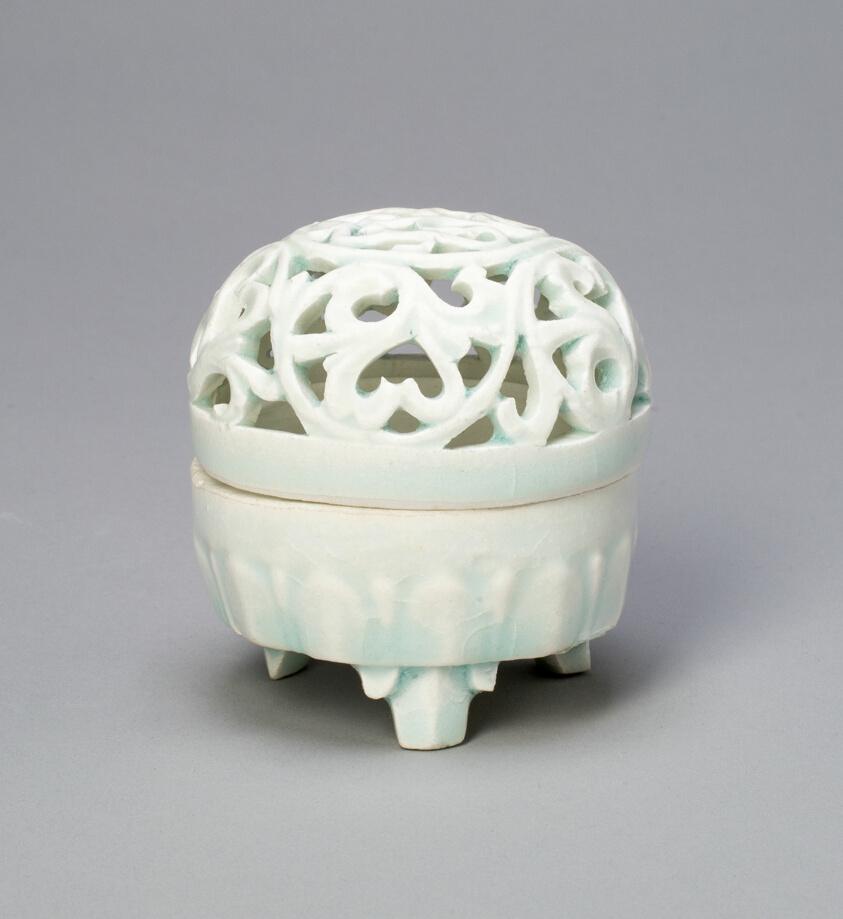
Covered Tripod Incense Burner (Censer) with Foliate Scrolls and Leafy Tendrils
Art Institute of Chicago

Covered Vase
Minneapolis Institute of Art

Censer with stand
Minneapolis Institute of Art
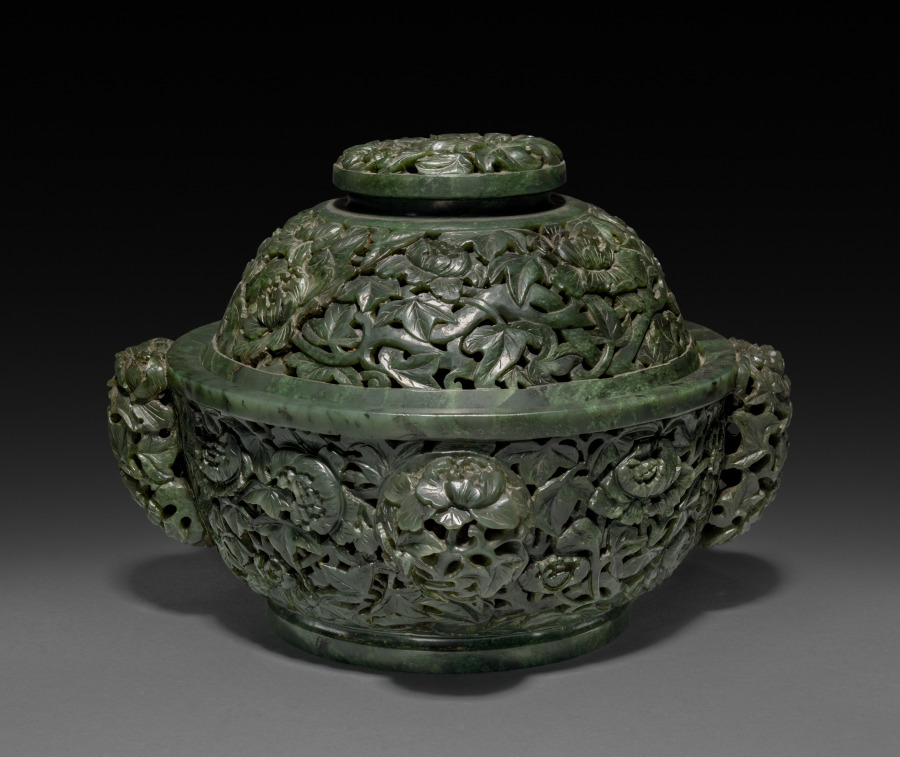
Fragrance Container
Cleveland Museum of Art
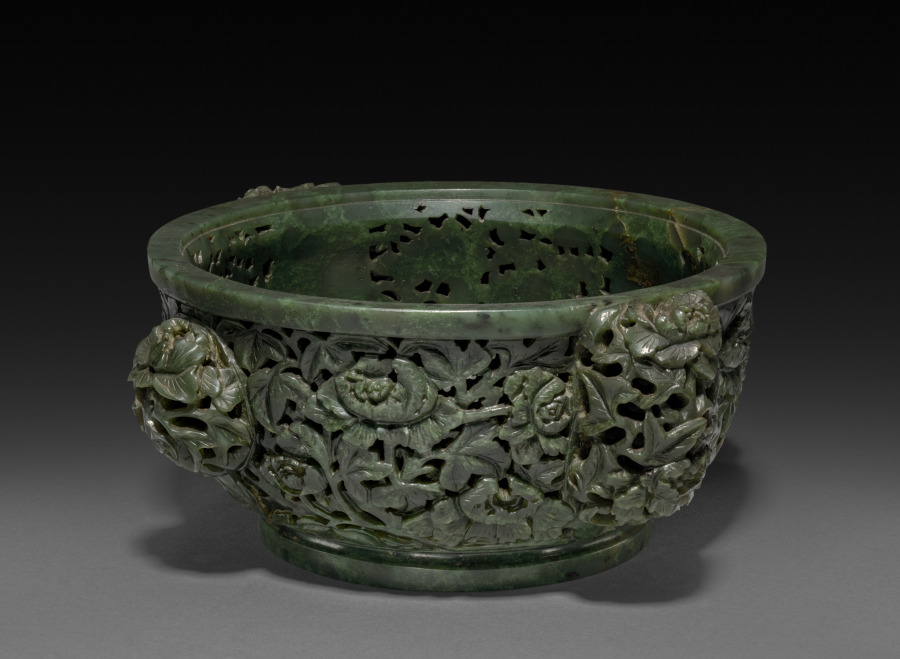
Fragrance Container
Cleveland Museum of Art

Covered Vase
Minneapolis Institute of Art

Covered Vase
Minneapolis Institute of Art
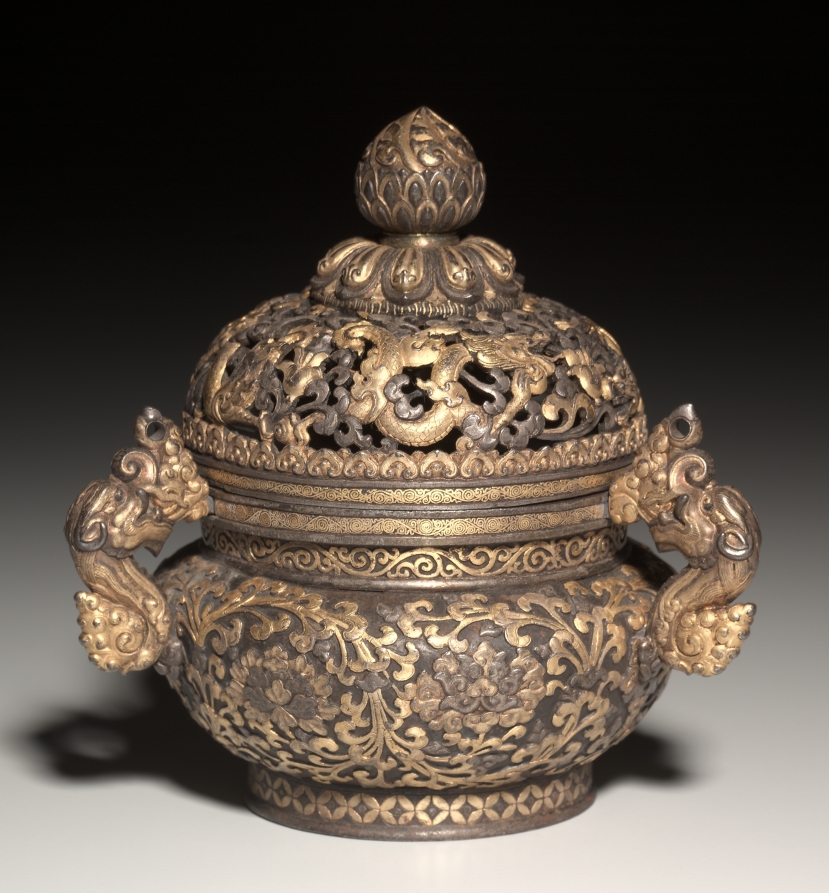
Incense Burner
Cleveland Museum of Art