
Minneapolis Institute of Art
Hot-water kettle
Manufacturer: Leeds Pottery
- Date
- c. 1770
- Medium
- Glazed earthenware (creamware) with manganese decoration
- Department
- European Art
- Institution
- Minneapolis Institute of Art
This kettle was most likely for pouring hot water into teapots. The double twist branch-shaped handles that terminate in stylized leaves, and the molded female mask under the spout, are characteristic of ceramics made by the Leeds Pottery. Leeds was known for its production of creamware, which is a particular type of earthenware also called Queen's ware because the creamy color was greatly admired by Queen Charlotte. The blending of naturalism and asymmetry were hallmarks of the rococo style, which was popular in England and America into the late 18th century, as seen in many object on view in this case. An interest in the geometric ideals of neoclassicism, which followed the rococo, is conveyed here in the striped banding of manganese slip or colored liquid clay. Europe
The authoritative record is held by Minneapolis Institute of Art. LinkedCulture surfaces this object and its connections; it does not alter institutional metadata.
Related across collections
Semantically similar works from Minneapolis Institute of Art and other institutions.
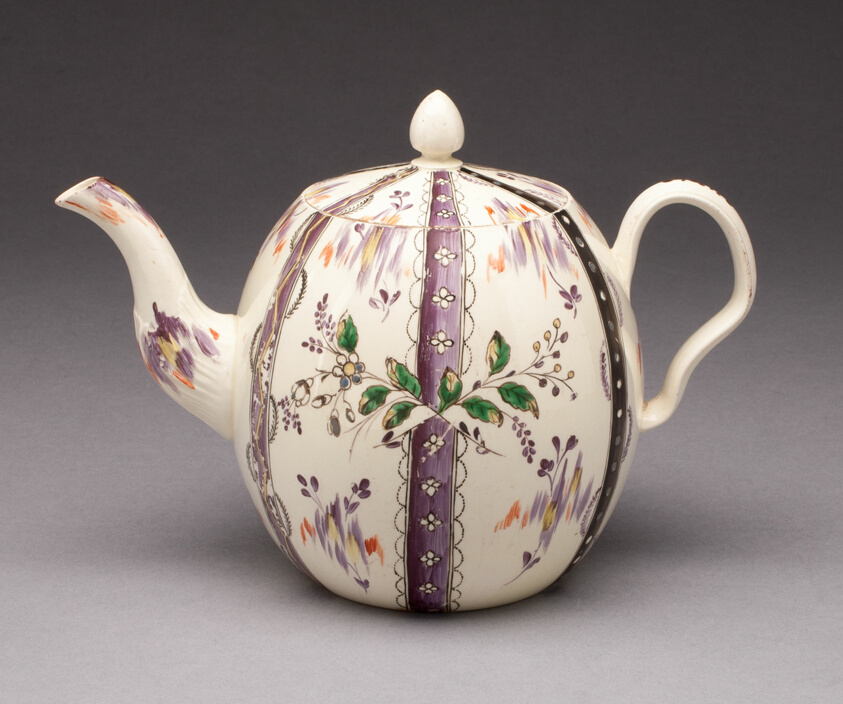
Teapot
Art Institute of Chicago
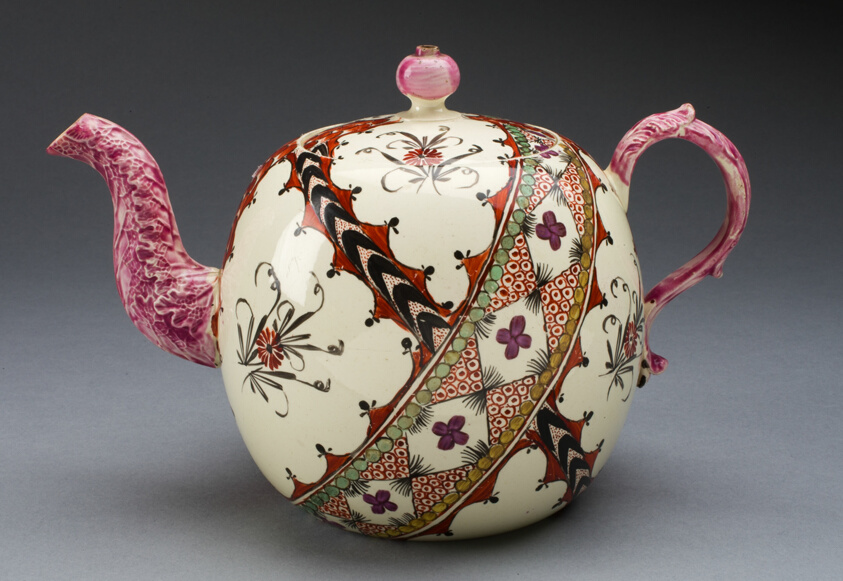
Teapot
Art Institute of Chicago
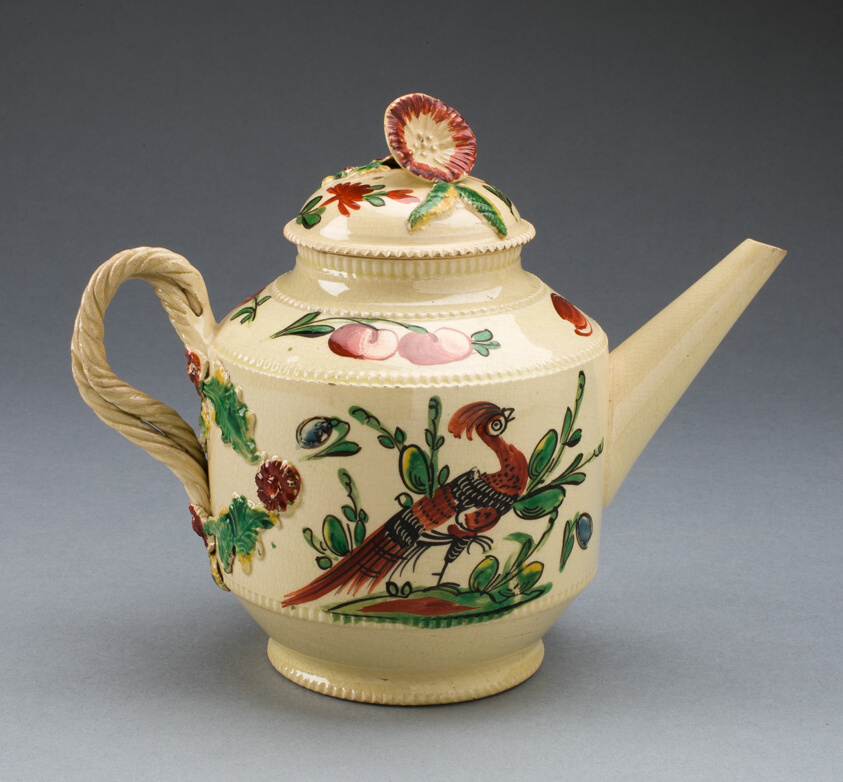
Teapot
Art Institute of Chicago
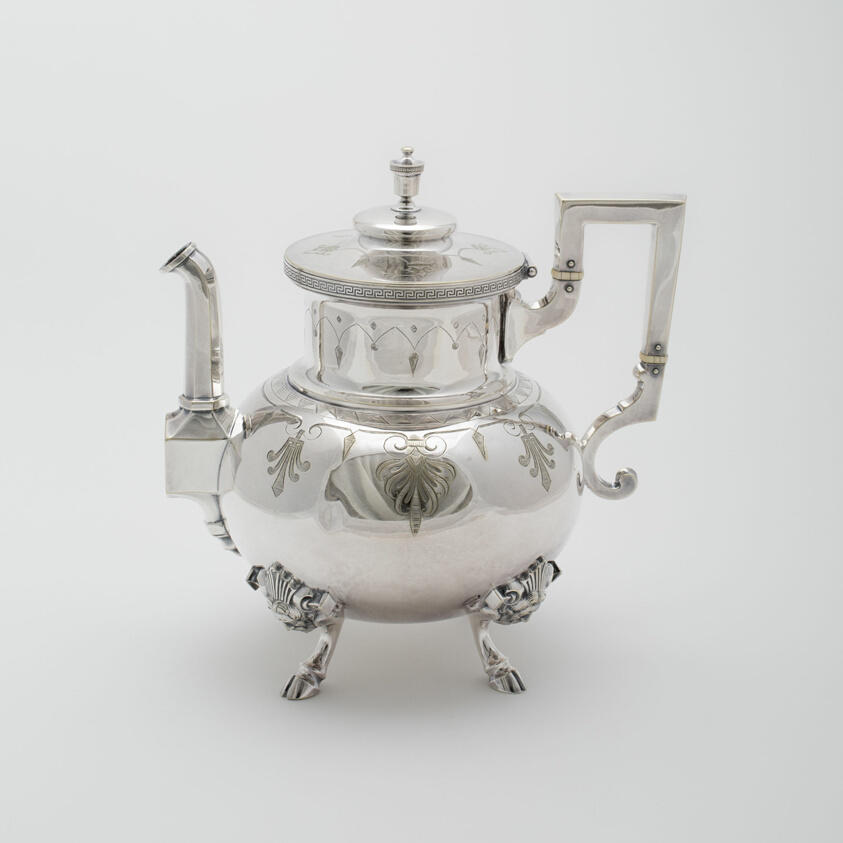
Hot Water Kettle, part of Tea and Coffee Set
Art Institute of Chicago

Tea kettle with warming stand
Minneapolis Institute of Art
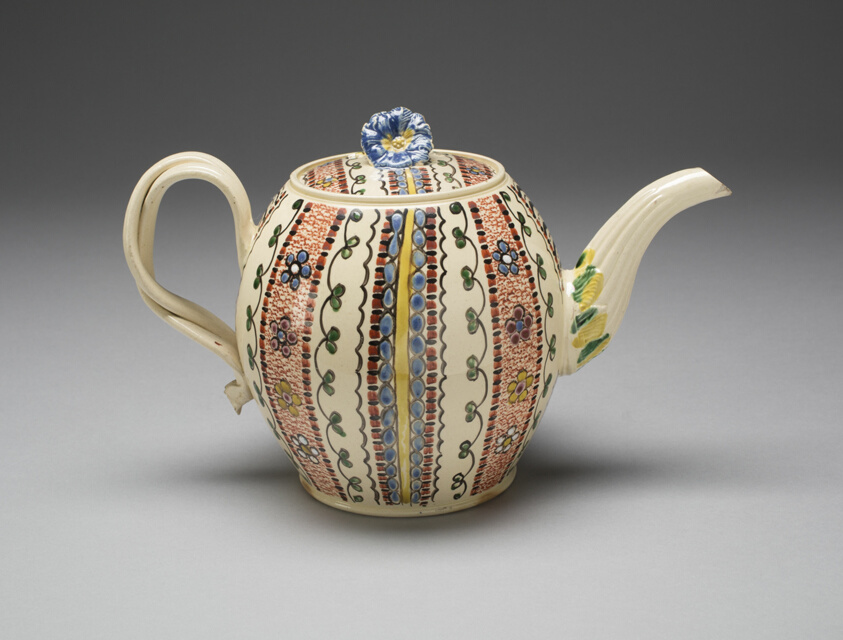
Teapot
Art Institute of Chicago
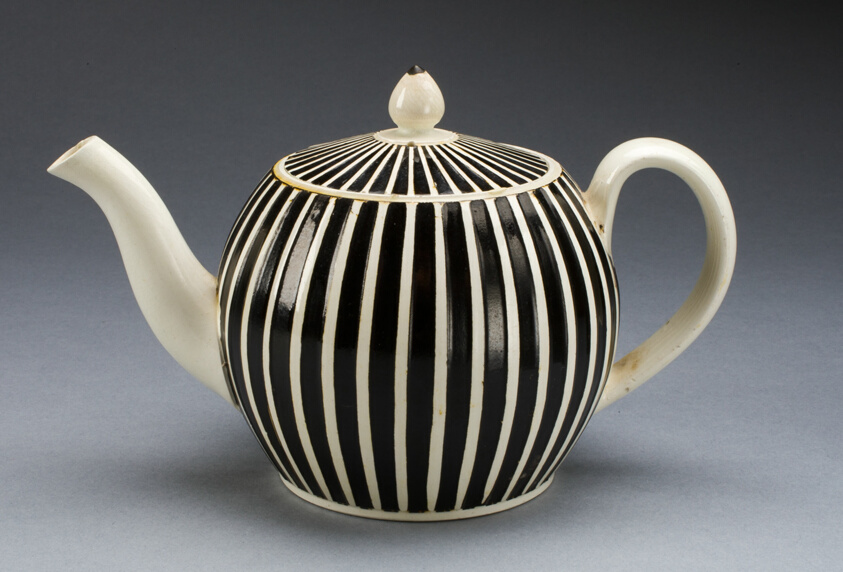
Teapot
Art Institute of Chicago
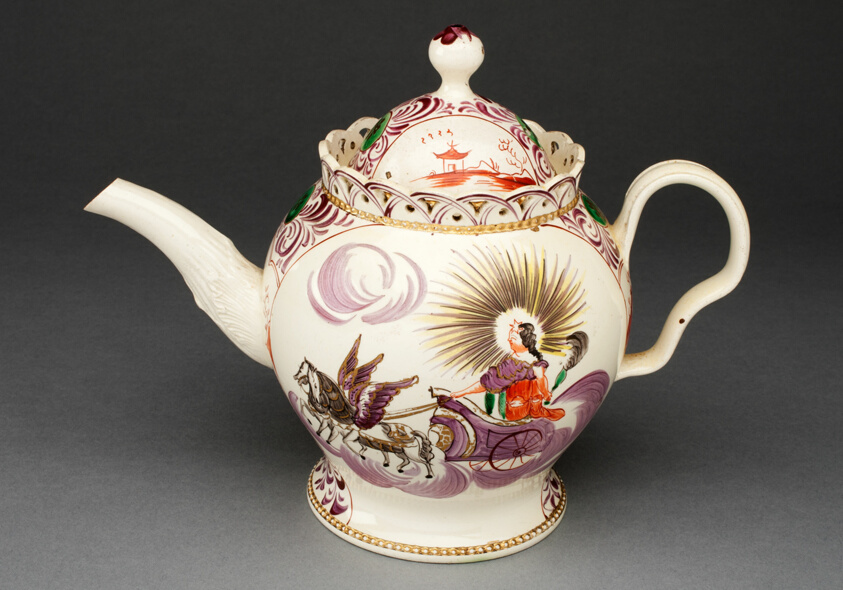
Teapot Depicting Aurora in a Chariot
Art Institute of Chicago
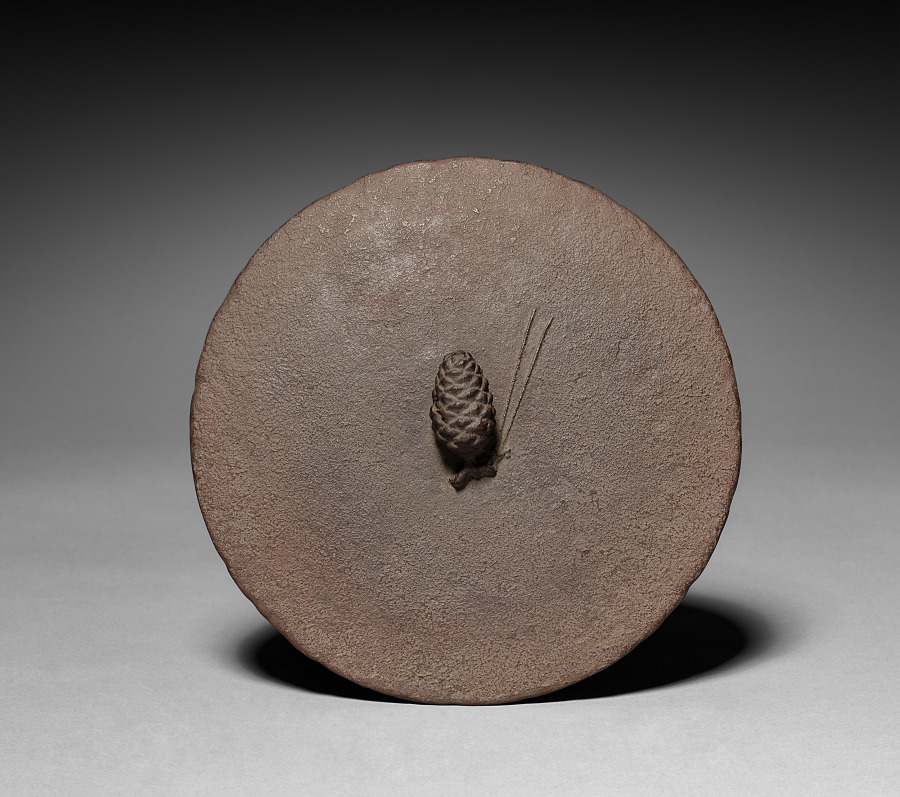
Kettle with Crane Design (lid)
Cleveland Museum of Art

Hot water kettle and stand from the coffee and tea service for Rockledge
Minneapolis Institute of Art

Teapot
Minneapolis Institute of Art
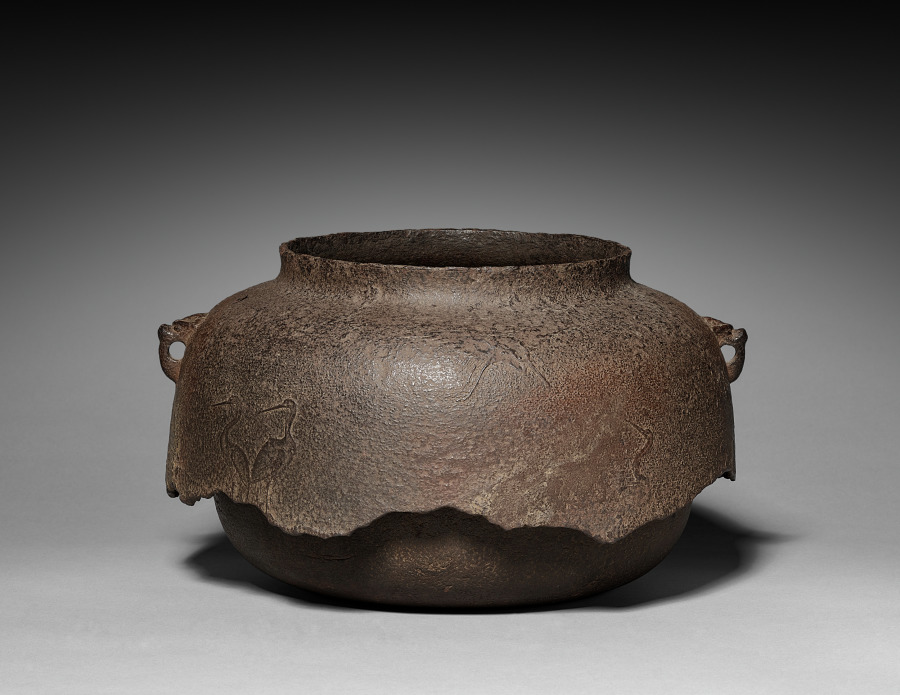
Kettle with Crane Design
Cleveland Museum of Art