
Minneapolis Institute of Art
Inkstick depicting the Eight Steeds
China
- Date
- Qianlong period, 1736–1795
- Medium
- Molded pine soot and animal glue
- Department
- Asian Art
- Institution
- Minneapolis Institute of Art
Chinese ink is a paste made from pine soot (lampblack), glue, and incense that, when pressed into molds and dried, forms solid cakes or sticks like this one. In this form, it can be stored indefinitely. Liquid ink was prepared by grinding the inkstick on a moistened stone slab while mixing it with water until achieving the desired blackness. By grinding their own ink, scholars could control its texture, quality, and translucency. The oldest surviving inkstick comes from a 3rd-century bce tomb in Hupei Province in east-central China. In the 17th and 18th centuries, commemorative inksticks were made for special occasions, given as gifts, and collected by connoisseurs. This stick bears an 18th-century date and images of the Eight Steeds of King Mu Wang, who ruled China during the 10th century BCE. Asia
The authoritative record is held by Minneapolis Institute of Art. LinkedCulture surfaces this object and its connections; it does not alter institutional metadata.
Related across collections
Semantically similar works from Minneapolis Institute of Art and other institutions.
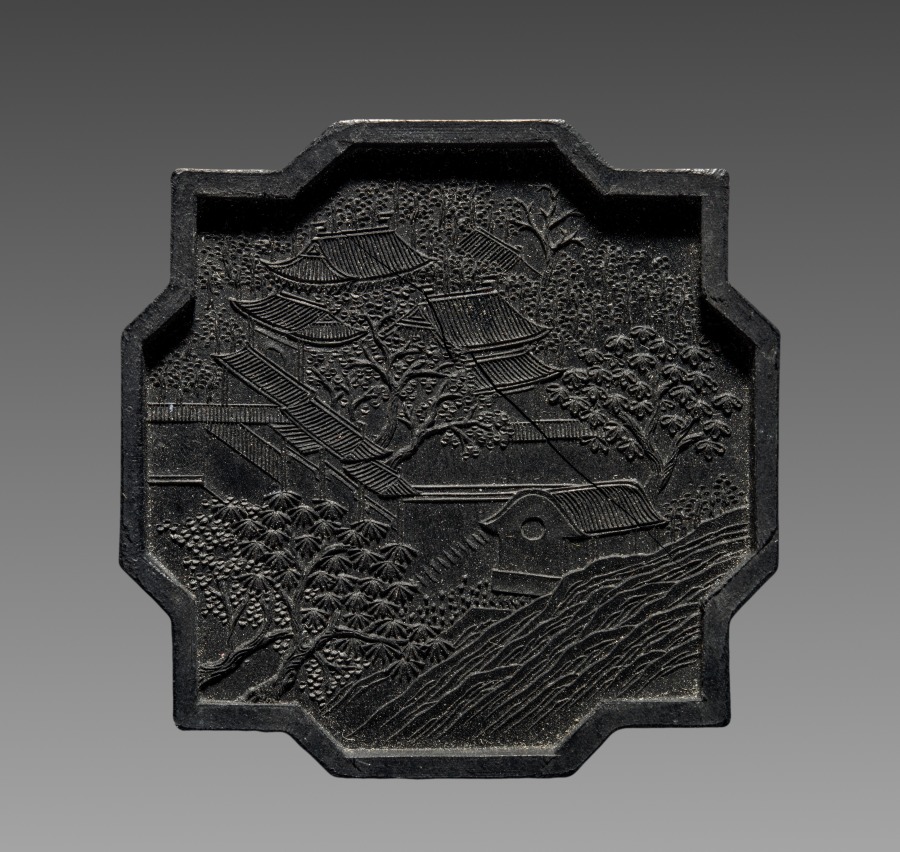
Ink Stick from an Imperially Commissioned Set of Ink Stick with Images and Poems of Famous West Lake Sites
Cleveland Museum of Art
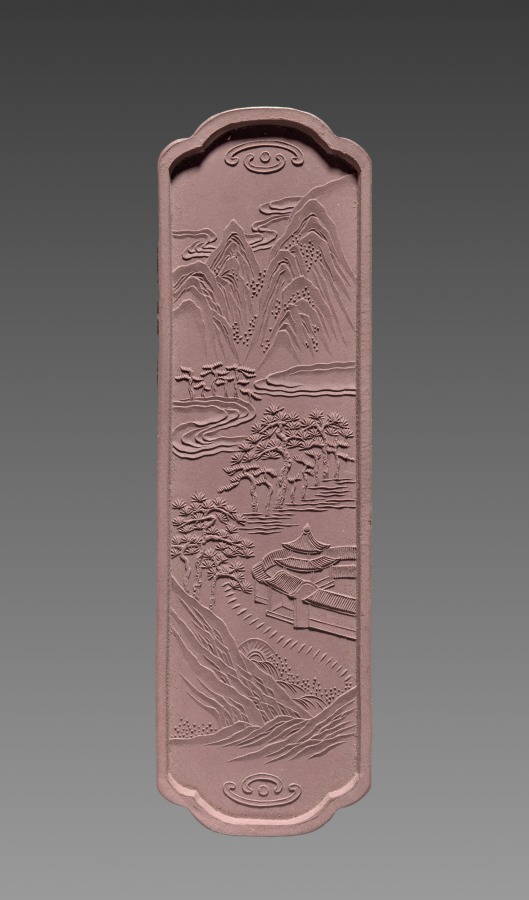
Ink Stick from an Imperially Commissioned Set of Ink Stick with Images and Poems of Famous West Lake Sites
Cleveland Museum of Art
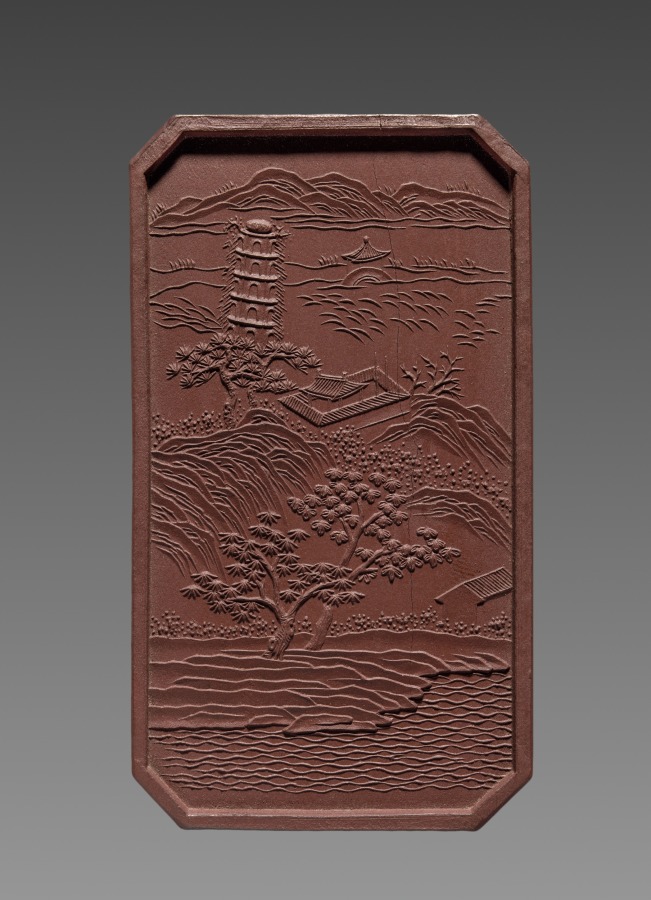
Ink Stick from an Imperially Commissioned Set of Ink Stick with Images and Poems of Famous West Lake Sites
Cleveland Museum of Art
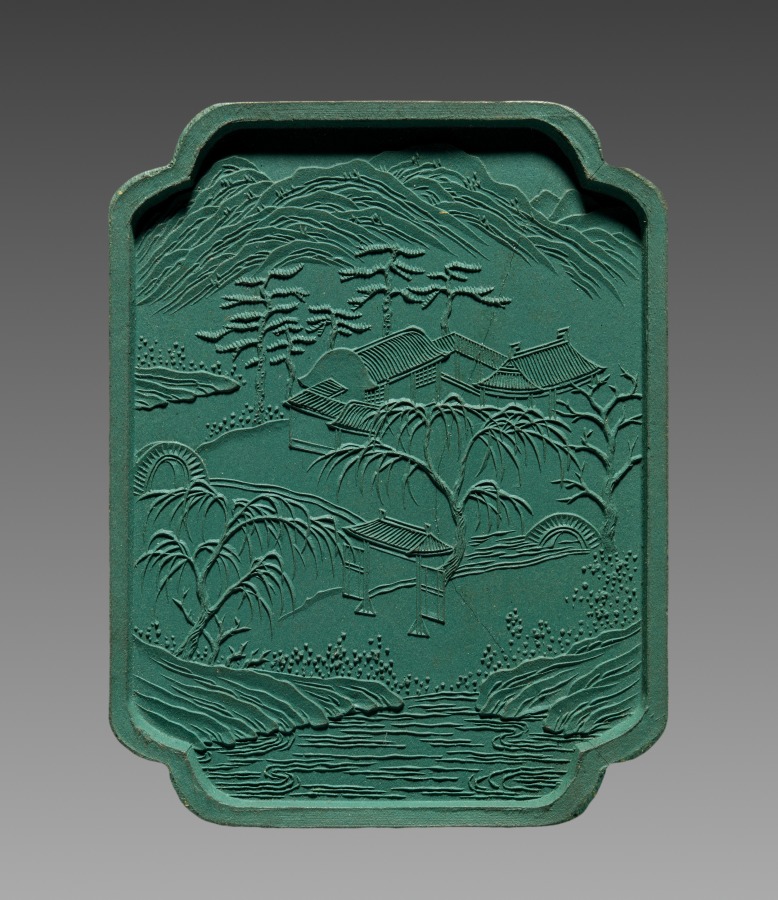
Ink Stick from an Imperially Commissioned Set of Ink Stick with Images and Poems of Famous West Lake Sites
Cleveland Museum of Art
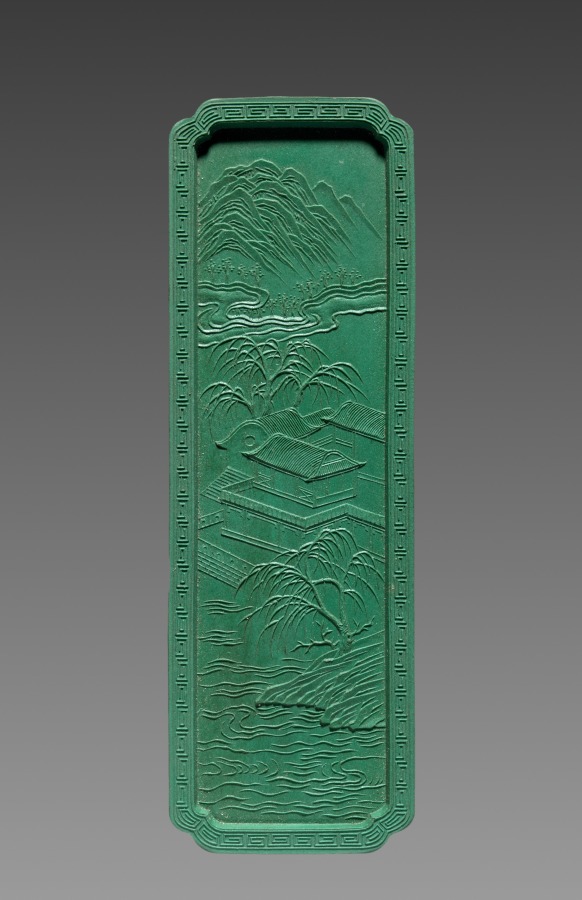
Ink Stick from an Imperially Commissioned Set of Ink Stick with Images and Poems of Famous West Lake Sites
Cleveland Museum of Art
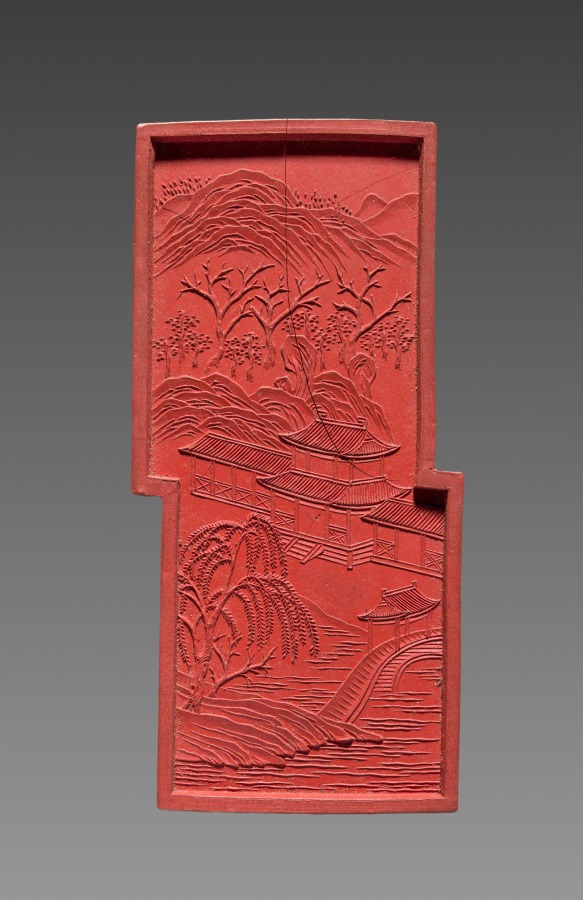
Ink Stick from an Imperially Commissioned Set of Ink Stick with Images and Poems of Famous West Lake Sites
Cleveland Museum of Art
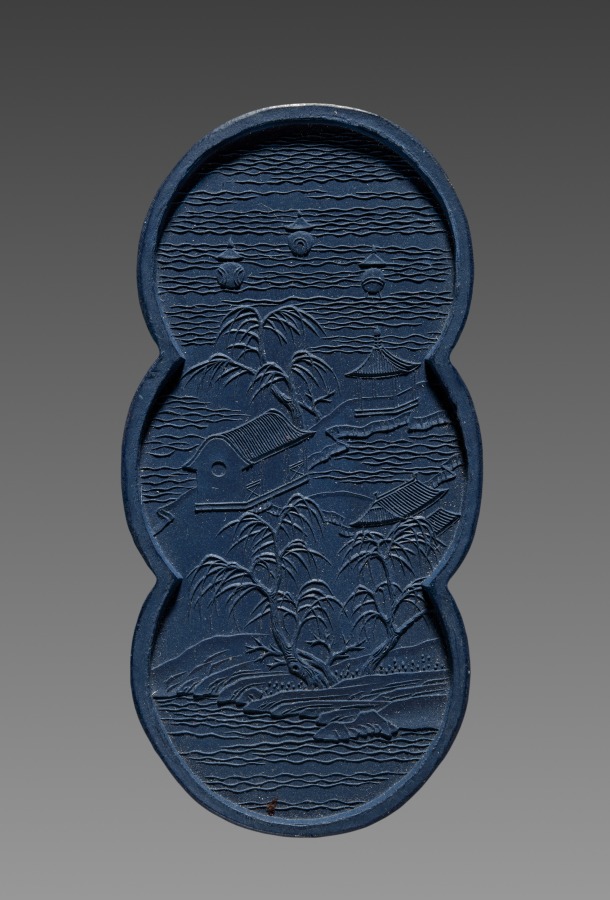
Ink Stick from an Imperially Commissioned Set of Ink Stick with Images and Poems of Famous West Lake Sites
Cleveland Museum of Art
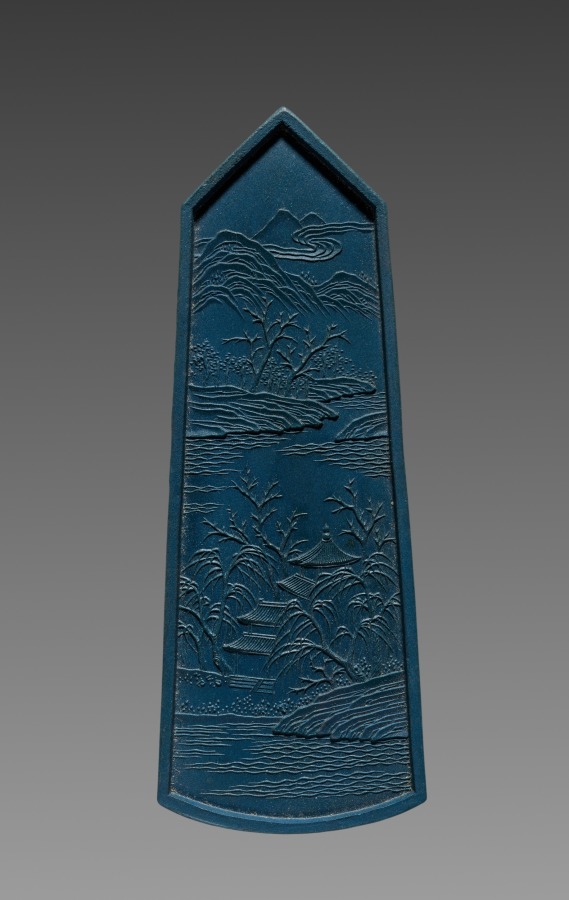
Ink Stick from an Imperially Commissioned Set of Ink Stick with Images and Poems of Famous West Lake Sites
Cleveland Museum of Art
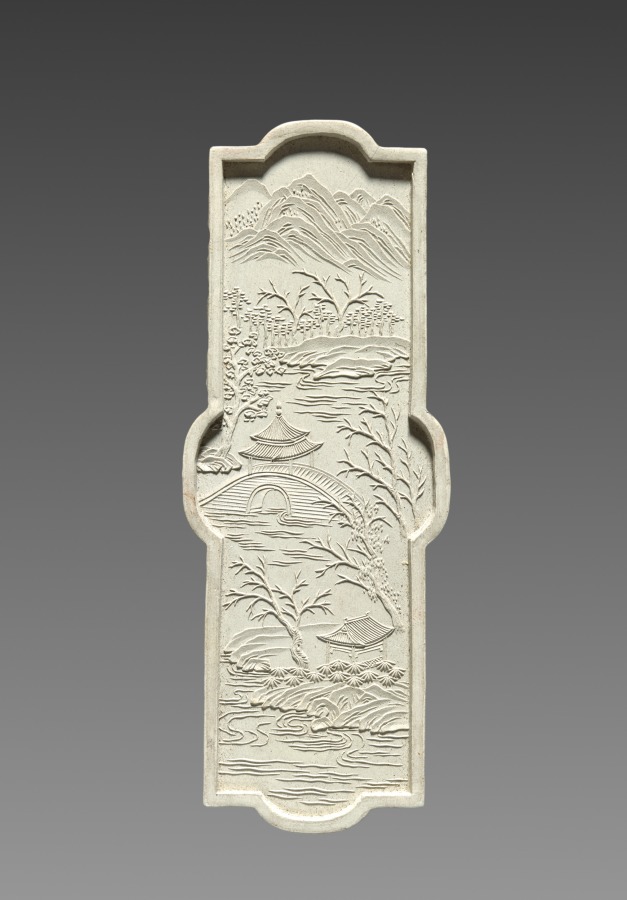
Ink Stick from an Imperially Commissioned Set of Ink Stick with Images and Poems of Famous West Lake Sites
Cleveland Museum of Art
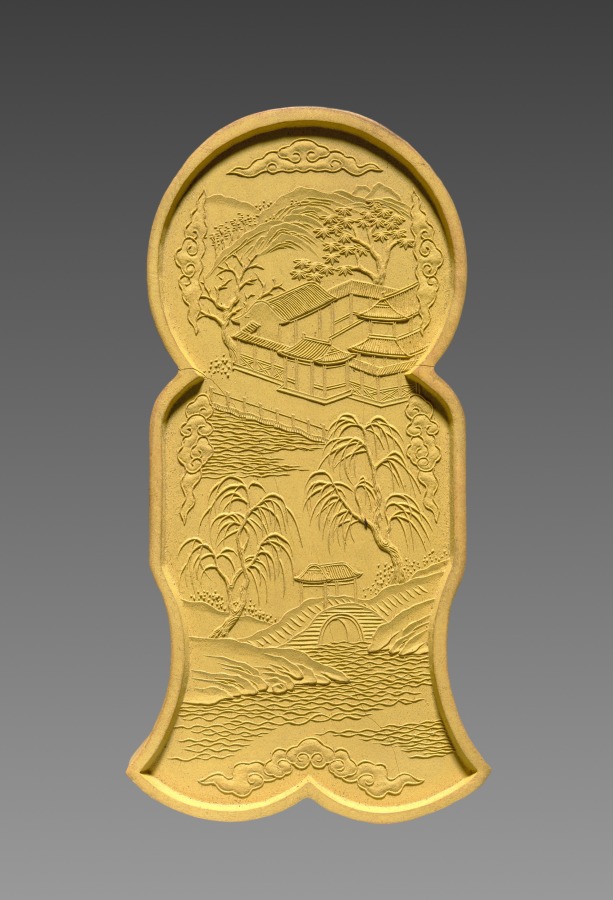
Ink Stick from an Imperially Commissioned Set of Ink Stick with Images and Poems of Famous West Lake Sites
Cleveland Museum of Art

Ink, one of a set of 16
Minneapolis Institute of Art
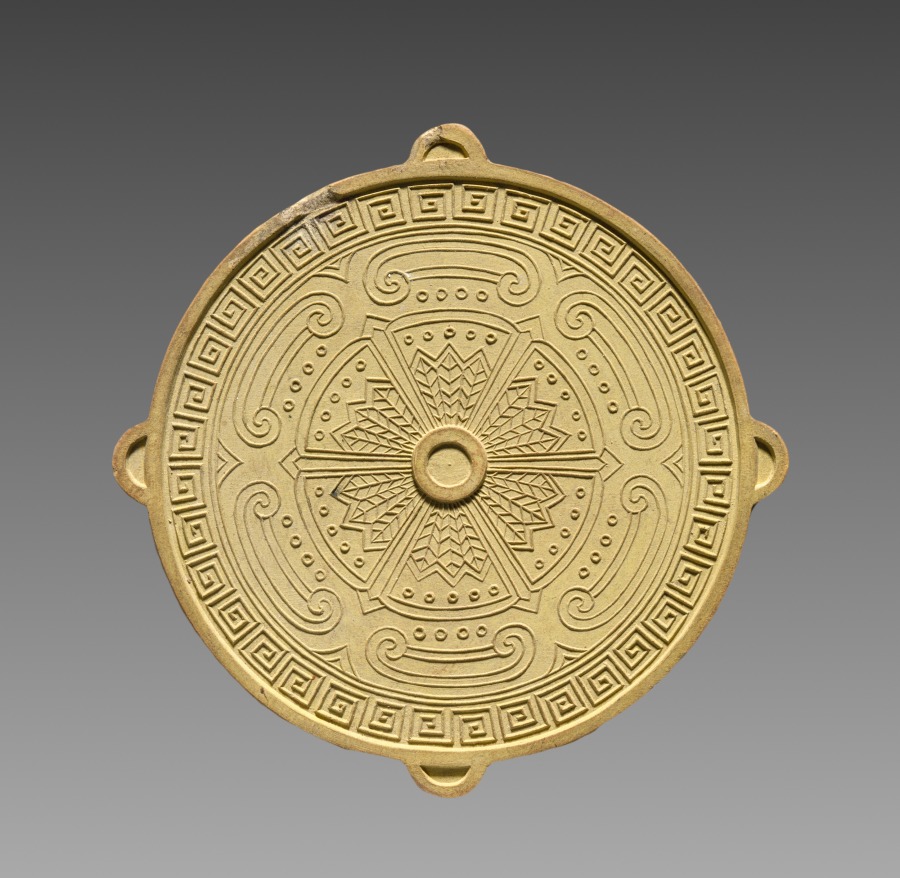
Box with Ink Cakes: Yellow Ink Stick in Shape of a Buddhist "Wheel of the Law"
Cleveland Museum of Art