
Minneapolis Institute of Art
Stool
Chokwe artist
- Date
- 19th-20th century
- Medium
- Wood, brass tacks, beads
- Culture
- Chokwe
- Department
- Arts of Global Africa
- Institution
- Minneapolis Institute of Art
Many African cultures, including the Chokwe, believe death is not an end, but merely a transition to the spirit world. Departed ancestors continue to play an active role in the life of the living, providing protection and guidance. The living try to ensure the good favor of their ancestors by respecting traditions and providing offerings of food and drink. The figure in these Chokwe stools is an ancestor holding her head in sorrow. She is worried that her descendents are not honoring her as they should and fears that they may be punished for their misdeeds. The brass tacks embellishing these stools signify that they were once owned by a king. The figure of the female ancestor carved in the stool symbolically supports the king, protecting his authority. Immense spiritual strength is accredited to women in African society and female figures are common in their art. This power comes from their ability to bear children, and thus ensure the continuance of their bloodline and culture. Democratic Republic of the Congo
The authoritative record is held by Minneapolis Institute of Art. LinkedCulture surfaces this object and its connections; it does not alter institutional metadata.
Related across collections
Semantically similar works from Minneapolis Institute of Art and other institutions.

Stool
Minneapolis Institute of Art
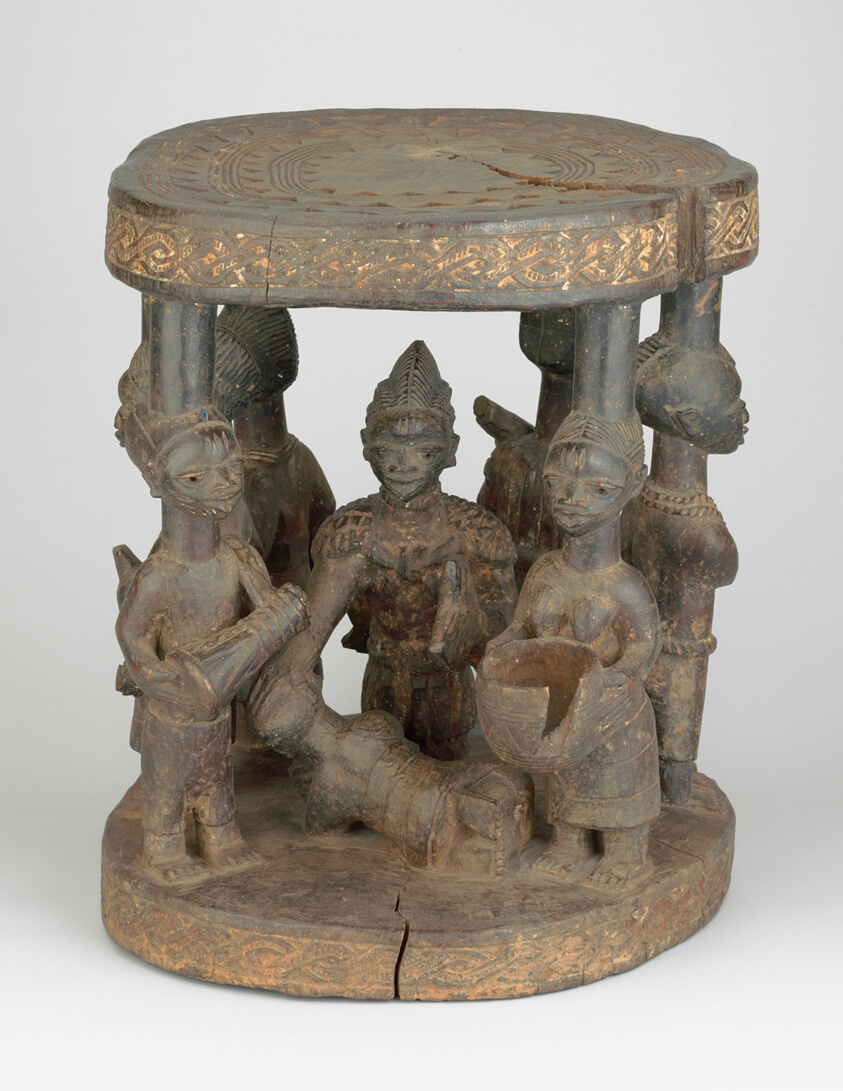
Altar Stool
Art Institute of Chicago

Stool
Minneapolis Institute of Art
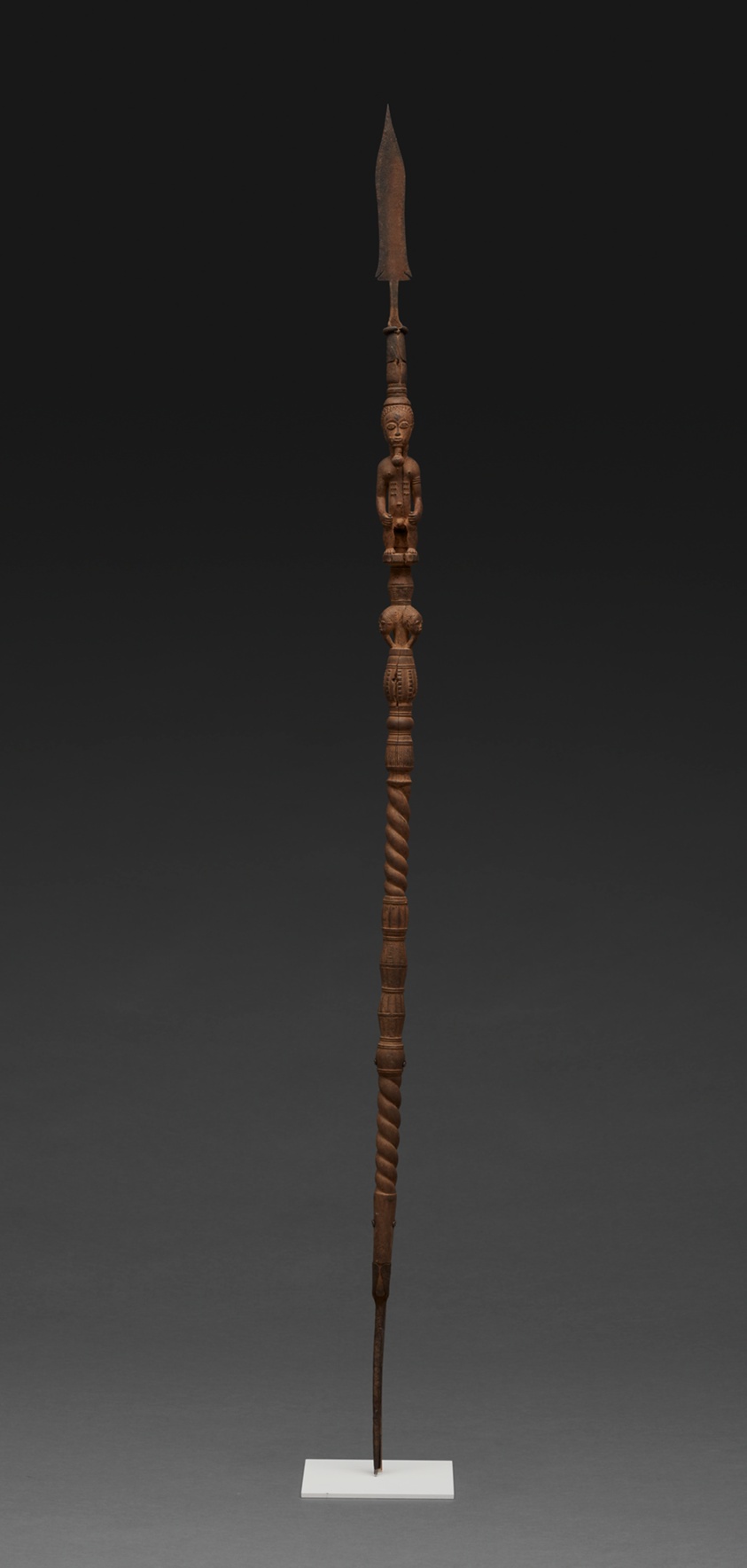
Figural Staff
Art Institute of Chicago

Figure
Minneapolis Institute of Art
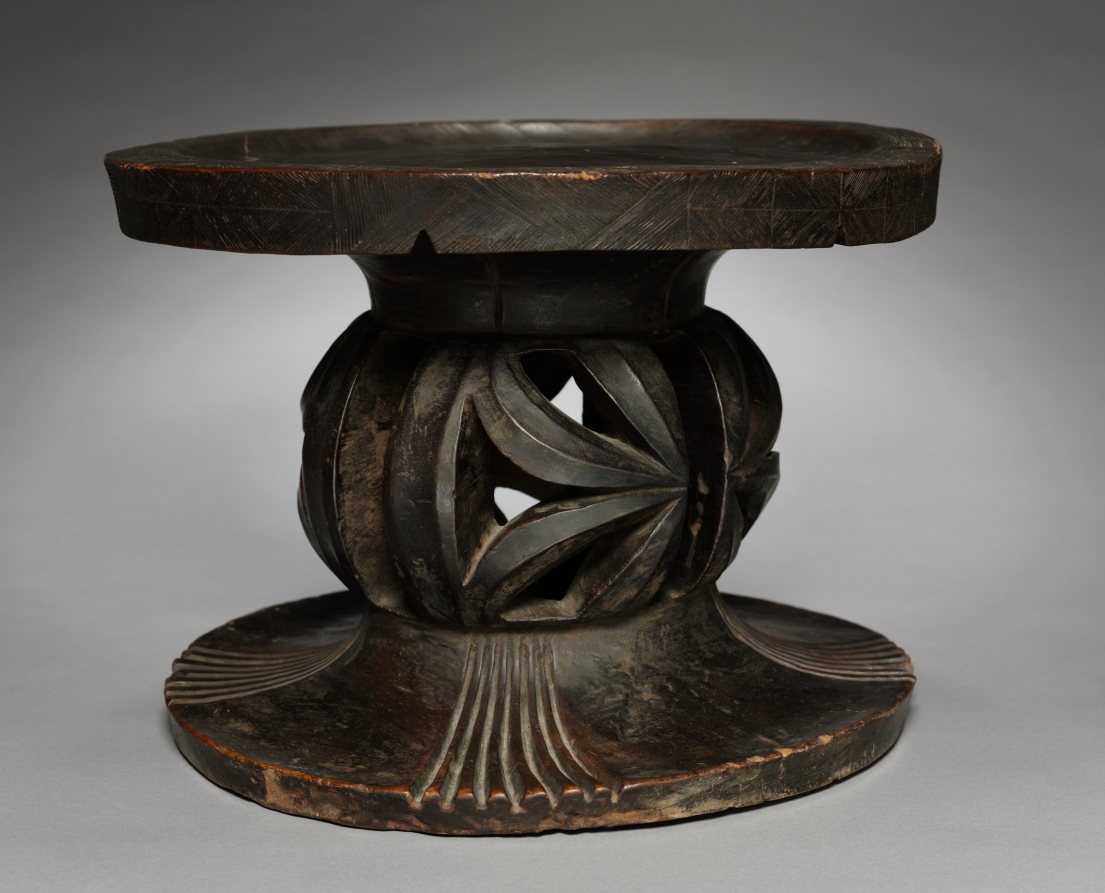
Stool
Cleveland Museum of Art
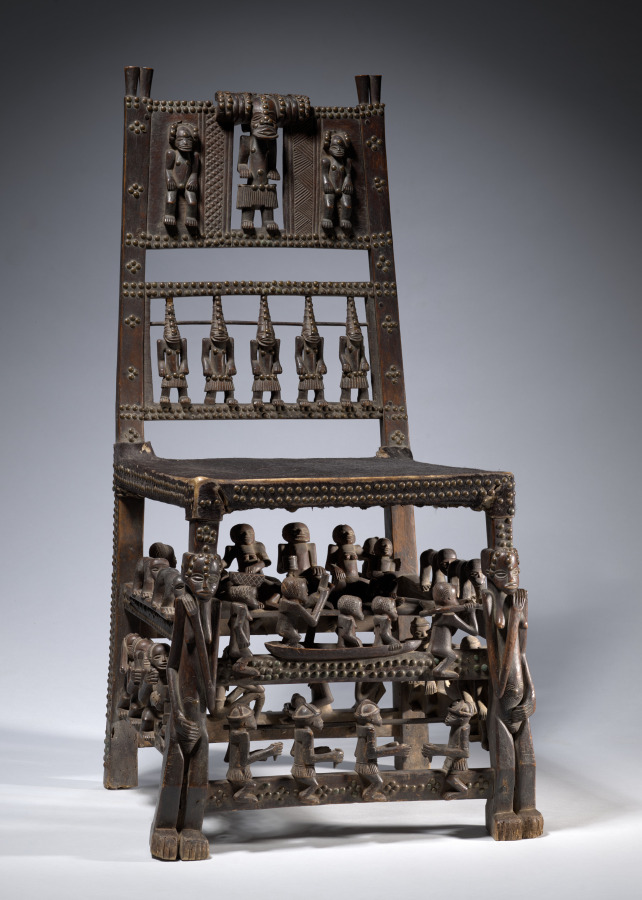
Ceremonial Chair or Throne (citwamo ca mangu)
Cleveland Museum of Art

Ancestor figure
Minneapolis Institute of Art
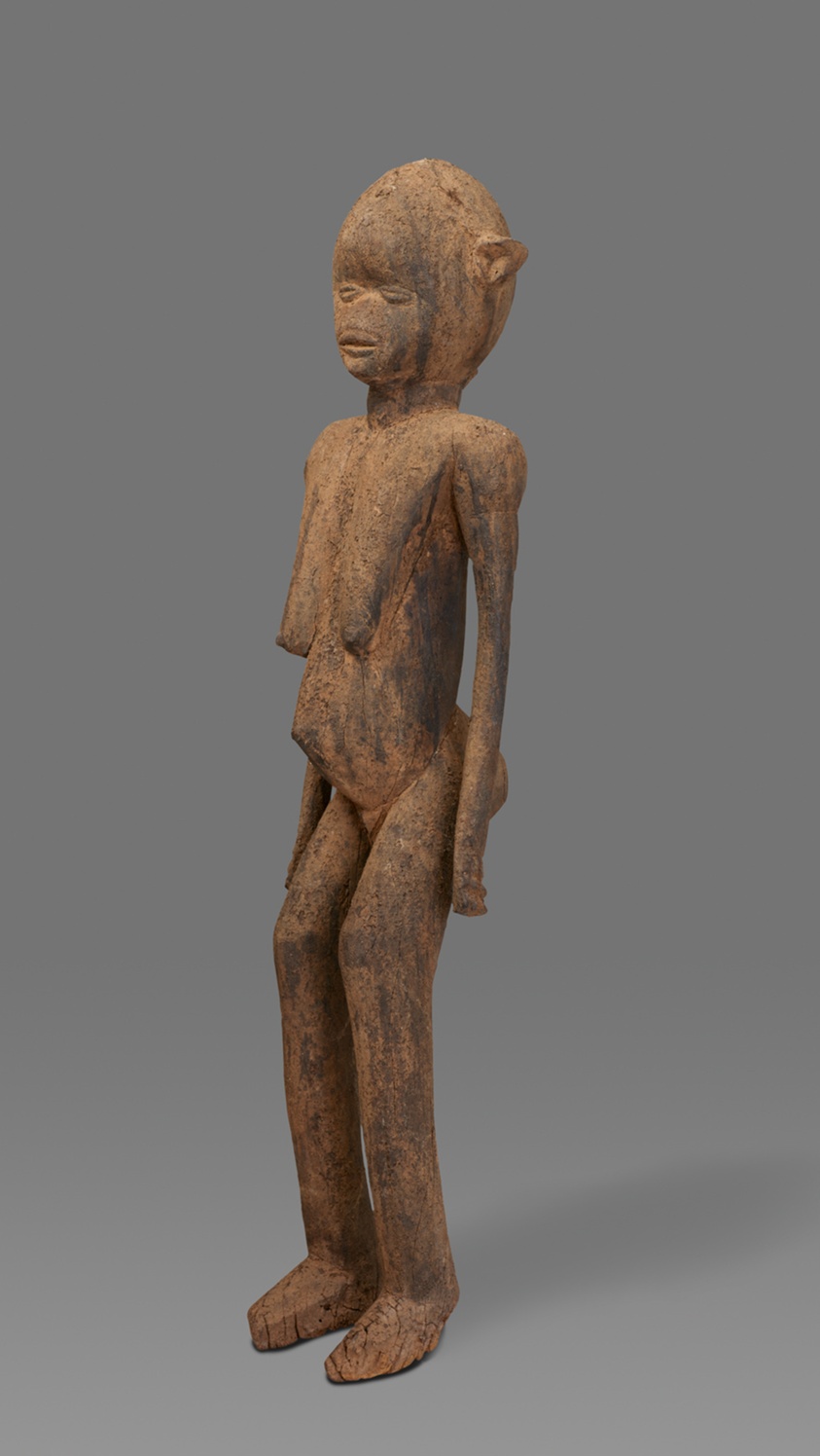
Female Figure (Bateba Phuwe)
Art Institute of Chicago
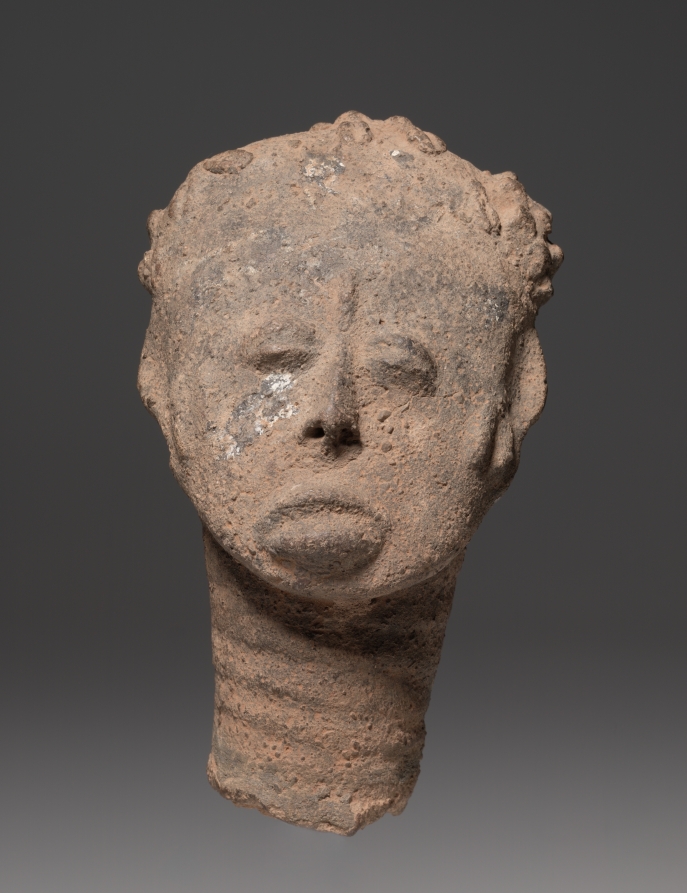
Figure
Cleveland Museum of Art

Male figure
Minneapolis Institute of Art

Headrest
Minneapolis Institute of Art