
Minneapolis Institute of Art
Flask
Korea
- Date
- 17th century
- Medium
- White porcelain
- Department
- Asian Art
- Institution
- Minneapolis Institute of Art
From the founding of the Joseon dynasty at the end of the 1300s, Korean potters produced finely crafted, undecorated white porcelain wares that reflected the austere tastes associated with Confucianism, the official ideology of the Joseon rulers. King Sejong (1397–1450) is said to have been served only from pure white vessels. This flask, from the 1600s, was used to decant liquor. Potters produced such flasks by throwing two platelike shapes on the wheel, and then joining them together, rim to rim. Afterward, they attached a spout and foot ring. The very thinly applied celadon glaze allows the brightness of the porcelain to show through. Only in areas where the glaze is thicker can we see its cool, greenish-blue hue. Asia
The authoritative record is held by Minneapolis Institute of Art. LinkedCulture surfaces this object and its connections; it does not alter institutional metadata.
Related across collections
Semantically similar works from Minneapolis Institute of Art and other institutions.
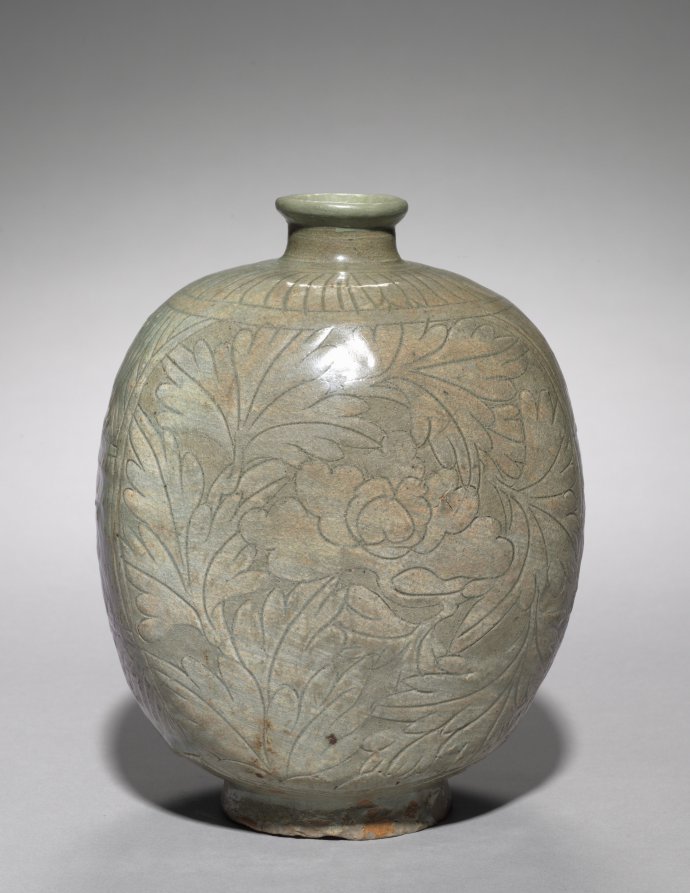
Wine Flask with Incised and Sgraffito Peony Design
Cleveland Museum of Art

White maebyeong
Minneapolis Institute of Art
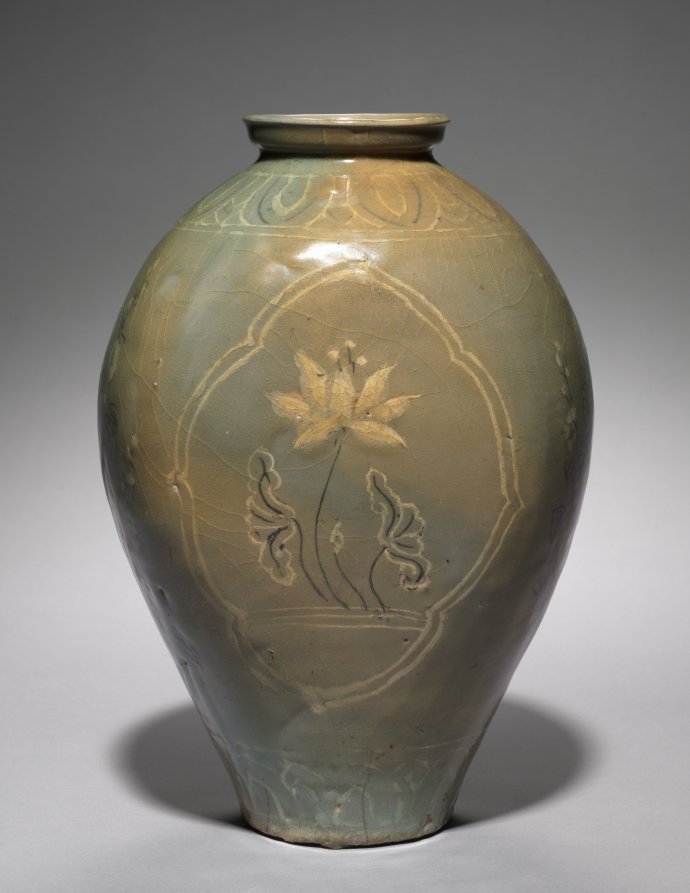
Flask with Inlaid Lotus Design
Cleveland Museum of Art
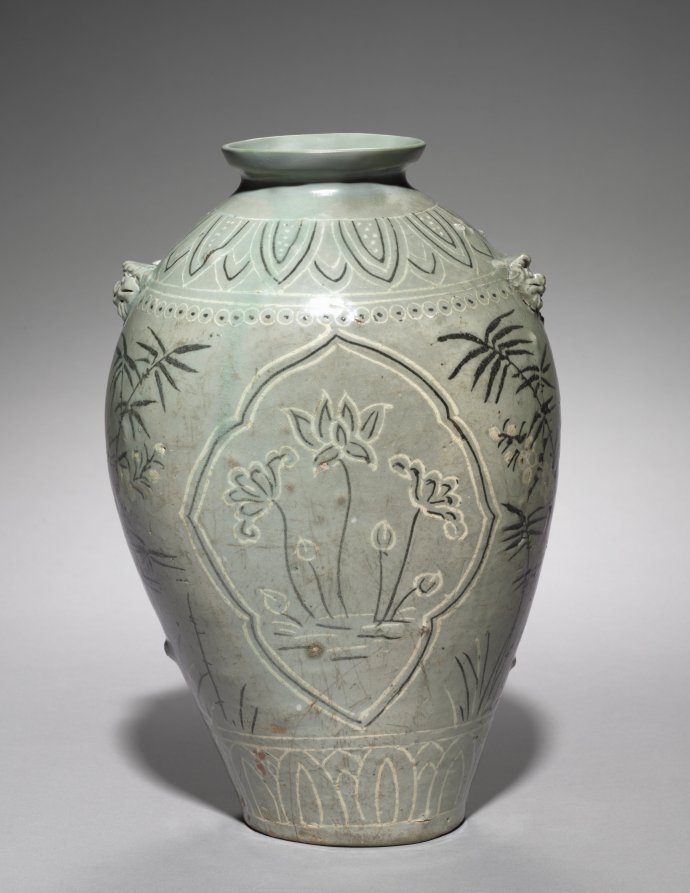
Vase with Inlaid Lotus, Plum, and Bamboo Design
Cleveland Museum of Art

Flask
Minneapolis Institute of Art
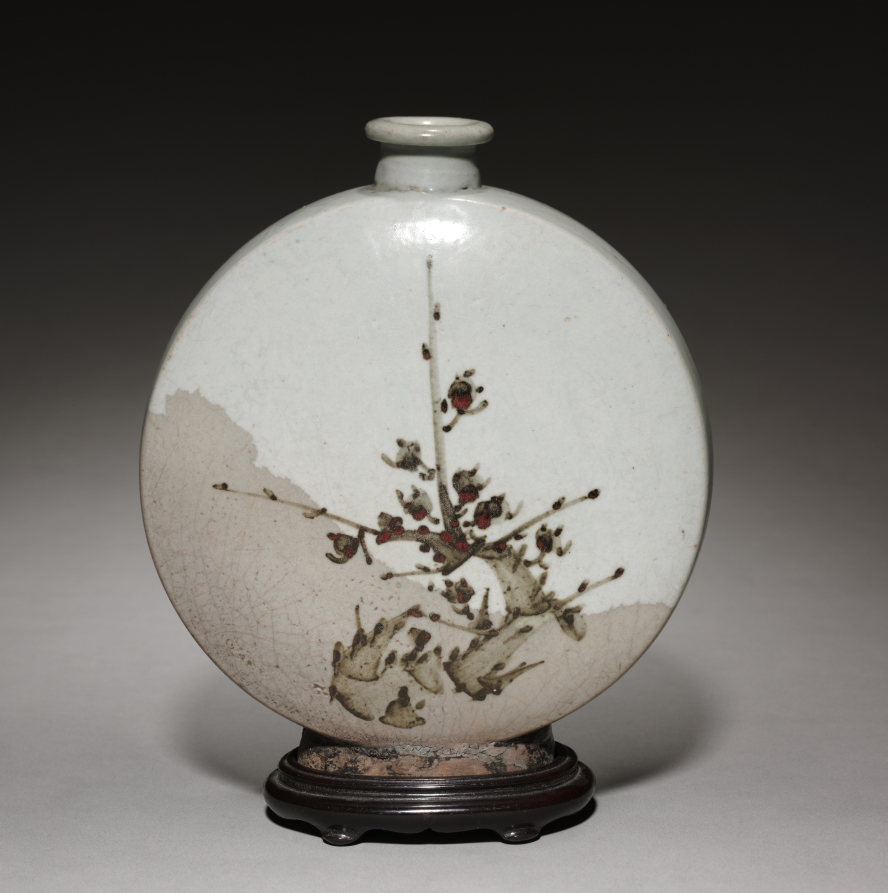
Wine Flask with Plum and Bamboo Design
Cleveland Museum of Art

Moon flask
Minneapolis Institute of Art
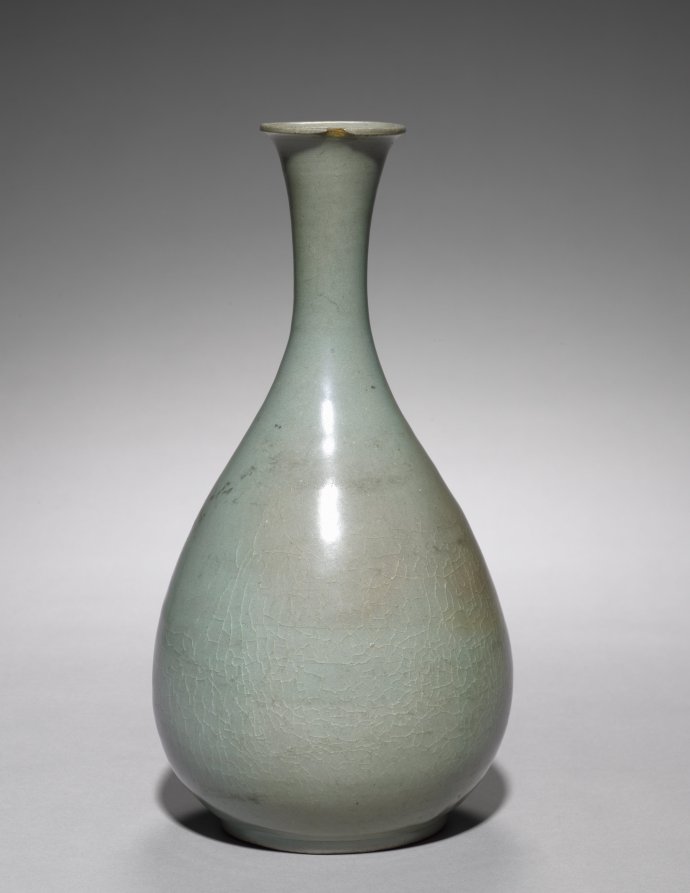
Bottle
Cleveland Museum of Art
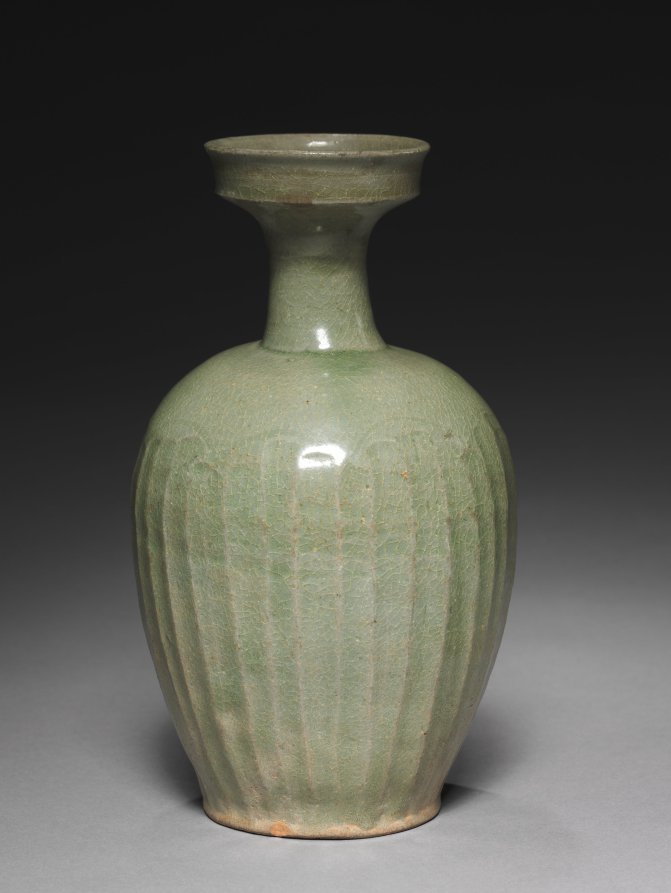
Wide-Mouthed Vase
Cleveland Museum of Art
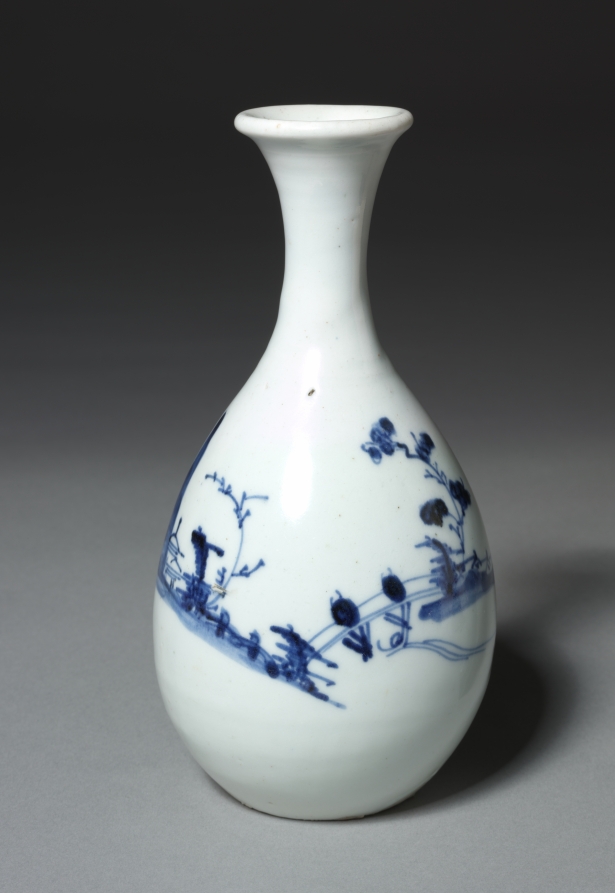
Sake Bottle
Cleveland Museum of Art
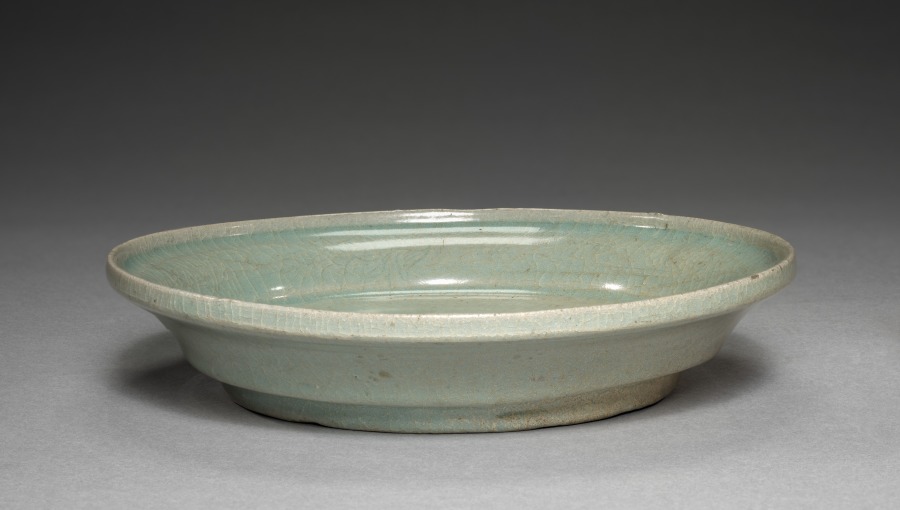
Bowl and Saucer with Incised Lotus and Peony Design
Cleveland Museum of Art
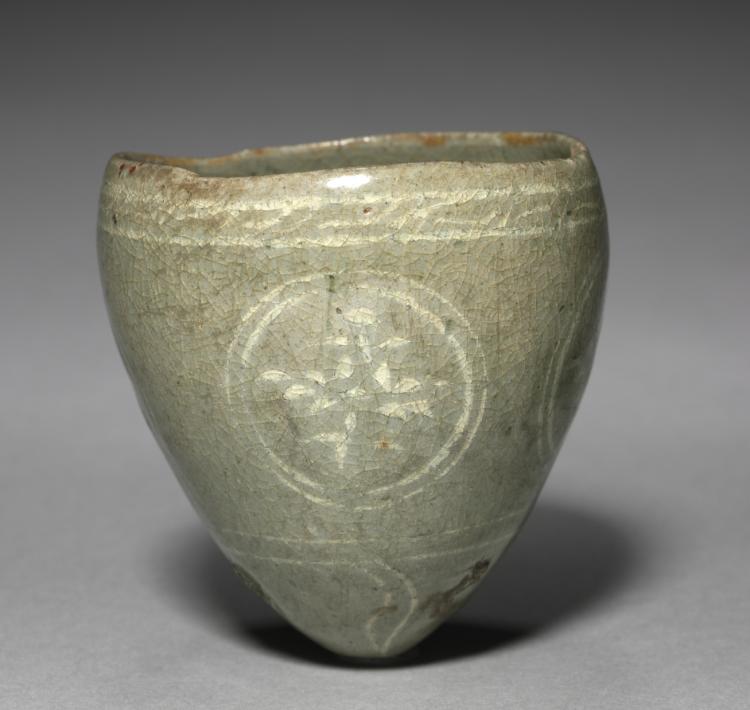
Cup with Inlaid Chrysanthemum Design
Cleveland Museum of Art