
Minneapolis Institute of Art
Grapevine and Squirrels
Japan
- Date
- 18th–19th century
- Medium
- Hanging scroll, ink on silk
- Department
- Asian Art
- Institution
- Minneapolis Institute of Art
The Chinese monk artist Tzu-wen Jih-kuan first popularized ink monochrome paintings of grapes during the 13th century. The twisting vines, curling tendrils and round, plump grapes provided ample opportunity for expressive brush play. They may also have been painting to express the scholar-artist's fondness for wine. The combination of squirrels and grapevines, as seen here, is actually a rebus, or word pun. In Korean, the word for squirrel sounds like pine, and the word for grape sounds like peach. Since pines and peaches are longstanding symbols of long life in China and Korea, squirrels and grapes, when pronounced, is a playful wish for continued good health. Japan, Asia
The authoritative record is held by Minneapolis Institute of Art. LinkedCulture surfaces this object and its connections; it does not alter institutional metadata.
Related across collections
Semantically similar works from Minneapolis Institute of Art and other institutions.

Squirrels and Grapevine
Minneapolis Institute of Art
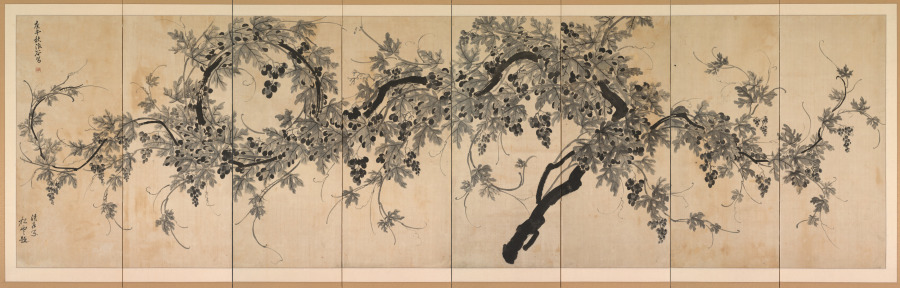
Grapevine
Cleveland Museum of Art

Squirrel and Grapes
Art Institute of Chicago

Grapevines
Minneapolis Institute of Art
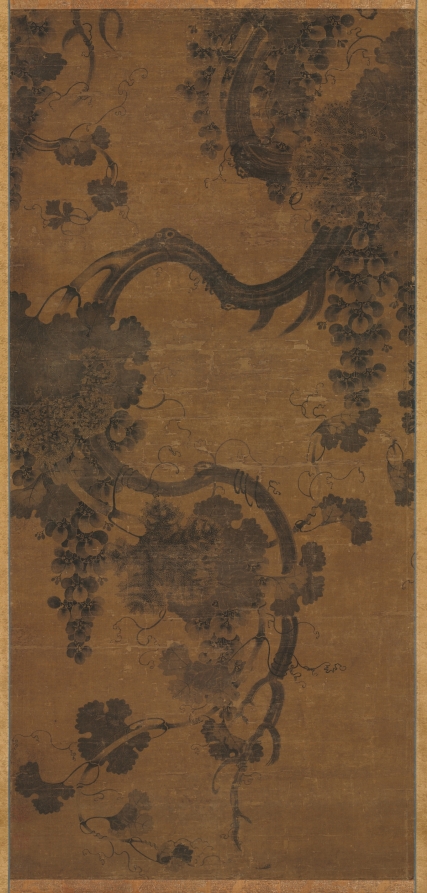
Grapes
Cleveland Museum of Art
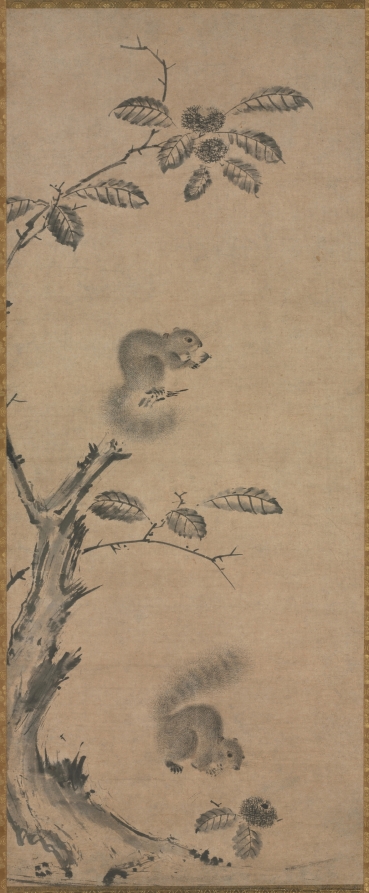
Squirrels on the Chestnut Tree
Cleveland Museum of Art
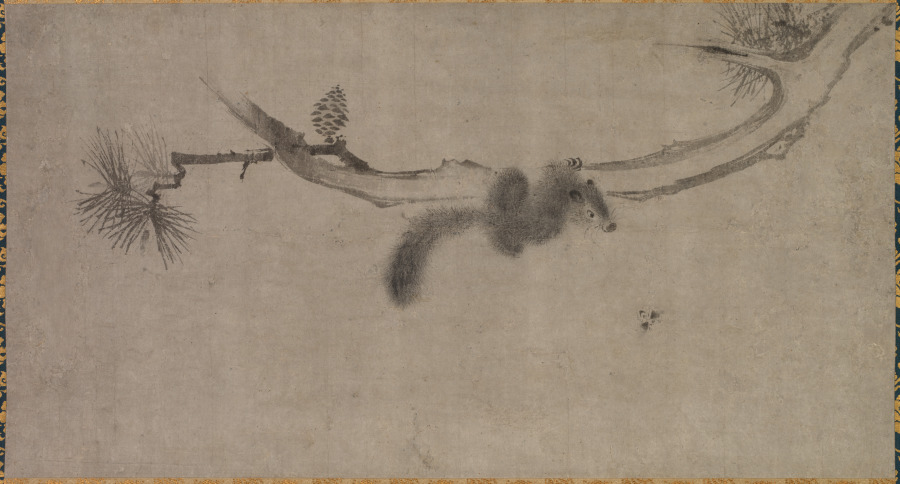
Squirrel on a Pine Branch
Cleveland Museum of Art

Gourds
Minneapolis Institute of Art
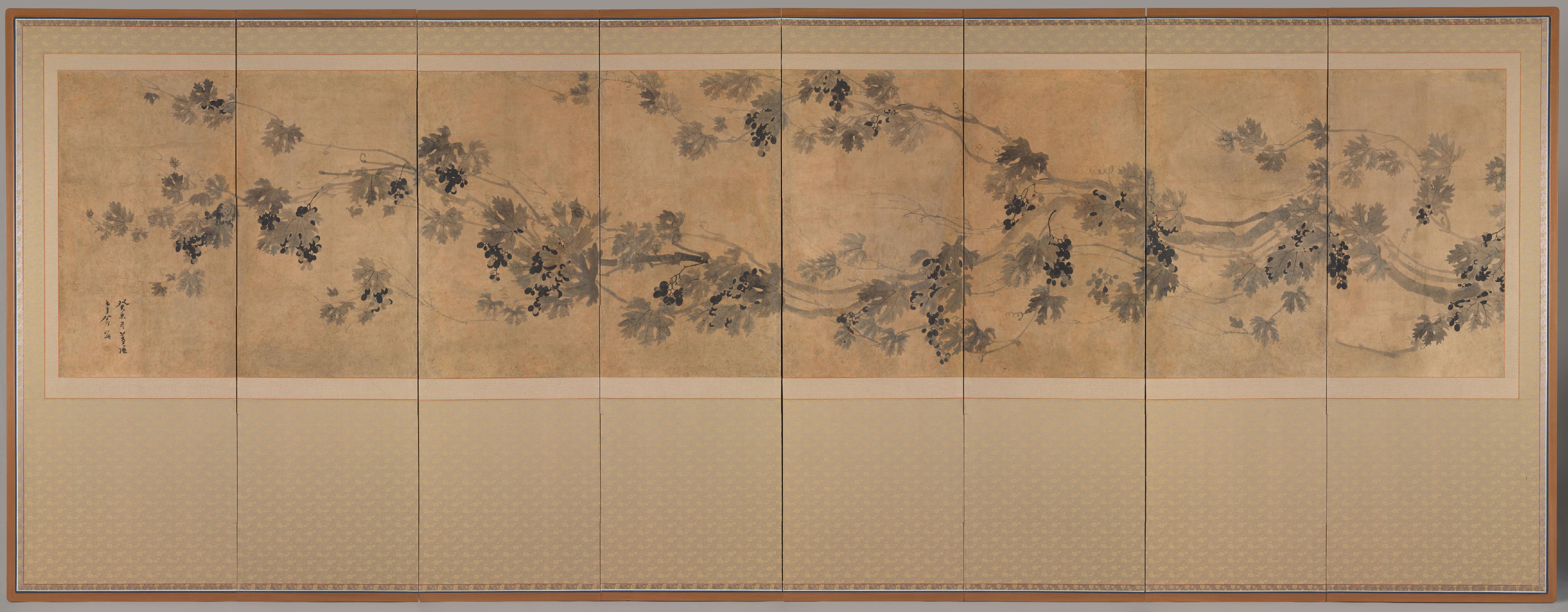
Druiventakken
Rijksmuseum

Bamboo and Squirrels
Minneapolis Institute of Art
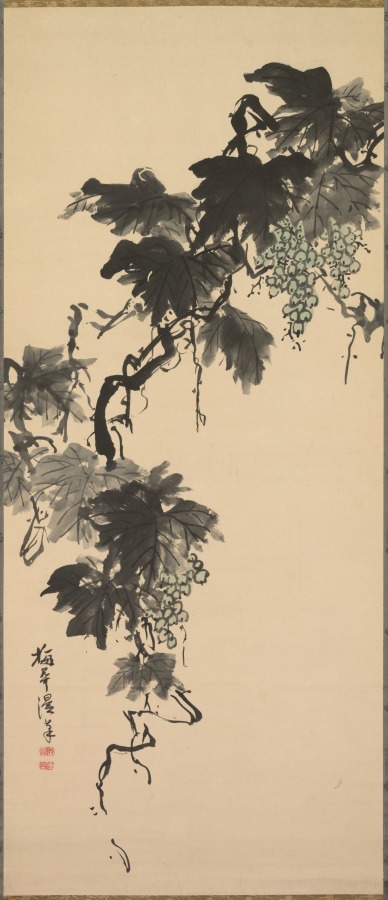
Grapes
Cleveland Museum of Art
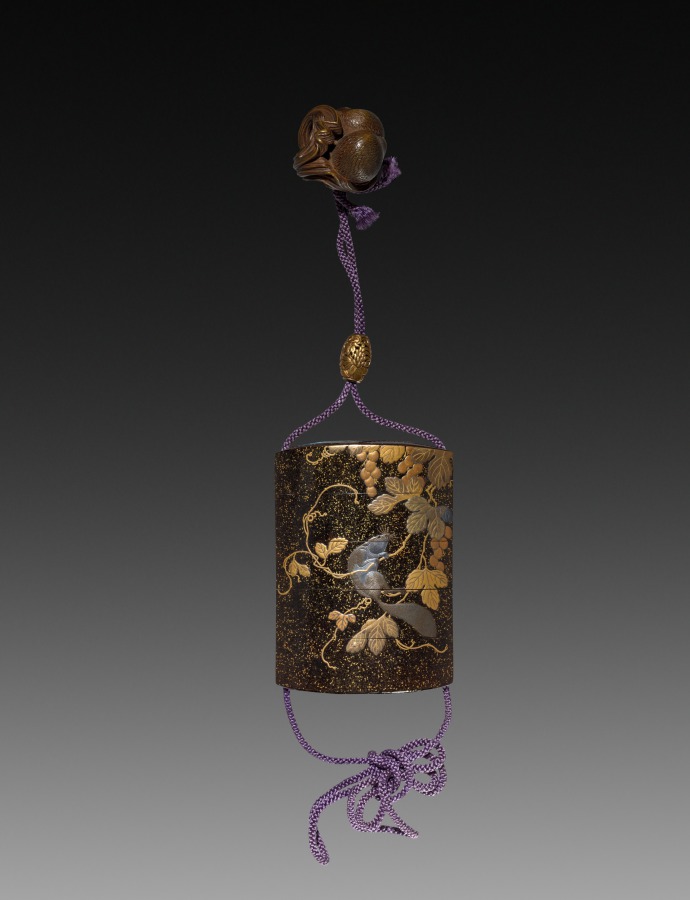
Inro (Case) with Squirrels in Grapevines
Cleveland Museum of Art