
Minneapolis Institute of Art
Miss Macaroni and Her Gallant at a Print Shop
John Raphael Smith; Publisher: John Bowles
- Date
- April 2, 1773
- Medium
- Hand-colored mezzotint
- Department
- European Art
- Institution
- Minneapolis Institute of Art
Macaroni Prints The term macaroni-named after the Italian pasta-was coined in the 1760s to refer to the fashionable young English gentlemen who traveled to Italy and brought back the food, manners, and dress of the Continent. By the 1770s, however, it had become a term of ridicule, used to describe, as one contemporary magazine put it, a person who had exceeded the ordinary bounds of fashion. These were men and women, generally of lesser privilege, who had imitated the dress and affected manners of the Grand Tourists-their enormous powdered wigs, extravagant, tight clothes, small shoes, and delicate manners. Thus macaroni came to stand for the eighteenth-century fashion victim and the widespread artifice, effeminacy, and social climbing that was seen as corrupting Georgian England. The macaroni phase was recorded for posterity with great humor in countless caricature prints, which exaggerated the clothes and particularly the hairstyles of this fad to an absurd degree. With the American Revolution unfolding at just this time, British soldiers were said to have insulted enemy soldiers with the same pejorative macaroni term, singing famously of the colonials' foolishness in the song Yankee Doodle. It jokes about a naïve dandy who stuck a feather in his hat and called it macaroni. The song was happily taken up by the Yankees and is still popular today. Europe
The authoritative record is held by Minneapolis Institute of Art. LinkedCulture surfaces this object and its connections; it does not alter institutional metadata.
Related across collections
Semantically similar works from Minneapolis Institute of Art and other institutions.
![The Paintress of Maccaroni's [sic]](https://5.api.artsmia.org/800/74793.jpg)
The Paintress of Maccaroni's [sic]
Minneapolis Institute of Art
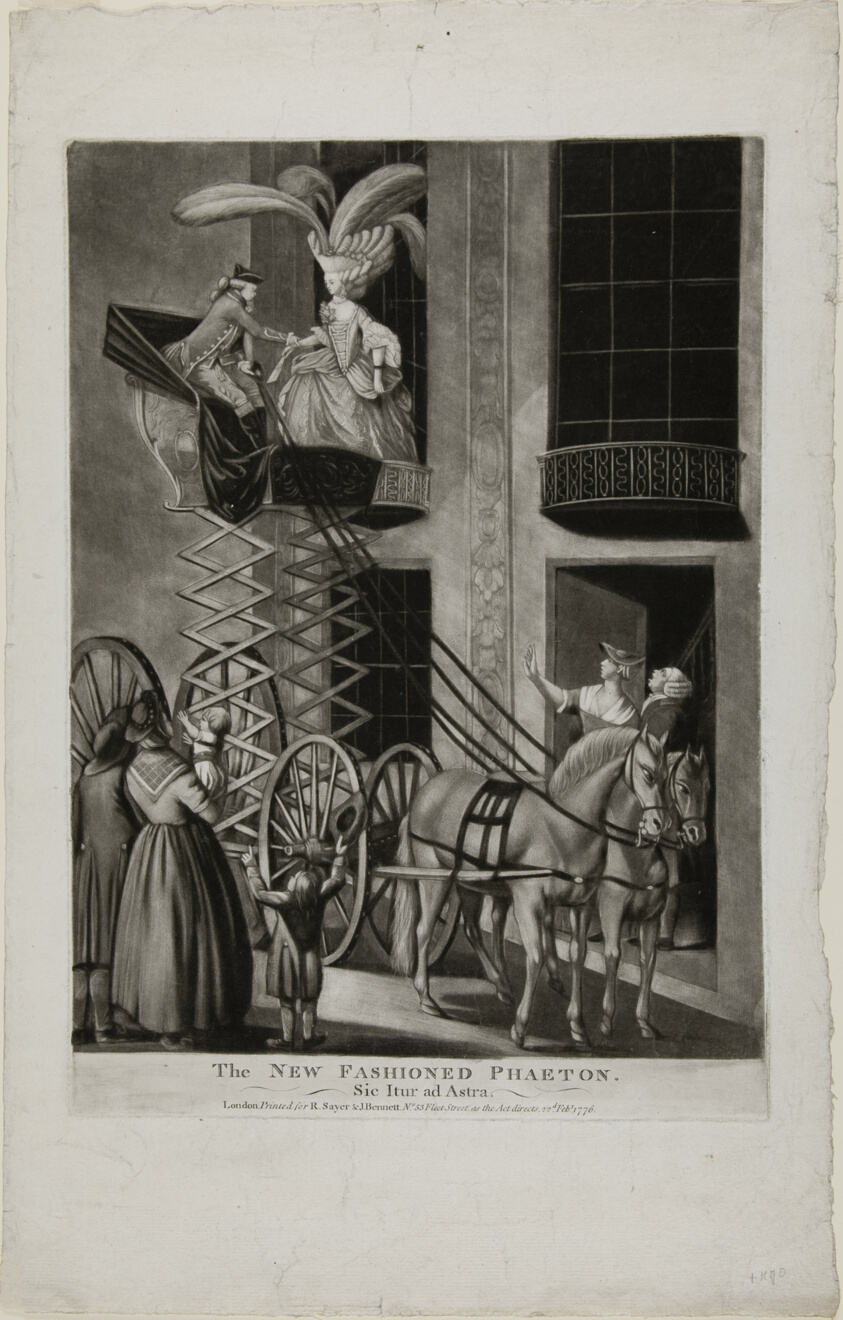
The New Fashioned Phaeton
Art Institute of Chicago

The Macaroni Print Shop
Minneapolis Institute of Art

Miss Macaroni and her Gallant at a Print-Shop
Minneapolis Institute of Art

Fashion Plate No. 277 from Journal des Dames et des Modes
Minneapolis Institute of Art

Fashion Plate No. 393 from Journal des Dames et des Modes
Minneapolis Institute of Art

Lady Godina's Rout: or Peeping-Tom Spying Out Pope-Joan
Minneapolis Institute of Art
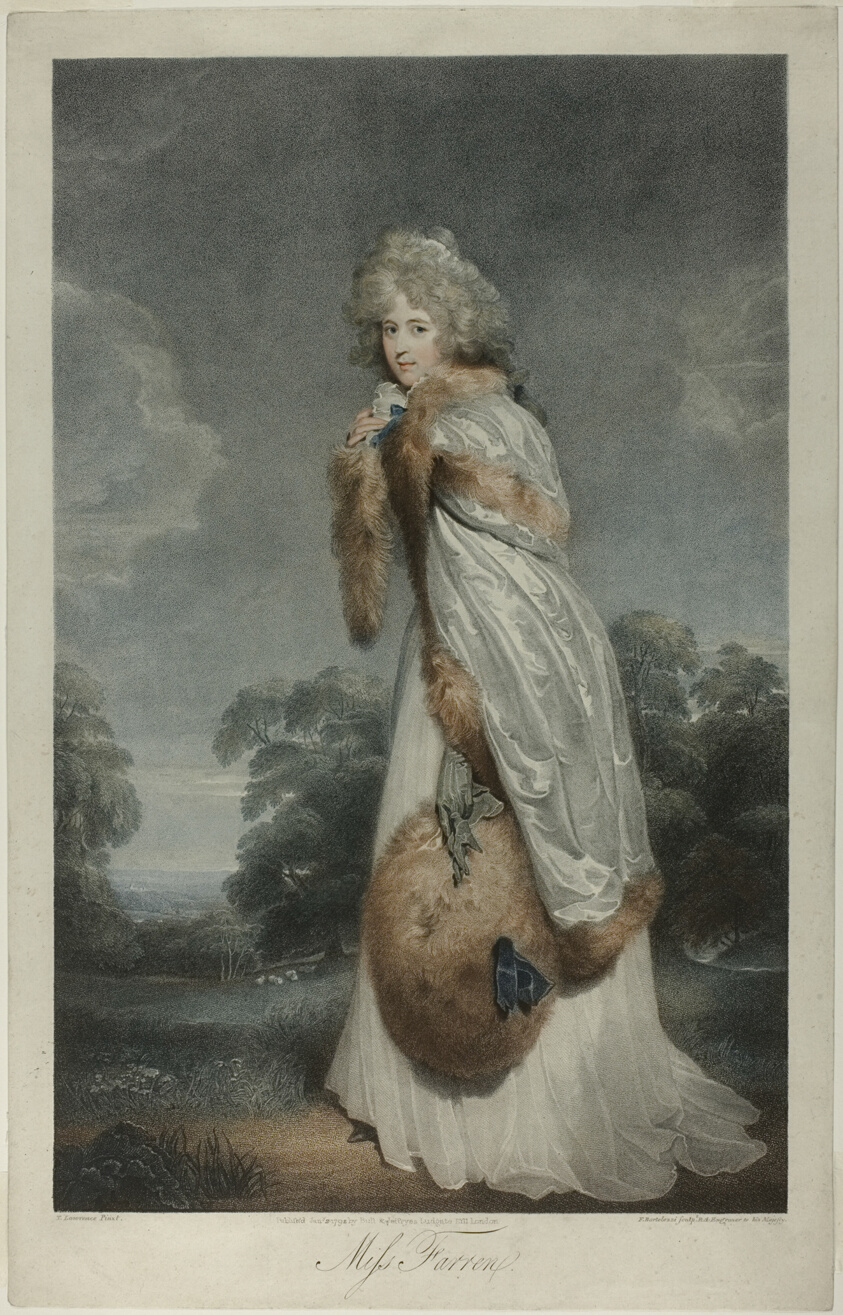
Miss Farren
Art Institute of Chicago

Monstrocities of 1799, Scene Kensington Gardens
Minneapolis Institute of Art

Fashion Plate No. 315 from Journal des Dames et des Modes
Minneapolis Institute of Art
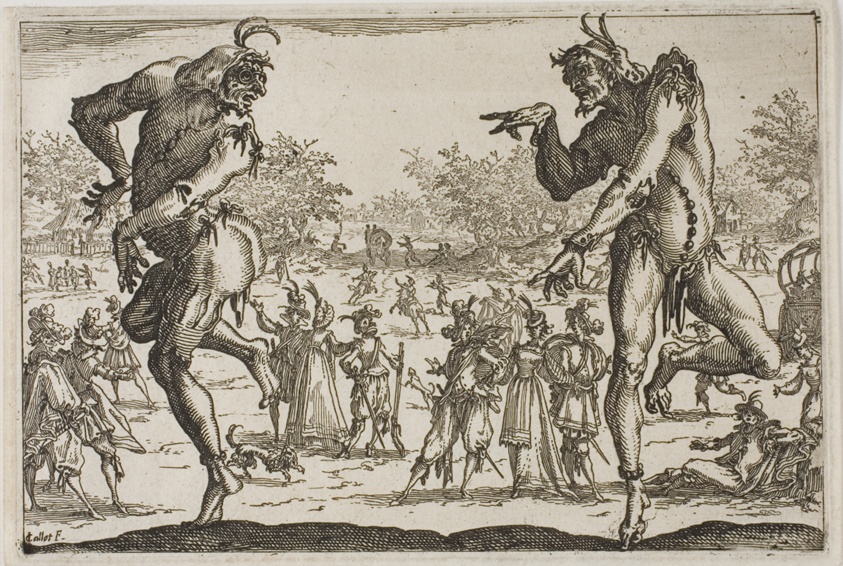
The Two Pantaloons
Art Institute of Chicago
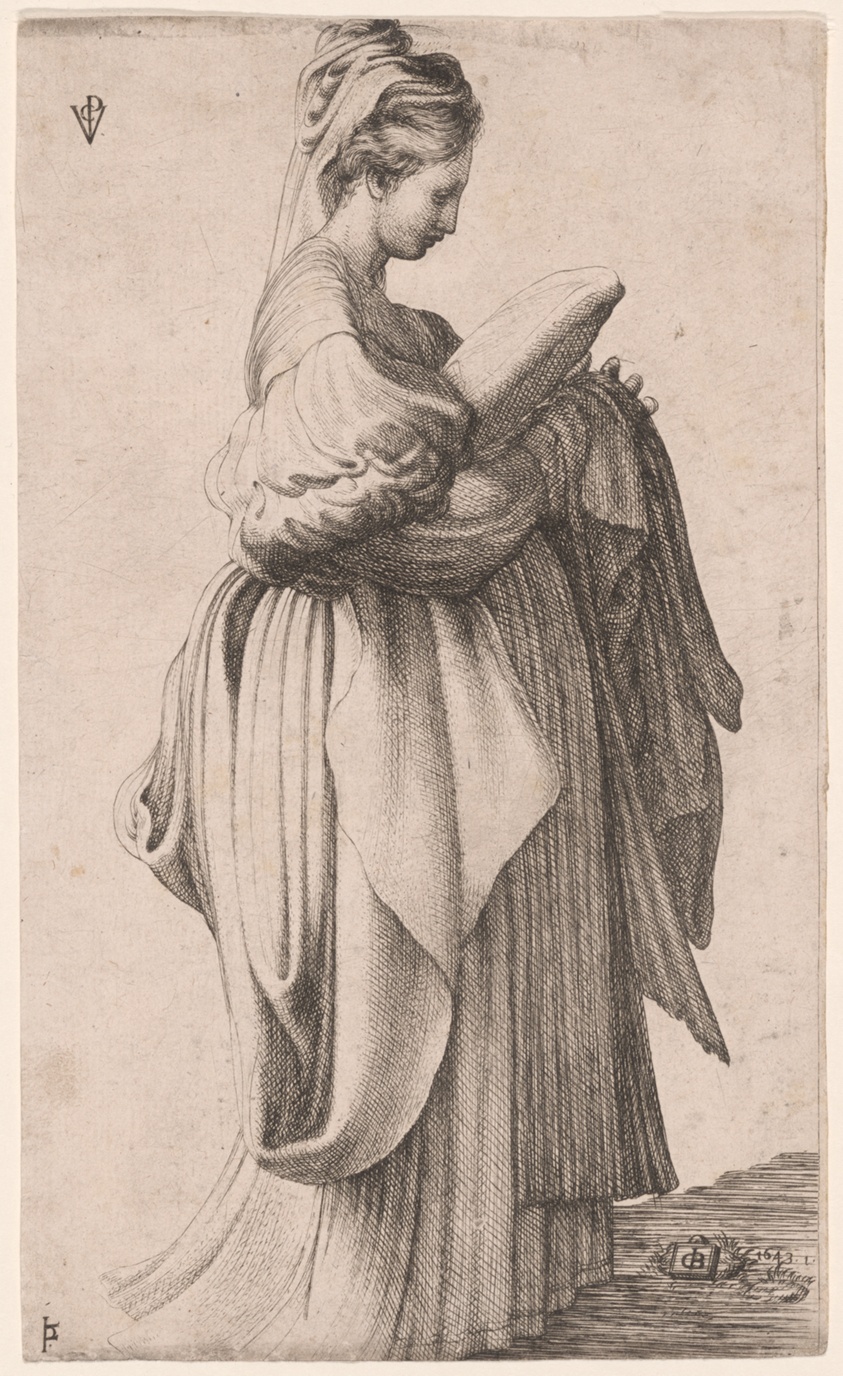
A Young Woman Holding a Cushion
Art Institute of Chicago